
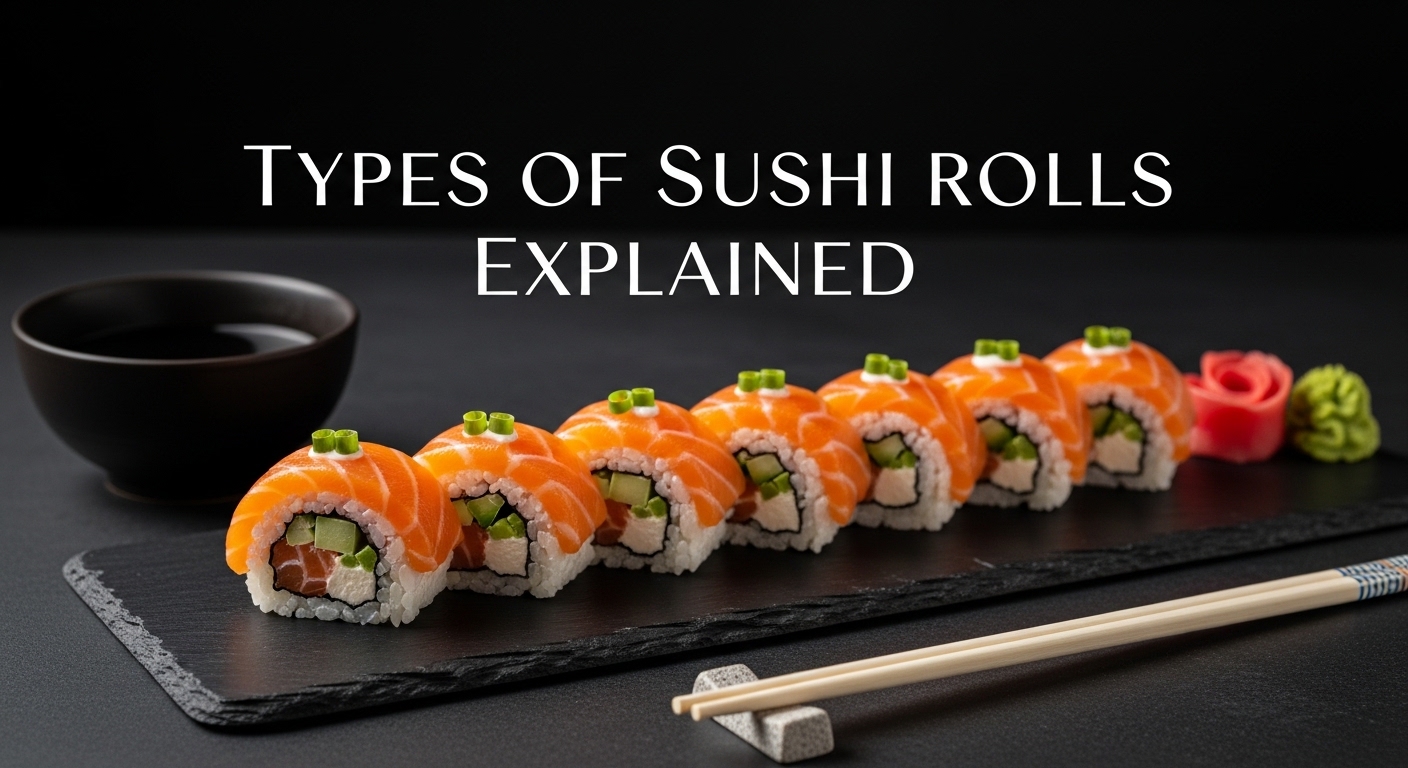
Walking into a sushi restaurant for the first time can feel overwhelming. The menu is filled with unfamiliar Japanese terms, and you are not sure if you should order rolls, nigiri, or something else entirely. I have been there myself, staring at a menu wondering what the difference is between maki and sushi, or whether I should avoid raw fish as a beginner.
This guide breaks down every type of sushi you will encounter. You will learn the seven main categories, understand what makes each one unique, and discover which rolls are perfect for beginners. By the end, you will order sushi with confidence, whether you are at a conveyor belt spot in Tokyo or a neighborhood restaurant in your hometown.
Table of Contents
What is Sushi?
Sushi is a traditional Japanese dish centered around vinegared rice, called shari, combined with various ingredients. Contrary to popular belief, sushi does not require raw fish. The word itself refers to the sour taste of the vinegar-seasoned rice, which is the essential foundation of all sushi types.
The origins of sushi trace back to Southeast Asia, where fermented rice was originally used to preserve fish. This technique traveled through China before evolving into the modern form we recognize today in Japan during the Edo period (1603-1868). Tokyo-style sushi, known as Edomae, traditionally features fresh fish caught in Tokyo Bay and served over hand-pressed rice.
Modern sushi combines seasoned short-grain rice with seafood, vegetables, eggs, or other ingredients. It is typically served with soy sauce, wasabi, and pickled ginger on the side. The balance between rice temperature, fish freshness, and texture creates the distinctive experience that has made sushi one of the most popular cuisines worldwide.
The 7 Main Types of Sushi 2026
Understanding the seven fundamental categories of sushi will help you navigate any menu. Each type has distinct characteristics, preparation methods, and eating experiences.
1. Nigiri – Hand-pressed rice topped with fish or other ingredients.
2. Maki – Rolled sushi wrapped in nori seaweed, cut into bite-sized pieces.
3. Uramaki – Inside-out rolls with rice on the outside and nori inside.
4. Temaki – Hand-rolled cones of nori filled with rice and ingredients.
5. Sashimi – Slices of raw fish served without rice.
6. Chirashi – Bowl of vinegared rice topped with scattered ingredients.
7. Gunkan Maki – Battleship-shaped sushi with nori wrapped around rice to hold loose toppings.
Nigiri Sushi
Nigiri is the quintessential sushi experience in Japan. The word means “hand-pressed,” describing how chefs shape a small mound of vinegared rice and top it with a slice of fish or other ingredient. This simple format showcases the quality of both the rice and the topping without hiding anything behind sauces or multiple ingredients.
The most popular nigiri toppings in Japan include maguro (tuna) and sake (salmon). Tuna offers a firm, meaty texture that appeals to beginners and experienced diners alike. Salmon provides a rich, fatty flavor that melts in your mouth. Other common choices include hamachi (yellowtail), ebi (cooked shrimp), unagi (grilled eel), and tamago (sweet egg omelet).
A skilled sushi chef balances the rice-to-fish ratio precisely. The rice should be room temperature or slightly warm, never cold. The topping should drape over the rice completely, often secured with a thin strip of nori for slippery items like eel or tamago. Wasabi is typically placed between the rice and fish by the chef, so additional wasabi is rarely needed.
Eating nigiri properly enhances the experience. Many sushi purists recommend using your hands rather than chopsticks. When dipping in soy sauce, turn the nigiri fish-side down so the rice does not fall apart or absorb too much sauce. Eat it in one bite if possible, allowing the flavors to combine in your mouth exactly as the chef intended.
Maki Rolls
Maki, meaning “roll” in Japanese, is what many people picture when they think of sushi. A bamboo mat called a makisu helps chefs spread vinegared rice on a sheet of nori seaweed, add fillings, and roll everything into a tight cylinder. The roll is then sliced into uniform pieces, typically six to eight per roll depending on thickness.
The two main sizes of maki are hosomaki (thin rolls) and futomaki (thick rolls). Hosomaki contains one filling, often cucumber (kappa maki), tuna, or pickled daikon radish (kanpyo maki). These simple rolls highlight a single ingredient and are cut into six pieces. Futomaki contains multiple fillings like egg, vegetables, and cooked fish, creating colorful cross-sections when sliced into eight pieces.
The nori wrapping gives maki its distinctive appearance and subtle ocean flavor. High-quality nori is crisp, dark green, and melts pleasantly in your mouth. Poor quality nori becomes chewy and tough, which is why you should eat maki soon after it is prepared. The texture degrades quickly as the nori absorbs moisture from the rice.
Traditional Japanese maki differs from what many Westerners expect. In Japan, maki is often a simple, vegetarian option or a way to use ingredients that do not work well as nigiri toppings. The elaborate, multi-ingredient rolls common in American sushi restaurants are a Western adaptation, not traditional Japanese style.
Uramaki (Inside-Out Rolls)
Uramaki, or “inside-out” rolls, flip the traditional maki format by placing the rice on the outside and the nori inside. Sesame seeds or tobiko (flying fish roe) often coat the outer rice layer for visual appeal and texture. This style originated in the United States, not Japan, and represents the evolution of sushi as it spread globally.
The California roll is the most famous uramaki and the gateway sushi for countless beginners. Created in Los Angeles during the 1960s, it features crab meat (or imitation crab), avocado, and cucumber. The avocado provides a creamy texture that substitutes for fatty fish, while the crab offers familiar, cooked seafood flavor. This roll proved that sushi could succeed without raw fish.
Other popular uramaki variations include the Spicy Tuna roll (tuna mixed with spicy mayonnaise), the Philadelphia roll (smoked salmon and cream cheese), and the Dragon roll (eel and cucumber inside, topped with avocado to resemble dragon scales). These creative combinations demonstrate how Western sushi chefs adapted Japanese techniques to local tastes.
While purists sometimes dismiss uramaki as inauthentic, these rolls serve an important purpose. They introduce sushi to people who might otherwise never try it. Many diners start with California rolls and gradually explore more traditional options as their confidence grows. The inside-out format also makes the rolls easier to eat with chopsticks since the sticky rice grips the utensils better than slippery nori.
Temaki (Hand Rolls)
Temaki, meaning “hand roll,” is sushi in its most casual form. A sheet of nori is rolled into a cone shape and filled with rice, fish, and vegetables. Unlike cut rolls, temaki is meant to be eaten immediately while the nori remains crisp. The cone shape makes it portable and easy to eat without chopsticks.
The texture of temaki is completely different from maki or nigiri. The first bite crunches through the crisp nori, contrasting with the soft rice and toppings inside. This textural experience is part of temaki’s appeal. Common fillings include spicy tuna, salmon and avocado, or California roll ingredients. Some restaurants offer hand roll specials where chefs prepare temaki to order at the sushi bar.
In Japan, temaki is often a home-style sushi rather than restaurant fare. Families set out bowls of rice, nori sheets, and various fillings so everyone can roll their own cones. This interactive dining style has become popular at some American sushi restaurants as well, offering a fun, hands-on experience for groups.
Order temaki early in your meal when you sit down at a restaurant. The nori becomes soggy within minutes of contact with the rice, ruining the texture that makes hand rolls special. A good sushi chef will prepare temaki last if you order multiple items, ensuring you receive it fresh and crisp.
Sashimi
Sashimi is not technically sushi, though it appears on every sushi menu. It consists of thinly sliced raw fish or seafood served without rice. The absence of rice makes sashimi pure protein, prized by those following low-carb diets or anyone wanting to focus entirely on the fish’s quality and flavor.
The quality requirements for sashimi are extremely high. Only sashimi-grade or sushi-grade fish is suitable for raw consumption. This fish has been flash-frozen to eliminate parasites and handled with strict temperature control from catch to plate. Tuna, salmon, yellowtail, and halibut are common sashimi choices, each offering distinct texture and flavor profiles.
Sashimi presentation is an art form. Chefs arrange slices on a plate with garnishes like shredded daikon radish, shiso leaves, or edible flowers. The slices are cut to specific thicknesses depending on the fish type. Delicate white fish might be sliced paper-thin, while fatty tuna is cut thicker to showcase its marbling. Wasabi and soy sauce are served on the side for dipping.
Many beginners confuse sashimi with nigiri. Remember that nigiri includes the vinegared rice base, while sashimi is fish alone. If you are nervous about raw fish, start with nigiri where the rice provides a familiar buffer. Once comfortable, try sashimi to experience the pure, unadulterated flavor of premium seafood.
Chirashi
Chirashi means “scattered” in Japanese, describing this bowl-style sushi. A bed of seasoned sushi rice is topped artfully with an assortment of fish, vegetables, and garnishes. Unlike other sushi types where pieces are individual, chirashi offers a complete meal in one bowl with multiple flavors and textures in every bite.
Two distinct regional styles of chirashi exist in Japan. Tokyo-style (Edomae chirashi) features raw fish slices arranged over rice similar to nigiri toppings. Osaka-style (Gomoku chirashi) mixes cooked and seasoned ingredients throughout the rice, often including shiitake mushrooms, lotus root, and sweet omelet. Both styles are delicious, but the Tokyo version resembles what most Americans think of as chirashi.
Chirashi is an excellent value at many restaurants. You typically receive more fish than ordering individual pieces of nigiri at a comparable price. The variety lets you sample different seafood types in one order. Some restaurants offer deluxe chirashi with premium ingredients like sea urchin (uni) or salmon roe (ikura) for special occasions.
Eating chirashi requires mixing the ingredients slightly with your chopsticks to distribute flavors. Start with the fish you are most excited about while it is freshest. The rice underneath absorbs juices from the toppings, becoming even more flavorful as you work through the bowl. Pickled ginger between bites helps reset your palate when switching between different fish types.
Gunkan Maki (Battleship Sushi)
Gunkan maki, also called “battleship sushi,” solves the problem of serving loose or slippery toppings that will not stay on nigiri. A strip of nori wraps around a rice oval, creating a vessel that holds ingredients like fish roe, chopped fatty tuna, or sea urchin. The name comes from the shape, which resembles a battleship floating on water.
The most common gunkan toppings are salmon roe (ikura) and sea urchin (uni). These ingredients are too soft or liquid to be served as traditional nigiri. The nori wall contains them while adding a crisp textural contrast. Other popular options include negitoro (chopped fatty tuna with scallions), tobiko (flying fish roe), and various seaweed salads.
Gunkan represents some of the most adventurous sushi for beginners. The briny pop of roe or the creamy, oceanic flavor of uni is unlike anything in Western cuisine. These toppings are also among the most expensive on sushi menus due to their rarity and perishability. Quality varies dramatically, so order gunkan at reputable restaurants with high turnover.
Eat gunkan quickly after it arrives at your table. The nori wrapper becomes chewy as it absorbs moisture from the rice and toppings. Dip the topping lightly in soy sauce rather than the rice to avoid making the nori soggy. Some gunkan, particularly those with roe, is best eaten in one bite to prevent the topping from falling apart.
Sushi vs Sashimi vs Nigiri: What’s the Difference?
The terminology confusion stops here. These three terms are related but describe different things, and understanding the distinction will make you a more confident diner.
Sushi is the broad category of Japanese dishes featuring vinegared rice. It includes nigiri, maki, uramaki, temaki, chirashi, and gunkan. If rice seasoned with sushi vinegar is present, you are eating sushi. Raw fish is optional, and many sushi varieties contain only cooked ingredients or vegetables.
Nigiri is a specific type of sushi. It consists of hand-pressed rice topped with fish, seafood, egg, or other ingredients. Nigiri is always sushi, but sushi is not always nigiri. When Japanese people say “sushi,” they usually mean nigiri, which is the most traditional and revered form in Japan.
Sashimi is not sushi at all because it contains no rice. It is simply sliced raw fish or seafood served alone. While you order sashimi at sushi restaurants, it belongs to a different category. Think of sashimi as the protein component of sushi freed from its rice base.
When to order each: Start with nigiri if you want the classic sushi experience with balanced rice and fish. Order sashimi if you want pure seafood flavor without carbohydrates. Choose maki rolls if you prefer combinations of ingredients and textures. Try chirashi for variety in a bowl format. Each has its place depending on your mood and dietary preferences.
Popular Named Sushi Rolls
Beyond the standard categories, sushi menus feature creative rolls with distinctive names. These rolls combine multiple ingredients into signature flavor profiles that have become standards across American sushi restaurants. Here are the rolls you will encounter most frequently and what makes each one special.
California Roll
The California roll is the world’s most popular sushi roll and the perfect entry point for beginners. Imitation crab meat (or real crab in upscale versions), avocado, and cucumber fill the center, with rice on the outside coated in sesame seeds. The avocado provides creamy richness that mimics fatty fish, while the crab offers familiar, cooked flavor. This roll is entirely raw-fish-free, making it safe for pregnant women, children, and anyone nervous about raw seafood.
Spicy Tuna Roll
Spicy tuna combines diced raw tuna with a mixture of mayonnaise and chili sauce, then rolls it with rice and nori. The spice level varies by restaurant, so ask if you are sensitive to heat. Some establishments add crunchy tempura flakes for texture. While delicious, be aware that “spicy” preparations often use fish that is not pristine enough for plain nigiri, since the sauce masks subtle flavor differences.
Dragon Roll
The Dragon roll is an inside-out roll featuring shrimp tempura and cucumber inside, topped with thin slices of avocado arranged to look like dragon scales. Eel sauce and spicy mayo drizzle over the top add sweetness and heat. This roll demonstrates how Western sushi chefs use visual presentation to create excitement. The combination of crispy tempura and creamy avocado creates excellent textural contrast.
Rainbow Roll
The Rainbow roll is essentially a California roll topped with assorted slices of raw fish, creating a colorful arc resembling a rainbow. Tuna, salmon, yellowtail, and shrimp typically adorn the top, offering multiple flavors in one roll. This is an excellent choice when you cannot decide which fish to try, as you get several varieties in a single order. The presentation makes it popular for special occasions and Instagram posts.
Philadelphia Roll
The Philadelphia roll pairs smoked salmon with cream cheese and cucumber, combining Jewish deli flavors with Japanese technique. The smoked salmon is cured, not raw, making this another beginner-friendly option. The cream cheese can be heavy, so these rolls are filling. Some chefs add capers or dill to enhance the bagel-and-lox inspiration. This roll is distinctly American and rarely found in Japan.
Spider Roll
Spider rolls contain soft-shell crab that has been battered and deep-fried, creating legs that protrude from the roll ends like spider limbs. The crab body provides sweet meat while the legs add crunch. Lettuce, cucumber, and spicy mayo are common accompaniments. This roll is a great way to experience real crab without the work of picking shell, and the cooking eliminates any raw seafood concerns.
Best Rolls for Beginners
If you are new to sushi, start with these safe, approachable options. The California roll, Philadelphia roll, and any shrimp tempura roll contain no raw fish. Eel (unagi) is always cooked and glazed with sweet sauce, making it a gentle introduction to stronger flavors. Avocado cucumber rolls are vegetarian and universally liked. Once comfortable with these, try salmon or tuna nigiri to experience high-quality raw fish in its purest form.
How to Order Sushi as a Beginner
Your first sushi order does not need to be intimidating. Follow this progression to build confidence and discover what you enjoy most.
Step 1: Start with cooked options. Order a California roll, shrimp tempura roll, or eel nigiri. These contain no raw fish but deliver authentic sushi flavors. The familiar ingredients help you adjust to vinegared rice and nori without worrying about raw seafood.
Step 2: Try smoked or cured fish. The Philadelphia roll with smoked salmon introduces fish flavor in a cooked format. Smoked salmon is also common in Western cuisine, so it feels less foreign than raw options. Tamago (sweet egg) nigiri is another gentle step, offering a completely cooked, slightly sweet experience.
Step 3: Sample mild raw fish. Salmon nigiri is the gateway to raw sushi for most people. The fatty, mild flavor lacks the “fishy” taste that concerns beginners. Tuna nigiri is similarly approachable, with a firm texture and clean taste. Order one piece each to start, and share with a dining companion if you are unsure.
Step 4: Explore omakase when ready. Omakase means “I leave it to you” in Japanese. You trust the chef to select your meal based on the freshest available ingredients and your preferences. This is the ultimate sushi experience, but save it for when you are comfortable with the basics. Tell the chef you are a beginner, and they will guide you gently through appropriate selections.
Step 5: Pace yourself. Sushi is best eaten fresh and at a moderate pace. Order a few pieces at a time rather than a huge platter that sits getting warm. This also lets you adjust your order based on what you enjoy. Most people eat 8-12 pieces for a satisfying meal.
Sushi Etiquette Basics
Proper sushi etiquette enhances your experience and shows respect for the chef’s craft. You do not need to follow every tradition strictly, but understanding the basics helps you avoid common mistakes.
Soy sauce usage: Pour a small amount of soy sauce into your dish. Do not fill it to the brim or let food swim in sauce. Dip fish, not rice, into the soy sauce. Rice absorbs too much liquid and falls apart. For nigiri, turn it fish-side down when dipping.
Wasabi placement: The chef has already placed wasabi between the rice and fish for nigiri. Do not make a wasabi paste in your soy sauce dish unless you want extra heat. Mixing wasabi into soy sauce is an American habit, not a Japanese tradition. If you need more wasabi, place a small amount directly on the fish.
Ginger purpose: Pickled ginger (gari) is for cleansing your palate between different types of fish. Do not put ginger on top of your sushi or eat it with the sushi. Take a small bite of ginger between different pieces to reset your taste buds and appreciate each fish’s distinct flavor.
Chopsticks vs hands: Nigiri is traditionally eaten with your hands. Chopsticks are acceptable, especially for beginners, but using your fingers is not rude. Maki rolls can be eaten with chopsticks or hands. Sashimi always requires chopsticks. If using chopsticks, never rub them together to remove splinters, as this implies the chopsticks are cheap.
Interaction with chefs: If sitting at the sushi bar, engage with the chef. Ask questions about the fish or recommendations. Do not smoke, use strong perfume, or wear strong cologne, as these smells interfere with the subtle aromas of fresh fish. Finish what is served to you, as wasting food disrespects the chef’s work.
How to Identify Quality Sushi
Not all sushi is created equal. These trust signals help you distinguish excellent sushi restaurants from mediocre ones.
Fresh fish indicators: Quality fish smells like the ocean, not fishy. It should have bright, vibrant color without dulling or browning. The flesh should look firm and moist, not slimy or dry. Ask when the fish was delivered. Reputable restaurants receive deliveries daily.
Rice quality: Sushi rice (shari) should be room temperature or slightly warm, never refrigerator-cold. Each grain should be distinct and slightly sticky, not mushy or falling apart. The vinegar seasoning should be subtle and balanced, not overpowering. Rice quality is often the difference between good and great sushi.
Restaurant atmosphere: Busy restaurants with high turnover typically have fresher fish. Look for Japanese chefs or owners, which often correlates with authenticity and quality. Menus featuring seasonal specials suggest the chef sources carefully rather than using frozen commodity fish. Prices significantly below market rate may indicate lower quality ingredients.
Temperature matters: Nigiri should be served at the proper temperature with slightly warm rice and cool fish. If everything arrives ice-cold from refrigeration, the restaurant is cutting corners. Temperature control is crucial for both flavor and food safety with raw fish.
Frequently Asked Questions
What is the most popular type of sushi roll?
The California roll is the most popular sushi roll worldwide. It appeals to beginners because it contains no raw fish, using imitation crab, avocado, and cucumber instead. The Spicy Tuna roll and Dragon roll rank second and third in popularity, especially among diners ready to try raw fish.
What is the difference between maki and sushi?
Sushi refers to the entire category of Japanese dishes made with vinegared rice. Maki is a specific type of sushi that means rolled sushi wrapped in nori seaweed. All maki is sushi, but sushi includes nigiri, temaki, chirashi, and other types beyond just rolls.
What is the most popular sushi in Japan?
In Japan, nigiri sushi is most popular, particularly tuna (maguro) and salmon (sake) nigiri. Japanese diners prioritize the quality of the fish and rice over elaborate rolls. Rolls exist in Japan but are considered simpler, often vegetarian options rather than the main attraction.
What are the 3 types of sushi?
The three foundational types of sushi are nigiri (hand-pressed rice with toppings), maki (rolled sushi in nori), and sashimi (sliced raw fish without rice). Many guides expand this to include seven types by adding uramaki, temaki, chirashi, and gunkan maki.
What does maki mean in sushi?
Maki means roll in Japanese. It refers to sushi made by rolling vinegared rice and fillings in nori seaweed using a bamboo mat. The roll is then sliced into 6-8 bite-sized pieces. Common varieties include hosomaki (thin rolls with one filling) and futomaki (thick rolls with multiple fillings).
How many pieces are in one sushi roll?
A standard maki roll is cut into 6-8 pieces depending on thickness. Hosomaki (thin rolls) typically yield 6 pieces, while futomaki (thick rolls) are cut into 8 pieces. Hand rolls (temaki) are not sliced and are eaten as a single cone-shaped piece.
Is sushi Japanese or Chinese?
Sushi is Japanese in origin, though it evolved from a Southeast Asian preservation method using fermented rice that traveled through China. Modern sushi developed in Japan during the Edo period (1603-1868), particularly in Tokyo where Edomae-style sushi featuring fresh fish over vinegared rice was created.
Conclusion
You now understand the seven main types of sushi rolls and how they differ from each other. From hand-pressed nigiri to inside-out California rolls, each style offers a unique way to experience Japanese cuisine. The key is starting with what feels comfortable, whether that means cooked shrimp tempura rolls or adventurous sashimi, and gradually expanding your palate as confidence grows.
Remember that sushi is about balance. The vinegared rice, fresh fish, and simple accompaniments like soy sauce and wasabi work together to create something greater than the sum of its parts. Quality matters more than quantity. A few perfect pieces of nigiri at a reputable restaurant beat a massive platter of mediocre rolls every time.
Types of sushi rolls explained clearly can transform an intimidating menu into an exciting adventure. Trust your instincts, ask questions when sitting at the sushi bar, and do not be afraid to try something new. The world of sushi rewards curiosity, and there is always another delicious discovery waiting on your next visit.