
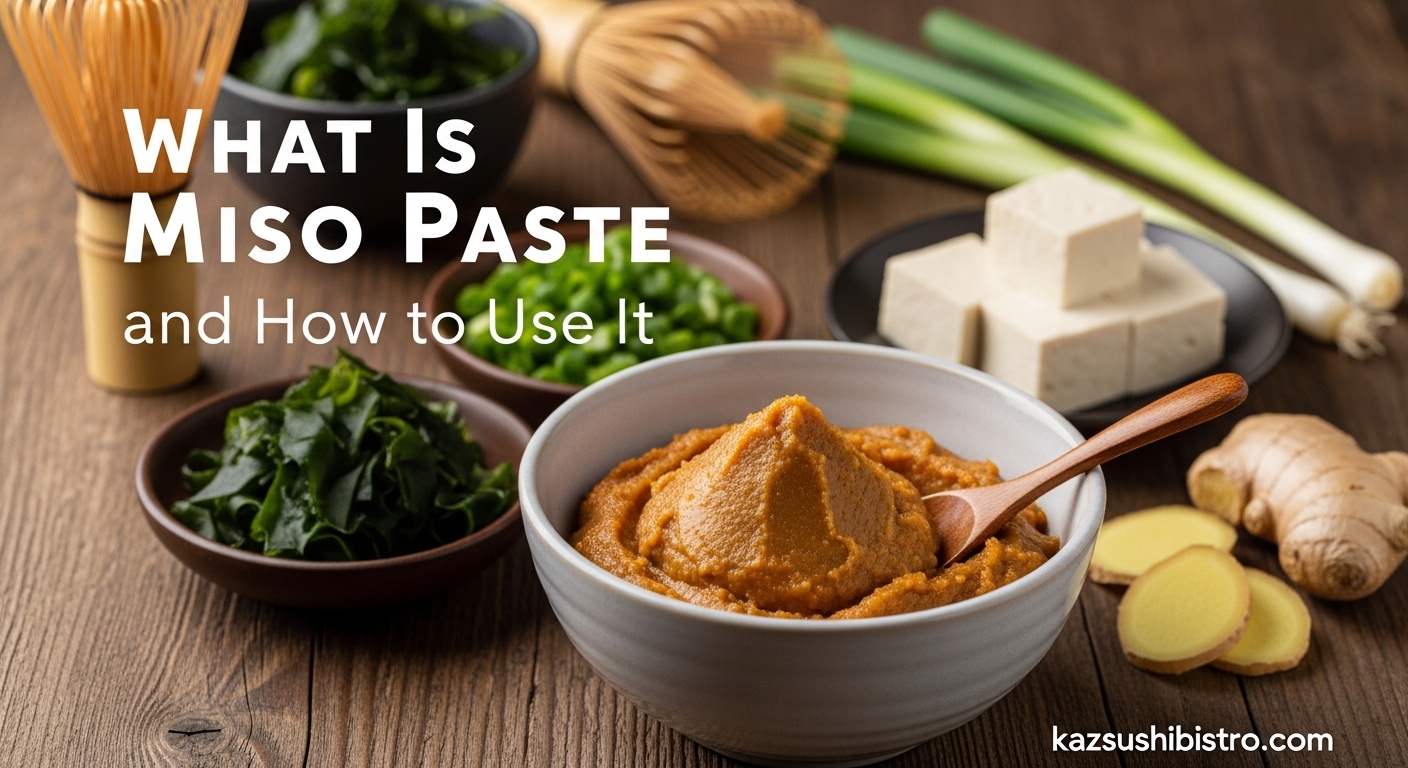
If you have ever wondered what gives Japanese soups and marinades that deep, savory flavor, the answer is often miso paste. This fermented ingredient has been a cornerstone of Japanese cooking for centuries, and it is incredibly versatile in modern kitchens.
In this guide, you will learn exactly what miso paste is, how it is made, the different types available, and practical ways to use it in your cooking. We will also cover storage tips, health considerations, and answer common questions.
Table of Contents
What Is Miso Paste?
Miso paste is a fermented soybean paste created by combining soybeans with salt, grains (typically rice or barley), and a beneficial fungus called koji (Aspergillus oryzae). The fermentation process can last from a few months to several years, developing complex flavors along the way.
Our team has been cooking with miso for years, and we find it invaluable for adding depth to dishes without excessive effort. The paste has a thick, spreadable texture similar to natural peanut butter and ranges in color from pale beige to deep brown.
The key to miso’s flavor comes from koji, which breaks down proteins and starches into amino acids. This process creates umami, that savory “fifth taste” that makes food satisfying and complete. Japanese cuisine has relied on this fermentation technique for over a thousand years.
Most miso pastes are not gluten-free unless labeled as such, since many varieties use barley or other grains. If you have celiac disease or a gluten sensitivity, look for miso made with rice only or check the ingredient list carefully.
What Does Miso Taste Like?
Miso paste delivers a rich, savory experience that combines saltiness with subtle sweetness. The flavor includes deep umami notes that coat the palate, along with a mild fermented complexity that evolves as the paste ages.
Younger, lighter miso tends toward sweeter and milder profiles, while aged varieties develop bolder, more intensely salty characteristics. The taste also varies based on what grains are used in fermentation, with some imparting a slight nutty quality.
Many home cooks describe miso as having a “meaty” quality without being meat, making it excellent for vegetarian and vegan dishes. The fermented notes add dimension that simple salt or soy sauce cannot match.
Types of Miso Paste 2026
White Miso (Shiro Miso)
White miso ferment for three to twelve months, resulting in a light beige color and mild, sweet flavor. It contains less salt than darker varieties and works beautifully in delicate soups, salad dressings, and light sauces.
This variety is ideal if you are new to miso or want to add subtle savory notes without overwhelming a dish. We use white miso most often for everyday cooking and find it pairs especially well with chicken, seafood, and vegetables.
Red Miso (Aka Miso)
Red miso ferment for one to three years, developing a dark brown-red color and bold, intensely salty flavor. The longer fermentation creates a more pronounced umami presence and higher salt content overall.
This variety holds up well in hearty dishes like rich stews, robust marinades, and bold sauces. A little goes a long way, so we recommend starting with smaller amounts and adjusting to taste.
Yellow Miso (Shinshu Miso)
Yellow miso falls between white and red varieties in both flavor and color. Typically ferment for six to twelve months, it offers a balanced taste that combines mild sweetness with moderate saltiness and umami depth.
This versatile option works well in almost any dish, from soups to glazes. It is often labeled as “mixed” or “awase” miso and serves as an excellent everyday choice in the kitchen.
Awase Miso
Awase miso is a blended variety combining different miso types to create a balanced, versatile product. It is the most commonly used miso in Japan for everyday cooking and works well in most recipes.
You will find awase miso in grocery stores under various brand names, and it typically delivers moderate flavor without extreme saltiness or sweetness. This makes it a reliable pantry staple.
How to Use Miso Paste in Cooking
Miso Soup and Broths
The most classic use for miso paste is miso soup, but the technique matters. Always dissolve miso in a small amount of warm liquid before adding it to your soup. Never boil the soup after adding miso, as this kills the probiotics and damages the delicate flavors.
Strain the miso through a fine mesh sieve when making clear broths to ensure a smooth texture without lumps. Many home cooks skip this step and end up with grainy soup, which is a common mistake.
Beyond traditional miso soup, try adding miso to any broth or stock you are making. It enhances vegetable broths, chicken stock, and even ramen bases with minimal effort.
Marinades and Glazes
Miso makes an excellent base for marinades, particularly for meat, fish, and firm tofu. The fermentation helps tenderize proteins while adding savory depth. We have had great results marinating salmon, chicken thighs, and pork tenderloin in miso-based mixtures.
When using miso as a glaze, remember that the sugars can burn quickly under high heat. Wipe off excess marinade before cooking to prevent scorching, and use moderate temperatures for best results.
Combine miso with sake, mirin, and a touch of sugar for a simple glaze that works on vegetables, tofu, or proteins. Brush it on during the last few minutes of cooking for a caramelized finish.
Dressings and Sauces
Whisk miso with rice vinegar, sesame oil, and a bit of honey or sugar to create a versatile salad dressing. This works particularly well with crunchy vegetables, cabbage slaws, and grain bowls.
You can also boost the flavor of existing sauces by adding a spoonful of miso. Try it in pasta sauces (both tomato and cream-based), stir-fry sauces, or even mayonnaise for a umami lift.
Our team discovered that adding miso to a simple aioli or sour cream dip creates an unexpectedly delicious result. Start with half a teaspoon per cup of base and adjust to your taste.
Unexpected Uses
Experienced cooks use miso in surprising ways. The paste works in pasta sauces to add depth without overpowering. We have tried it in tomato sauces where it provides a behind-the-scenes savory boost that guests often cannot identify but notice as “something special.”
Roasted vegetables benefit from a thin smear of miso before cooking, particularly on root vegetables like carrots, parsnips, and potatoes. The sugars in the miso caramelize beautifully and create an irresistible crust.
Miso butter, a compound butter mixing miso with softened butter and optionally herbs, transforms simple grilled meats and vegetables. Spread it on bread or toss with pasta for an easy flavor upgrade.
Even desserts can benefit from miso. A small amount in caramel or chocolate chip cookies adds complexity that professionals call “secret ingredient cooking.” The salt and fermented notes balance sweetness in ways that surprise and delight.
Essential Cooking Tips
These rules come from years of experience and mirror advice from professional kitchens. Following them will dramatically improve your results with miso.
Never boil miso after adding it. The heat destroys beneficial probiotics and damages the aromatic compounds that give miso its complex flavor. Remove your pot from heat or turn off the burner before stirring in miso, then gently warm if needed.
Strain miso for smooth soups. This step is essential for clear broths but optional for chunky vegetable soups. Use a fine mesh strainer and work the miso through with a spoon to ensure complete dissolution.
Thin miso before making dressings and sauces. Miso is thick and sticky on its own. Mix it with a small amount of liquid (water, sake, or vinegar) before adding to dressings or sauces to ensure smooth incorporation without lumps.
Wipe off excess marinade. When marinating with miso-based sauces, remove excess before cooking to prevent burning. The sugars in miso caramelize quickly and can scorch if left too thick on protein surfaces.
Start small and taste as you go. Miso varies in saltiness between brands and types. Add half the amount you think you need, taste, then adjust. You can always add more, but you cannot remove excess salt.
Use miso as a finishing touch. Instead of always cooking with miso, try adding a small spoonful to finished dishes as you would finishing salt. This technique works well on roasted vegetables, grilled proteins, and even scrambled eggs.
Is Miso Paste Healthy?
Miso paste offers several health benefits that make it worth incorporating into your diet regularly. The fermentation process creates probiotics that support gut health, similar to other fermented foods like yogurt and kefir.
The umami in miso comes from natural glutamates, not added MSG. This means you can reduce or eliminate added MSG in your cooking while still achieving that savory depth. Many people find miso provides satisfaction that plain salt cannot.
Miso contains protein, vitamins, and minerals including B12 (in some varieties), vitamin K, and zinc. However, it is also high in sodium, so portion control matters if you are watching your salt intake.
For those with GERD or acid reflux, miso can trigger symptoms in some people due to its fermented nature and salt content. If you are sensitive, start with small amounts and monitor your personal tolerance. White miso tends to be easier on sensitive stomachs than red varieties.
Regarding celiac disease, standard miso made with barley is not gluten-free. Look for rice-only miso or carefully check labels if you need to avoid gluten entirely.
How to Store Miso Paste
Proper storage keeps miso fresh and flavorful for months after opening. The most important rule is refrigeration after opening to slow fermentation and prevent spoilage.
Keep the miso covered at all times. The surface can dry out and darken if left exposed to air, creating a crusty layer that is less pleasant to use. Press plastic wrap directly onto the surface or keep it in an airtight container.
Unopened miso paste can be stored in a cool, dark pantry for several months to a year, depending on the variety. Check the expiration date and follow any guidance on the packaging.
In the refrigerator, miso paste typically lasts six to twelve months after opening, sometimes longer for aged varieties. You may notice the color darkens slightly over time, but this is normal and does not affect safety or quality.
Yes, you can freeze miso paste if you want to extend its shelf life significantly. Portion it into ice cube trays for easy single servings later. Note that freezing may slightly change the texture, making it grainier, but the flavor remains excellent.
How can you tell if miso has gone bad? Trust your senses. If it develops an off smell, unusual mold on the surface, or tastes sharply off, discard it. Properly stored miso should smell pleasantly fermented and savory.
Where to Buy Miso Paste
Asian grocery stores typically offer the best selection of miso paste, including specialty varieties from different Japanese regions. You will often find miso in tubs, pouches, and jars at varying price points.
Many mainstream supermarkets now carry miso paste in their international or health food sections. Look for it near soy sauce and other Asian ingredients, or check the refrigerated section for fresh varieties.
Online retailers offer convenient options with delivery to your door. Popular brands include Miyako, Kikkoman, and Marukome. Read reviews to find quality products, and consider purchasing smaller sizes first to test varieties.
When shopping, check labels for ingredients you recognize. Quality miso contains soybeans, salt, and koji, with minimal additional additives. The ingredient list should be short and understandable.
Tubs often represent better value for frequent cooks, while smaller jars work well for occasional use. Pouched miso is common in Japan and increasingly available elsewhere, offering convenience and freshness.
Frequently Asked Questions
What is the easiest way to use miso paste?
The simplest method is to whisk a tablespoon of miso into warm water or broth to make miso soup. You can also stir it into cooked vegetables, mix it with butter for a quick sauce, or add it to salad dressings for extra umami.
Can I have miso with GERD?
Miso may trigger GERD symptoms in some people due to its fermented nature and sodium content. If you have acid reflux, start with small amounts of milder white miso and monitor your personal tolerance. Reduce portion sizes and avoid eating miso soup close to bedtime.
Should you refrigerate miso paste after opening?
Yes, refrigeration is essential after opening miso paste. The cool temperature slows fermentation and prevents spoilage. Keep the miso covered to prevent surface drying and oxidation.
Is miso ok for celiac?
Standard miso made with barley contains gluten and is not safe for celiac disease. Look for rice-only miso varieties or check labels carefully for gluten-free certification if you need to avoid gluten entirely.
What recipes can you use miso paste for?
Miso paste works in soups, marinades, glazes, salad dressings, pasta sauces, roasted vegetables, compound butters, and even desserts like cookies and caramel. Its versatility makes it useful in both savory and sweet applications.
How long will miso paste last in the refrigerator?
Miso paste typically lasts six to twelve months in the refrigerator after opening, sometimes longer for aged varieties. Properly stored miso remains safe to use well past any date on the package if it smells and looks normal.
Why shouldn’t you boil miso?
Boiling miso destroys beneficial probiotics and damages delicate aromatic compounds that create its complex flavor. The high heat causes these volatile compounds to evaporate or break down, resulting in a flatter, less nutritious final product.
Conclusion
Miso paste is a remarkably versatile ingredient that adds depth and savory complexity to almost any dish. Whether you use it in traditional Japanese soups, modern marinades, unexpected desserts, or simple weeknight dinners, miso rewards experimentation.
Start with a quality white or awase miso from your local Asian grocery store or supermarket. Keep it refrigerated, remember not to boil it, and add it to dishes as a finishing touch for maximum flavor impact.
The world of miso paste is vast and rewarding. Do not be afraid to explore different varieties, try new applications, and develop your own favorite techniques. Your cooking will never taste quite the same once you discover what miso can do.