
When I first sat down at the sushi counter and the chef asked if I wanted omakase, I had no idea what I was getting into. That single word changed how I think about dining forever. If you have ever wondered what is omakase and whether it is right for you, this guide will walk you through everything from the translation to the etiquette to the experience itself.
Our team has interviewed sushi chefs, researched Japanese culinary traditions, and compiled insights from hundreds of first-time diners to create the most comprehensive resource on omakase available in 2026. By the end of this article, you will know exactly what to expect, how to behave, and whether this unique dining experience deserves a spot on your culinary bucket list.
Table of Contents
What Is Omakase?
Omakase is a Japanese dining style where diners entrust the chef to select and prepare a personalized multi-course meal using the freshest seasonal ingredients available. The word itself directly translates to “I leave it up to you” or “I’ll leave it to you” in Japanese, derived from the verb “makaseru” which means to entrust or to leave to another’s care.
When you order omakase at a sushi restaurant, you are not choosing from a menu. Instead, you are placing your trust in the hands of the itamae (sushi master), who will craft a unique culinary journey specifically for you. This relationship between diner and chef forms the heart of the omakase experience.
The concept extends beyond just sushi. While omakase is most commonly associated with high-end sushi establishments, you can find omakase-style dining at yakitori grills, tempura counters, and even French-inspired kaiseki restaurants throughout Japan and increasingly in cities worldwide.
The Omakase Experience 2026
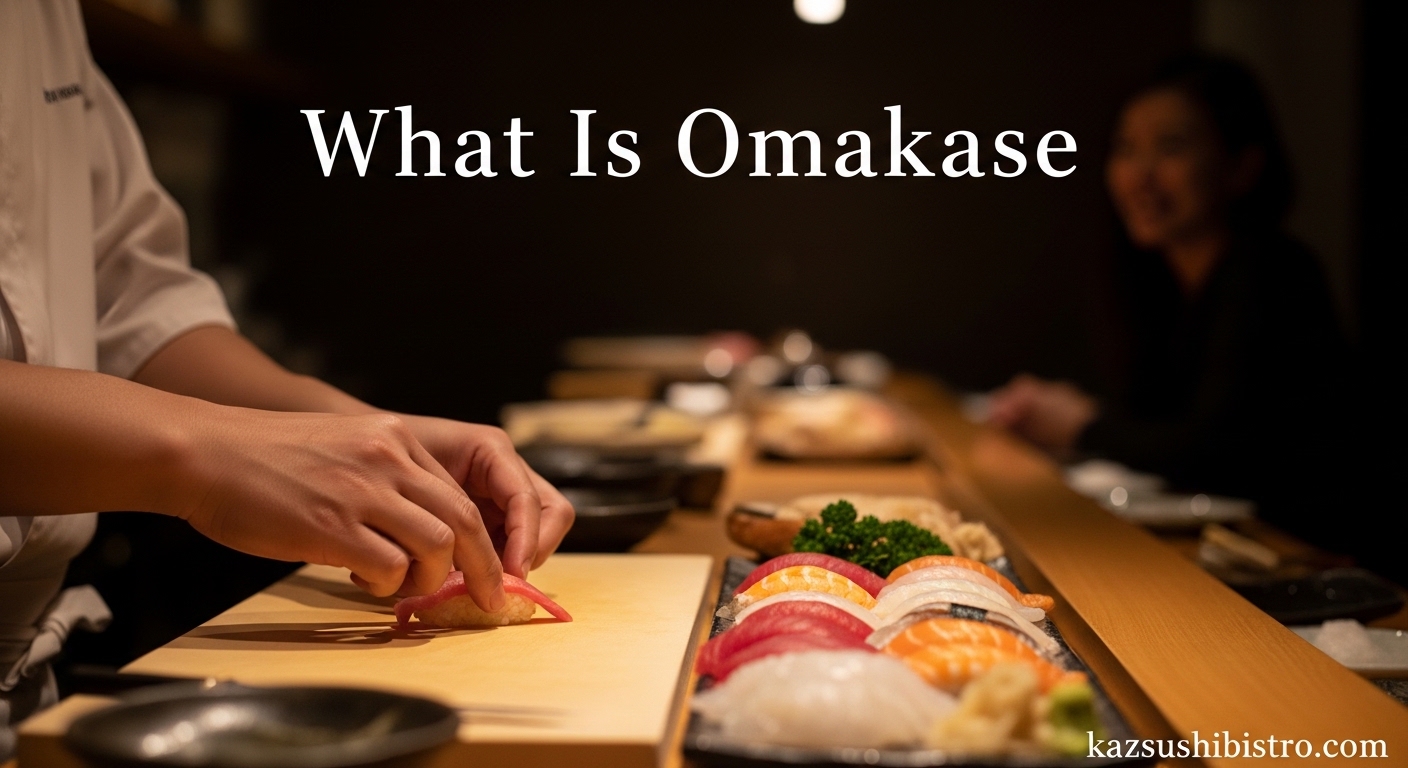
Walking into an omakase restaurant feels different from a typical dining establishment. Most omakase seating takes place at a counter positioned directly in front of the chef’s workspace, not at traditional tables scattered across a dining room. This counter seating creates an intimate theater where you watch the chef’s knife skills, ingredient selection, and artistic plating in real-time.
The magic of omakase lies in the interaction. The chef prepares each piece individually and places it directly in front of you. They explain what you are eating, where it came from, and why they chose it for this moment in your meal. You eat it while it is at peak freshness, often within seconds of preparation.
What makes omakase truly special is the personalization. A skilled chef watches your reactions to each course. If you particularly enjoy a certain type of fish, they might serve you a similar preparation later. If you seem hesitant about a stronger flavor, they might adjust the progression. This dynamic, responsive approach creates a meal that exists nowhere else and will never be replicated exactly the same way again.
The setting typically accommodates only 8 to 12 guests per seating, often with just one or two chefs serving the entire counter. This limited capacity allows for the attention to detail and personal interaction that defines the experience. Some high-end establishments in Tokyo seat as few as six guests.
Course Progression: What to Expect?
A typical omakase meal consists of 15 to 25 courses served over two to three hours. The progression follows a deliberate arc designed to build your palate from light to rich, subtle to complex. Understanding this structure helps you appreciate the chef’s craft and pace yourself appropriately.
The meal typically begins with lighter, more delicate preparations. You might start with a seasonal appetizer (sakizuke) featuring vegetables or a small seafood dish. Early courses often include sashimi featuring white fish, which has a more subtle flavor profile than richer varieties.
The middle section transitions into nigiri sushi, usually beginning with leaner fish like snapper or fluke. As the meal progresses, the chef introduces progressively richer, fattier fish such as yellowtail, salmon, and eventually the prized otoro (fatty tuna). The rice portions often shrink slightly during this phase to let the fish quality shine through.
Between sushi courses, you might receive palate cleansers like pickled ginger (gari) or a small cup of miso soup. Some chefs include a hot dish or two, such as grilled fish or a seasonal tempura item, to provide textural variety.
The final courses typically feature the richest offerings: uni (sea urchin), ikura (salmon roe), and tamago (sweet egg). The tamago serves as a traditional closing dish, its sweetness signaling the end of the savory courses. Many omakase experiences conclude with a seasonal dessert such as matcha ice cream or fresh fruit.
Comparison: Omakase vs Kaiseki vs Regular Sushi
Understanding how omakase differs from other Japanese dining styles helps clarify what you are paying for and experiencing. Here is how these three approaches compare:
| Feature | Omakase | Kaiseki | Regular Sushi |
|---|---|---|---|
| Chef’s Role | Creates personalized menu in real-time based on ingredients and diner | Follows traditional multi-course structure with seasonal themes | Prepares what customer orders from menu |
| Dining Format | Counter seating, piece-by-piece service, 2-3 hours | Table service, formal progression, 2-3 hours | Table or counter, order at your pace, 30-90 minutes |
| Menu | No menu – chef decides completely | Set courses following traditional structure | Full menu with prices and descriptions |
| Interaction | Direct chef-diner conversation throughout | Server-mediated, limited chef interaction | Minimal interaction unless at counter |
| Price Range | $60-$300+ per person | $100-$500+ per person | $15-$60 per person |
| Best For | Sushi lovers, special occasions, adventurous diners | Traditional Japanese culture enthusiasts | Casual dining, specific cravings, groups |
| Primary Focus | Trust relationship, chef’s creativity, peak freshness | Seasonal aesthetics, formal traditions, balance | Convenience, choice, value |
While kaiseki represents the pinnacle of formal Japanese dining arts with elaborate presentation and centuries-old traditions, omakase focuses more on the trust relationship and the chef’s immediate creative decisions. Regular sushi dining prioritizes customer choice and convenience over the curated journey.
Why Omakase Costs More?
The price tag of omakase often surprises first-timers. In major cities, you can expect to pay anywhere from $60 per person at lunch or introductory spots to $300 or more at exclusive establishments. Several factors contribute to these prices:
Premium ingredients: Omakase chefs source the highest-quality fish available, often flying product in directly from Tokyo’s Tsukiji or Toyosu markets multiple times per week. This commitment to peak freshness and rare varieties drives ingredient costs significantly higher than standard restaurant sushi.
Chef expertise: You are not paying for just food – you are compensating for years, often decades, of training. Many omakase chefs trained in Japan for 5 to 10 years before opening their own counters. Their knife skills, timing, and ingredient knowledge represent a level of craft that commands premium pricing.
Labor intensity: Unlike traditional restaurants where chefs batch-prepare components, omakase involves creating each piece individually for each guest. A 10-seat counter serving 20 courses means the chef personally crafts 200 individual servings per night, each requiring full attention.
Limited capacity: Most omakase counters seat 8 to 12 guests per service. This restricted capacity means the restaurant cannot achieve the volume necessary to lower prices. The exclusivity is part of the value proposition.
Omakase Etiquette
Many potential diners feel intimidated by omakase etiquette fears. After researching forums and interviewing chefs, I can assure you that most omakase establishments welcome sincere curiosity over rigid perfection. Still, following these guidelines helps you show respect and get the most from your experience.
Do’s
Eat each piece as soon as the chef places it before you. The rice is shaped and the fish is cut at specific temperatures. Waiting even a minute can compromise the texture and temperature balance the chef intended.
Use your hands for nigiri if you feel comfortable – this is actually the traditional method and shows respect for Japanese customs. If you prefer chopsticks, that is perfectly acceptable too.
Flip the nigiri fish-side down when dipping in soy sauce. This prevents the rice from falling apart and ensures the fish, not the rice, makes contact with the sauce. Many chefs already season pieces with nikiri (sweetened soy) or other sauces, so ask before adding more.
Engage with the chef when they initiate conversation. They appreciate diners who show genuine interest in the ingredients and preparation methods. Simple questions about where a fish came from or how it was aged often spark fascinating explanations.
Don’ts
Never rub your chopsticks together before eating. This implies the chopsticks are cheap or have splinters, which comes across as insulting to the restaurant.
Do not add wasabi to pieces the chef has already seasoned. Good chefs apply the exact amount of wasabi they believe enhances each fish. Adding more masks the subtle flavors and suggests you do not trust their judgment.
Avoid strong perfumes or colognes before your meal. The scent interferes with your ability to smell the fish properly, and many chefs find it distracting in the intimate counter setting.
Do not take phone calls at the counter or spend the meal photographing every piece. The chef has dedicated their full attention to your experience; reciprocate with your presence. A few photos are fine, but prioritize the moment over your camera roll.
First-Timer Preparation Guide
If you have never experienced omakase before, a little preparation eases nerves and helps you focus on enjoying the meal. Here is what our research and personal experience suggest you know before walking in.
What to wear: Most omakase restaurants maintain a smart-casual to business-casual dress code. You do not need a suit, but avoid shorts, flip-flops, or overly casual attire. The setting is intimate and elevated; dress as you would for a nice dinner out.
Communicate dietary restrictions: When making your reservation, mention any allergies, pregnancy (for raw fish concerns), or strong dislikes. Most chefs can accommodate restrictions if they know in advance. Do not spring this information on them when you arrive.
Arrive on time: Omakase services often start at specific times with all guests beginning together. Arriving late throws off the chef’s rhythm and shortens your own experience. Arrive five to ten minutes early to settle in comfortably.
Pace your drinking: If you choose to drink sake or wine, remember you are committing to a two to three hour meal. Starting too strong can dull your palate and make the later courses less enjoyable. Many diners prefer to sip slowly or alternate with water.
Come hungry but not starving: Twenty courses sounds like a lot, but each piece is relatively small. You want to be hungry enough to appreciate each offering, but not so hungry that you eat too quickly or feel uncomfortable by course fifteen.
Is Omakase Worth It?
After spending thousands on omakase meals across multiple cities and price points, I can say with confidence: yes, the experience is worth it for the right person at the right time. Whether it is worth it for you depends on what you value in a dining experience.
If you appreciate culinary craft, want to expand your palate beyond standard salmon and tuna rolls, and enjoy intimate settings where you can learn from experts, omakase delivers exceptional value. The education alone – understanding how different fish taste at peak freshness, learning about seasonal Japanese ingredients, watching master-level knife work – justifies the cost for many diners.
However, if you have specific food preferences, dislike seafood, or prefer to control exactly what you eat, a traditional sushi restaurant or tasting menu might serve you better. Omakase requires surrendering control and trusting the expert completely.
For special occasions – birthdays, anniversaries, or celebrations – omakase creates memories that outlast virtually any other restaurant experience. The combination of exceptional food, personal attention, and the theater of watching a master at work makes for an evening you will talk about for years.
Frequently Asked Questions
What is so special about omakase?
Omakase is special because it creates a unique trust relationship between you and the chef. You receive personalized attention as the chef crafts each piece specifically for you based on your reactions and preferences. The experience combines peak-fresh ingredients, master-level technique, and intimate interaction in a way no other dining format replicates.
Why is omakase more expensive?
Omakase costs more due to premium ingredients flown in from Japan, the chef’s years of specialized training, the labor-intensive nature of creating each piece individually, and limited seating capacity. A chef serving 10 guests 20 courses personally crafts 200 individual pieces per night, each requiring full attention and expertise.
What is the difference between omakase and regular sushi?
With regular sushi, you order from a menu and choose exactly what you want. With omakase, you trust the chef to select and prepare a personalized multi-course meal. Omakase happens at the counter with direct chef interaction, while regular sushi often occurs at tables with minimal interaction. Omakase typically costs $60-$300+ compared to $15-$60 for regular sushi.
How are you supposed to eat omakase?
Eat each piece immediately when the chef places it before you to experience the intended temperature and texture. Use your hands or chopsticks to pick up nigiri, flip it fish-side down when dipping in soy sauce, and avoid adding extra wasabi to pre-seasoned pieces. Engage with the chef when they initiate conversation and pace yourself over the 2-3 hour experience.
Is the omakase experience worth it?
Yes, omakase is worth it for diners who appreciate culinary craft, want to expand their palate, and enjoy intimate, educational dining experiences. The combination of exceptional ingredients, master technique, and personal attention creates memorable experiences ideal for special occasions. However, those with strong food preferences or seafood aversions may prefer traditional dining.
Do you tip 20% at omakase?
Tipping policies vary by location. In Japan, tipping is not customary and may even be considered rude. In the United States, many omakase counters add a service charge automatically to the bill, especially for parties of six or more. If no service charge appears, a 15-20% tip is appreciated for good service. Check your bill carefully before tipping.
What should you not do during omakase?
Avoid rubbing chopsticks together, adding extra wasabi to pre-seasoned pieces, wearing strong perfume that interferes with tasting, taking phone calls at the counter, photographing every piece instead of enjoying the moment, arriving late, or communicating dietary restrictions only upon arrival. These behaviors show disrespect for the chef’s craft and disrupt the intimate atmosphere.
Why is everyone obsessed with omakase?
Diners obsess over omakase because it offers a unique combination of trust, personalization, and exceptional quality unavailable elsewhere. Watching a master chef work inches away while receiving education about ingredients creates genuine excitement. The exclusivity, limited seating, and difficulty securing reservations at top counters add to the appeal. Social media has amplified awareness of these theatrical dining experiences.
Conclusion
Omakase represents far more than an expensive sushi dinner. It embodies a philosophy of trust, seasonal awareness, and master craftsmanship that has defined Japanese culinary culture for generations. Understanding what is omakase means recognizing it as a collaborative performance between chef and diner – one that unfolds differently every single night.
If you have been curious about trying omakase, I encourage you to book a reservation at a well-reviewed counter in your area. Start with a lunch omakase or an introductory evening menu if you want to test the waters before committing to a premium experience. Walk in with an open mind, a hungry stomach, and willingness to surrender control to an expert.
The memories you create during those two to three hours at the counter will outlast nearly any other meal. You will leave with a deeper appreciation for Japanese cuisine, a broader palate, and likely a new favorite chef who remembers your name when you return. In 2026, that experience remains one of the most special opportunities available to adventurous diners.