
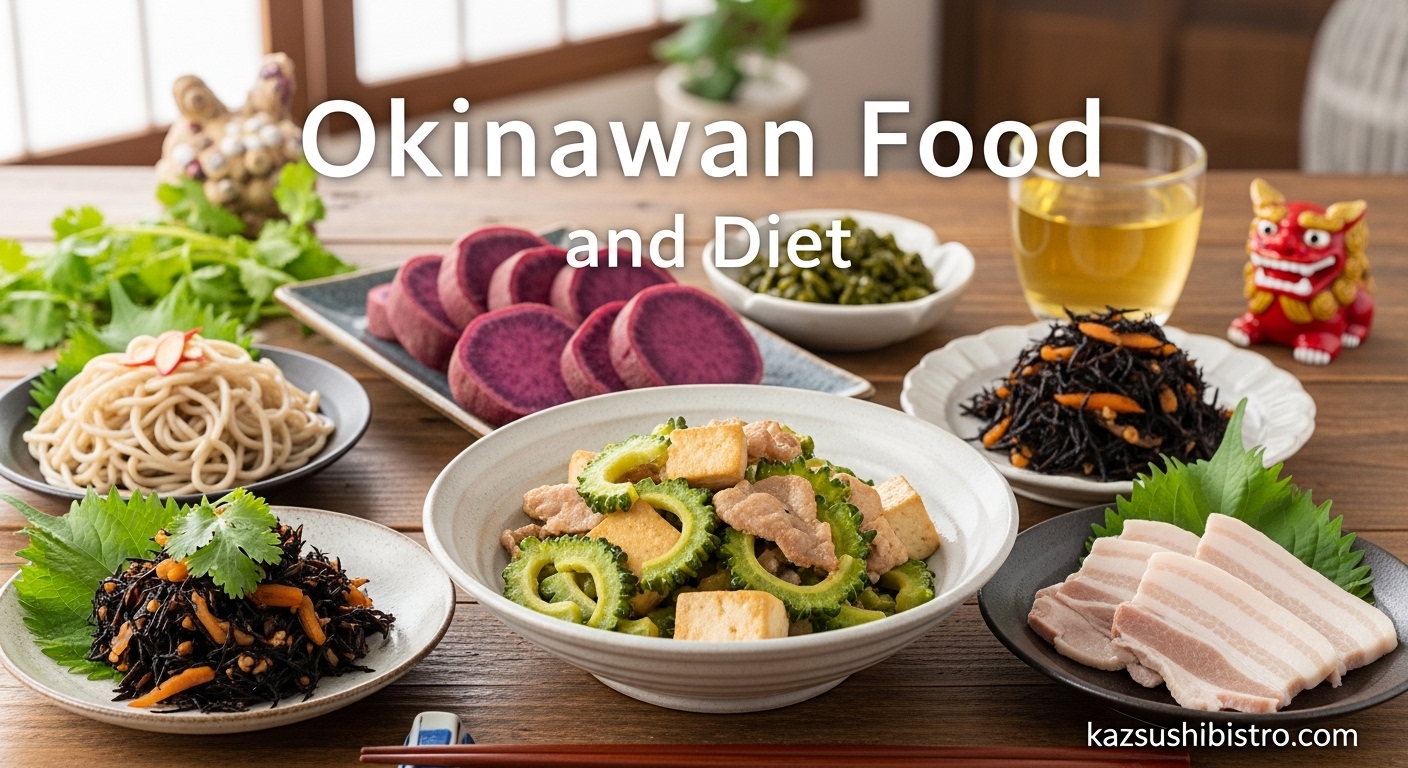
The Okinawan diet is a traditional dietary pattern from Japan’s Okinawa islands, anchored by purple sweet potatoes, green and yellow vegetables, soy-based foods, and the mindful eating practice of stopping at 80% fullness. This eating style has helped Okinawa earn its reputation as one of the world’s five Blue Zones, where residents regularly live past 100 years with remarkable health and vitality.
Okinawan food and diet represents more than just a list of ingredients. It reflects centuries of cultural wisdom, geographic isolation, and practical adaptations that created one of the most nutrient-dense eating patterns on Earth.
In this guide, I will walk you through everything you need to know about this longevity-focused way of eating. You will learn the core principles, essential foods, health benefits, and practical strategies for incorporating Okinawan wisdom into your own meals.
Table of Contents
What is the Okinawan Diet?
The Okinawan diet is a traditional plant-based eating pattern characterized by low calorie density, high nutrient density, and an emphasis on root vegetables, particularly sweet potatoes, as the primary calorie source. Unlike mainland Japanese cuisine where rice dominates, Okinawans traditionally consumed about 85 percent of their calories from complex carbohydrates, 9 percent from protein, and only 6 percent from fat.
This dietary pattern emerged from necessity. Okinawa’s subtropical climate and historical trade connections with China and Southeast Asia shaped a cuisine distinct from mainland Japan. The islands’ isolation meant residents relied on locally grown foods that thrived in the humid, warm environment.
Traditional Okinawan cuisine centers on what researchers call “calorie restriction with optimal nutrition.” The foods are filling yet low in calories, allowing people to eat satisfying portions while naturally limiting total energy intake. Sweet potatoes provide sustained energy without blood sugar spikes. Bitter melon, seaweed, and various greens deliver antioxidants and minerals without excess calories.
The modern Okinawan diet has shifted somewhat due to Western influence, particularly after World War II. Today, younger Okinawans consume more meat, dairy, and processed foods than their grandparents did. This transition correlates with declining health markers, though Okinawa still maintains higher longevity rates than most of Japan and the world.
Understanding the distinction between traditional and modern Okinawan eating helps explain why this diet works. The traditional version emphasizes whole, unprocessed plant foods, mindful portion control, and social connection during meals. These principles remain relevant regardless of geographic location.
Historical Origins of Okinawan Cuisine 2026
Okinawa’s unique food culture developed over centuries of relative isolation, punctuated by strategic trade relationships with China and Southeast Asia. The Ryukyu Kingdom, which ruled Okinawa until 1879, maintained independent trade routes that brought new ingredients while geographic separation preserved distinctive local traditions.
Chinese influence appears prominently in Okinawan cooking techniques and ingredients. Stir-frying, using sesame oil, and incorporating pork (though traditionally in small amounts) all reflect this cultural exchange. Southeast Asian connections introduced turmeric, bitter melon, and various tropical vegetables that became staples of the island diet.
The sweet potato, ironically, arrived relatively late. Portuguese traders introduced this New World crop to Asia in the 1600s, and it eventually reached Okinawa where it thrived in the volcanic soil. Okinawans embraced purple and orange varieties, which became so central to their diet that the traditional greeting “Nankuru naisa” (roughly “everything will be alright”) references having enough sweet potatoes to eat.
Post-war American influence brought significant changes. Military bases introduced Spam, white bread, and fast food. While these items became part of modern Okinawan cuisine, the traditional diet persisted among older generations who maintained their century-long lifespans while younger Okinawans adopting Western eating patterns experienced rising rates of obesity and chronic disease.
Hara Hachi Bu: The 80% Rule That Changed Everything 2026
Hara hachi bu is an Okinawan principle that translates to “eat until you are 80 percent full.” This simple practice may be the most powerful longevity tool in the Okinawan arsenal, extending lifespan through calorie restriction without the deprivation associated with typical dieting.
The practice works by creating a buffer between physical hunger and complete satiety. Okinawans repeat this phrase before meals as a mindful eating reminder. They eat slowly, savoring each bite, and stop when they feel about 80 percent satisfied rather than waiting for the stomach-stretching sensation of fullness.
Scientific research supports this intuitive wisdom. Calorie restriction without malnutrition consistently extends lifespan in animal studies. Human studies on Okinawans show that traditional calorie intake was about 20 percent lower than mainland Japanese diets, correlating with lower rates of heart disease, cancer, and diabetes.
Implementing hara hachi bu requires mindfulness. Try eating without distractions, putting your fork down between bites, and checking in with your body throughout the meal. Many people find it helpful to serve smaller portions initially, knowing they can return for more if truly hungry after finishing.
The 80 percent rule also relates to meal timing. Traditional Okinawans ate their largest meal at midday when digestion is strongest, with lighter evening meals that allow the body to rest and repair overnight. This pattern supports both metabolic health and the natural circadian rhythm.
Okinawan Food and Diet: Essential Foods and Ingredients
Understanding what Okinawans actually eat reveals why this diet promotes longevity. The traditional plate emphasizes plants, with small amounts of fish, pork, and other animal foods consumed occasionally rather than as dietary staples.
Purple and Orange Sweet Potatoes (Imo)
Sweet potatoes, not rice, form the caloric foundation of traditional Okinawan eating. Purple varieties contain anthocyanins, powerful antioxidants that give them their distinctive color and may reduce inflammation and oxidative stress. Orange varieties provide beta-carotene, supporting immune function and eye health.
A typical Okinawan might eat sweet potatoes steamed, roasted, or incorporated into soups and side dishes. The high fiber content promotes satiety while the complex carbohydrates provide steady energy without blood sugar crashes. This root vegetable alone explains much of the diet’s success for weight management and metabolic health.
Bitter Melon (Goya)
Goya, or bitter melon, appears in Okinawan kitchens year-round despite its challenging flavor profile. This cucumber-shaped vegetable contains charantin and polypeptide-p, compounds that may help regulate blood sugar. Its high vitamin C content supports immune function, while various antioxidants contribute to cellular health.
The signature dish goya champuru combines bitter melon with tofu, egg, and sometimes pork in a stir-fry that balances the vegetable’s bitterness with other flavors. Regular consumption of goya correlates with improved glucose metabolism in observational studies.
Soy-Based Foods
Tofu, miso, and natto provide protein while delivering unique phytonutrients called isoflavones. Okinawans consume these foods daily, often in multiple forms within a single meal. The fermentation process used for miso and natto creates beneficial probiotics that support gut health.
Miso soup accompanies most traditional Okinawan meals, providing warmth, umami, and a dose of fermented soy nutrition. The Okinawan preference for firm tofu varieties means less processing and more intact nutrients compared to some commercial soft tofu products.
Seaweed and Sea Vegetables
Surrounded by ocean, Okinawans historically consumed abundant seaweed. Mozuku, a local variety rich in fucoidan, appears in salads and soups. Kombu and wakame provide iodine, essential for thyroid function, along with trace minerals often lacking in land-based vegetables.
The umami flavor from seaweed reduces the need for added salt while satisfying taste receptors. This natural flavor enhancement makes vegetable-heavy meals more appealing without relying on processed seasonings or excessive sodium.
Green and Yellow Vegetables
Hechima (sponge gourd), papaya, carrots, cabbage, and numerous leafy greens fill Okinawan plates with color and nutrients. The emphasis on variety ensures broad-spectrum vitamin and mineral intake. Many vegetables are consumed lightly cooked to preserve nutrients while improving digestibility.
Traditional Okinawan cooking uses minimal oil, typically sesame oil for flavor rather than as a cooking medium. Vegetables are often steamed, boiled in dashi broth, or quickly stir-fried, preserving their natural nutrition while creating satisfying textures.
What Do Okinawans Eat in a Day
A traditional Okinawan day of eating looks quite different from typical Western patterns. Meals are structured around the hara hachi bu principle, with the largest meal consumed when the sun is highest.
Breakfast traditionally consists of miso soup, rice or sweet potato, pickled vegetables, and perhaps a small piece of fish. Green tea flows throughout the morning, providing antioxidants and gentle caffeine without the jitters of coffee.
Lunch represents the main meal, featuring multiple vegetable dishes, tofu, a protein source, and always more tea. A typical spread might include goya champuru, steamed sweet potato, seaweed salad, and a small portion of pork or fish. The variety ensures nutrient diversity while the portions follow the 80 percent rule.
Dinner stays light, often just soup and vegetables. This pattern gives the digestive system a rest overnight and supports the natural circadian rhythm. Okinawans rarely eat late at night, understanding that digestion requires energy better directed toward repair and restoration during sleep.
Snacking is minimal. When Okinawans do snack, they choose whole foods like sweet potatoes, fruits in season, or small amounts of nuts. The absence of processed snack foods eliminates empty calories and stabilizes blood sugar throughout the day.
Health Benefits and Longevity Research
The Okinawan diet’s association with longevity is not anecdotal. Rigorous research supports its benefits for heart health, cancer prevention, cognitive function, and healthy aging. Okinawa consistently ranks among the world’s Blue Zones, regions where residents live significantly longer than average.
Blue Zones Research Findings
The Blue Zones project, led by Dan Buettner and supported by National Geographic, identified Okinawa as one of five longevity hotspots globally. Researchers found that traditional Okinawan dietary patterns correlate with lower rates of heart disease, cancer, and dementia compared to both Japanese and American populations.
Studies from the Okinawa Centenarian Study, ongoing since 1975, reveal that Okinawan elders maintain remarkably low levels of cardiovascular disease risk factors. Their blood pressure, cholesterol profiles, and inflammatory markers typically resemble those of people decades younger.
Reduced Heart Disease Risk
The low fat content, high fiber, and abundant antioxidants in the traditional Okinawan diet create a cardiovascular protective effect. Sweet potatoes provide potassium that helps regulate blood pressure. The minimal processed food consumption eliminates trans fats and excess sodium that damage arterial health.
Research published in 2026 continues to confirm these benefits. Okinawans who maintained traditional eating patterns showed 80 percent lower rates of heart disease compared to Americans of the same age. Even those who adopted some Western foods but retained core principles like hara hachi bu showed protective effects.
Cancer Prevention Studies
The high intake of antioxidant-rich vegetables, particularly the purple sweet potatoes and bitter melon, may explain lower cancer rates in traditional Okinawans. These foods contain compounds that reduce oxidative stress and support cellular repair mechanisms.
Soy foods contribute isoflavones that may protect against hormone-related cancers. The low calorie intake reduces insulin and growth factor levels that can promote tumor development. Population studies consistently show Okinawan cancer rates below Japanese and American averages.
Cognitive Health and Dementia Prevention
Okinawan elders maintain cognitive function longer than populations in most developed nations. The combination of anti-inflammatory foods, steady blood sugar from complex carbohydrates, and omega-3 fatty acids from fish may protect brain health.
The flavonoids in sweet potatoes and other vegetables support brain circulation and may reduce accumulation of damaging proteins associated with Alzheimer’s disease. Social eating practices, another Okinawan tradition, provide mental stimulation that further protects cognitive function.
Weight Management Without Deprivation
Perhaps most appealing to modern readers, the Okinawan approach allows satisfying meals while naturally controlling weight. The high volume of low-calorie vegetables fills the stomach. The fiber content promotes satiety. The hara hachi bu practice prevents overeating without requiring willpower battles against hunger.
This sustainable approach to weight management explains why traditional Okinawans maintained healthy weights throughout life without the yo-yo dieting common in Western countries. The diet becomes a lifestyle rather than a temporary restriction.
Potential Drawbacks and Considerations
No eating pattern is perfect for everyone, and the Okinawan diet has limitations worth considering before adoption. Understanding these drawbacks helps you adapt the principles intelligently to your own needs.
Sodium Concerns from Soy-Based Foods
Miso, soy sauce, and pickled vegetables contribute significant sodium to traditional Okinawan meals. While potassium from vegetables helps offset this effect, individuals with hypertension or kidney disease should monitor sodium intake carefully. Low-sodium miso and reduced-sodium soy sauce provide alternatives.
The traditional diet balances sodium with high potassium intake from sweet potatoes and vegetables. Modern adaptations that remove the vegetables while keeping the soy seasonings create a less healthy pattern. Balance matters more than any single ingredient.
Protein Adequacy for Active Individuals
Traditional Okinawan protein intake sits around 9 percent of calories, lower than the 15-20 percent many nutritionists recommend for active individuals, athletes, or those building muscle. Older adults concerned about sarcopenia may need higher protein than traditional Okinawan levels provide.
Adapting the diet with slightly more fish, tofu, or legumes can address this without abandoning core principles. The goal is finding your personal protein sweet spot while maintaining the diet’s plant-forward emphasis.
Access to Authentic Ingredients Outside Japan
Finding bitter melon, specific seaweed varieties, or purple Okinawan sweet potatoes can challenge those living far from Asian grocery stores. While substitutions exist, the authentic experience requires some ingredient hunting or online ordering.
This limitation actually offers an opportunity. Learning to adapt Okinawan principles with locally available foods develops cooking creativity and makes the diet truly sustainable anywhere. The principles matter more than exact ingredient replication.
Genetics vs. Diet Debate
Some researchers argue that Okinawan longevity stems partly from genetics rather than diet alone. While genetic factors likely contribute, the rapid health decline among Okinawans adopting Western eating patterns strongly suggests environmental factors, particularly diet, play major roles.
The genetics argument often discourages people from dietary changes. However, research on Okinawan immigrants and the diet’s effects on non-Okinawan populations shows benefits regardless of genetic background. Good nutrition helps everyone.
Okinawan Diet vs Mediterranean Diet: A Comparison
The Mediterranean diet often dominates longevity conversations, but Okinawan eating patterns offer distinct advantages worth comparing. Both represent plant-forward, traditional approaches associated with long, healthy lives, yet they differ in meaningful ways.
Macronutrient profiles diverge significantly. The Mediterranean diet derives about 30-40 percent of calories from fat, primarily olive oil, nuts, and fish. The traditional Okinawan diet provides only 6 percent of calories from fat, with sesame oil used sparingly for flavor. Both approaches work, but they suit different metabolisms and preferences.
Protein sources differ as well. Mediterranean eating includes more fish, eggs, dairy, and moderate meat consumption. Traditional Okinawan eating keeps animal foods minimal, relying primarily on soy for protein. Both provide adequate protein for most people, but the Mediterranean approach offers more options for those who struggle with soy or prefer animal protein.
The Mediterranean diet emphasizes wine, olives, and wheat-based foods like pasta and bread. The Okinawan diet centers on sweet potatoes, rice (in smaller amounts than mainland Japan), and tea rather than wine. Neither is superior universally; individual preferences, genetics, and cultural familiarity influence which pattern works better for each person.
Both diets share crucial similarities: abundant vegetables, minimal processed foods, mindful eating practices, and strong social connections around food. These common factors may matter more than the specific foods chosen. Successful long-term adherence depends on enjoying your food, not forcing unfamiliar ingredients.
How to Follow the Okinawan Diet Outside Okinawa
Adopting Okinawan eating principles does not require moving to Japan or finding impossible-to-source ingredients. Smart substitutions and strategic shopping make this longevity diet accessible anywhere.
Ingredient Substitutions Available Globally
Regular orange and purple sweet potatoes work perfectly in place of specific Okinawan varieties. Look for Stokes Purple or Japanese sweet potatoes at well-stocked grocery stores. Regular orange sweet potatoes provide nearly identical nutritional benefits.
Standard bitter melon (karela) available at Asian markets substitutes for Okinawan goya. Regular firm tofu replaces island-specific varieties. Common seaweeds like nori and wakame provide similar nutrition to Okinawan mozuku, though taste and texture differ slightly.
Where to Find Authentic Okinawan Ingredients
Asian grocery stores, particularly those serving Chinese, Japanese, or Southeast Asian communities, stock most ingredients you need. Look in the produce section for bitter melon and sweet potatoes. The tofu and refrigerated sections carry various soy products. Dried seaweed sits in the international aisle.
Online retailers offer harder-to-find items like specific miso varieties or Okinawan turmeric. Amazon and specialty Japanese food sites ship nationwide. Some health food stores now carry bitter melon supplements for those who cannot source the fresh vegetable.
Meal Planning Template
Start your week with a simple template: breakfast includes miso soup, a grain or sweet potato, and vegetables. Lunch becomes your largest meal with multiple vegetable dishes, tofu or fish, and tea. Dinner stays light with soup and salad.
Prepare sweet potatoes in batches at the start of the week. Make a large pot of vegetable soup that lasts several days. Keep cut vegetables ready for quick stir-fries. These preparations remove the friction that leads to unhealthy convenience foods.
Adapting the 80% Rule to Western Eating Habits
Hara hachi bu challenges modern eaters accustomed to large portions and distracted dining. Start by serving meals on smaller plates. Remove serving dishes from the table once everyone has taken their portion. This simple change eliminates the visual cue to keep eating.
Eat without screens or other distractions. Put your fork down between bites. Take a sip of tea after every few mouthfuls. These practices slow consumption and create awareness of satiety signals. After twenty minutes, assess whether you truly need more food.
Frequently Asked Questions About Okinawan Food and Diet
What do Okinawans eat in a day?
A typical day includes miso soup and sweet potatoes for breakfast, a large midday meal with goya champuru, tofu, vegetables, and fish or pork, and a light dinner of soup and vegetables. Green tea accompanies all meals. Snacking is minimal, with whole fruits or sweet potatoes as occasional treats.
How do Okinawans stay so healthy?
Okinawan health stems from multiple factors: a plant-based diet rich in antioxidants, the hara hachi bu practice of eating until 80% full, regular physical activity integrated into daily life, strong social connections, and purpose-driven living. The combination of nutritious food and mindful lifestyle practices creates the longevity effect.
What is the 80 rule in Okinawa?
Hara hachi bu means eating until you are 80 percent full. Okinawans recite this phrase before meals as a reminder to stop eating before feeling completely stuffed. This practice naturally limits calorie intake without hunger or deprivation, contributing to healthy weight maintenance and longevity.
Are there downsides to the Okinawan diet?
Potential drawbacks include high sodium from soy-based foods, lower protein that may not suit very active individuals, difficulty finding authentic ingredients outside Japan, and the discipline required to practice hara hachi bu consistently. Most drawbacks can be addressed through smart substitutions and personalization.
What do Okinawans eat to live longer?
Key longevity foods include purple sweet potatoes (rich in antioxidants), bitter melon (goya), tofu and other soy products, seaweed, green and yellow vegetables, and green tea. These foods provide high nutrition with low calories, supporting cellular health, reducing inflammation, and promoting healthy aging.
Are Okinawans genetically different?
While genetic factors may contribute to Okinawan longevity, research strongly suggests diet and lifestyle play major roles. Okinawans who adopt Western eating patterns experience declining health, while non-Okinawans following traditional Okinawan principles gain health benefits. The rapid health changes across generations indicate environment matters more than genetics.
Conclusion: Embracing Okinawan Wisdom for Your Health
The Okinawan food and diet offers a proven path to longevity without extreme restrictions or complicated rules. By emphasizing sweet potatoes, vegetables, soy foods, and the mindful practice of hara hachi bu, you create a sustainable eating pattern that supports healthy aging.
You do not need to abandon your favorite foods or adopt an entirely foreign cuisine. Start with one principle: perhaps adding more sweet potatoes to your meals, practicing the 80 percent fullness rule, or incorporating more green and yellow vegetables. Small changes compound over time.
The research is clear. Populations following Okinawan dietary principles experience lower rates of heart disease, cancer, and cognitive decline. They maintain healthy weights naturally and enjoy active lives well into their later years. The diet works because it aligns with human biology rather than fighting against it.
Your journey toward Okinawan-inspired health begins with your next meal. Choose plants. Eat mindfully. Stop at 80 percent full. These simple decisions, repeated daily, create the foundation for a longer, healthier life.