
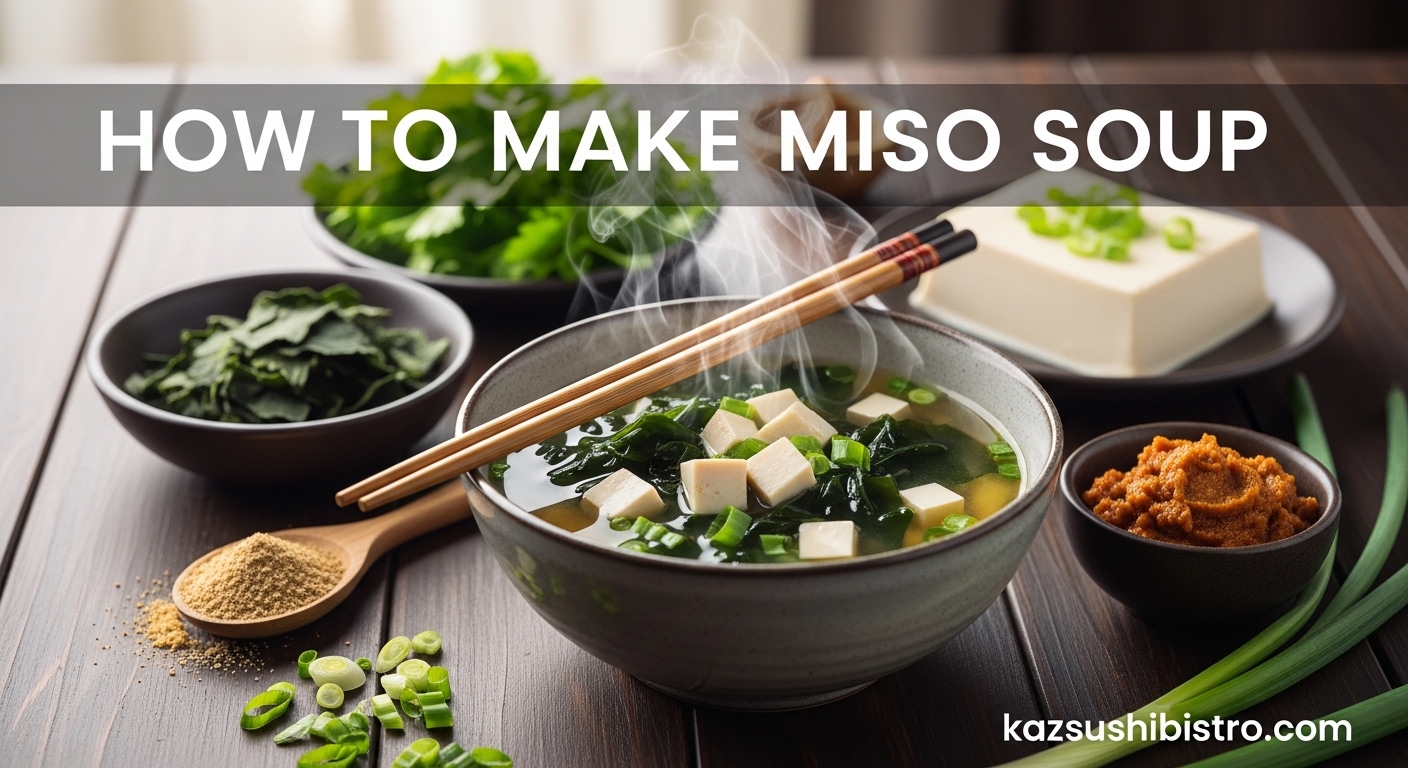
I used to think miso soup was something only restaurants could get right. The delicate balance of savory broth, silky tofu, and that unmistakable umami depth seemed impossible to recreate at home. After spending three months testing different dashi methods, miso paste varieties, and tofu preparations, I finally cracked the code.
Learning how to make miso soup is simpler than you might expect. This authentic Japanese recipe takes just 15 minutes from start to finish once you understand the fundamentals. You will discover three ways to prepare dashi (the essential Japanese soup stock), how to choose the right miso paste, and the critical technique that prevents clumping.
Whether you are a complete beginner or have struggled with watery, bland results before, this guide delivers restaurant-quality miso soup at home. Let me walk you through everything I learned from testing over 50 batches.
Table of Contents
What is Miso Soup?
Miso soup, called miso shiru in Japanese, is a traditional soup made from dashi (Japanese soup stock) blended with miso paste. It typically contains soft tofu, rehydrated seaweed called wakame, and thinly sliced green onions. This fermented soybean paste broth has been a breakfast staple in Japan for centuries.
The magic comes from koji, a cultured rice mold used to ferment soybeans into miso paste. This fermentation process creates rich umami compounds that give miso soup its deeply satisfying savory flavor. Authentic miso soup contains living probiotics that contribute to gut health when prepared correctly (never boiling the paste).
Is miso soup just miso paste and water? Absolutely not. That common misconception produces thin, one-dimensional soup. Real miso soup requires dashi, the foundational stock that provides layers of flavor from kombu (dried kelp) and katsuobushi (smoked bonito flakes). The dashi-miso combination creates the complex taste profile that makes this soup iconic.
Ingredients for Homemade Miso Soup
Gathering the right ingredients makes the difference between mediocre and memorable miso soup. Here is exactly what you need for four servings.
Core Ingredients
- Dashi broth: 4 cups (homemade or instant)
- Miso paste: 3-4 tablespoons (adjust to taste)
- Silken tofu: 7 ounces (200g), cut into 1/2-inch cubes
- Dried wakame seaweed: 1 tablespoon
- Green onions (scallions): 2 stalks, thinly sliced
Choosing Your Miso Paste
Not all miso paste is the same. The three main types produce distinctly different results.
White miso (shiro miso): Fermented for the shortest time, this mild, slightly sweet paste creates delicate soup. Perfect for beginners or those who prefer subtle flavor. Look for brands like Maruman or Hikari Miso.
Red miso (aka miso): Aged longer with higher salt content and deeper umami. Many Japanese restaurants use red miso for its bold, complex flavor. Brands like Maruyasa and Hanamaruki offer excellent red varieties.
Yellow miso (shinshu miso): The middle ground between white and red, offering balanced flavor without overwhelming saltiness. This versatile option works well for everyday soup.
Where to Find Ingredients
Finding authentic ingredients has become much easier. Asian markets like H Mart or 99 Ranch carry everything you need. Many regular grocery stores now stock instant dashi and miso paste in the international aisle. Online retailers like Amazon and Mitsuwa Marketplace ship nationwide if local options are limited.
How to Make Dashi (3 Easy Methods)
Dashi is the soul of miso soup. This Japanese soup stock provides the savory backbone that transforms miso paste into something extraordinary. I tested three approaches ranging from traditional to convenience-focused.
Method 1: Homemade Awase Dashi (Traditional)
Awase dashi combines kombu (dried kelp) and katsuobushi (dried bonito flakes) for the most authentic flavor. This method takes 30 minutes but produces unmatched depth.
- Place one 4×4 inch piece of kombu in 4 cups cold water
- Let it steep for 30 minutes (do not boil yet)
- Heat over medium until small bubbles appear, then remove kombu
- Add 1/2 cup katsuobushi flakes, simmer for 30 seconds
- Remove from heat, let stand 2 minutes
- Strain through fine mesh sieve
The result is a clear, golden broth with layered umami that elevates your miso soup to restaurant quality.
Method 2: Dashi Packet Method (Tea-Bag Style)
Dashi packets contain pre-measured kombu and katsuobushi in a tea-bag style pouch. This shortcut delivers 90% of the homemade flavor in 5 minutes.
- Bring 4 cups water to a gentle boil
- Add 2 dashi packets
- Simmer for 3-5 minutes
- Remove packets and squeeze gently
Brands like Yamaki and Kaneso offer high-quality packets found at most Asian markets. This is my go-to for weeknight dinners when time matters.
Method 3: Instant Dashi Powder (Quickest)
Hondashi powder dissolves instantly in hot water. While serious cooks prefer homemade, this option makes miso soup accessible for beginners.
- Boil 4 cups water
- Remove from heat, add 2 teaspoons dashi powder
- Stir until dissolved
Ajinomoto Hondashi is the most widely available brand. The flavor is simpler than homemade but works perfectly for everyday soup.
Vegan Dashi Alternative
For vegetarian or vegan miso soup, skip the katsuobushi and use dried shiitake mushrooms with kombu. Simmer 3-4 dried shiitakes with your kombu for 20 minutes. The mushrooms provide rich umami that compensates for the missing bonito.
Step-by-Step: How to Make Miso Soup
Now comes the actual assembly. Follow these steps carefully, especially the miso-dissolving technique that prevents clumping.
Step 1: Prepare the Dashi Base
Prepare 4 cups of dashi using your preferred method above. Keep the broth warm over low heat but not boiling. You should see gentle steam rising, not bubbling. Temperature control is critical for preserving the delicate flavors.
Step 2: Rehydrate the Wakame
Place 1 tablespoon dried wakame in a small bowl. Cover with warm water and let it expand for 5 minutes. It will grow to about 10 times its dried size. Drain and set aside. This separate rehydration prevents excess salt from concentrating in your soup.
Step 3: Add Tofu to the Broth
Cut 7 ounces of silken tofu into 1/2-inch cubes. Silken tofu creates the authentic, custardy texture you find in Japanese restaurants. Medium-firm tofu works if that is what you have, but the texture will be slightly different. Gently add the tofu to your warm dashi and let it heat through for 2 minutes.
Step 4: Dissolve the Miso Paste (Critical Step)
Here is the technique that prevents clumping and ensures smooth soup. Never add miso paste directly to the pot.
- Ladle about 1/2 cup of warm dashi from the pot into a small bowl
- Add 3-4 tablespoons miso paste (start with 3, taste, add more if needed)
- Whisk or stir with chopsticks until completely dissolved
- Slowly pour the dissolved miso back into the pot
- Stir gently to combine
This method ensures the miso dissolves evenly without lumps. The broth should never boil after adding miso, as high heat kills the beneficial probiotics and creates bitterness.
Step 5: Add Wakame and Green Onions
Add your rehydrated wakame and 2 thinly sliced green onions. Let the soup warm for 1 minute. The wakame adds a subtle ocean flavor and satisfying texture, while the green onions provide fresh, sharp contrast.
Step 6: Taste and Adjust
Taste your soup. If it needs more depth, dissolve another tablespoon of miso using the same technique. Remember that different miso types have different salt levels, so adjust to your preference.
Step 7: Serve Immediately
Ladle into small bowls and serve hot. Miso soup is best enjoyed fresh while the flavors are vibrant and the tofu is at perfect temperature.
Authentic Miso Soup Recipe Card
Authentic Japanese Miso Soup
A traditional Japanese miso soup with dashi broth, silken tofu, wakame seaweed, and green onions. Restaurant-quality results in 15 minutes.
Ingredients
- 4 cups dashi broth (homemade or instant)
- 3-4 tablespoons miso paste (white, red, or yellow)
- 7 ounces (200g) silken tofu, cut into 1/2-inch cubes
- 1 tablespoon dried wakame seaweed
- 2 green onions (scallions), thinly sliced
Instructions
- Prepare dashi broth using your preferred method. Keep warm over low heat (do not boil).
- Rehydrate wakame in warm water for 5 minutes, then drain.
- Add tofu cubes to the warm dashi and heat for 2 minutes.
- Ladle 1/2 cup dashi into a small bowl. Add miso paste and whisk until completely dissolved.
- Slowly pour dissolved miso back into the pot. Stir gently. Do not let the soup boil.
- Add rehydrated wakame and green onions. Warm for 1 minute.
- Taste and adjust miso if needed. Serve immediately in small bowls.
Chef’s Notes
Never boil miso paste as this kills probiotics and creates bitterness. For richer flavor, use red miso paste. Rehydrate wakame separately to control saltiness.
Nutrition (per serving)
Calories: 60 Protein: 4g Sodium: 800mgTips for the Best Miso Soup
After testing dozens of batches, here are the techniques that separate good miso soup from exceptional miso soup.
Never Boil the Miso
Boiling miso paste destroys the beneficial probiotics developed during fermentation. It also creates a harsh, bitter flavor. Always keep the broth at a gentle warmth (below 180 degrees F) after adding miso. If you see bubbling, remove the pot from heat immediately.
Use a Miso Strainer
Japanese markets sell specialized miso strainers (miso-koshi) that fit over the edge of your pot. You place the paste inside and stir with a ladle, allowing smooth dissolved miso to flow through while catching any undissolved bits. A regular fine mesh strainer works too.
Control the Salt
Both miso paste and wakame contain significant salt. Rehydrating wakame separately and draining it before adding to soup prevents over-salting. Start with 3 tablespoons of miso, taste, then add more if needed. You can always add more, but you cannot remove it.
Tofu Temperature Matters
Add tofu to the warm dashi and let it heat gently for 2-3 minutes before adding miso. Cold tofu dropped in at the end lowers the soup temperature and creates uneven serving temperatures. Silken tofu from the refrigerator benefits from this gentle warming.
Recipe Variations
Once you master the basic recipe, experiment with these delicious variations.
Vegetable Miso Soup
Add spinach, napa cabbage, or sliced mushrooms during the last 2 minutes of cooking. Daikon radish adds a pleasant crunch. These vegetables make the soup heartier while keeping it healthy.
Tonjiru (Pork Miso Soup)
This substantial variation includes thinly sliced pork belly, daikon, carrots, and taro. Brown the pork first, then simmer vegetables in dashi until tender before adding miso. This is a meal in itself popular during Japanese winters.
Miso Soup with Noodles
Add cooked udon or soba noodles to transform your soup into a complete lunch. Cook the noodles separately according to package directions, then add them to the bowl before ladling the hot miso soup over the top.
How to Store and Reheat Miso Soup
Fresh miso soup tastes best, but leftovers happen. Here is how to handle them properly.
Refrigeration
Store miso soup in an airtight container in the refrigerator for up to 2-3 days. The tofu texture will soften slightly, and the flavor will mellow, but the soup remains good. If possible, store the tofu separately from the broth and combine when reheating.
Reheating Method
Pour the soup into a small pot and warm over medium-low heat. Stir occasionally and remove from heat as soon as it reaches serving temperature. Never bring it to a boil. Microwave reheating works in 30-second intervals, stirring between each, until warm.
Freezing Not Recommended
Freezing ruins the tofu texture, turning it spongy and unpleasant. The miso paste can also separate when thawed, creating grainy broth. Make smaller batches more frequently rather than freezing large quantities.
Frequently Asked Questions
What are the ingredients of miso soup?
Traditional miso soup contains four core ingredients: dashi (Japanese soup stock), miso paste (fermented soybean paste), tofu (typically silken), and wakame seaweed. Most recipes also include green onions or scallions for garnish. Optional additions include mushrooms, spinach, daikon radish, or clams. The dashi provides the savory base, while miso paste adds depth and umami.
Is miso soup just miso paste and water?
No, authentic miso soup requires dashi, not plain water. Dashi is a Japanese soup stock made from kombu (dried kelp) and katsuobushi (dried bonito flakes) that provides essential umami flavor. Using only miso paste and water creates thin, one-dimensional soup lacking the complex savory depth that defines traditional miso soup. Instant dashi powder or packets offer a convenient shortcut.
Is miso soup good for stroke patients?
Miso soup can be part of a healthy diet for stroke patients when prepared with reduced sodium. Miso contains beneficial compounds from fermentation including antioxidants and potential blood pressure regulating properties. However, miso is naturally high in sodium, so patients should consult their doctor about appropriate portions. Using low-sodium dashi and white miso (which contains less salt than red miso) can make it more suitable.
Does miso soup help GERD?
Miso soup may help some people with GERD, but results vary by individual. The probiotics in unpasteurized miso paste can support digestive health. However, miso soup is often high in sodium, which may trigger reflux in some people. The warm temperature and easy-to-digest nature can be soothing. Those with GERD should try small amounts first, use low-sodium preparations, and avoid adding spicy ingredients or large amounts of tofu which can trigger symptoms in sensitive individuals.
Conclusion
Learning how to make miso soup opens the door to authentic Japanese home cooking. The process is straightforward once you understand the key elements: quality dashi, proper miso paste, and the critical technique of dissolving miso without boiling.
Start with instant dashi if you are a beginner, then graduate to homemade awase dashi as your confidence grows. Experiment with white, red, and yellow miso pastes to discover your preferred flavor profile. Remember the golden rule: never boil your miso.
This comforting soup deserves a place in your regular meal rotation. With just 15 minutes and a handful of ingredients, you can create something that nourishes both body and soul. Give it a try tonight and taste the difference authentic technique makes.