
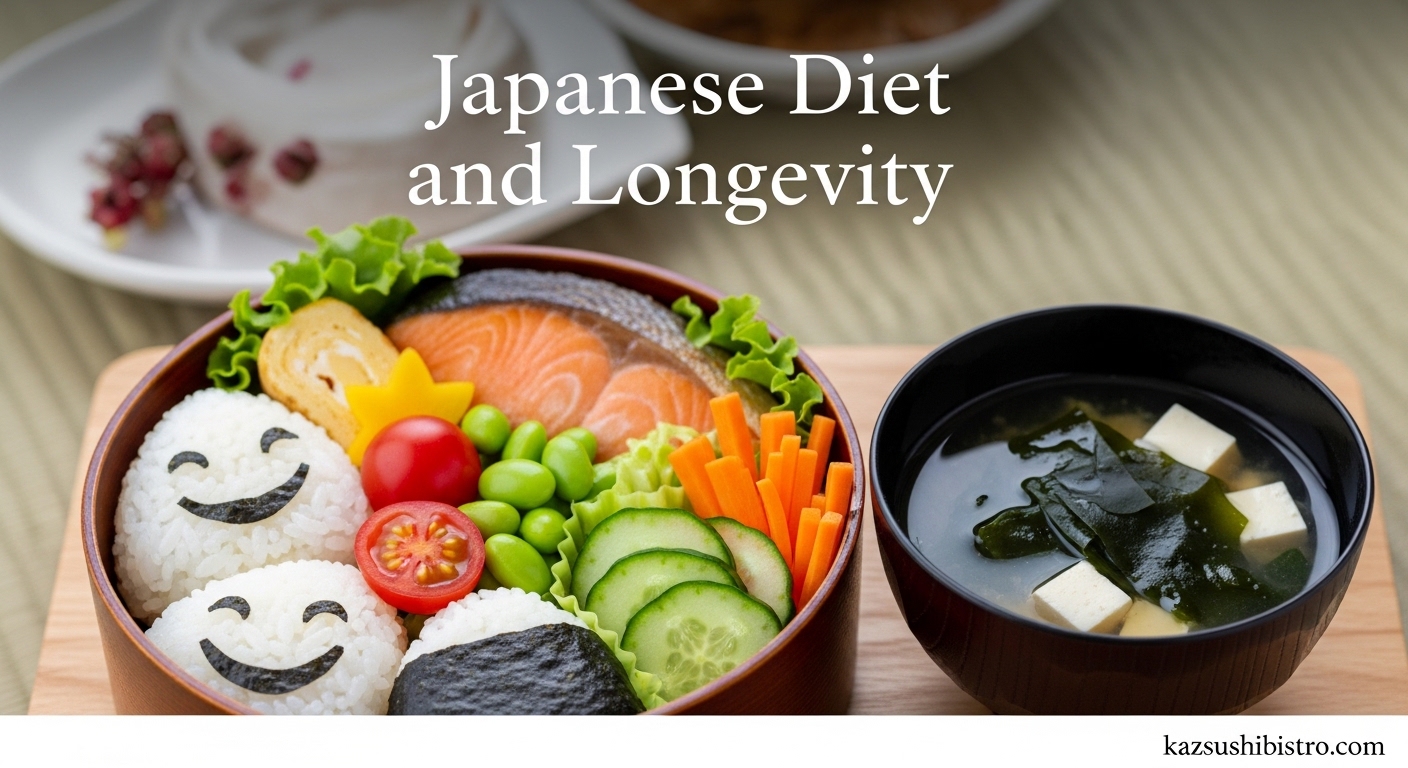
Japan has held the title of the world’s longest-lived population for decades, with an average life expectancy of 84.8 years compared to the global average of 72.6 years. While genetics certainly play a role, researchers increasingly point to the traditional Japanese diet as a major contributor to this longevity miracle. The Japanese diet and longevity connection isn’t just anecdotal—it’s backed by decades of scientific research, population studies, and the remarkable example of Okinawa, one of only five Blue Zones worldwide where people regularly live past 100 with exceptional health.
In this comprehensive guide, I’ll walk you through the key principles, foods, and cultural practices that make the Japanese approach to eating one of the most effective longevity strategies ever documented. Whether you’re looking to add years to your life or simply improve your current health, understanding these time-tested principles can transform how you approach food.
Table of Contents
What Do Japanese Eat for Longevity? Key Diet Components 2026
The traditional Japanese diet, known as Washoku, was designated as an Intangible Cultural Heritage by UNESCO in 2013. This recognition highlighted not just the nutritional value but the cultural wisdom embedded in Japanese eating patterns. At its core, Washoku emphasizes balance, seasonality, and nutritional completeness through a diverse range of whole foods.
Japanese centenarians and long-lived populations consistently consume foods rich in antioxidants, anti-inflammatory compounds, and nutrients that support cellular health. The diet is predominantly plant-based with strategic inclusion of fish and fermented foods, creating a nutritional profile that modern science now recognizes as optimal for longevity.
The 10 Staple Foods of Japanese Longevity
Research into Japanese dietary patterns reveals ten staple foods that appear consistently in the meals of long-lived populations:
Rice (especially brown rice) – Provides complex carbohydrates and fiber. Unlike refined grains, traditional Japanese preparations often use partially polished or brown rice, retaining more nutrients and having a lower glycemic impact.
Fish and seafood – Consumed 2-3 times daily in traditional Japanese homes. Rich in omega-3 fatty acids, high-quality protein, and vitamin D. Small, oily fish like sardines and mackerel are particularly valued for their nutrient density.
Soy products (tofu, edamame, natto) – A cornerstone of Japanese protein intake. These provide isoflavones that may help protect against hormone-related cancers and support cardiovascular health. Natto, a fermented soybean product, contains unique enzymes that support blood health.
Seaweed (nori, wakame, kombu) – Extremely low in calories but packed with iodine, minerals, and unique antioxidants like fucoxanthin. Japanese consume over 20 varieties regularly, contributing to their exceptional mineral intake.
Vegetables (especially leafy greens and cruciferous) – Traditional Japanese meals feature 4-5 different vegetables per meal, often served in small portions across multiple dishes. This variety ensures broad phytonutrient intake.
Miso – A fermented soybean paste used in soups and marinades. Contains probiotics that support gut health and compounds that may reduce cancer risk. The fermentation process also creates umami flavor without excess sodium.
Green tea (especially matcha) – Consumed throughout the day, providing high levels of catechins—antioxidants that protect against cellular damage and support metabolic health. Matcha provides concentrated benefits since the whole leaf is consumed.
Sweet potatoes (particularly purple Okinawan varieties) – Were the primary calorie source in traditional Okinawa. Rich in complex carbohydrates, fiber, and antioxidants that support blood sugar stability.
Tsukemono (pickled vegetables) – Fermented pickles that provide probiotics, aid digestion, and add flavor without calories. The fermentation process increases nutrient bioavailability.
Mushrooms (shiitake, maitake, enoki) – Used extensively for their immune-modulating compounds, umami flavor, and low-calorie density. Shiitake mushrooms specifically contain lentinan, a compound studied for its immune benefits.
The Fermented Food Foundation
One distinguishing feature of Japanese longevity eating is the emphasis on fermented foods. Unlike Western diets where fermentation is limited to yogurt and cheese, Japanese cuisine incorporates fermentation across food categories. Miso, natto, soy sauce, rice vinegar, and pickles are daily staples, providing beneficial bacteria that support gut health, nutrient absorption, and immune function.
The gut microbiome connection to longevity is increasingly well-established. Studies show that the diversity of gut bacteria in Japanese populations differs significantly from Western populations, with higher levels of bacteria capable of digesting complex carbohydrates and producing beneficial compounds. This “fermented food foundation” may explain part of the metabolic advantages observed in Japanese populations.
Original vs Modern Japanese Diet: A Macronutrient Comparison (September 2026)
Understanding how the Japanese diet has evolved helps explain both its traditional benefits and modern challenges. While Japan maintains relatively high life expectancy, there’s concern that Westernization of the diet may be eroding some longevity advantages.
| Macronutrient | Traditional Japanese Diet (1950s-1970s) | Modern Japanese Diet (2020s) | Western Diet (Average) |
|---|---|---|---|
| Carbohydrates | 65-70% (mostly complex) | 55-60% (more refined) | 45-50% (highly processed) |
| Protein | 12-15% (mostly fish/soy) | 15-18% (more meat) | 15-20% (mostly meat/dairy) |
| Fat | 15-18% (low saturated) | 25-30% (higher saturated) | 35-40% (high saturated) |
| Daily Calories | 1,800-2,000 kcal | 2,200-2,500 kcal | 2,400-2,800 kcal |
| Fiber | 25-30g | 15-18g | 12-15g |
| Sodium | High (from soy sauce, miso) | Very high (processed foods) | Very high (processed foods) |
| Omega-3 fatty acids | High (daily fish) | Moderate (less frequent fish) | Low (minimal fish) |
| Fermented foods | Daily consumption | Weekly or less | Rare |
The traditional Japanese diet was remarkably low in calories by modern standards, averaging around 1,900 calories daily while providing exceptional nutrient density. This caloric moderation, combined with high nutrient intake, created optimal conditions for longevity. The modern Japanese diet, while still healthier than typical Western patterns, shows concerning shifts toward higher fat intake, more processed foods, and reduced fish consumption.
Research from the National Center for Global Health and Medicine in Tokyo found that Japanese adults who maintained traditional dietary patterns had 25% lower risk of cardiovascular disease compared to those following Westernized patterns. This protective effect was most pronounced in the Okinawan population, where traditional eating patterns persisted longest.
The Okinawa Diet: Secrets from a Blue Zone
Okinawa, a group of islands in southern Japan, represents one of the most compelling case studies for diet-based longevity. With the highest density of centenarians in the world—approximately 68 per 100,000 residents compared to 20 per 100,000 in mainland Japan—Okinawa has been designated a Blue Zone by researchers studying exceptional longevity.
The traditional Okinawa diet differs somewhat from mainland Japanese eating patterns, though both share core principles. Historically, Okinawans consumed even fewer calories than mainland Japanese while maintaining exceptional nutrient density. Their traditional saying “Nuchi gusui” (food is medicine) reflects the deep connection between diet and health in Okinawan culture.
The 10 Staples of the Okinawa Longevity Diet
Researchers studying Okinawan centenarians identified ten staple foods that formed the foundation of traditional eating:
1. Purple sweet potatoes (beni imo) – Made up 67% of traditional Okinawan calories. Rich in anthocyanins (antioxidants), fiber, and complex carbohydrates with low glycemic impact. The purple pigment contains compounds that protect against inflammation and oxidative stress.
2. Bitter melon (goya) – A staple vegetable with compounds that help regulate blood sugar. Contains charantin and polypeptide-p, which have insulin-like effects. Regular consumption may help explain Okinawa’s low diabetes rates despite genetic predisposition.
3. Tofu – Consumed daily, providing plant-based protein and isoflavones. Okinawan tofu is traditionally firmer and more nutrient-dense than mainland varieties.
4. Brown rice – The preferred grain, providing more fiber and nutrients than white rice. Often mixed with grains like millet and barley.
5. Shiitake mushrooms – Used for immune support and umami flavor. Contains lentinan, a beta-glucan studied for its anti-cancer properties.
6. Seaweed (mozuku, wakame, kombu) – Provides iodine, fucoidan (a compound with anti-inflammatory properties), and trace minerals. Okinawans consume more seaweed than mainland Japanese.
7. Turmeric (ukon) – Used extensively in Okinawan cooking and as tea. Contains curcumin, a powerful anti-inflammatory compound that may protect against cognitive decline and heart disease.
8. Green tea (sanpin-cha) – A jasmine-infused green tea consumed throughout the day. Provides catechins and L-theanine, which support calm alertness and metabolic health.
9. Miso – Fermented soybean paste used in soups and sauces. Provides probiotics and compounds that may reduce cancer and stroke risk.
10. Heirloom vegetables – Traditional varieties of carrots, cabbage, and leafy greens with higher antioxidant content than modern commercial varieties.
Caloric Restriction Without Hunger
A key factor in Okinawan longevity is what researchers call “caloric restriction without malnutrition.” Traditional Okinawan diets provided only 1,800 calories daily for adults, yet delivered exceptional nutrient density. This was achieved through high consumption of low-calorie, nutrient-dense foods like sweet potatoes and vegetables, combined with the practice of hara hachi bu—eating until 80% full.
Scientific studies support this approach. The Okinawa Centenarian Study, which followed 2,000 centenarians and their families for over 40 years, found that maintaining a low-calorie, nutrient-dense diet was the strongest predictor of longevity, stronger even than genetic factors. Participants who maintained traditional eating patterns lived an average of 6 years longer than those who adopted modern diets.
Cultural Eating Practices That Promote Longevity
Beyond the specific foods consumed, Japanese culture embeds practices that naturally support healthy eating and longevity. These cultural frameworks create an environment where healthy choices become default behaviors rather than conscious struggles.
Hara Hachi Bu: The 80% Rule
Hara hachi bu is a Confucian teaching practiced in Okinawa and throughout Japan, instructing people to eat until they are 80% full rather than 100% full. This simple practice naturally creates caloric restriction without the need for counting calories or measuring portions.
The science behind hara hachi bu aligns with modern research on caloric restriction and longevity. Studies consistently show that moderate caloric restriction (without malnutrition) extends lifespan across species and reduces risk factors for age-related diseases in humans. The practice also allows time for satiety signals to reach the brain—something that takes approximately 20 minutes.
Implementing hara hachi bu involves:
Eating slowly and mindfully, chewing thoroughly, and putting down chopsticks between bites.
Stopping when you no longer feel hungry, rather than when you feel full. This requires attention to subtle body signals.
Using smaller plates and bowls, which naturally limit portions without feeling restrictive.
Serving multiple small dishes rather than one large plate, which creates visual satisfaction with less food.
Shokuiku: Food Education from Childhood
Shokuiku (食育), which translates to “food education,” is a Japanese government initiative that began in 2005 and became legally mandated in 2018. This program integrates nutrition education into school curricula, teaching children not just what to eat but how to appreciate food, understand its origins, and develop lifelong healthy habits.
The program includes hands-on experiences: children grow vegetables in school gardens, participate in cooking classes, and learn about traditional food culture. School lunches (kyushoku) are designed by nutritionists and serve as teaching tools, introducing children to diverse foods and balanced meals. This early exposure creates palate preferences and habits that persist into adulthood.
Research shows that Japanese children have more diverse diets and better nutritional knowledge than children in many other developed nations. This foundation may contribute to Japan’s lower rates of childhood obesity and the persistence of healthy eating patterns into adulthood.
The Five Colors, Five Flavors Principle
Traditional Japanese meal planning follows the concept of “gomi, goshoku, goho”—five tastes, five colors, five methods. A properly balanced meal includes:
Five colors: red/orange (tomatoes, carrots), green (leafy vegetables), yellow (squash, egg), white (tofu, rice), and black/purple (seaweed, mushrooms). Each color represents different phytonutrients and antioxidants.
Five tastes: sweet, salty, sour, bitter, and umami. This variety ensures balanced nutrient intake and creates satisfaction that reduces cravings.
Five cooking methods: raw, simmering, grilling, steaming, and frying (in small amounts). This variety preserves different nutrients and creates textural interest.
This framework naturally creates nutritionally complete meals without requiring detailed nutritional knowledge. By following these principles, home cooks intuitively assemble meals that provide broad nutrient coverage.
Social Connection and Ikigai
Japanese meals are fundamentally social experiences. The concept of “ittadakimasu” (I humbly receive) said before eating reflects gratitude not just for the food but for all who contributed to its production. Family meals remain common in Japan, with research showing that regular family dining correlates with better nutritional outcomes.
Connected to eating culture is ikigai—a sense of purpose or reason for living. While not directly a dietary practice, ikigai influences how Japanese people approach food and life. Having clear purpose is associated with lower stress hormones, better metabolic health, and reduced emotional eating. The combination of purposeful living and mindful eating creates a holistic approach to longevity that goes beyond nutrition alone.
Health Benefits Backed by Scientific Research
The Japanese diet and longevity connection isn’t merely observational—it’s supported by extensive scientific research spanning decades. Studies published in journals including The Lancet, Nature, and BMJ have documented specific health outcomes associated with traditional Japanese dietary patterns.
Cardiovascular Disease Prevention
Japan has one of the lowest rates of heart disease in the developed world. While the country had high stroke rates in the 1960s (partially due to high sodium intake), aggressive public health campaigns and dietary modifications reduced stroke incidence by over 80% between 1965 and 2020.
The traditional Japanese diet supports cardiovascular health through multiple mechanisms. High omega-3 intake from fish reduces inflammation and supports healthy cholesterol profiles. Soy isoflavones may help maintain healthy blood vessels. The high potassium content from vegetables and seaweed helps counterbalance sodium effects on blood pressure. Antioxidant compounds from green tea and vegetables protect against oxidative damage to arteries.
A 2021 meta-analysis published in the Journal of the American Heart Association found that adherence to a traditional Japanese dietary pattern was associated with 20-30% lower risk of cardiovascular disease compared to Western dietary patterns. The protective effect was strongest for stroke prevention, where risk reduction reached 35%.
Cancer Risk Reduction
Japan has lower rates of several common cancers compared to Western countries, including breast, prostate, and colon cancer. The traditional diet’s high intake of soy isoflavones, cruciferous vegetables, and green tea compounds may contribute to this protection.
Soy isoflavones have been extensively studied for their potential to reduce hormone-related cancers. While research remains ongoing, population studies consistently show that Japanese women with high traditional soy consumption have lower breast cancer rates. Similarly, prostate cancer rates in Japan are approximately one-third those in the United States.
Green tea catechins, particularly EGCG (epigallocatechin gallate), have demonstrated anti-cancer properties in laboratory studies. Population research shows that Japanese adults who drink 5+ cups of green tea daily have 20-30% lower risk of several cancer types compared to those who drink less than one cup daily.
Metabolic Health and Diabetes Prevention
Despite genetic predisposition to type 2 diabetes, Japan maintains lower diabetes rates than many Western countries. The traditional diet’s emphasis on complex carbohydrates, high fiber, and caloric moderation supports healthy blood sugar regulation.
The low glycemic index of traditional Japanese carbohydrates—brown rice, sweet potatoes, and vegetables—creates gradual blood sugar rises rather than spikes. High fiber intake slows digestion and improves insulin sensitivity. Fermented foods may positively influence gut bacteria that affect glucose metabolism.
Research from the University of Tokyo found that Japanese adults following traditional dietary patterns had 40% lower risk of developing metabolic syndrome compared to those following Westernized diets. This protective effect persisted even after adjusting for age, physical activity, and smoking status.
Cognitive Function and Brain Health
Japan has lower rates of Alzheimer’s disease and cognitive decline than many Western populations. The traditional diet’s high fish consumption provides DHA, an omega-3 fatty acid critical for brain structure and function. Green tea compounds may protect against neurodegeneration. The anti-inflammatory nature of the diet reduces brain inflammation associated with cognitive decline.
The Okinawa study specifically found that centenarians who maintained traditional eating patterns showed better cognitive function than expected for their age. Blood markers of inflammation and oxidative stress were lower in traditional diet adherents, suggesting the diet protects brain tissue from age-related damage.
How to Adopt Japanese Diet Principles in Your Life
Transitioning to a Japanese-inspired eating pattern doesn’t require moving to Japan or completely abandoning your current diet. The principles are adaptable to any cuisine and can be implemented gradually. Here’s how to start incorporating these longevity-promoting practices.
Start with Hara Hachi Bu
The easiest entry point is practicing eating until 80% full. Begin by using smaller plates and bowls, which naturally limit portions. Eat slowly, putting down utensils between bites, and check in with your hunger levels throughout the meal. Stop when you feel satisfied but could still eat more. This practice alone can reduce caloric intake by 15-20% without hunger.
Add Fermented Foods Gradually
If fermented foods are new to your diet, start with familiar options like miso soup (available at most Asian markets) or naturally fermented pickles. Add one fermented food daily, gradually increasing variety. Your gut bacteria will adapt over 2-4 weeks, and you’ll likely find yourself craving these foods as your microbiome changes.
Increase Vegetable Variety
Rather than just eating more vegetables, focus on eating more kinds of vegetables. Aim for 5 different colors daily. Include sea vegetables if accessible—nori sheets for sushi are widely available and easy to incorporate. Try Japanese vegetables like daikon, bok choy, and shiitake mushrooms, which are increasingly available in mainstream grocery stores.
Prioritize Quality Over Quantity
Japanese cuisine emphasizes small portions of high-quality ingredients. Instead of large servings of average-quality protein, serve smaller portions of higher-quality fish or tofu. This approach is often budget-neutral since you’re buying less quantity, and it naturally reduces saturated fat intake while increasing nutrient density.
Finding Japanese Ingredients
Many traditional Japanese ingredients are now widely available:
Miso paste – Found in refrigerated sections of most grocery stores. Look for unpasteurized versions for probiotic benefits.
Tofu – Widely available; choose firm or extra-firm for cooking. Refrigerated fresh tofu has better texture than shelf-stable versions.
Nori – Available at grocery stores and online. Can be used for sushi rolls or cut into strips for rice bowls and salads.
Green tea – Matcha and sencha are available at specialty stores and online. Look for ceremonial grade matcha for drinking, culinary grade for cooking.
Soy sauce – Choose traditionally brewed (not chemically processed) versions. Reduced sodium options are available.
For harder-to-find items like natto, specialty Asian markets or online retailers are your best options. Many traditional ingredients can also be purchased in bulk online at reasonable prices.
Budget-Friendly Approaches
The traditional Japanese diet can actually be quite economical. Focus on affordable staples: brown rice, seasonal vegetables, eggs, tofu, and small amounts of fish. Frozen vegetables are nutritionally similar to fresh and reduce waste. Dried seaweed is inexpensive and stores well. Making your own miso soup costs pennies per serving compared to buying prepared versions.
Potential Downsides and Considerations
While the Japanese diet offers numerous benefits, a balanced view requires acknowledging potential limitations and challenges. Understanding these helps you adapt the diet appropriately for your needs.
Sodium Concerns
Traditional Japanese cuisine can be high in sodium due to soy sauce, miso, and pickled foods. For individuals with hypertension or salt sensitivity, this requires attention. Solutions include using reduced-sodium soy sauce, limiting miso to one serving daily, and increasing potassium-rich foods (vegetables, seaweed) to counterbalance sodium effects. Modern Japanese health guidelines specifically address sodium reduction while maintaining traditional flavors.
Acquired Tastes
Some traditional foods, particularly natto (fermented soybeans with a strong flavor and sticky texture), are acquired tastes even for many Japanese people. Don’t force yourself to eat foods you dislike—focus on options you enjoy. There are plenty of other fermented and soy-based options that don’t require acquiring challenging flavors.
Accessibility Challenges
Outside Japan, finding authentic ingredients can be challenging depending on your location. While major cities typically have Asian markets, rural areas may have limited options. Online retailers can fill gaps, though shipping costs may increase overall food expenses. Focus on available ingredients that fit the principles rather than exact replication.
Modern Japanese Diet Shifts
It’s worth noting that modern Japanese eating patterns are shifting toward Western styles, particularly among younger generations. Fast food consumption has increased, traditional meals are less common, and obesity rates—while still low globally—are rising. The longevity benefits documented in research primarily reflect traditional patterns, not necessarily what average Japanese people eat today.
Individual Variation
As with any dietary approach, individual needs vary. People with specific health conditions, allergies, or dietary restrictions should adapt principles accordingly. For example, those with soy allergies cannot follow the soy-heavy traditional approach but can still benefit from other principles like high vegetable intake, fermented foods, and caloric moderation.
Frequently Asked Questions
What do Japanese eat for longevity?
Japanese centenarians and long-lived populations eat a diet rich in plant-based whole foods, fish, fermented soy products, seaweed, green tea, and seasonal vegetables. Key foods include rice (often brown), tofu, miso, natto, shiitake mushrooms, various seaweeds, sweet potatoes (especially in Okinawa), and green tea. The diet emphasizes variety, with traditional meals featuring 5-7 different foods at each meal.
What is the 80% rule in Japan?
The 80% rule, known as hara hachi bu in Japanese, is a traditional practice of eating until you are 80% full rather than 100% full. This Confucian teaching originated in Okinawa and naturally creates caloric restriction without hunger. The practice allows time for satiety signals to reach the brain (which takes about 20 minutes) and is associated with lower rates of obesity and longer lifespan in Japanese populations.
Why is Japanese life expectancy so high?
Japanese life expectancy is high due to multiple factors: the traditional diet rich in antioxidants and anti-inflammatory foods, cultural eating practices like hara hachi bu (eating until 80% full), universal healthcare access, active lifestyles, strong social connections, and low obesity rates. The diet specifically provides protection against cardiovascular disease, stroke, and certain cancers. Japan has an average life expectancy of 84.8 years compared to the global average of 72.6 years.
Do Okinawans really live longer?
Yes, Okinawans do live longer than the general population. Okinawa has the highest density of centenarians in the world, with approximately 68 centenarians per 100,000 residents compared to 20 per 100,000 in mainland Japan. The Okinawa Centenarian Study, which has followed 2,000 centenarians for over 40 years, confirms that Okinawans not only live longer but maintain better health and cognitive function into old age. Their longevity is attributed to the traditional Okinawa diet, caloric moderation, and strong social community.
What is the 10 staple of the Okinawa longevity diet?
The 10 staples of the traditional Okinawa longevity diet are: (1) Purple sweet potatoes (beni imo), which historically provided 67% of calories, (2) Bitter melon (goya), (3) Tofu, (4) Brown rice, (5) Shiitake mushrooms, (6) Seaweed (mozuku, wakame, kombu), (7) Turmeric (ukon), (8) Green tea (sanpin-cha), (9) Miso, and (10) Heirloom vegetables. These foods are nutrient-dense, low in calories, and rich in compounds that support metabolic health and reduce inflammation.
Are there downsides to the Okinawan diet?
Potential downsides include high sodium content from soy sauce, miso, and pickled foods, which can concern those with hypertension. Some traditional foods like natto have strong flavors that require acquiring. Accessing authentic ingredients can be difficult outside Japan. Additionally, the traditional diet is lower in protein than Western diets, which may not suit highly active individuals or those with higher protein needs. Modern Okinawans also face challenges as younger generations shift toward Westernized eating patterns.
What is the absolute best diet for longevity?
No single diet is universally best, but research consistently shows that traditional Japanese, Mediterranean, and certain plant-rich dietary patterns promote longevity. The best diet for you depends on genetics, cultural preferences, food access, and health conditions. The Japanese diet excels in providing omega-3 fatty acids, antioxidants, and fermented foods while practicing caloric moderation. The Mediterranean diet offers similar benefits with olive oil and different cultural foods. Both emphasize whole foods, vegetables, and moderation over restriction.
What ethnicity has the longest longevity?
Japanese people, particularly Okinawans, have the longest longevity globally, with an average life expectancy of 84.8 years. Japan has held the top position for life expectancy for decades. Within Japan, Okinawans stand out with the highest centenarian density. Other long-lived populations include those in Mediterranean regions (Blue Zones in Sardinia, Italy), Seventh-day Adventists in California, and Costa Ricans in the Nicoya Peninsula. These populations share common factors: plant-rich diets, strong social connections, regular physical activity, and sense of purpose.
What is the 5 minute rule in Japan?
The 5-minute rule in Japan refers to punctuality and respect for others’ time—being 5 minutes early is considered on time. While not directly related to diet, this cultural value reflects the broader Japanese approach to discipline and mindfulness that extends to eating practices. In food contexts, some Japanese cooking techniques also use timing principles, but the 5-minute rule is primarily about social punctuality rather than dietary practice.
What do Okinawans eat to live longer?
Okinawans traditionally eat a low-calorie, nutrient-dense diet centered on purple sweet potatoes (which historically provided two-thirds of calories), bitter melon, tofu, seaweed, green tea, turmeric, shiitake mushrooms, brown rice, miso, and various vegetables. They practice hara hachi bu (eating until 80% full), consuming approximately 1,800 calories daily. The diet is rich in antioxidants, fiber, and anti-inflammatory compounds while being low in saturated fat and processed foods. This eating pattern, combined with active lifestyles and strong community connections, contributes to their exceptional longevity.
Conclusion
The Japanese diet and longevity connection offers valuable lessons for anyone seeking to improve their health and potentially extend their lifespan. This isn’t about following a rigid set of rules or abandoning your cultural food heritage. Instead, it’s about adopting principles that have been proven effective across decades of research: eating predominantly plant-based whole foods, incorporating fermented foods daily, practicing caloric moderation through mindful eating, and prioritizing variety and quality over quantity.
The evidence from Okinawa and mainland Japan demonstrates that these practices work. With an average life expectancy of 84.8 years and some of the world’s lowest rates of heart disease and certain cancers, Japanese longevity represents one of the best-documented success stories in nutritional science. The good news is that these benefits are accessible—start with simple changes like practicing hara hachi bu, adding more vegetables, or incorporating green tea into your daily routine.
Remember that longevity isn’t just about adding years to your life, but adding life to your years. The Japanese approach, with its emphasis on mindful eating, social connection, and finding purpose (ikigai), offers a holistic framework for healthy aging that nourishes both body and spirit. In 2026, as we face rising rates of chronic disease and obesity globally, the wisdom embedded in traditional Japanese eating may be more relevant than ever.