
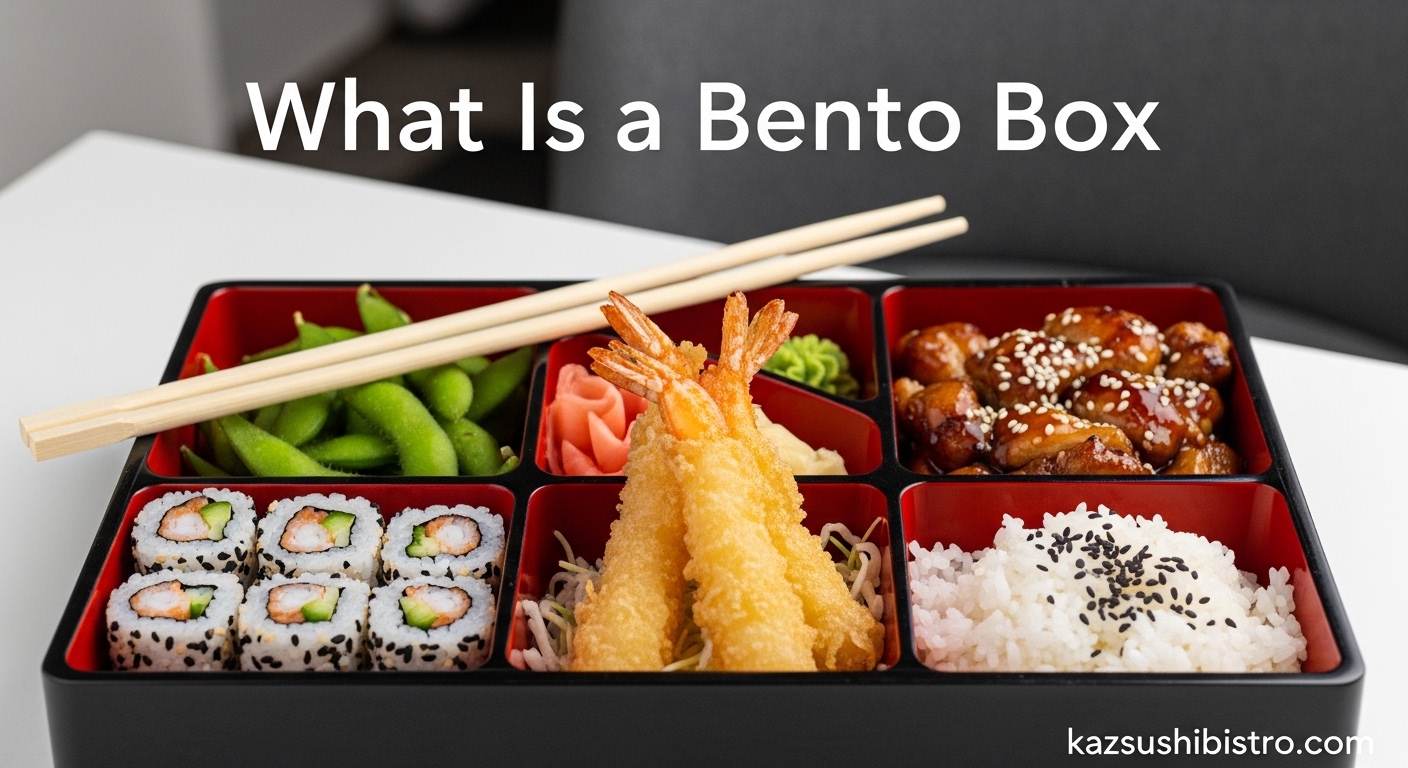
A bento box is a traditional Japanese single-portion meal packed in a compartmentalized container, designed for convenient on-the-go consumption while maintaining nutritional balance and aesthetic presentation. The word “bento” comes from the Chinese term “biandang,” which translates to “convenient” or “convenience.” For over 1,200 years, this portable meal format has served as both practical nourishment and an expression of culinary artistry in Japanese culture.
I first discovered bento boxes during a trip to Japan, where I watched office workers pull out meticulously arranged lunches from simple containers. What struck me wasn’t just the food, it was the care visible in every placement. A single meal could tell a story about seasonality, regional ingredients, and the person who prepared it. That experience changed how I think about packed lunches entirely.
This comprehensive guide will walk you through everything you need to know about bento boxes. You will learn the historical origins dating back to the Kamakura Period, the nutritional principles that guide traditional packing, the various types of bento enjoyed across Japan today, and practical steps for creating your own balanced meals. Whether you are a curious food enthusiast, a parent looking for healthy lunch ideas, or someone seeking better meal prep solutions, this guide covers it all.
Table of Contents
What Is a Bento Box? Definition and Core Concepts 2026
A bento box is fundamentally a compartmentalized container designed to hold a single complete meal, typically consisting of rice or noodles as the base, a protein source, vegetables, and a small portion of fruit or pickles. The defining characteristic is the physical separation of components, which prevents flavors from mixing while creating a visually balanced presentation. Unlike standard lunch containers, bento boxes follow specific principles of proportion, color harmony, and nutritional balance that have evolved over centuries of Japanese culinary tradition.
Etymology: The Meaning Behind ‘Bento’
The term “bento” derives from the Chinese Southern Song Dynasty word “biandang,” meaning “convenient.” This name entered Japanese vocabulary during the Kamakura Period and perfectly describes the portable, ready-to-eat nature of these meals. The word emphasizes the practical purpose: a complete, balanced meal that requires no additional preparation before eating.
In modern Japanese, the word is written as 弁当, combining characters that suggest “complete” and “meal.” This etymology reveals the core philosophy behind bento culture. A proper bento is not random leftovers stuffed in a container. It is a thoughtfully composed meal that stands complete on its own, nutritionally balanced and ready to enjoy anywhere.
Physical Characteristics and Design
Bento boxes come in various materials including BPA-free plastic, stainless steel, aluminum, wood, and glass, each offering different benefits for food storage and temperature retention. Traditional wooden bento boxes, often lacquered with urushi, provide natural antibacterial properties and develop a beautiful patina over time. Modern plastic containers offer microwave-safe convenience and dishwasher-friendly cleaning.
The compartmentalized design is essential to bento function. Most boxes feature two to five sections that separate wet from dry foods, strong flavors from mild ones, and hot items from cold. This separation maintains food quality during transport and allows each component to be enjoyed distinctly. The total volume typically ranges from 450ml for children to 800ml or more for adults with larger appetites.
Bento Box vs Regular Lunch Box: Understanding the Difference
The difference between a bento box and a regular lunch box extends far beyond aesthetics or country of origin. While a standard lunch container simply holds food, a bento box embodies a philosophy of balanced nutrition, thoughtful presentation, and mindful eating. This distinction matters for anyone seeking more than just basic meal storage.
| Feature | Bento Box | Regular Lunch Box |
|---|---|---|
| Philosophy | Balanced, aesthetic meal composition | Food storage and transport |
| Compartments | Fixed or adjustable sections for separation | Usually single compartment or basic divider |
| Portion Control | Built-in through container size and ratios | No built-in guidelines |
| Visual Design | Color balance and presentation matter | Function over appearance |
| Nutritional Balance | Follows 4-3-2-1 or ichi-juu-san-sai principles | No nutritional framework |
| Cultural Context | Rooted in Japanese tradition over 1,200 years | No specific cultural tradition |
The Rich History of Bento Boxes: From Samurai to Modern Office Workers
The history of bento boxes stretches back nearly 1,200 years, evolving from simple dried rice balls carried by travelers to the diverse, artistic meals enjoyed globally in 2026. This evolution reflects broader changes in Japanese society, from feudal warrior culture to modern urban convenience.
Kamakura Period (1185-1333): The Origins of Portable Meals
The earliest forms of bento emerged during the Kamakura Period, when dried rice called hoshi-ii became popular among travelers, samurai, and farmers working far from home. These practical meals required no heating and could be carried for days without spoiling. The concept of packing a complete, portable meal took root during this era of frequent military campaigns and pilgrimage travel.
Samurai warriors particularly valued portable meals during extended military campaigns. They needed nutrition that traveled well, required minimal preparation, and provided sustained energy. The early bento format met these needs perfectly, establishing the foundation for centuries of portable meal culture.
Edo Period (1603-1868): The Golden Age of Bento Culture
The Edo Period marked the true flourishing of bento culture in Japan. During this time of prolonged peace and economic growth, elaborate leisure activities like hanami (cherry blossom viewing) and kabuki theater became popular. Bento evolved from purely practical meals into social and aesthetic experiences. The lacquered wooden bento box appeared during this era, elevating the presentation of packed meals to an art form.
Makunouchi bento, meaning “between acts,” became famous during this period. Theatergoers enjoyed these elaborate meals during intermissions, establishing the connection between entertainment and bento that persists today. The presentation became increasingly sophisticated, with seasonal ingredients arranged to reflect nature and current events.
Tea ceremonies also influenced bento development during this time. The attention to seasonal ingredients, visual harmony, and mindful consumption that characterize tea culture seeped into bento preparation. This philosophical influence elevated bento from simple nourishment to an expression of aesthetic sensibility.
20th Century to 2026: Modern Evolution and Global Spread
The 20th century brought dramatic changes to bento culture. Aluminum boxes gained popularity after World War II due to their durability and low cost. The 1980s saw the rise of microwave-safe plastic containers, making reheating convenient for office workers. In 2026, bento culture has spread globally, with enthusiasts from San Francisco to Sydney embracing the balanced, sustainable approach to packed meals.
Convenience stores throughout Japan now sell millions of bento boxes daily, making balanced meals accessible to everyone regardless of cooking skill or time constraints. This accessibility has paradoxically reinforced the cultural value of homemade bento, which remains a deeply personal expression of care and attention. The coexistence of artisanal and convenient bento options defines the modern landscape.
What Goes in a Bento Box? Components, Ratios, and Nutritional Balance
Traditional bento contents follow established nutritional principles that ensure balanced meals without requiring advanced dietary knowledge. Understanding these components and ratios helps anyone create satisfying, healthy lunches regardless of culinary expertise.
The Four Core Components of a Balanced Bento
Every traditional bento contains four essential food groups working together to create a complete, satisfying meal. The base component is rice or another starch, providing carbohydrates for energy. This foundation typically occupies the largest compartment or section of the container. White rice remains traditional, though brown rice, quinoa, and noodles appear in modern variations.
Protein forms the second major component, traditionally fish, chicken, or eggs prepared in various styles. Grilled salmon, teriyaki chicken, tamagoyaki (Japanese omelet), and fried tofu represent common protein choices. The preparation method matters as much as the protein source, with techniques that preserve moisture and flavor at room temperature being preferred.
Vegetables provide color, texture, and essential nutrients to the bento. Blanched spinach, simmered root vegetables, and quick-pickled cucumbers appear frequently. The variety of colors is important, with traditional bento aiming for five distinct colors: red, green, yellow, white, and black or brown. This visual diversity indicates nutritional diversity as well.
Fruits or pickles complete the meal, adding acidity, sweetness, or digestive benefits. Umeboshi (pickled plum) serves both practical and symbolic purposes, with its red color representing the Japanese flag when placed atop white rice in a hinomaru bento. Fresh fruit like strawberries or oranges provides a sweet finish to the meal.
The 4-3-2-1 Rule: A Practical Ratio for Perfect Bentos
The 4-3-2-1 rule provides a simple framework for portioning bento contents without weighing or measuring. This ratio allocates 4 parts carbohydrates, 3 parts protein, 2 parts vegetables, and 1 part fruit or pickles. Applied to a typical 600ml bento box, this translates to roughly 240ml rice, 180ml protein, 120ml vegetables, and 60ml fruit or pickles.
This ratio evolved from traditional Japanese nutritional wisdom and aligns surprisingly well with modern dietary guidelines. The emphasis on vegetables and moderate protein, combined with controlled carbohydrate portions, creates meals that satisfy hunger without excess calories. I have used this ratio for hundreds of lunches, and it consistently produces satisfying, balanced meals that keep me energized through the afternoon.
Ichi-Juu-San-Sai: The Traditional Japanese Guideline
Ichi-juu-san-sai translates to “one soup, three sides” and represents the traditional Japanese approach to meal composition. In bento preparation, this principle guides the selection of accompaniments to rice. The “three sides” typically include a protein dish, a vegetable dish, and a pickled or small side dish.
This guideline emphasizes variety over quantity. Three small, distinct preparations offer more nutritional and sensory satisfaction than one large portion of a single dish. The principle also encourages moderation, with each component sized appropriately for a complete but not excessive meal. Modern bento makers adapt this guideline flexibly, sometimes including the soup in a separate thermos for hot meals.
Types of Bento Boxes: From Train Stations to Character Art
Japanese bento culture encompasses numerous distinct styles, each with specific purposes, audiences, and preparation techniques. Understanding these types helps you choose the right approach for different occasions and appreciate the diversity within bento tradition.
Ekiben: Regional Specialties at Train Stations
Ekiben, short for “eki bento” or station bento, represents one of Japan’s most beloved culinary traditions. These regional specialty bentos are sold at train stations throughout Japan, allowing travelers to sample local cuisine while journeying across the country. Each region offers unique ekiben featuring local seafood, mountain vegetables, or specialty rice preparations.
The ekiben tradition began in the late 19th century when Japan’s railway network expanded, connecting distant regions. Station vendors began offering meals that reflected local ingredients and cooking styles, creating edible souvenirs of regional culture. Today, ekiben enthusiasts plan train trips specifically to collect and compare offerings from different stations, with some rare varieties selling out within minutes of arrival.
Kyaraben: Character Bento as Edible Art
Kyaraben, short for “character bento,” transforms lunch into playful edible sculptures depicting cartoon characters, animals, or scenes. Parents create these artistic bentos primarily for young children, turning mealtime into an exciting experience that encourages healthy eating. The practice requires considerable skill in shaping rice, cutting vegetables, and arranging components to create recognizable figures.
The kyaraben movement gained international attention through social media, where elaborate creations featuring characters from Studio Ghibli films, Pokemon, and Sanrio properties accumulate millions of views. While professional-looking kyaraben can seem intimidating, many parents start simple, gradually developing skills over years of daily practice. The effort communicates love and care, making the meal emotionally satisfying regardless of artistic perfection.
Hinomaru Bento: Symbolism on Rice
Hinomaru bento features a single umeboshi (pickled plum) placed in the center of white rice, creating the appearance of the Japanese flag, known as the hinomaru or “circle of the sun.” This simple, iconic design carries historical and cultural significance beyond its visual simplicity. The umeboshi serves practical purposes as well, adding a sour contrast to the meal and acting as a natural preservative.
During World War II, this bento style carried nationalist associations, but today it represents a return to simplicity and traditional values. Modern hinomaru bento often includes side dishes alongside the symbolic rice, creating a complete meal while maintaining the classic visual element. The style reminds us that bento need not be elaborate to be meaningful and satisfying.
Koraku Bento: Picnic Meals for Groups
Koraku bento refers to large, shared bento boxes designed for group outings, picnics, and hanami (cherry blossom viewing) gatherings. These substantial meals feed multiple people and feature generous portions of rice, fried chicken, meatballs, tamagoyaki, and various side dishes arranged in large, often multi-tiered containers.
The koraku style emphasizes the social dimension of bento culture. Sharing a meal outdoors during cherry blossom season or autumn leaf viewing represents a quintessential Japanese experience. The food is designed for easy division among participants and includes items that taste good at outdoor temperatures. These gatherings strengthen family and community bonds through shared culinary experience.
Konbini Bento: Convenience Store Evolution
Konbini bento sold at Japanese convenience stores represent the modern, accessible face of bento culture. Available 24 hours daily, these pre-made meals offer surprising quality and variety at affordable prices. Major chains rotate seasonal offerings and regional specialties, making konbini bento a legitimate way to experience Japanese cuisine without cooking skills.
The quality of konbini bento has improved dramatically over the past two decades. Modern refrigeration technology, sophisticated supply chains, and intense competition between chains have elevated these convenience meals to respectable dining options. For visitors to Japan, trying various konbini bento provides an affordable introduction to Japanese flavors and meal composition principles.
Aisai Bento: Love Expressed Through Food
Aisai bento, meaning “loving wife bento,” represents perhaps the most emotionally significant type of Japanese packed meal. These bentos are prepared by wives, mothers, or partners specifically for their loved ones. The preparation involves not just cooking but careful consideration of the recipient’s preferences, nutritional needs, and even the day ahead.
Japanese workplace culture traditionally views the bento as a visible symbol of domestic harmony. Colleagues might admire or gently tease each other based on their bento contents, creating subtle social pressure that motivates careful preparation. While modern gender roles have reduced some of this pressure, the aisai bento remains a meaningful way to express care and support within families.
Cultural Significance and Philosophy Behind Bento
Bento culture extends far beyond practical meal preparation into deep philosophical and aesthetic territory. Understanding this cultural context enriches the experience of both preparing and eating bento, transforming a simple lunch into a meaningful practice.
Japanese Aesthetics and the Art of Presentation
The visual presentation of bento reflects core Japanese aesthetic principles including balance, seasonal awareness, and appreciation for imperfection. Every element in a traditional bento serves both gustatory and visual purposes. Colors are balanced to create harmony, with red, green, yellow, white, and black or brown elements distributed thoughtfully throughout the container.
Seasonality plays a crucial role in bento aesthetics. Spring bentos feature cherry blossom viewing themes and seasonal vegetables like bamboo shoots. Summer bentos emphasize cooling foods and vibrant colors. Autumn brings mushroom and chestnut preparations, while winter bento often includes warming, preserved ingredients. This connection to the natural calendar keeps bento makers attuned to the changing world.
Social and Familial Connections Through Food
Bento preparation and sharing creates and reinforces social bonds across Japanese society. The mother preparing her child’s school bento, the wife packing her husband’s work lunch, the adult child bringing a special bento to visit elderly parents, each scenario represents relationships expressed through food. The care visible in a well-made bento communicates emotions that might otherwise go unspoken.
Workplace bento culture deserves particular attention. Eating together from bento boxes creates informal social time among colleagues, fostering relationships that improve professional collaboration. The practice of comparing bento contents, sharing small items, and commenting on preparations builds camaraderie. This social dimension makes the bento more than nutrition, it becomes a tool for community building.
Global Adoption in 2026: Bento Beyond Japan
In 2026, bento culture has spread far beyond Japan, influencing meal prep practices worldwide. Health-conscious individuals appreciate the built-in portion control. Environmental advocates value the reduction in single-use packaging. Parents find that compartmentalized containers help introduce variety to picky eaters. Instagram users share artistic arrangements that inspire others to elevate their lunch game.
The global bento movement has also adapted the tradition to local ingredients and dietary preferences. Vegan bento featuring tofu, tempeh, and abundant vegetables has gained significant following. Keto and low-carb variations replace rice with cauliflower rice or additional vegetables. Gluten-free bento avoid soy sauce and wheat-based products. These adaptations demonstrate the flexibility of bento principles across dietary boundaries.
How to Pack a Bento Box: A Step-by-Step Guide for Beginners 2026
Packing your first bento can feel intimidating, but following a systematic process makes it manageable and enjoyable. These steps, refined through years of daily practice, will guide you from empty container to satisfying meal.
Step 1: Choose the Right Container for Your Needs
Select a bento box size appropriate for your appetite and meal timing. Adults with standard appetites typically need 600-800ml capacity, while children or lighter eaters may prefer 450-550ml. Consider your eating environment as well. Office workers with access to microwaves might choose microwave-safe containers, while those eating outdoors might prioritize insulated options.
Material selection affects both function and experience. Plastic boxes offer lightweight convenience and easy cleaning. Stainless steel provides durability and temperature retention but cannot be microwaved. Wooden boxes offer natural antibacterial properties and beautiful aesthetics but require careful maintenance. Many beginners start with inexpensive plastic containers before investing in higher-end options.
Step 2: Plan Your Components Using the 4-3-2-1 Rule
Before cooking, sketch a simple plan of your four components following the 4-3-2-1 ratio. For a 600ml bento, target approximately 240ml of rice or starch, 180ml of protein, 120ml of vegetables, and 60ml of fruit or pickles. This planning prevents the common mistake of over-preparing one category while neglecting others.
Consider color balance during planning as well. Aim to include at least three different colors among your components. If your protein is brown teriyaki chicken and your starch is white rice, add green vegetables and red fruit or pickles for visual appeal. This color variety usually indicates nutritional variety as well.
Step 3: Pack Bulky Items First, Fill Gaps Last
The packing order significantly affects how well your bento comes together. Start with the bulkiest, most stable items, typically your rice or main starch. Press it gently to create a solid base that won’t shift during transport. Next add your protein, placing it to create visual balance within the container.
Fill gaps between larger items with smaller components like cherry tomatoes, rolled omelet pieces, or bite-sized vegetables. Silicone cups or dividers help separate wet from dry foods and prevent strong flavors from overwhelming milder items. Leave small spaces between components for visual appeal and practical handling.
Step 4: Temperature Considerations and Storage
Traditional Japanese bento is designed to be eaten at room temperature, but modern preferences sometimes require temperature management. If packing hot items, let them cool to lukewarm before sealing the container. Trapped steam makes food soggy and creates condensation that degrades quality.
Refrigerate your completed bento if not eating within two hours, especially in warm weather. If refrigeration isn’t available, include an ice pack or choose foods that handle room temperature safely. Avoid mayonnaise-based dishes, raw fish, or dairy products unless you can maintain proper cold temperatures. Most properly prepared bento stays fresh for 4-6 hours at moderate room temperature.
Frequently Asked Questions About Bento Boxes
What is so special about bento boxes?
Bento boxes are special because they combine practical nutrition with cultural artistry. The compartmentalized design keeps foods separate and fresh, while built-in portion ratios encourage balanced eating. Beyond function, bento represents a philosophy of mindful meal preparation that values visual presentation, seasonal ingredients, and expressing care through food. This combination of health benefits, environmental sustainability through reusable containers, and emotional connection makes bento unique among meal formats.
What is the difference between a bento box and a lunch box?
The difference lies in philosophy and design. A regular lunch box simply stores food, while a bento box follows specific principles of balance, presentation, and portion control. Bento boxes feature compartmentalized designs that separate food types and include built-in ratios like the 4-3-2-1 rule for nutritional balance. Additionally, bento culture emphasizes aesthetic arrangement and mindful composition, whereas regular lunch packing typically prioritizes convenience over presentation or nutritional frameworks.
What is typically put in a bento box?
A typical bento contains four core components: rice or starch as the base, a protein source like grilled fish or chicken, vegetables for nutrients and color, and fruit or pickles for variety and digestion. Traditional bentos follow the ichi-juu-san-sai principle of one soup and three sides, while modern versions might include noodles, sandwiches, or international dishes. Common specific items include salmon, tamagoyaki (rolled omelet), pickled vegetables, edamame, and seasonal fruits arranged to create visual balance and nutritional completeness.
What does bento literally mean?
The word bento comes from the Chinese Southern Song Dynasty term biandang, which translates to convenient or convenience. In Japanese, it is written with characters suggesting complete meal. The etymology perfectly describes the practical purpose: a complete, balanced, ready-to-eat meal requiring no additional preparation. The term entered Japanese vocabulary during the Kamakura Period (1185-1333) and has described portable single-portion meals for over 1,200 years.
What is the 4 3 2 1 bento rule?
The 4-3-2-1 rule is a practical portion framework for balanced bento packing. It allocates 4 parts carbohydrates (rice or noodles), 3 parts protein (fish, meat, tofu, or eggs), 2 parts vegetables, and 1 part fruit or pickles. For a standard 600ml bento box, this translates to roughly 240ml starch, 180ml protein, 120ml vegetables, and 60ml fruit. This ratio ensures nutritional balance, appropriate calorie distribution, and satisfying meals without requiring weighing or complex calculations.
What are some common bento box mistakes?
Common mistakes include packing food while too hot, which creates steam and sogginess, neglecting the color balance that makes meals visually appealing and nutritionally diverse, overpacking one component while skimping on others, using wet preparations that leak or make other items soggy, and forgetting to let rice cool before packing. Other errors include packing foods with strong odors in enclosed spaces, using ingredients that don’t hold up at room temperature, and attempting overly complex designs as a beginner instead of starting simple and building skills gradually.
What is the bento box rule?
The bento box rule refers to several guiding principles for proper bento preparation. The most fundamental is ichi-juu-san-sai, meaning one soup and three sides, ensuring meal variety. The 4-3-2-1 ratio provides portion guidance. The five-color rule encourages visual and nutritional diversity. Additionally, practical rules include letting food cool before sealing, keeping wet and dry items separate, using seasonal ingredients, and packing bulkiest items first. These rules work together to create meals that are balanced, visually appealing, and maintain quality during transport.
What are 10 foods often found in bento?
Ten common bento foods are: 1) White or brown rice as the staple base, 2) Grilled salmon or other fish for protein, 3) Tamagoyaki (Japanese rolled omelet), 4) Chicken teriyaki or karaage (fried chicken), 5) Pickled vegetables like cucumber or daikon, 6) Umeboshi (pickled plum), 7) Edamame or green beans, 8) Seasonal vegetables such as spinach or carrots, 9) Sausages or meatballs for protein variety, and 10) Cherry tomatoes or seasonal fruit for color and nutrition. These items combine to create balanced, visually appealing meals that travel well at room temperature.
Conclusion: What Is a Bento Box and Why It Matters
What is a bento box? It is far more than a compartmentalized container for lunch. It represents centuries of Japanese culinary wisdom combining nutrition, aesthetics, and practicality into a single portable meal. From its origins with samurai warriors in the Kamakura Period to its modern global popularity in 2026, the bento has maintained its core identity as a complete, balanced, and convenient meal that can be enjoyed anywhere.
The true value of bento culture lies not in achieving perfect presentations or following rigid rules, but in the mindful attention it brings to daily nourishment. Whether you pack simple onigiri and pickles or elaborate multi-component meals, the practice encourages consideration of balance, seasonality, and care for yourself or those you feed. This intentionality transforms an ordinary lunch into something meaningful.
I encourage you to try making your first bento using the 4-3-2-1 ratio and basic components described in this guide. Start simple, focus on balance over beauty, and let your skills develop naturally over time. The satisfaction of opening a carefully prepared bento at midday, whether at your desk or under cherry blossoms, connects you to a tradition spanning over 1,200 years. That connection, as much as the food itself, is what makes bento special.