
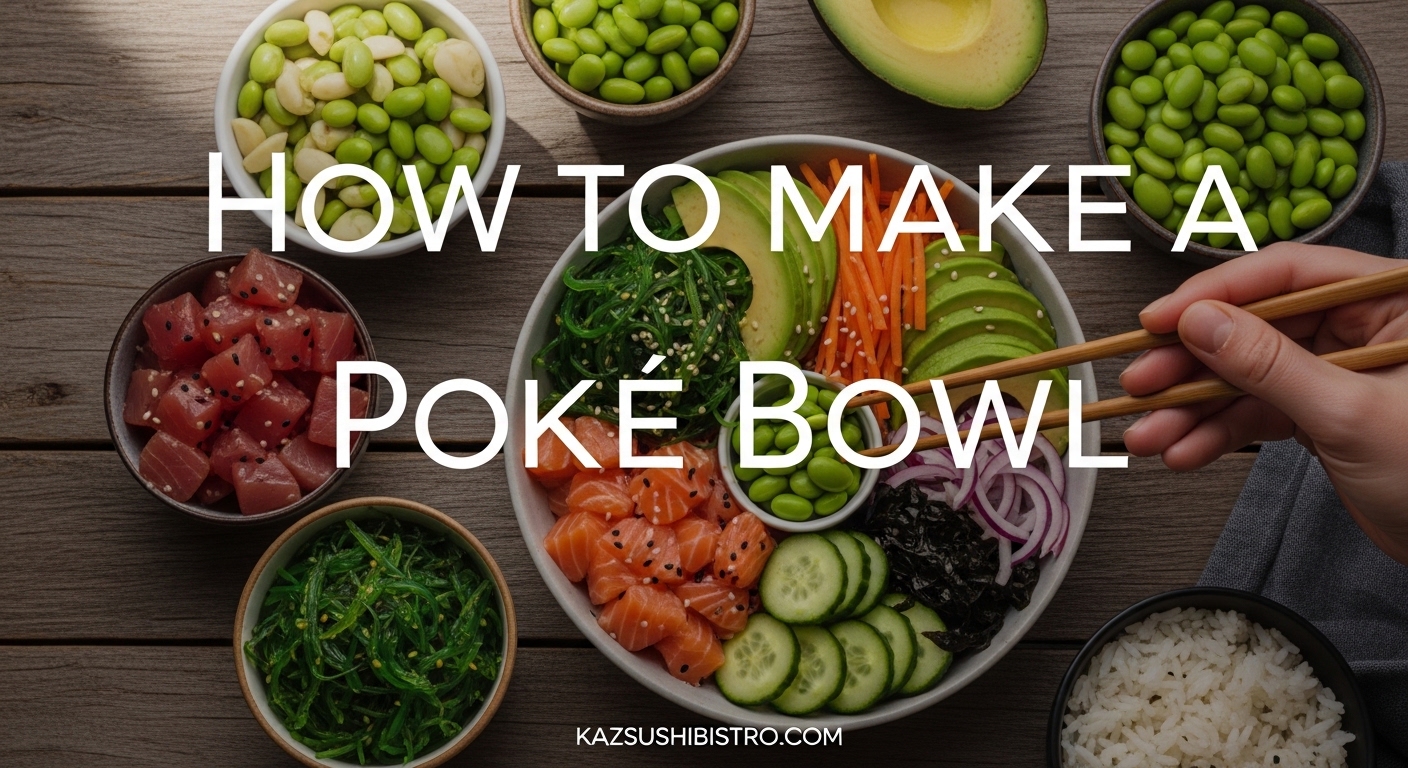
Learning how to make a poke bowl at home transforms your weeknight dinner routine into something genuinely exciting. This Hawaiian favorite combines sushi-grade fish, seasoned rice, and vibrant toppings into one satisfying meal that feels restaurant-fancy but comes together in about 40 minutes.
I have been making poke bowls at home for three years now, and the technique is simpler than most people expect. The key lies in sourcing quality ingredients and understanding a few fundamental principles that Hawaiian fishmongers have used for generations.
In this guide, you will learn everything from selecting the right ahi tuna to building your own topping bar. Whether you want a traditional preparation or something customized to your taste, this recipe delivers results that rival your favorite poke shop.
Table of Contents
Recipe At A Glance
Before diving into the details, here is what you need to know about timing and yield.
Prep Time: 20 minutes
Cook Time: 20 minutes (mostly rice)
Total Time: 40 minutes
Servings: 4 bowls
Difficulty: Beginner-friendly
What Is a Poke Bowl?
Poke (pronounced POH-kay) comes from traditional Hawaiian cuisine where fishermen would cube their fresh catch and season it simply with sea salt, seaweed, and crushed kukui nuts. The word itself means “to slice” or “cut crosswise into pieces” in Hawaiian.
Traditional poke remained relatively unchanged for centuries until recent decades when mainland chefs transformed it into the customizable bowl format we recognize today. Modern poke bowls layer marinated fish cubes over rice and pile on toppings ranging from edamame to pickled ginger.
The beauty of this dish lies in its flexibility. While ahi tuna remains the classic protein choice, you can build your bowl with salmon, shrimp, tofu, or even cooked chicken. The format adapts to whatever fresh ingredients you have available.
Ingredients You’ll Need 2026
A great poke bowl balances five components: base, protein, marinade, toppings, and garnishes. Here is exactly what you need for four generous servings.
For the Base
2 cups sushi rice (yields 6 cups cooked)
2 1/2 cups water
3 tablespoons rice vinegar
2 tablespoons sugar
1 teaspoon salt
For the Protein
1 pound sushi-grade ahi tuna or sashimi-grade salmon
Alternative: 1 pound cooked shrimp, firm tofu, or imitation crab
For the Marinade
3 tablespoons soy sauce or tamari
1 tablespoon sesame oil (toasted preferred)
1 teaspoon rice vinegar
1/2 teaspoon fresh grated ginger
1/4 teaspoon red pepper flakes (optional)
For the Toppings
1 cup edamame (shelled)
1 large avocado, cubed
1 cucumber, sliced thin
1/2 cup seaweed salad or wakame
1/4 cup pickled ginger
2 green onions, sliced
For the Garnish
2 tablespoons toasted sesame seeds
1 tablespoon furikake seasoning
Wasabi paste (optional)
Spicy mayo (optional, recipe below)
Step 1: Choosing Your Base
The foundation of every poke bowl starts with your base selection. While sushi rice remains the traditional choice, several alternatives work beautifully depending on your dietary preferences.
Sushi Rice (Traditional)
Sushi rice provides the sticky, slightly sweet foundation that complements the savory fish perfectly. Short-grain Japanese rice works best because the grains cling together without becoming mushy.
To prepare traditional seasoned rice, rinse 2 cups of sushi rice under cold water until the water runs clear. Combine with 2 1/2 cups water in a rice cooker or pot, then cook according to package directions.
While the rice cooks, heat rice vinegar, sugar, and salt in a small saucepan until dissolved. Fold this mixture into the warm rice using a cutting motion with a wooden spoon. Let the rice cool to room temperature before building your bowls.
Brown Rice Option
Brown rice adds nuttiness and extra fiber to your bowl. Cook according to package directions, then season with the same vinegar mixture. The chewier texture provides nice contrast against tender fish cubes.
Coconut Rice Variation
For a tropical twist, replace half the cooking water with full-fat coconut milk. This creates creamy, fragrant rice that pairs beautifully with fresh mango toppings. Reduce the sugar in your seasoning to balance the natural sweetness.
Low-Carb Alternatives
Cauliflower rice, zucchini noodles, or mixed greens work well for low-carb diets. If using cauliflower rice, saute it briefly with a splash of sesame oil rather than boiling to maintain texture.
Step 2: Sourcing and Preparing Sushi-Grade Fish
This step determines the success of your entire bowl. Sushi-grade or sashimi-grade fish meets specific safety standards for raw consumption, making it absolutely essential for traditional poke.
Where to Buy Quality Fish
Start with a reputable fishmonger who specializes in sushi-grade products. Japanese grocery stores, high-end seafood markets, and some Whole Foods locations carry properly handled fish.
Ask specifically for “sushi-grade” or “sashimi-grade” ahi tuna or salmon. These terms indicate the fish has been flash-frozen to temperatures that kill parasites, following FDA guidelines for raw consumption.
Look for bright, translucent flesh without any fishy odor. Fresh fish should smell like the ocean, not like fish. The surface should spring back when pressed gently.
Understanding Safety Standards
The FDA recommends freezing fish at -4F (-20C) for seven days, or -31F (-35C) for 15 hours to eliminate parasite risk. Most commercially sold sushi-grade fish undergoes this flash-freezing process before reaching stores.
Never use regular grocery store fish intended for cooking. Even if it looks fresh, it may not meet the parasite-safe standards required for raw consumption.
Proper Cutting Technique
Use your sharpest knife for clean cuts that do not tear the delicate flesh. A long slicing knife works best, though a sharp chef’s knife suffices.
Cut the fish into half-inch cubes for the ideal poke texture. Smaller pieces over-marinate and become mushy. Larger pieces make the bowl difficult to eat.
Slice against the grain of the fish for tender bites. With tuna, look for the natural muscle lines and cut perpendicular to them. Work with cold fish straight from the refrigerator for cleaner cuts.
Handle the fish minimally and keep it cold throughout preparation. Place your cutting board on a damp towel to prevent slipping, and work quickly to maintain freshness.
Step 3: Making the Perfect Marinade
The marinade, called “shoyu” in Hawaiian tradition, should enhance the fish without overwhelming it. This classic version balances salty, tangy, and nutty flavors.
Classic Shoyu Marinade
Whisk together soy sauce, sesame oil, rice vinegar, grated ginger, and red pepper flakes in a medium bowl. The mixture should taste savory with a hint of brightness from the vinegar.
Add your cubed fish to the marinade and toss gently to coat every piece. Use a rubber spatula rather than a spoon to avoid breaking the delicate cubes.
Marinate for 10 to 15 minutes at room temperature. Any longer and the acid in the vinegar will begin “cooking” the fish, creating an unpleasant texture.
Spicy Mayo Recipe
Many poke lovers enjoy a drizzle of spicy mayo. Mix 1/4 cup Kewpie mayonnaise (Japanese mayo) with 1 to 2 teaspoons sriracha sauce. Add a squeeze of lime juice for extra brightness.
Transfer the mixture to a squeeze bottle for easy drizzling, or use a spoon to add dollops. This sauce works as both a marinade component and a finished topping.
Ponzu Variation
For a lighter, citrus-forward option, substitute ponzu sauce for half the soy sauce in your marinade. Ponzu adds yuzu and citrus notes that pair especially well with salmon.
Step 4: Assembling Your Poke Bowl
Assembly is where you bring everything together. The goal is creating distinct layers that look beautiful and deliver varied textures in every bite.
Step-by-Step Assembly
Step 1: Start with about 1 1/2 cups of your prepared rice base. Press it gently into the bottom of a wide, shallow bowl. The wider surface area allows better topping distribution than deep bowls.
Step 2: Arrange your marinated fish cubes in a generous mound over the rice center. Do not spread them thin. A concentrated pile keeps the fish cold longer and looks more appetizing.
Step 3: Add toppings in sections around the fish. Group similar items together for visual appeal. Place edamame at one o’clock, cucumber at three, avocado at six, and seaweed salad at nine.
Step 4: Drizzle any remaining marinade over the fish. Add a zigzag of spicy mayo if using.
Step 5: Finish with garnishes. Sprinkle toasted sesame seeds and furikake across the entire bowl. Add pickled ginger and wasabi on the side for traditional presentation.
Temperature Considerations
Serve poke bowls immediately after assembly. The contrast between room-temperature rice and cold fish creates the ideal eating experience. If preparing for a group, keep components separate until the last moment.
Topping Ideas and Combinations
The topping bar concept makes poke bowls endlessly customizable. Here are organized options by flavor profile and texture.
Crunchy Elements
Edamame provides protein-rich crunch with a satisfying pop. Cucumber slices add refreshing crispness. Shredded carrots and daikon radish contribute both crunch and color. Toasted macadamia nuts offer rich, buttery crunch unique to Hawaiian-style bowls.
Consider crispy fried onions or garlic chips for intense crunch. These work especially well with milder proteins like tofu or imitation crab.
Fresh and Bright
Avocado chunks create creamy richness that balances the acidic marinade. Fresh mango or pineapple adds tropical sweetness that cuts through the fish oils. Thin-sliced jalapeno brings heat without overwhelming.
Shiso leaves contribute minty, basil-like freshness. Microgreens add delicate texture and visual appeal. Radish sprouts offer peppery bite.
Savory and Salty
Seaweed salad or wakame delivers oceanic umami. Masago (smelt roe) or tobiko (flying fish roe) provide tiny bursts of brine. Pickled ginger cleanses the palate between bites.
Cubed tofu, even when using fish as your main protein, adds variety. Kimchi brings fermented complexity and probiotic benefits.
Spicy Additions
Sriracha, sambal oelek, or chili oil let heat lovers customize their bowls. Wasabi paste mixed into soy sauce creates intense heat. Shichimi togarashi (Japanese seven-spice) adds complex, aromatic heat.
Expert Tips for Success
These insights come from years of home preparation and conversations with professional poke shop owners.
Food Safety Essentials
Keep raw fish refrigerated until the moment you cube it. Use a dedicated cutting board for fish to avoid cross-contamination. Never leave marinated fish at room temperature longer than 20 minutes.
If pregnant, immunocompromised, or serving young children, consider using cooked shrimp or fully cooked fish instead of raw options. The bowl remains delicious with these substitutions.
Consume raw fish preparations within 24 hours of assembly. Do not save leftover bowls with raw fish for the next day. Cooked protein versions last up to 2 days refrigerated.
Make-Ahead and Storage Tips
Prepare rice up to one day ahead and store covered at room temperature. Do not refrigerate rice; it becomes hard and dry when cold.
Cut vegetables and prepare toppings up to 4 hours ahead. Store cucumbers separately from other ingredients to prevent water transfer.
Mix marinade ingredients but do not add fish until 15 minutes before serving. Keep cubed fish on ice in the refrigerator if prepping more than an hour ahead.
For a build-your-own poke bar at parties, arrange all components in separate bowls with small serving utensils. Let guests assemble their own creations.
Variations and Substitutions
Vegetarian: Replace fish with firm tofu, marinated mushrooms, or hearts of palm. Double the edamame for extra protein.
Vegan: Use maple syrup instead of honey in marinades. Skip the Kewpie mayo (it contains egg) and make spicy sauce with vegan mayo.
Gluten-Free: Substitute tamari or coconut aminos for soy sauce. Check that your furikake is gluten-free, or make your own with sesame seeds and nori.
Cooked Protein Options: Grilled chicken, seared ahi tuna (cooked through), or poached shrimp work beautifully. Season with the same marinade after cooking.
Low-Sodium: Use low-sodium soy sauce and increase fresh ginger and garlic for flavor without salt.
Wine and Beverage Pairings
The right drink elevates your poke bowl experience. Here are tested combinations that complement rather than compete.
Wine Pairings
Dry Riesling cuts through the richness of avocado and sesame oil while matching the dish’s subtle sweetness. New Zealand Sauvignon Blanc offers grassy notes that mirror the seaweed and green onion elements.
For salmon poke specifically, try a chilled Pinot Noir. The light red wine’s acidity and berry notes complement the fatty fish beautifully.
Sparkling wine or Champagne works surprisingly well. The bubbles cleanse the palate between bites of rich fish and creamy toppings.
Beer and Sake
Japanese rice lagers like Asahi or Sapporo provide crisp, clean refreshment. Their light bodies do not overwhelm the delicate fish flavors.
Junmai sake offers an authentic pairing that mirrors the rice base while complementing the soy and sesame elements. Serve slightly chilled, not hot.
Non-Alcoholic Options
Sparkling water with yuzu or lime adds brightness without sugar. Cold green tea provides subtle tannins that balance the fatty fish. Coconut water reinforces the tropical Hawaiian theme.
Homemade vs Restaurant: Cost Comparison
Building poke bowls at home saves significant money while giving you complete control over quality and portions.
A typical restaurant poke bowl costs 14 to 18 dollars. The same bowl made at home runs approximately 6 to 8 dollars per serving when buying quality sushi-grade fish. Feeding four people at home costs less than two restaurant bowls.
Beyond cost, homemade allows portion customization. Prefer extra fish and less rice? You control the ratio. Want triple avocado? No extra charge.
The quality difference often favors home preparation too. You select your exact fish rather than receiving whatever the restaurant has available. Your toppings come fresh from your kitchen rather than prep containers.
Time investment is minimal once you understand the process. Most home cooks can assemble bowls faster than driving to a poke shop and waiting in line.
Frequently Asked Questions
What ingredients are in a poke bowl?
Is a poke bowl actually healthy?
Can I have a poke bowl while pregnant?
Are poke bowls good for high cholesterol?
What are some common mistakes when making poke?
How to make a very simple poke bowl?
How to make poke bowl taste better?
What are good things to put in a poke bowl?
Conclusion
Now you understand exactly how to make a poke bowl that rivals restaurant quality. The combination of sushi-grade fish, properly seasoned rice, and fresh toppings creates a meal that satisfies both your taste buds and your desire for something nourishing.
Start with the basic recipe, then experiment with different proteins, bases, and topping combinations. The build-your-own approach means you never have to eat the same bowl twice unless you want to.
Gather your ingredients, sharpen your knife, and treat yourself to this Hawaiian favorite in your own kitchen tonight. Your first homemade poke bowl marks the beginning of a delicious new tradition.