
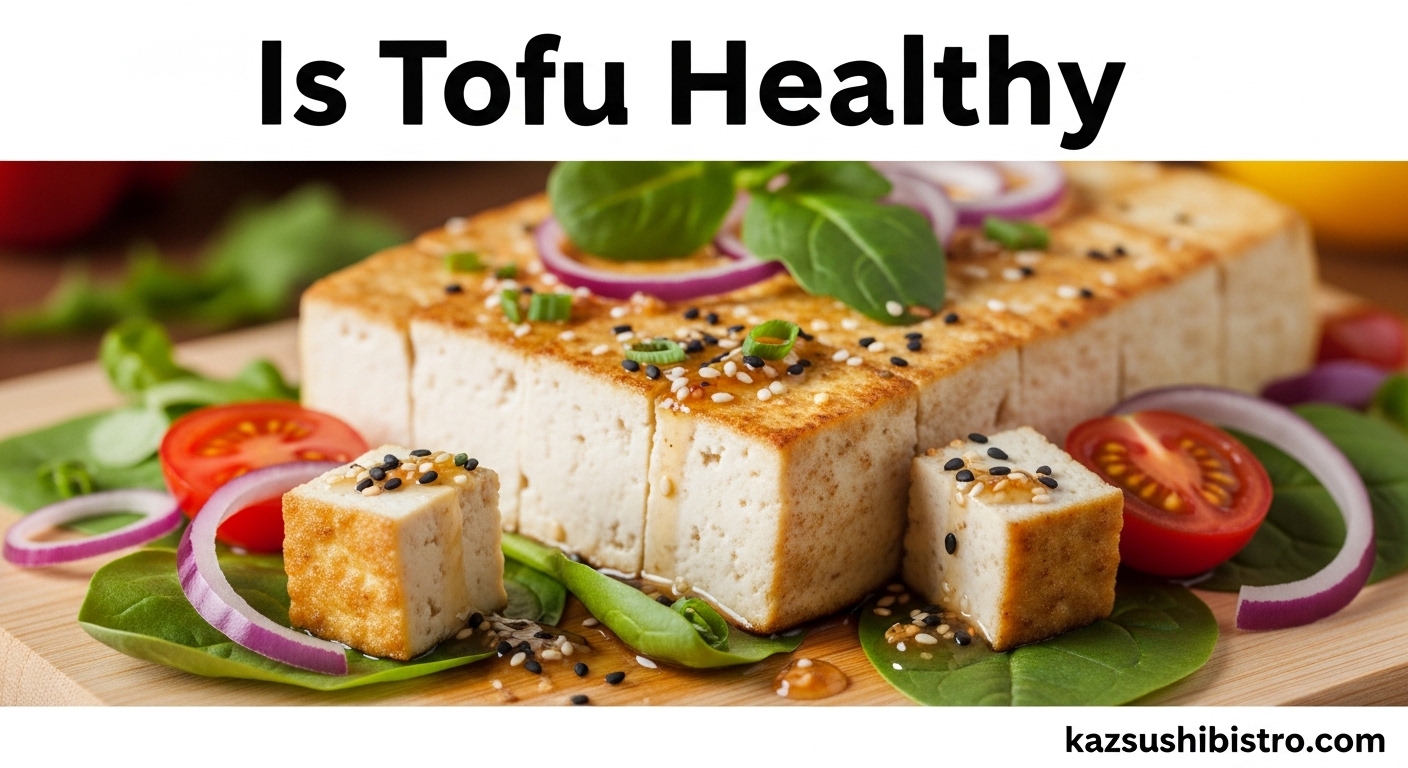
Yes, tofu is healthy for most people. This soybean-based food delivers 21.8 grams of complete protein per half-cup serving while remaining cholesterol-free and low in saturated fat. Research from the American Heart Association supports including tofu as part of a heart-healthy eating pattern.
I grew up watching my grandmother press fresh tofu in her kitchen, and I have spent years studying how this simple food impacts our bodies. The evidence consistently shows that regular tofu consumption links to an 18% lower risk of heart disease according to a 2020 study published in Circulation. Whether you follow a plant-based diet or simply want to diversify your protein sources, tofu offers legitimate nutritional value backed by peer-reviewed research.
Table of Contents
What Is Tofu and How Is It Made?
Tofu is essentially soybean curd, created through a process remarkably similar to cheese-making. Soybeans are soaked, boiled, and ground into milk, then coagulated using minerals like nigari (magnesium chloride) or calcium sulfate to form solid blocks. This technique originated in China over 2,000 years ago and has remained a staple in Asian cuisines ever since.
The ingredient list for traditional tofu is remarkably short: soybeans, water, and a coagulant. Some commercial varieties add calcium sulfate specifically to boost the calcium content. The entire process involves minimal processing compared to modern ultra-processed foods, which I will address in detail later when examining common concerns about tofu.
Japanese cuisine has elevated tofu preparation to an art form. At KAZ Sushi Bistro, we prepare agedashi tofu by lightly coating cubes in starch and deep-frying them until golden, then bathing them in warm dashi. This preparation method showcases how tofu absorbs flavors while maintaining its delicate, satisfying texture.
Is Tofu Healthy? The Complete Nutritional Breakdown
A half-cup serving of firm tofu contains approximately 181 calories, 21.8 grams of protein, 11 grams of fat, and less than 2 grams of carbohydrates. That protein content matters because tofu provides all nine essential amino acids, making it a complete protein source comparable to animal proteins. Few plant foods achieve this complete amino acid profile naturally.
Beyond protein, tofu delivers significant micronutrients. The same serving provides about 434 milligrams of calcium (43% of daily needs), 3.4 milligrams of iron (19% of daily needs), and substantial amounts of manganese, copper, and selenium. These minerals support bone health, oxygen transport, and antioxidant defenses in the body.
Tofu also contains isoflavones, a type of phytoestrogen that mimics estrogen in the body but with much weaker effects. One serving typically provides 25-50 milligrams of isoflavones, compounds that research suggests may protect against certain diseases. Do not confuse these plant compounds with actual hormones, a misconception I will clarify shortly.
Evidence-Based Health Benefits of Tofu 2026
Heart Health and Cholesterol Reduction
Tofu consumption directly supports cardiovascular health through multiple mechanisms. A landmark 2020 study in Circulation followed over 210,000 participants and found that eating tofu at least once weekly associated with an 18% lower risk of coronary heart disease compared to rarely consuming soy foods.
The heart benefits stem from tofu’s unique nutritional composition. Being cholesterol-free and low in saturated fat, tofu helps lower LDL cholesterol levels when substituted for animal proteins. The isoflavones in tofu also appear to improve blood vessel function, promoting healthy blood pressure regulation.
Dr. Qi Sun, an epidemiologist at Harvard, notes that soy foods like tofu represent excellent alternatives to red meat for heart health. The polyunsaturated fats in tofu, particularly omega-3 and omega-6 fatty acids, contribute to its cardioprotective effects without the inflammatory compounds found in some animal products.
Cancer Research Findings
Contrary to outdated fears, current research suggests tofu and soy foods may actually reduce cancer risk rather than increase it. Multiple large-scale studies indicate that moderate soy consumption correlates with lower rates of breast cancer, particularly among Asian populations where tofu has been a dietary staple for generations.
The protective effects extend to other cancer types as well. Men who regularly consume soy foods show reduced risk of prostate cancer according to meta-analyses published in nutritional journals. The isoflavones appear to inhibit tumor growth and promote healthy cell signaling pathways.
Important context matters here. The original concerns about soy and cancer emerged from early animal studies using isolated isoflavone supplements at extremely high doses. Human consumption of whole soy foods like tofu involves different absorption patterns and much lower compound concentrations.
Diabetes Prevention and Blood Sugar Control
Tofu demonstrates favorable effects on blood sugar regulation, making it suitable for people managing diabetes or prediabetes. Its low glycemic index means it causes minimal blood sugar spikes compared to carbohydrate-heavy protein alternatives. The protein and healthy fat content further slow glucose absorption.
Research specifically links soy consumption during pregnancy to reduced risk of gestational diabetes. A 2021 study in the European Journal of Nutrition found that higher soy intake during pregnancy associated with lower incidence of glucose intolerance. The mechanisms likely involve improved insulin sensitivity.
For people with existing diabetes, tofu provides a protein source that does not require insulin for metabolism. Unlike carbohydrates, protein does not directly raise blood glucose, making tofu an excellent meal component for glycemic control.
Bone Health and Calcium Content
Calcium-set tofu offers particular benefits for bone health. When manufacturers use calcium sulfate as the coagulant, the resulting tofu contains significantly higher calcium levels, sometimes exceeding dairy products per serving. This makes tofu valuable for people avoiding dairy due to lactose intolerance or dietary preferences.
The isoflavones in tofu may also protect against bone density loss, particularly relevant for postmenopausal women. Several studies suggest that regular soy consumption correlates with higher bone mineral density and reduced fracture risk. The combination of calcium, magnesium, and isoflavones creates a bone-supporting nutrient profile.
Silken tofu specifically serves as an excellent base for calcium-fortified smoothies and sauces. Its creamy texture blends seamlessly while delivering substantial mineral content without the saturated fat found in dairy cream.
Weight Management and Satiety
Tofu supports weight management through its high protein-to-calorie ratio. At roughly 10 calories per gram of protein, tofu rivals lean chicken breast in protein efficiency. This means you can consume satisfying portions while maintaining a caloric deficit for weight loss.
The protein in tofu promotes satiety, helping you feel full longer after meals. Research shows that protein-rich foods reduce ghrelin, the hunger hormone, more effectively than carbohydrates or fats. Tofu-based meals can help control appetite between meals.
Because tofu readily absorbs flavors from marinades and cooking liquids, it works well in satisfying, flavorful dishes without requiring heavy sauces or excessive oils. This culinary versatility supports healthy eating patterns without sacrificing taste.
Addressing Common Concerns and Myths About Tofu
Is Tofu Too Processed to Be Healthy?
Tofu is not ultra-processed, despite common misconceptions. The production process involves simple, traditional techniques: soaking beans, grinding them, boiling the milk, adding a mineral coagulant, and pressing the curds. This process has remained essentially unchanged for millennia.
Compare tofu to genuinely ultra-processed foods like chicken nuggets or protein bars. Those products contain dozens of ingredients including industrial additives, preservatives, and chemical flavorings. Tofu typically contains two to three ingredients: soybeans, water, and a coagulant like calcium sulfate or nigari.
The confusion partly stems from soy milk production, which is slightly more processed than eating whole soybeans but still minimal compared to modern food manufacturing. If you choose organic tofu, you avoid GMO concerns and glyphosate residues, addressing another common worry I hear from customers.
Does Tofu Affect Male Hormones?
The concern that tofu lowers testosterone or causes feminine characteristics in men is not supported by clinical evidence. Multiple studies examining soy consumption in men have found no significant effect on testosterone levels, sperm quality, or other androgen markers even at high intake levels.
A comprehensive 2021 meta-analysis reviewed 38 clinical studies and concluded that soy foods and isoflavone supplements do not alter male reproductive hormones. The phytoestrogens in soy are structurally different from human estrogen and bind weakly to estrogen receptors.
Men in Asian countries have consumed soy foods daily for centuries without population-level effects on masculinity or fertility. The average tofu intake in Japan and China far exceeds what most Westerners consume, yet no corresponding hormonal disruptions appear in epidemiological data.
Cancer and Isoflavone Safety
While some early animal studies raised concerns about isoflavones promoting tumor growth, human research has largely refuted these fears. The original studies used isolated isoflavones at doses far exceeding normal dietary intake and injected them directly into rodents with existing cancers.
Large human studies tell a different story. The Shanghai Women’s Health Study followed over 70,000 women for more than a decade and found that soy intake during adolescence actually reduced breast cancer risk later in life. Regular tofu consumption showed protective rather than harmful associations.
For people with existing hormone-sensitive cancers, medical opinions vary. The American Cancer Society states that soy foods are safe for breast cancer survivors and may even be beneficial. However, patients should discuss individual cases with their oncology team.
Who Should Exercise Caution
While tofu is healthy for most people, certain individuals should approach soy consumption carefully. People with soy allergies must obviously avoid tofu completely, as reactions can range from mild digestive upset to severe anaphylaxis. Soy is one of the eight major food allergens recognized by the FDA.
Those taking thyroid medication should consume tofu separately from their pills. Soy can interfere with thyroid hormone absorption, potentially requiring medication dose adjustments. Most doctors recommend spacing soy consumption at least four hours apart from thyroid medication.
People with gout or high uric acid levels may need to monitor tofu intake. While soy contains less purine than many animal proteins, concentrated soy products can still contribute to uric acid production in sensitive individuals. Moderation and medical guidance apply here.
Understanding Different Types of Tofu
Silken Tofu
Silken tofu has the highest water content and custard-like texture, making it ideal for blending into smoothies, soups, and desserts. It contains slightly fewer calories and less protein per serving than firmer varieties due to higher moisture content. This type works beautifully in vegan chocolate mousse or creamy salad dressings.
Because silken tofu falls apart easily, it is not suitable for stir-frying or grilling. Its delicate structure makes it perfect for Japanese miso soup, where it absorbs the savory broth while maintaining its soft texture. I recommend starting with silken tofu if you are new to soy foods and want something mild.
Medium and Firm Tofu
Medium tofu strikes a balance between softness and structure, suitable for soups and gentle pan-frying. It holds together better than silken but still retains moisture that makes it pleasant in hot pot dishes. This middle-ground option works well in mapo tofu or scrambled tofu preparations.
Firm tofu contains less water and offers substantial bite, making it the workhorse for most cooking applications. It absorbs marinades effectively while maintaining shape during stir-frying, baking, or grilling. A half-cup of firm tofu provides the 21.8 grams of protein I referenced earlier.
Extra-Firm Tofu
Extra-firm tofu has the lowest moisture content and densest texture, standing up to aggressive cooking methods. It works excellently for grilling, deep-frying, or any application requiring structural integrity. The lower water content means slightly higher protein density per volume.
Pressing extra-firm tofu before cooking removes additional moisture and improves texture dramatically. Simply wrap the block in clean towels, place a weight on top for 15-30 minutes, then proceed with your recipe. This step transforms the eating experience from soggy to satisfying.
Tofu in Japanese Cuisine
Japanese culinary tradition treats tofu with reverence, developing techniques that maximize its subtle flavors and textures. At KAZ Sushi Bistro, we draw from centuries of Japanese tofu preparation methods that elevate this simple ingredient into memorable dishes.
Agedashi tofu represents one of the most beloved preparations, featuring lightly fried tofu cubes bathed in warm dashi broth and garnished with grated daikon and scallions. The contrast between crispy exterior and silky interior creates a textural experience that converts even tofu skeptics.
Hiyayakko offers a simpler approach, presenting chilled silken tofu topped with fresh ginger, scallions, and a drizzle of soy sauce. This preparation highlights tofu’s cooling properties and clean flavor profile, particularly refreshing during summer months. The dish requires quality ingredients because there is nowhere for subpar flavors to hide.
Miso soup traditionally includes small tofu cubes that absorb the fermented soybean paste’s umami depth. This everyday preparation demonstrates how tofu enhances rather than dominates dishes, adding protein and texture while allowing other flavors center stage.
Simple Ways to Add Tofu to Your Diet
Start with breakfast by crumbling firm tofu and sauteeing it with turmeric, nutritional yeast, and vegetables for a convincing egg scramble alternative. The turmeric adds golden color while the nutritional yeast provides cheesy flavor and additional B-vitamins.
Blend silken tofu into smoothies for creamy texture without dairy. It pairs especially well with frozen berries, banana, and a scoop of protein powder. The tofu adds thickness and protein while remaining flavor-neutral.
For lunch, cube firm tofu and add it to salads as a protein alternative to chicken. Marinate cubes first in soy sauce, sesame oil, and rice vinegar for 30 minutes, then bake at 400F for 25 minutes until golden. These crispy bites transform ordinary salads into satisfying meals.
Dinner options include stir-fries where tofu replaces meat, absorbing sauce flavors while providing substantial protein. Press the tofu first, cube it, and cook in a hot pan until all sides brown. Then add vegetables and your favorite sauce to complete the dish.
Frequently Asked Questions About Tofu
What is the downside of tofu?
The main downsides of tofu include potential allergic reactions in people with soy allergies and possible interference with thyroid medication absorption. Some people may experience digestive discomfort from soy, particularly those with irritable bowel syndrome. Additionally, non-organic tofu may contain pesticide residues or come from genetically modified soybeans.
Is eating tofu daily healthy?
Yes, eating tofu daily is healthy for most people. Research shows that consuming up to three servings of soy foods daily provides health benefits without adverse effects. Daily tofu consumption links to reduced heart disease risk, better bone density, and improved cholesterol levels. Those with soy allergies or thyroid conditions should consult their doctor first.
Is firm tofu ok for sibo?
Firm tofu is generally acceptable for people with SIBO (Small Intestinal Bacterial Overgrowth) because the fermentation process during tofu production reduces some compounds that feed gut bacteria. However, individual tolerance varies. Silken tofu, being less fermented, may cause more issues for some SIBO patients. Start with small portions and monitor your body’s response.
Is tofu healthy or too processed?
Tofu is healthy and not considered ultra-processed. The production involves minimal processing: soaking soybeans, grinding them into milk, adding a natural mineral coagulant like calcium sulfate, and pressing the curds. This traditional process uses only 2-3 ingredients (soybeans, water, coagulant) and has remained unchanged for over 2,000 years. Choose organic tofu to avoid GMOs and pesticides.
Is Tofu Healthy? The Final Verdict
Yes, tofu is definitively healthy for the vast majority of people. The research consistently demonstrates benefits for heart health, cancer prevention, bone density, and diabetes management without the hormone-disrupting effects that myths suggest. With 21.8 grams of complete protein per serving and significant mineral content, tofu deserves its place in a balanced diet.
The key lies in choosing quality tofu and preparing it well. Organic varieties avoid GMO and pesticide concerns, while proper pressing and cooking techniques transform texture from bland to satisfying. Whether you incorporate it into Japanese dishes like those we prepare at KAZ Sushi Bistro or adapt it to your own recipes, tofu offers legitimate nutritional value backed by decades of scientific research.
Start with one or two servings per week and experiment with different firmness levels and cooking methods. Your body and taste buds will thank you for adding this versatile, protein-rich food to your regular rotation.