
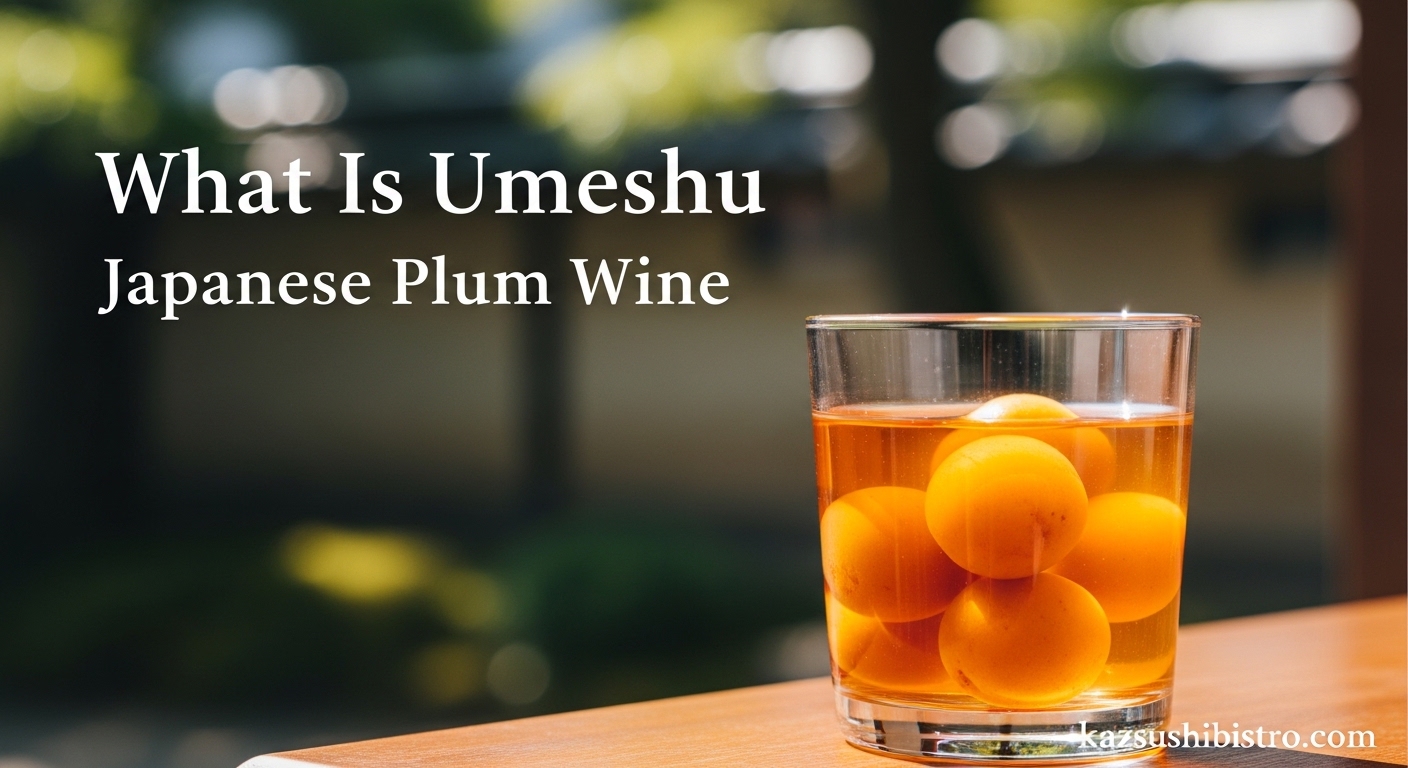
Umeshu (梅酒) is a Japanese liqueur made by steeping unripe green ume plums in shochu, a distilled liquor, along with sugar. The resulting beverage has a sweet and sour taste with an alcohol content typically between 10% and 15%. Despite being commonly called “plum wine” in English, umeshu is technically not a wine because it is created through steeping rather than fermentation.
In this guide, our team will walk you through everything you need to know about this beloved Japanese drink. We will cover its history, how it is made, the different varieties available, and the best ways to enjoy it at home or at your favorite Japanese restaurant.
Table of Contents
What Is Umeshu Japanese Plum Wine 2026
Umeshu is a traditional Japanese liqueur crafted from three simple ingredients: ume plums (a fruit closely related to apricots), distilled liquor (usually shochu), and sugar. The unripe green plums are steeped in alcohol with rock sugar for a minimum of six months, allowing the flavors to meld into a uniquely refreshing beverage.
The taste profile strikes a delightful balance between sweet and tart. The natural citric acid from the ume plums creates a sour kick that is mellowed by the sweetness of the added sugar. Many drinkers also detect subtle almond or marzipan notes, which come from compounds released by the plum pits during the steeping process.
Umeshu vs Plum Wine: Understanding the Difference
One of the most common points of confusion is the difference between umeshu and plum wine. While both terms are often used interchangeably outside Japan, they describe fundamentally different production methods.
Umeshu is a liqueur created by steeping whole plums in alcohol. The plums are not fermented. Instead, their juices and flavors are extracted over months of maceration in shochu or another distilled spirit.
Traditional plum wine, particularly the Chinese variety known as jiuzhuang, is made by fermenting plum juice with yeast, similar to how grape wine is produced. This fermentation process creates a completely different flavor profile and alcohol chemistry.
When shopping for authentic Japanese umeshu, look for the label “honkaku umeshu” (本格梅酒), which indicates the product was made using traditional steeping methods with real ume plums rather than artificial flavorings.
Alcohol Content and Strength
Most commercially produced umeshu contains between 10% and 15% alcohol by volume, making it stronger than beer or wine but milder than most spirits. This moderate alcohol level contributes to its popularity as an accessible drink for many occasions.
Some varieties labeled as “genshu” (原酒) are undiluted and can reach 18% to 20% alcohol. These pack more punch while delivering an intensified plum flavor. For those seeking a lighter option, several brands offer diluted versions or ready-to-drink cocktails with umeshu as the base.
The History and Origins of Umeshu
The practice of steeping ume plums in alcohol dates back centuries in Japan, though the exact origins remain somewhat unclear. The ume fruit itself arrived in Japan from China over a thousand years ago and quickly became integrated into Japanese culture, medicine, and cuisine.
Originally, umeshu was consumed for its perceived medicinal properties rather than for pleasure. Ume plums have long been prized in traditional Japanese medicine for their citric acid content and antibacterial qualities. Steeping them in alcohol was believed to extract and preserve these beneficial compounds.
The Showa Period Boom
Umeshu transformed from a medicinal tonic into a popular social drink during the Showa period (1926-1989). As Japan modernized and Western influences grew, umeshu found its place in the emerging culture of home entertaining and social drinking.
Homemade umeshu became particularly popular during this era. Japanese households would prepare large batches in early summer when green ume plums hit the markets, then patiently wait six months or more for the steeping process to complete. The ritual of making umeshu at home became a cherished seasonal tradition.
Commercial production expanded significantly during the 1960s and 1970s, with major producers like Choya and Takara Shuzo bringing bottled umeshu to mainstream markets. This commercial availability helped introduce the drink to international audiences and cemented its status as a quintessential Japanese beverage.
Cultural Significance
The ume tree holds deep cultural resonance in Japan, celebrated in poetry and art for centuries. Ume blossoms, which bloom in late winter and early spring, symbolize perseverance and hope as they brave the cold to herald the coming of warmer days.
This cultural connection adds a layer of meaning to umeshu consumption. Drinking umeshu connects people to centuries of Japanese tradition and the natural cycle of seasons. For many Japanese families, opening a bottle of homemade umeshu is a way of preserving and sharing that heritage.
How Umeshu Is Made
The production of umeshu is surprisingly straightforward, which explains its popularity for home brewing. The process relies on patience rather than complex techniques, allowing the ingredients to slowly transform over time.
The Three Essential Ingredients
The foundation of any umeshu is high-quality ume plums. These are harvested while still unripe and green, typically in May or June depending on the region. The unripe fruit contains higher levels of citric acid, which gives umeshu its characteristic tartness.
The alcohol base is typically shochu, a Japanese distilled spirit made from barley, rice, sweet potatoes, or other starches. Shochu usually has an alcohol content around 35%, which extracts flavors effectively while providing a neutral canvas for the plums. Some producers use nihonshu (sake) instead, which creates a softer, more rounded flavor profile.
Rock sugar, known in Japan as “korizato,” is the traditional sweetener of choice. The large crystals dissolve slowly, allowing for gradual sweetening throughout the steeping period. Some recipes use honey, brown sugar, or even alternative sweeteners, each imparting subtle differences to the final product.
The Steeping Process
Production begins by washing and drying the ume plums, then removing the stems with a small skewer. The plums are placed in a large glass jar or ceramic vessel, layered with sugar, and covered completely with shochu.
The jar is sealed and stored in a cool, dark place. Over the first few weeks, the sugar gradually dissolves and the plums begin releasing their juices. The liquid slowly transforms from clear to a rich golden or amber hue as it absorbs the flavors and compounds from the fruit.
Most umeshu steeps for at least six months, though many enthusiasts age their batches for a year or longer. Extended aging creates deeper, more complex flavors as the various components meld together. The plums can be removed after the initial steeping period, or left in the bottle for visual appeal and continued flavor contribution.
Understanding Honkaku Umeshu
The term “honkaku umeshu” deserves special attention for anyone seeking authentic quality. This designation, regulated by Japanese law, means the product contains only three ingredients: ume plums, sugar, and alcohol. No artificial flavorings, colorings, or additives are permitted.
Many cheaper products labeled simply as “umeshu” may contain plum extracts, artificial flavors, citric acid, or other additives to mimic the taste of traditionally steeped versions. While these can still be enjoyable, they lack the depth and authenticity of honkaku umeshu.
Types and Varieties of Umeshu
The world of umeshu extends far beyond the standard bottle you might find at a Japanese restaurant. Producers have developed numerous variations that highlight different aspects of the drink’s character.
Genshu (Undiluted Umeshu)
Genshu refers to umeshu that has not been diluted with water after the steeping process. These versions maintain the full alcohol strength of around 18% to 20% and deliver an intensely concentrated plum flavor. The higher alcohol content also acts as a preservative, allowing these bottles to age gracefully for years.
Nigori (Cloudy Umeshu)
Nigori umeshu is filtered less thoroughly than standard varieties, leaving fine particles of plum pulp suspended in the liquid. This creates a cloudy appearance and a richer, more textured mouthfeel. The added body makes nigori umeshu particularly satisfying when served chilled.
Koshu (Aged Umeshu)
Some producers age their umeshu for extended periods, sometimes three years or more, before releasing it to market. This koshu style develops remarkable complexity, with the harsh edges of youth softening into a smooth, almost dessert-wine-like character. Aged umeshu often shows deeper amber coloring and notes of dried fruit or caramel.
Kokuto (Brown Sugar Umeshu)
Replacing the standard white rock sugar with Japanese brown sugar (kokuto) creates a darker, more molasses-forward version of umeshu. The mineral-rich brown sugar, particularly when sourced from Okinawa, adds depth and a subtle earthiness that complements the plum’s natural tartness.
Regional Variations
Certain regions of Japan have become famous for their umeshu production. The Kishu area of Wakayama Prefecture, in particular, is renowned for growing exceptional ume plums. Kishu ume are prized for their size, fragrance, and high citric acid content, making them ideal for umeshu production.
Regional producers often incorporate local ingredients into their recipes. Some use locally distilled shochu made from regional grains or sweet potatoes. Others experiment with native sugar varieties or add regional fruits alongside the ume plums for unique flavor combinations.
How to Drink and Enjoy Umeshu
One of umeshu’s greatest strengths is its versatility. The same bottle can be enjoyed in multiple ways depending on your mood, the season, or the occasion.
On the Rocks (Umeshu Rokku)
Serving umeshu over ice is perhaps the most popular method both in Japan and abroad. The ice slowly dilutes the liqueur as you sip, gradually revealing different flavor dimensions. The cold temperature also accentuates the refreshing quality of the drink, making it perfect for warm summer evenings.
Use a large ice cube or ice ball if possible, as it melts more slowly and prevents over-dilution. A rocks glass or old-fashioned glass works beautifully for this serving style.
Straight or Neat
Drinking umeshu at room temperature allows you to experience its full flavor profile without interference from cold or dilution. This is an excellent way to appreciate the nuances of higher-quality or aged varieties. Pour it into a small wine glass or sake cup to concentrate the aromatics.
Umeshu Soda (With Sparkling Water)
Mixing umeshu with sparkling water creates a light, refreshing spritzer that stretches the flavor while reducing the alcohol content. The carbonation adds a pleasant effervescence that lifts the fruity aromatics. A typical ratio is one part umeshu to two or three parts sparkling water, served over ice with a slice of lemon if desired.
Ochawari (With Green Tea)
The ochawari preparation involves mixing umeshu with hot or cold green tea. This combination might sound unusual, but the tannic structure of green tea creates a beautiful counterpoint to the sweetness of the umeshu. The result is a sophisticated, lower-alcohol beverage that works wonderfully with meals.
For a hot ochawari, add one part umeshu to three parts freshly brewed green tea. For a cold version, use chilled tea and serve over ice.
Umeshu Mizu Wari (With Water)
The mizu wari style simply involves diluting umeshu with cold water, usually in a 1:2 or 1:3 ratio. This is a common way to enjoy umeshu with dinner, as the lower alcohol content and milder flavor profile pair well with food without overwhelming the palate.
Temperature Considerations
While umeshu is most commonly served cold or at room temperature, warming it can unlock different aromatic compounds. Gently heated umeshu (around 40-45 degrees Celsius) emphasizes the almond and marzipan notes while creating a cozy, dessert-like experience perfect for winter evenings.
Food Pairings
The sweet-tart profile of umeshu makes it an excellent companion to many dishes. It pairs beautifully with rich, fatty foods like pork belly or duck, as the acidity cuts through the fat. The fruity notes complement sushi and sashimi, particularly oily fish like salmon or mackerel.
For dessert pairings, umeshu works wonderfully with chocolate, cheesecake, or fruit tarts. Its natural sweetness harmonizes with these treats while the tart element prevents the combination from becoming cloying.
Health Benefits of Umeshu
While umeshu should always be consumed in moderation, the drink does offer certain potential health benefits thanks to its ume plum content and natural compounds.
Digestive Support
The high citric acid content in ume plums has been associated with digestive benefits for centuries. Citric acid may help stimulate saliva and gastric juice production, potentially aiding digestion after a heavy meal. Many Japanese people enjoy a small glass of umeshu after dinner for this reason.
Constipation Relief
Yes, plum wine and umeshu may help with constipation. The citric acid and organic compounds found in ume plums can have a mild laxative effect for some individuals. Additionally, the fiber content from whole plums in homemade versions may contribute to digestive regularity.
However, it is important to note that alcohol itself can be dehydrating, which may worsen constipation in some cases. The key is moderation and ensuring adequate water intake alongside umeshu consumption.
Sore Throat Relief
Ume plums have been used in traditional Japanese medicine to soothe sore throats and alleviate coughs. The antibacterial properties of the fruit, combined with the warming effect of alcohol, makes hot umeshu or umeshu mixed with hot water a popular folk remedy during cold season.
Antioxidant Properties
Ume plums contain various antioxidants, including polyphenols and flavonoids, which may help combat oxidative stress in the body. While the concentration of these compounds in finished umeshu is lower than in fresh plums, regular moderate consumption may contribute to overall antioxidant intake.
Important Considerations
Despite these potential benefits, umeshu remains an alcoholic beverage and should be consumed responsibly. The sugar content can be significant, making it less suitable for those monitoring their sugar intake. As with all alcohol, individual tolerance varies, and those with certain medical conditions or who are pregnant should avoid consumption.
Frequently Asked Questions
Does plum wine help with constipation?
Yes, umeshu and plum wine may help with constipation due to the citric acid and organic compounds in ume plums, which can have a mild laxative effect. However, alcohol can be dehydrating, so moderation and adequate water intake are important.
What is the difference between plum wine and umeshu?
Umeshu is a Japanese liqueur made by steeping unripe ume plums in alcohol with sugar. Traditional plum wine is made by fermenting plum juice with yeast. While often called plum wine in English, umeshu is technically not wine because it uses a steeping process rather than fermentation.
How do you drink umeshu plum wine?
Umeshu can be enjoyed in several ways: on the rocks, straight at room temperature, mixed with sparkling water (umeshu soda), diluted with water (mizu wari), or mixed with green tea (ochawari). It can also be served warm in winter. On the rocks is the most popular serving method.
How alcoholic is Japanese plum wine?
Most umeshu has an alcohol content between 10% and 15%, making it stronger than beer or wine but milder than spirits. Undiluted varieties (genshu) can reach 18% to 20% alcohol. Ready-to-drink cocktails may have lower alcohol content around 5% to 8%.
What does umeshu plum wine taste like?
Umeshu has a sweet and sour taste profile that balances the natural tartness of ume plums with added sugar. It is fruity and refreshing with notes of plum and subtle almond or marzipan undertones from the plum pits. The flavor is smooth, mellow, and approachable even for those who do not typically enjoy strong alcoholic drinks.
What are the benefits of drinking umeshu?
Potential benefits include digestive support from citric acid, relief from sore throats due to antibacterial properties of ume plums, mild constipation relief, and antioxidant intake. However, these benefits should be weighed against the sugar and alcohol content, and umeshu should always be consumed in moderation.
How long does umeshu last once opened?
An opened bottle of umeshu will typically last 6 to 12 months when stored properly in the refrigerator. The high sugar and alcohol content act as preservatives. Unopened bottles can last for several years and may even improve with age. Always check for off odors or flavors before consuming.
What is honkaku umeshu?
Honkaku umeshu means authentic umeshu and is a regulated term in Japan. It indicates the product contains only three ingredients: ume plums, sugar, and alcohol. No artificial flavorings, colorings, or additives are permitted. Look for this label when shopping for authentic, high-quality umeshu.
Conclusion
Umeshu Japanese plum wine represents one of the most accessible and enjoyable entries into the world of traditional Japanese beverages. Its sweet and sour flavor profile, moderate alcohol content, and versatility in serving methods make it appealing to both newcomers and experienced drinkers alike.
Whether you choose to sample a bottle from a reputable producer like Choya or Takara Shuzo, or embark on the rewarding journey of making your own batch at home, understanding what is umeshu Japanese plum wine opens up a delightful category of drinks. The combination of ume plums, shochu, and time creates something truly special that has been cherished in Japan for generations.
If you have never tried umeshu before, we recommend starting with a quality honkaku umeshu served on the rocks. This preparation showcases the drink’s natural character while providing a refreshing experience. From there, you can explore the various serving styles and varieties until you find your personal favorite way to enjoy this wonderful Japanese tradition.