
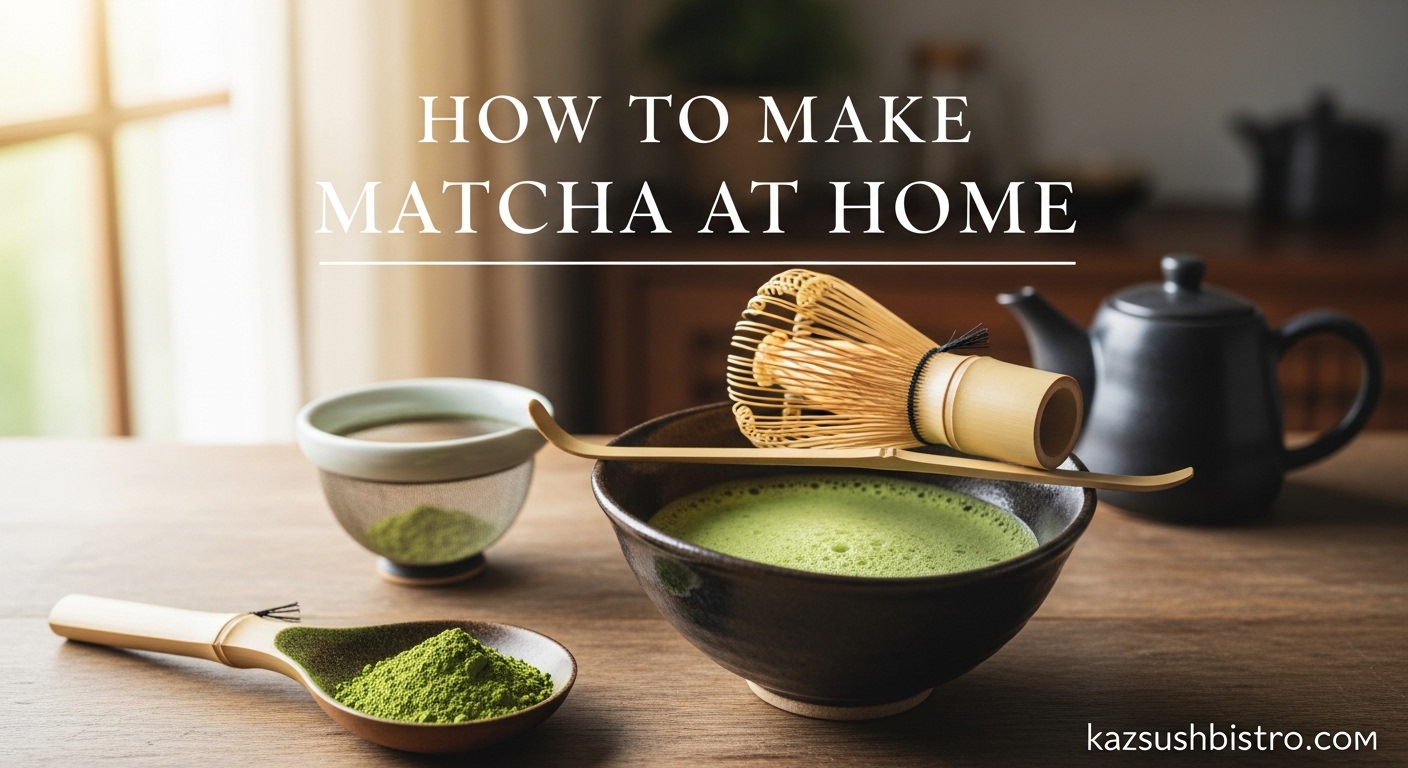
Learning how to make matcha at home transforms your morning routine into a calming ritual that rivals any coffee shop experience. I spent months perfecting my technique after returning from Japan, and I am sharing everything I learned so you can skip the trial and error. Whether you want a traditional cup of usucha or a creamy matcha latte, this guide covers every step from choosing the right powder to achieving that perfect frothy crema.
You do not need expensive equipment or years of practice to make excellent matcha. With the right water temperature, proper whisking technique, and a few insider tips, you will be crafting barista-quality drinks in your own kitchen by this weekend.
Table of Contents
What Is Matcha and Why Is It Special 2026
Matcha is a finely ground powder made from specially grown and processed Japanese green tea leaves. Unlike regular green tea where you steep the leaves and discard them, matcha involves consuming the entire leaf. This difference is what gives matcha its vibrant green color and concentrated health benefits.
The tea plants are shade-grown for three to four weeks before harvest. This shading process increases chlorophyll production and boosts amino acid content, particularly L-theanine. When you drink matcha, you get 137 times more antioxidants than standard green tea according to some studies.
The flavor profile is unique. Quality matcha has an umami-rich, slightly sweet taste with vegetal notes and none of the bitterness you might expect from green tea. That grassy, smooth flavor is what hooked me after my first proper cup in Kyoto.
Traditional matcha preparation dates back to 12th century Japan when Zen Buddhist monks discovered its meditative benefits. The tea ceremony, or chanoyu, evolved around the mindful preparation and consumption of this powdered tea. Today, matcha has gone global, appearing in everything from Starbucks lattes to energy bars.
Ceremonial Grade vs Culinary Grade Matcha
Not all matcha powders are created equal, and choosing the wrong grade is a common beginner mistake. Understanding the difference between ceremonial and culinary grades will save you money and ensure the best taste experience.
Ceremonial Grade Matcha
Ceremonial grade is the highest quality matcha, made from the youngest tea leaves harvested during the first flush. It has a vibrant emerald green color and an incredibly smooth, delicate flavor with natural sweetness. This grade is specifically designed for traditional drinking preparation with just water.
Use ceremonial grade when making traditional usucha (thin tea) or koicha (thick tea). The subtle flavor nuances are best appreciated without milk or sweeteners masking them. Prices typically range from $25 to $50 for 30 grams, reflecting the labor-intensive harvesting process.
Culinary Grade Matcha
Culinary grade matcha comes from slightly older leaves and has a more robust, slightly bitter flavor profile. The color tends toward olive green rather than bright emerald. While perfectly fine for drinking, this grade shines in lattes, smoothies, and baked goods where other flavors complement it.
For beginners making matcha lattes at home, culinary grade offers excellent value at $15 to $25 per 30 grams. The stronger flavor holds up better against milk and sweeteners. Many experienced matcha drinkers actually prefer culinary grade for daily lattes.
Our Recommendation
If you are new to matcha and primarily want lattes, start with a high-quality culinary grade. Once you develop a taste for pure matcha, invest in ceremonial grade for traditional preparation. Either way, look for Japanese origin, bright color, and fine texture as quality indicators.
Equipment You Need to Make Matcha
Traditional matcha preparation uses specific Japanese tea tools, but modern alternatives work perfectly well. I will cover both approaches so you can choose what fits your budget and space.
Traditional Tools (Chadogu)
Bamboo Whisk (Chasen): This is the most essential tool. Made from a single piece of bamboo carved into 80 to 120 fine prongs, the chasen creates the signature frothy texture. The prongs aerate the matcha, producing that beautiful crema layer on top. A basic chasen costs $10 to $20 and lasts several months with proper care.
Matcha Bowl (Chawan): A wide, shallow ceramic bowl that allows room for whisking. The shape helps you move the whisk freely in the proper motion. Any wide bowl works, but traditional chawan has an aesthetic appeal that enhances the ritual.
Bamboo Scoop (Chasaku): A small carved spoon designed to measure matcha powder and break up clumps. While not strictly necessary, a chasaku adds authenticity and helps achieve consistent measurements.
Fine Mesh Sifter: Matcha powder clumps easily due to static electricity. Sifting before whisking ensures a smooth, lump-free drink. A small tea strainer or fine mesh sieve works perfectly.
Modern Alternatives That Work
Electric milk frothers produce excellent matcha with minimal effort. Add your matcha and water to a cup, insert the frother, and blend for 30 seconds. The result is smooth and consistently frothy.
A small blender or bullet-style mixer handles matcha beautifully, especially for iced lattes. This method creates the smoothest texture but requires more cleanup.
In a pinch, a fork and vigorous stirring will work. Your matcha will not have the traditional froth, but the taste remains excellent. I have used this method while traveling with surprisingly good results.
How to Make Matcha at Home: Step-by-Step Instructions
Now for the main event. Follow these steps for traditional usucha preparation that produces a perfect cup every time. I have tested this method hundreds of times and refined it based on feedback from tea ceremony instructors.
Step 1: Sift Your Matcha Powder
Place your fine mesh sifter over your matcha bowl. Measure 1 to 2 teaspoons (2 to 4 grams) of matcha powder and sift it into the bowl. This step is non-negotiable. Sifting breaks up clumps that would otherwise leave gritty lumps in your drink.
The static electricity in matcha makes it stick together. Without sifting, you will be chasing tiny green lumps around your cup no matter how vigorously you whisk. Take the extra 30 seconds here.
Step 2: Heat Water to 175F (80C)
Bring water to a boil, then let it cool for about 5 minutes to reach 175F. Water temperature is critical for avoiding bitter matcha. Boiling water scorches the delicate powder and extracts tannins that create harsh, astringent flavors.
If you do not have a thermometer, boil water and pour it between two cups four times. Each transfer drops the temperature by roughly 10 degrees. After four transfers, you are in the right range.
Add 2 to 3 ounces (60 to 90 ml) of hot water to your sifted matcha. This is less water than you might expect. Traditional usucha is meant to be sipped and savored, not gulped like coffee.
Step 3: Whisk in a W or M Pattern
Hold your bamboo whisk vertically and whisk vigorously using a rapid back-and-forth motion. Move your wrist in a W or zigzag pattern, not circular stirring. The goal is to break up any remaining clumps and incorporate air to create froth.
Whisk for 15 to 30 seconds until the surface develops a layer of fine foam. You should see tiny uniform bubbles, not large soap-like bubbles. When you lift the whisk, the tines should stand up slightly in the foam.
Do not scrape the whisk against the bowl bottom. Hover slightly above and let the flexible prongs do the work. Pressing down bends the prongs and reduces their effectiveness over time.
Step 4: Drink Immediately
Matcha does not keep. The suspended particles settle quickly, and the vibrant green oxidizes to dull brown within minutes. Drink your matcha right after preparation while the froth is fresh and the flavor is bright.
Traditionally, you would drink usucha in three sips. Rotate the bowl slightly between sips to show appreciation from different angles. This mindfulness aspect is part of what makes matcha special.
Alternative: Making Koicha (Thick Tea)
For a more intense experience, try koicha preparation using 4 grams of matcha with only 1 ounce of water. Knead the mixture with the whisk rather than whisking vigorously. The result is a syrup-like consistency with no foam, revealing deeper umami flavors. This method requires higher quality ceremonial grade matcha.
The 30/20/10 Rule and Perfect Measurements
One of the biggest frustrations beginners report is weak, watery matcha. Many online recipes recommend 1/4 teaspoon of powder, which produces a pale, flavorless drink. Here is how to get it right.
The 30/20/10 rule refers to grams of matcha, milliliters of water, and seconds of whisking for optimal results. Specifically: 2 grams matcha (about 1 teaspoon), 60 ml water (2 ounces), and 20 to 30 seconds of vigorous whisking.
Forum users consistently report that 1 to 2 teaspoons (2 to 4 grams) produces the robust flavor they expect. The 4/40/140 ratio popular in latte communities uses 4 grams matcha, 40 ml hot water for the initial paste, then 140 ml milk added.
Start with 1 teaspoon and adjust to taste. Some people prefer stronger matcha and use up to 2 teaspoons. Others find 1/2 teaspoon sufficient. The beauty of making matcha at home is customizing to your preference.
Common Mistakes to Avoid
After helping dozens of friends start their matcha journey, I have seen the same errors repeatedly. Save yourself the frustration by avoiding these pitfalls.
Using Boiling Water
This is mistake number one. Boiling water extracts bitter compounds and ruins the delicate flavor profile. Always let boiled water cool to 175F before adding matcha. Your taste buds will thank you.
Skipping the Sifting Step
Those tiny green clumps will not dissolve no matter how hard you whisk. Sifting takes 30 seconds and transforms your matcha from gritty to silky smooth. Do not skip this step.
Not Whisking Vigorously Enough
Timid whisking produces flat matcha without the signature froth. You need to whisk with energy and speed. The motion should tire your wrist slightly. If you are being gentle, you are doing it wrong.
Using Too Little Powder
Recipes calling for 1/4 teaspoon create disappointing results. Use at least 1 teaspoon for a proper cup. Matcha is concentrated, but it is not that concentrated.
Letting Matcha Sit Too Long
Matcha separates quickly as the powder settles. Prepare it right before drinking and consume within a few minutes. Do not make matcha and then check your email.
Storing Matcha Incorrectly
Matcha oxidizes rapidly when exposed to air, light, and heat. Keep your powder in an airtight container in the refrigerator. Once opened, use it within 2 months for best flavor.
Delicious Matcha Variations to Try
Once you master traditional matcha, experiment with these popular variations. Each offers a different way to enjoy this versatile green tea powder.
Classic Hot Matcha Latte
Prepare your matcha base using the traditional method with slightly less water (1.5 ounces). Heat 6 to 8 ounces of milk separately until steaming but not boiling. Pour the milk into your matcha and sweeten to taste with honey, maple syrup, or sugar.
Oat milk pairs exceptionally well with matcha, complementing its creamy texture without overpowering the flavor. Almond milk is another popular choice, though it adds a slight nuttiness. Whole dairy milk creates the richest, most indulgent latte.
Iced Matcha Latte
For summer refreshment, make a stronger matcha base using 2 teaspoons of powder and 2 ounces of water. Fill a glass with ice, add 6 ounces of cold milk, then pour the matcha over top. Sweeten with simple syrup that dissolves easily in cold liquid.
Shake everything in a cocktail shaker with ice for a frothy, cafe-style presentation. The shaking incorporates air and creates that appealing layered look when poured.
Matcha with Alternative Sweeteners
Traditional Japanese preparation uses no sweetener, but modern palates often prefer a touch of sweetness. Honey and matcha complement each other beautifully. Maple syrup adds depth and warmth. Coconut sugar offers low-glycemic sweetness with caramel notes.
Avoid artificial sweeteners, which can create off-flavors. Start with 1/2 teaspoon of sweetener and adjust to find your perfect balance.
Flavor Combinations
Vanilla extract elevates matcha lattes to coffee shop quality. A tiny drop goes a long way. Coconut milk with a splash of pineapple juice creates a tropical twist that sounds strange but tastes incredible.
For a minty version, add fresh mint leaves to your matcha before whisking, then strain. Or blend matcha with banana and spinach for a green smoothie that delivers sustained energy.
Storage and Shelf Life Tips
Matcha is delicate and deteriorates quickly when stored improperly. Follow these guidelines to keep your powder fresh and flavorful for the full two-month window.
Keep unopened matcha in a cool, dark place. Once opened, transfer to an airtight container and refrigerate. The refrigerator’s cool temperature slows oxidation that degrades color and flavor. Remove the container only when needed to minimize temperature fluctuations.
Exposure to air is matcha’s enemy. Use containers with tight seals and consider smaller containers if you buy in bulk. Matcha absorbs odors easily, so keep it away from strong-smelling foods like garlic or onions.
Signs your matcha has gone bad include dull brownish-green color instead of vibrant emerald, stale or grassy smell, and flat, bitter taste without the usual umami depth. If your matcha looks dull, it is time for a fresh tin.
Frequently Asked Questions
How to make matcha on your own?
Sift 1 to 2 teaspoons of matcha powder into a bowl. Add 2 ounces of water heated to 175F. Whisk vigorously in a W or M pattern using a bamboo whisk or electric frother for 20 to 30 seconds until frothy. Drink immediately.
What is the 30/20/10 rule for matcha?
The 30/20/10 rule is a guideline for matcha preparation: approximately 2 grams of matcha powder, 60ml of water, and 20 to 30 seconds of whisking. This creates the optimal ratio for traditional usucha with proper froth and flavor concentration.
Can I make matcha without a bamboo whisk?
Yes, you can use an electric milk frother, small blender, or even a fork and vigorous stirring. While these methods may not create the traditional froth, they produce smooth, drinkable matcha. A blender works especially well for iced lattes.
Why does my matcha taste bitter?
Bitter matcha usually results from using boiling water instead of 175F water, using low-quality culinary grade for drinking, or using too much powder. Boiling water scorches the powder and extracts tannins. Let boiled water cool for 5 minutes before adding matcha.
Is matcha good for you?
Matcha offers significant health benefits including 137 times more antioxidants than regular green tea, metabolism-boosting properties, and calm alertness from L-theanine combined with caffeine. The whole-leaf consumption means you get all nutrients from the tea.
How much caffeine is in matcha?
One serving of matcha contains approximately 70mg of caffeine, compared to 95mg in coffee. The L-theanine in matcha moderates caffeine absorption, providing sustained energy without the jitters or crash associated with coffee.
Can matcha help lower cortisol?
Matcha contains L-theanine, an amino acid that promotes relaxation without drowsiness. Studies suggest L-theanine may help reduce cortisol levels and stress responses. The ritual of preparing matcha also contributes to stress reduction through mindfulness.
Is matcha good for diabetics?
Unsweetened matcha has zero sugar and minimal carbohydrates, making it suitable for diabetics. Some research suggests matcha may help regulate blood sugar levels. However, matcha lattes with added sweeteners should be consumed carefully by those monitoring blood glucose.
Conclusion
Learning how to make matcha at home opens up a world of flavor and wellness that rivals any cafe experience. The key steps are simple: sift your powder, use 175F water, whisk vigorously in a W pattern, and drink immediately. With quality ceremonial or culinary grade matcha and proper technique, you will create perfect cups that energize and calm simultaneously.
I encourage you to experiment with measurements and milk options to find your personal perfect matcha. Start with the basics outlined here, then branch into lattes, iced versions, and flavor combinations. The ritual of preparation is as rewarding as the drink itself. Here is to your matcha journey.