
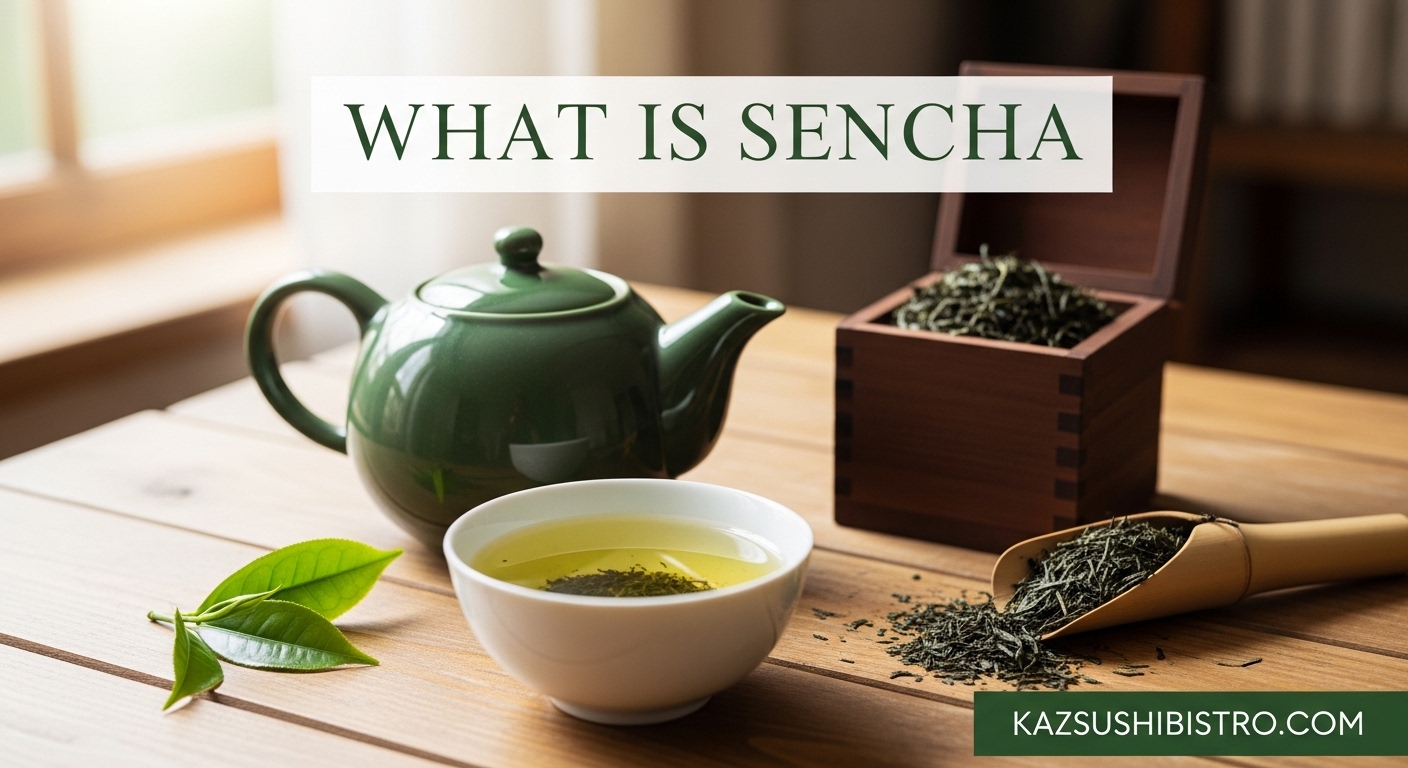
Sencha (煎茶) is Japan’s most beloved green tea, representing over 75% of the country’s total tea production. The name literally translates to “steamed tea,” which reveals the key difference that sets it apart from other green teas around the world. If you have ever sipped a bright, grassy tea at a Japanese restaurant or tea house, chances are you were enjoying sencha.
Unlike Chinese green teas that are pan-fired, sencha undergoes a steaming process immediately after harvest. This creates the distinctive fresh, vegetal flavor that tea enthusiasts either love immediately or learn to appreciate over time. In this guide, I will walk you through everything you need to know about sencha, from how it is made to how to brew the perfect cup.
Table of Contents
Sencha at a Glance: Fast Facts 2026
Before diving into the details, here is what you need to know about sencha at a glance:
- Origin: Japan (primarily Shizuoka, Kagoshima, and Kyoto regions)
- Plant: Camellia sinensis (same as all true teas)
- Processing: Steamed, rolled, and dried (not pan-fired)
- Flavor: Grassy, vegetal, umami, with possible seaweed notes
- Color: Bright green to golden-yellow liquid
- Caffeine: 20-40mg per 8oz cup (less than coffee)
- Brewing temp: 160-175°F (71-79°C)
- Steep time: 1-2 minutes
What Is Sencha?
Sencha is a type of Japanese green tea made from the first or second flush leaves of the Camellia sinensis plant. It is an unshaded tea, meaning the plants grow under full sunlight throughout their entire cultivation period. This sun exposure creates the high levels of catechins that give sencha its characteristic slight astringency and brisk, refreshing quality.
The defining characteristic of sencha is its steaming process. Immediately after harvest, the fresh tea leaves are steamed for 15-20 seconds to prevent oxidation and stop the enzymatic activity that would otherwise turn the leaves brown. This “kill-green” process preserves the vibrant green color and fresh, grassy flavors that sencha is known for. The leaves are then rolled into thin, needle-like shapes and dried to remove moisture.
This steaming method contrasts sharply with Chinese green tea production, where leaves are pan-fired in woks or large dryers. Pan-firing creates a nuttier, toastier flavor profile, while steaming produces that distinctive fresh, vegetal taste with hints of seaweed and grass. Understanding this difference helps explain why sencha tastes so uniquely Japanese.
Sencha accounts for approximately 80% of all tea consumed in Japan. It is the everyday tea that Japanese people drink at home, at work, and in restaurants. While matcha often gets the spotlight internationally for its ceremonial prestige, sencha is truly the backbone of Japanese tea culture.
How Sencha Is Made
The production of sencha involves several precise steps that transform fresh tea leaves into the finished product. Each stage affects the final flavor, aroma, and appearance of the tea.
Harvesting
Sencha is typically harvested from late April through May, depending on the region and climate conditions. The first harvest of the year, called shincha or ichiban-cha, produces the highest quality leaves with the most nuanced flavors and highest nutrient content. Second flush teas harvested later in the summer are still enjoyable but tend to be less complex and more astringent.
Only the top young leaves and buds are picked for quality sencha. These tender leaves contain higher concentrations of amino acids like L-theanine, which contributes to the tea’s umami sweetness. Mechanical harvesting is common for commercial production, while premium grades are still hand-picked.
The Steaming Process (Kill-Green)
The steaming process is what makes sencha distinctively Japanese. Within hours of harvesting, the fresh leaves are exposed to high-temperature steam for 15 to 120 seconds depending on the desired style. This immediate steaming halts oxidation by deactivating enzymes that would otherwise break down the green pigments and fresh flavors.
The duration of steaming creates the different varieties of sencha. Light steaming produces asamushi sencha, while deep steaming creates fukamushi sencha with very different characteristics. This steaming stage is critical, as it locks in the catechins, chlorophyll, and amino acids that define sencha’s health benefits and taste profile.
Rolling and Shaping
After steaming, the soft leaves are rolled and shaped through a multi-step process. Traditional methods involve rolling the leaves by hand or in small machines, while commercial production uses larger rolling machines. The rolling serves two purposes: it shapes the leaves into the characteristic thin, needle-like form and helps break down cell walls to release flavor compounds during brewing.
The rolling process also helps remove excess moisture and creates the tight, twisted appearance that high-quality sencha is known for. Leaves that are too wet will not roll properly and may develop off-flavors during storage.
Drying and Sorting
The final stage involves drying the rolled leaves to reduce moisture content to around 5%. This preserves the tea and prevents mold or degradation during storage. Some teas undergo multiple drying phases between rolling cycles to achieve the perfect consistency.
After drying, the leaves are sorted by size and quality. The finest, most uniform leaves are graded as premium sencha, while broken pieces and smaller fragments are often used for tea bags or blended into other products like genmaicha (tea with roasted rice).
Types and Varieties of Sencha
Not all sencha is created equal. The steaming duration creates distinct categories, while harvest timing and growing regions also produce notable differences.
By Steaming Level
The three main categories of sencha are defined by how long the leaves are steamed:
Asamushi (浅蒸し) – Light Steamed: Steamed for 20-30 seconds. This produces a pale, clear liquor with a delicate, subtle flavor. The leaves retain their original shape well and unfurl beautifully when brewed. Asamushi sencha tends to have more pronounced floral and sweet notes with less bitterness. It is preferred by traditionalists who enjoy nuanced, layered flavors.
Chumushi (中蒸し) – Medium Steamed: Steamed for 40-60 seconds. This middle ground offers a balance between the delicacy of asamushi and the intensity of fukamushi. The liquor is more green than asamushi but not as cloudy as deep-steamed varieties. Chumushi provides a good entry point for those new to Japanese green tea.
Fukamushi (深蒸し) – Deep Steamed: Steamed for 80-120 seconds or longer. The extended steaming breaks down the leaf fibers more thoroughly, creating a richer, cloudier brew with a vivid green color. Fukamushi sencha has less astringency and more pronounced umami flavors. The leaves often fragment more, which is normal for this style.
By Harvest Season
Shincha (新茶) – First Flush: The first harvest of spring, typically picked from late April to early May. Shincha is prized for its fresh, vibrant flavor and higher nutrient content. Japanese tea enthusiasts eagerly await shincha season each year, and the tea commands premium prices. The leaves are tender and rich in amino acids from winter dormancy.
Nibancha (二番茶) – Second Flush: Harvested in June or July. These leaves are larger and more mature, producing a stronger but less refined flavor. Second flush sencha tends to be more astringent and less sweet than first flush.
Sanbancha (三番茶) and Yonbancha: Third and fourth harvests later in summer. These are generally considered lower quality and often used for bottled teas or commercial blending rather than premium loose-leaf offerings.
Regional Varieties
Shizuoka Sencha: Shizuoka Prefecture produces about 40% of Japan’s tea and is the most famous sencha-growing region. The teas here tend to be well-balanced with good umami and moderate astringency.
Kagoshima Sencha: From the southern island of Kyushu, Kagoshima teas often have a bolder, more robust character due to the warmer climate. These teas are increasingly popular for their consistent quality.
Uji Sencha: The Uji region near Kyoto is famous for matcha and gyokuro, but also produces high-quality sencha. Uji sencha tends to be more refined and elegant, often commanding higher prices.
What Does Sencha Taste Like?
Sencha offers a distinctive flavor profile that surprises many first-time drinkers. The taste is often described as grassy, vegetal, and reminiscent of seaweed or nori (the wrapper used for sushi).
Flavor Characteristics
The primary tasting notes in sencha include:
Grassy and Vegetal: Fresh-cut grass, steamed spinach, and green vegetables are common descriptors. This comes from the high chlorophyll content preserved by the steaming process.
Umami: That savory, brothy quality associated with Japanese cuisine is prominent in good sencha. The amino acid L-theanine creates this satisfying, mouth-filling sensation.
Seaweed/Nori: Many drinkers detect notes of nori, kelp, or oceanic qualities. This can be off-putting for some beginners but is considered a mark of authenticity by enthusiasts.
Sweetness: High-quality sencha has a natural sweetness that balances the vegetal notes. This sweetness lingers in the aftertaste.
Astringency: A pleasant briskness or dryness on the palate comes from catechins. Proper brewing minimizes excessive bitterness.
An Acquired Taste
Based on forum discussions from tea communities, sencha is definitely an acquired taste for many Western palates. Some first-time drinkers find the seaweed notes unusual or off-putting. One Reddit user described it as “subtle and delicate, but with a seafood undertone” that took time to appreciate.
However, those who stick with sencha often find it becomes their daily drink of choice. The clear cup, refreshing quality, and calm alertness it provides make it ideal for regular consumption. Many tea enthusiasts describe sencha as their “everyday staple” while reserving matcha for special occasions.
If you find sencha too intense at first, try starting with chumushi or asamushi varieties rather than fukamushi. You might also brew at slightly lower temperatures to reduce bitterness while you adjust to the flavor profile.
How to Brew Sencha
Proper brewing makes the difference between a bitter, unpleasant cup and a smooth, delicious experience. Sencha is less forgiving than black tea when it comes to temperature and timing.
Basic Brewing Parameters
For most sencha varieties, use these guidelines:
- Water temperature: 160-175°F (70-80°C)
- Leaf amount: 1 teaspoon (4-5 grams) per 8oz cup
- Steep time: 1-2 minutes
- Water quality: Filtered or spring water preferred
The most common mistake is using water that is too hot. Boiling water (212°F) will scorch the delicate leaves and extract excessive bitterness. Let boiling water cool for 2-3 minutes before pouring, or use a thermometer for precision.
Brewing by Sencha Type
Different sencha varieties require slight adjustments:
Asamushi (Light Steamed): Use 175°F water for 1.5-2 minutes. The lighter steaming means the leaves are less broken down, so they need slightly higher temperature and longer time to release their flavors fully.
Chumushi (Medium Steamed): Use 170°F water for 1-1.5 minutes. This is the most forgiving variety for beginners.
Fukamushi (Deep Steamed): Use 160°F water for 40-60 seconds. The extended steaming breaks down cell walls, so flavors extract quickly. Over-steeping fukamushi creates excessive cloudiness and bitterness.
Multiple Infusions
High-quality sencha can be re-steeped 2-3 times. For subsequent infusions, use the same temperature but reduce steeping time to 30-45 seconds. Some enthusiasts prefer the second or third infusion, as the initial bitterness mellows and sweetness becomes more prominent.
Japanese tea ceremony practitioners may use the traditional senchado method with small teapots and cups, emphasizing appreciation of each infusion’s subtle differences.
Cold Brewing Sencha
For a refreshing summer beverage, cold brew sencha by steeping 5 grams of leaves in 16oz of cold water for 2-4 hours in the refrigerator. Cold brewing extracts less caffeine and bitterness while highlighting the sweet, umami notes. This method is particularly forgiving and produces a smooth, thirst-quenching drink.
Health Benefits of Sencha
Sencha is not just delicious, it is also packed with compounds that support wellness. The minimal processing preserves many of the beneficial elements found naturally in tea leaves.
Key Nutrients
Catechins: These antioxidants, particularly EGCG (epigallocatechin gallate), are abundant in sencha. Catechins support cellular health and may boost metabolism. The unshaded growing conditions and steaming process help preserve these compounds.
L-theanine: This amino acid promotes relaxation without drowsiness. Combined with caffeine, it creates a state of “calm alertness” that many find ideal for focused work or meditation. Sencha contains significant L-theanine, though less than shade-grown teas like gyokuro.
Vitamins and Minerals: Sencha contains vitamin C, vitamin E, and trace minerals. The vitamin C is particularly notable because it remains stable in the steaming process.
Caffeine Content
A typical cup of sencha contains 20-40mg of caffeine, depending on brewing time and leaf amount. This is roughly half the caffeine in a cup of coffee. First flush shincha tends to be higher in caffeine than later harvests.
The L-theanine in sencha moderates the caffeine absorption, providing a gentler, more sustained energy boost without the jitters or crash associated with coffee. This makes sencha suitable for afternoon drinking when you want alertness without interfering with sleep later.
Who Should Avoid Sencha
While generally safe, certain individuals should exercise caution:
- People sensitive to caffeine should limit consumption, especially in the evening
- Those taking blood-thinning medications should consult their doctor (vitamin K content)
- Individuals with iron deficiency should drink sencha between meals (tannins may affect iron absorption)
- Pregnant women should monitor caffeine intake from all sources
Sencha vs Matcha: What’s the Difference?
Sencha and matcha are both Japanese green teas, but they differ significantly in production, preparation, and experience.
Production Differences
Sencha grows under full sunlight and is harvested as whole leaves. Matcha is made from shade-grown tea plants. About 3-4 weeks before harvest, matcha plants are covered to increase chlorophyll and L-theanine content. After harvesting, matcha leaves are steamed, dried, then ground into a fine powder.
Preparation and Consumption
Sencha is brewed as a loose-leaf tea and the liquid is consumed while the leaves are discarded. Matcha is whisked directly into water or milk, and the entire leaf is consumed. This means matcha provides more concentrated nutrients but also more caffeine.
Flavor and Use Cases
Matcha has a more intense, creamy, and slightly sweet flavor with less astringency. It is ideal for lattes, smoothies, and ceremonial preparation. Sencha is lighter, more refreshing, and better suited for daily drinking throughout the day. Many tea enthusiasts consider sencha their everyday tea while saving matcha for special occasions or specific recipes.
Price is another consideration. Quality matcha is significantly more expensive than sencha due to the labor-intensive shading and grinding process. Sencha offers excellent value for daily consumption.
What to Pair with Sencha
One content gap I noticed in competitor research was specific food pairing advice. Given that this article is for KAZ Sushi Bistro, let me share how sencha complements Japanese cuisine.
Sushi and Sashimi Pairings
Sencha is the traditional accompaniment to sushi meals in Japan. The tea’s astringency and clean finish help cleanse the palate between different pieces of fish. The vegetal notes complement rather than compete with delicate fish flavors.
Light steamed asamushi sencha pairs beautifully with white fish like snapper and halibut. Medium chumushi works well with richer fish like salmon and tuna. The umami in sencha actually enhances the perception of umami in the fish.
Avoid strongly flavored foods like spicy tuna rolls or heavily sauced items when enjoying premium sencha. The tea’s subtlety will be lost against bold flavors.
Other Japanese Foods
Sencha complements lighter Japanese dishes perfectly. Try it with:
- Tempura (the astringency cuts through the fried coating)
- Miso soup (umami harmony)
- Edamame (fresh flavors align)
- Onigiri rice balls (neutral canvas for tea appreciation)
- Light salads with ginger dressing
Western Food Pairings
For non-Japanese cuisine, pair sencha with:
- Light salads with citrus dressings
- Steamed or grilled white fish
- Vegetable-based dishes
- Light cheeses like fresh mozzarella or goat cheese
- Shortbread or delicate butter cookies
Avoid pairing sencha with very sweet desserts, spicy foods, or heavily seasoned dishes. The tea’s delicate character will be overwhelmed.
Frequently Asked Questions
What is the difference between green tea and sencha?
Sencha is a specific type of Japanese green tea. While all sencha is green tea, not all green tea is sencha. The key difference is the processing method: sencha is steamed, while Chinese green teas are typically pan-fired. This creates sencha’s distinctive grassy, vegetal flavor compared to the nuttier, toastier notes of Chinese green teas. Sencha also represents a specific Japanese tradition with defined varieties like asamushi and fukamushi.
Is sencha as healthy as matcha?
Both sencha and matcha offer significant health benefits, but matcha may have an edge in certain areas because you consume the entire leaf. Matcha typically contains higher concentrations of L-theanine and chlorophyll due to the shade-growing process. However, sencha is still rich in catechins, antioxidants, and L-theanine. For daily drinking, sencha provides excellent health benefits at a more affordable price point. Both support metabolism, provide calm alertness, and offer antioxidant protection.
Who should not drink sencha green tea?
People who should exercise caution with sencha include: those sensitive to caffeine (especially for evening consumption), individuals taking blood-thinning medications (due to vitamin K content), people with iron deficiency (tannins may affect absorption), and pregnant women who need to monitor total caffeine intake. Additionally, those with certain heart conditions or anxiety disorders may want to limit caffeine consumption. As with any caffeinated beverage, moderation is key.
What is sencha tea good for?
Sencha tea offers several benefits: antioxidant protection from catechins, calm alertness from the caffeine and L-theanine combination, metabolic support, hydration, and palate cleansing. It is particularly good for daily drinking due to its moderate caffeine content and refreshing qualities. The tea supports focus without jitters, making it ideal for work or study. Sencha is also traditionally used to aid digestion and freshen breath.
What is sencha supposed to taste like?
Sencha should taste fresh, grassy, and vegetal with notes of steamed greens like spinach or asparagus. High-quality sencha has prominent umami (savory) flavors and a natural sweetness in the finish. You may detect seaweed or nori-like undertones, which is normal and desirable. The tea should not be overly bitter if brewed correctly. Light varieties (asamushi) are more delicate and floral, while deep-steamed (fukamushi) varieties are richer and more full-bodied.
Is sencha more bitter than matcha?
Sencha can be more bitter than matcha if brewed incorrectly, but properly prepared sencha should have pleasant astringency rather than harsh bitterness. Matcha contains more L-theanine, which contributes to sweetness and reduces perceived bitterness. Sencha’s bitterness increases with brewing temperature and time. Brewing sencha at the recommended 160-175°F for 1-2 minutes minimizes bitterness. Matcha’s powder form means it is whisked, not steeped, which affects the extraction and flavor profile differently.
Is sencha high in L-theanine?
Sencha contains moderate levels of L-theanine, typically 15-25mg per cup. While this is less than shade-grown teas like gyokuro or matcha (which can have 30-40mg), it is still significant. The L-theanine in sencha contributes to its umami flavor and provides the characteristic calm alertness that Japanese green tea drinkers enjoy. For higher L-theanine content, look for first flush shincha harvested in early spring, as young leaves contain more amino acids.
Does sencha have caffeine?
Yes, sencha contains caffeine. A typical 8oz cup has 20-40mg of caffeine, roughly half the amount in a cup of coffee. First flush shincha tends to have slightly more caffeine than later harvests. The caffeine in sencha is moderated by L-theanine, creating a gentler, more sustained energy boost without the jitters associated with coffee. If you are sensitive to caffeine, avoid drinking sencha in the evening and limit your consumption earlier in the day.
How do you store sencha?
Store sencha in an airtight container away from light, heat, moisture, and strong odors. A tin or opaque container is ideal. Keep it in a cool, dark pantry rather than the refrigerator to avoid condensation issues when opening. Consume opened sencha within 2-3 months for best flavor, though it remains safe to drink longer. Premium shincha is best consumed within the year of harvest. Vacuum-sealed unopened packages can last 6-12 months if stored properly.
What is the best water temperature for sencha?
The ideal water temperature for sencha is 160-175°F (70-80°C). Light-steamed asamushi can handle the higher end (175°F), while deep-steamed fukamushi does better at the lower end (160°F). Using boiling water will scorch the leaves and create excessive bitterness. Let boiling water cool for 2-3 minutes, or use a temperature-controlled kettle. Japanese tea masters often emphasize that water temperature is the most critical factor for brewing delicious sencha.
Conclusion
Sencha (煎茶) is more than just a beverage, it is a window into Japanese culture and a daily ritual enjoyed by millions. This steamed green tea represents over 75% of Japan’s tea production for good reason. Its fresh, grassy flavor and moderate caffeine content make it perfect for everyday drinking.
The key to enjoying sencha lies in understanding its varieties and brewing it correctly. Whether you prefer the delicate elegance of asamushi or the rich umami of fukamushi, there is a sencha for every palate. Start with the brewing guidelines in this guide, experiment with different temperatures and timing, and give yourself time to acquire the taste.
If you are visiting KAZ Sushi Bistro, ask about our tea selection. A properly brewed cup of sencha makes the perfect complement to your sushi experience. The tea’s palate-cleansing properties and umami harmony with fresh fish create an authentic Japanese dining experience that goes beyond just the food.
What is sencha? It is Japan in a cup. It is refreshment, tradition, and wellness all at once. Brew yourself a cup and discover why this humble green tea has captivated an entire nation.