
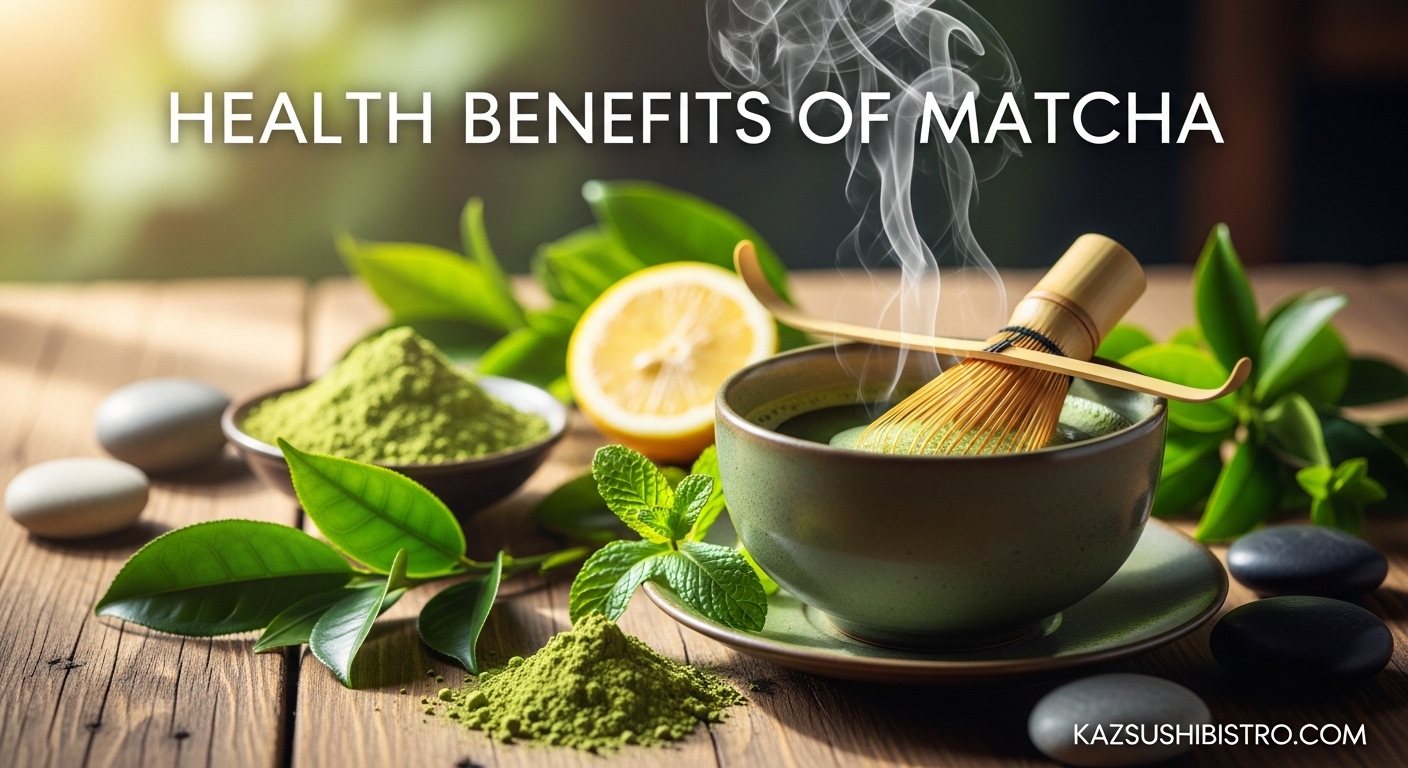
Matcha is a concentrated green tea powder made from finely ground Camellia sinensis leaves that has captured the attention of health enthusiasts worldwide. The health benefits of matcha tea have made it particularly popular among Gen Z, who are drawn to its vibrant aesthetic, sustained energy properties, and wellness culture associations. Whether you are looking to boost your antioxidant intake, improve mental clarity, or simply find a healthier alternative to coffee, matcha offers science-backed advantages worth exploring.
In this comprehensive guide, we will cover the seven proven health benefits of matcha, how it compares to coffee, proper preparation methods, and important safety considerations. Our team has analyzed clinical research, forum discussions, and nutritional data to bring you accurate, actionable information about this powerful green tea powder.
Table of Contents
What is Matcha? Understanding the Basics
Matcha is a powdered form of green tea that originates from Japan, where it has been consumed for centuries as part of traditional tea ceremonies. Unlike regular green tea where you steep the leaves and discard them, matcha involves consuming the entire leaf in powdered form. This fundamental difference means you get the full nutritional profile of the tea plant.
The production process sets matcha apart from other teas. Farmers shade-grow the tea plants for 20 to 30 days before harvest. This shading technique increases chlorophyll production and boosts amino acid content, particularly L-theanine. After harvesting, the leaves are steamed, dried, and slowly stone-ground into a fine powder.
Not all matcha is created equal. Ceremonial grade matcha uses the youngest, most tender leaves and offers the highest quality for drinking. Culinary grade matcha works better for cooking and lattes. When shopping for matcha, look for bright green color (indicating freshness), origin from Japan (Uji and Nishio regions are renowned), and organic certification to avoid pesticide contamination.
Matcha Nutrition Profile
A single serving of matcha (about 1 gram or half a teaspoon) delivers impressive nutritional value. You get approximately 3 calories, 1 gram of protein, and zero fat or carbohydrates. The real magic lies in the bioactive compounds.
Matcha contains 35 milligrams of caffeine per serving, significantly less than coffee. It also provides 25 to 40 milligrams of L-theanine, the amino acid responsible for matcha’s calming effects. The chlorophyll content is notably high due to the shade-growing process, giving matcha its signature emerald color.
The star compounds are catechins, particularly epigallocatechin-3-gallate (EGCG). One cup of matcha contains roughly 130 milligrams of catechins, compared to about 60 milligrams in regular green tea. Matcha also provides vitamins A, C, and E, along with trace minerals including potassium, calcium, and iron.
7 Proven Health Benefits of Matcha 2026
1. Matcha is Packed with Powerful Antioxidants
Matcha contains exceptionally high levels of antioxidants that help protect your body from oxidative stress and free radical damage. The Oxygen Radical Absorbance Capacity (ORAC) score of matcha is 1,384 units per gram, significantly higher than blueberries (93), spinach (26), or broccoli (31).
The primary antioxidants in matcha are catechins, with EGCG being the most abundant and well-researched. These polyphenol compounds neutralize free radicals, unstable molecules that can damage cells and contribute to chronic diseases. A study published in the Journal of Chromatography found that matcha contains up to 137 times more EGCG than China Green Tips green tea.
Regular consumption of matcha may help reduce inflammation throughout the body. The antioxidants work at the cellular level to protect DNA from damage and support overall longevity. Many users report decreased inflammation and pain after incorporating matcha into their daily routine.
2. Matcha May Help Protect Your Liver
Your liver works tirelessly to filter toxins from your blood and metabolize medications. Matcha appears to support this vital organ through multiple mechanisms. Research published in the International Journal of Sports Nutrition and Exercise Metabolism found that matcha helped protect liver enzymes in diabetic subjects.
Several studies suggest that the catechins in matcha can help prevent liver damage and reduce the risk of liver disease. A meta-analysis of 15 studies found that drinking green tea was associated with a reduced risk of liver disease, with the benefits most pronounced in those who drank four or more cups daily.
The detoxification support comes from matcha’s ability to enhance the production of glutathione, your body’s master antioxidant. This compound plays a critical role in liver detoxification pathways. While matcha cannot undo damage from excessive alcohol consumption, it may provide protective benefits for liver health.
3. Matcha Enhances Brain Function and Mental Clarity
One of matcha’s most celebrated benefits is its ability to improve cognitive function without the jitters associated with coffee. The unique combination of caffeine and L-theanine creates a state of calm alertness that many users describe as feeling focused and refreshed without the caffeine crash.
Research supports these subjective reports. A study in the journal Food Research International found that matcha improved attention, reaction time, and memory compared to placebo. Another study showed that participants who consumed matcha experienced better cognitive performance during stressful tasks.
L-theanine promotes alpha wave production in the brain, which is associated with relaxation and mental clarity. This amino acid also modulates caffeine absorption, providing sustained energy over 4 to 6 hours rather than the sharp spike and crash from coffee. Users consistently report improved mood, describing their mental state as happier and more balanced compared to coffee consumption.
4. Matcha Supports Heart Health
Cardiovascular disease remains the leading cause of death worldwide, making heart health a priority for many. Matcha contains compounds that may help reduce several risk factors for heart disease. A meta-analysis published in the European Journal of Nutrition found that catechins in green tea help lower LDL cholesterol and triglycerides.
Studies suggest that matcha consumption may help prevent the oxidation of LDL cholesterol, a key step in the development of atherosclerosis. The antioxidants in matcha also appear to improve endothelial function, helping blood vessels relax and regulate blood pressure more effectively.
Regular green tea drinkers have up to a 31% lower risk of cardiovascular disease according to large-scale population studies. While matcha is more concentrated than regular green tea, the research specifically on matcha and heart health is still emerging. However, given the higher antioxidant content, matcha likely offers similar or superior benefits.
5. Matcha May Help with Weight Management
Matcha has gained popularity among those looking to manage their weight, and research suggests there is merit to this use. Studies indicate that the catechins in matcha can boost metabolism and increase fat burning. During moderate exercise, matcha has been shown to enhance fat oxidation by up to 17%.
The thermogenic effect of matcha means your body burns more calories at rest after consumption. One study found that consuming green tea extract increased calorie burning by 4% over 24 hours. While this may seem modest, it can add up over time when combined with other healthy habits.
However, matcha is not a magic bullet for weight loss. The question “Does matcha burn belly fat?” gets asked frequently. The answer is that matcha can support weight management efforts when combined with a healthy diet and regular exercise, but it will not spot-reduce belly fat on its own. Sustainable weight management requires a comprehensive approach.
6. Matcha May Improve Skin Health
The anti-inflammatory properties of matcha extend to skin health benefits. Many users report that their skin has calmed down after regular matcha consumption. The high chlorophyll content helps protect skin from sun damage and environmental pollutants.
EGCG has been shown to help treat acne by reducing sebum production and inhibiting bacterial growth that contributes to breakouts. Topical application of matcha masks has also become popular, though drinking matcha provides systemic benefits from within.
The antioxidants in matcha combat the oxidative stress that accelerates skin aging. Regular consumption may help maintain skin elasticity and reduce the appearance of fine lines. The anti-inflammatory effects can also help with conditions like rosacea and eczema for some individuals.
7. Matcha Supports Gut Health
Emerging research suggests matcha may benefit the gut microbiome. The polyphenols in matcha act as prebiotics, feeding beneficial bacteria in your digestive tract. A healthy gut microbiome is increasingly recognized as foundational for overall health.
Matcha may help reduce inflammation in the digestive system. For those with general digestive discomfort, matcha can be gentler than coffee while still providing a morning boost. However, those with specific conditions like IBD should exercise caution, which we address in the side effects section.
The L-theanine in matcha may also help reduce stress-related digestive issues. Since the gut and brain are closely connected through the gut-brain axis, matcha’s calming effects may indirectly support digestive wellness.
Matcha vs Coffee: Which is Better for Your Health?
Comparing matcha to coffee is one of the most common questions people have. Both beverages contain caffeine, but they deliver very different experiences. Coffee typically contains 95 milligrams of caffeine per cup compared to matcha’s 35 milligrams.
The difference lies in how the caffeine affects you. Coffee provides a quick jolt followed by a crash that many find unpleasant. Matcha delivers sustained energy over several hours without the jitters or anxiety. The L-theanine smooths out the caffeine’s effects, creating what many describe as 100 times better than coffee for productivity and mood.
Antioxidant content heavily favors matcha. While coffee does contain some antioxidants, matcha delivers exponentially more. If your primary goal is antioxidant intake, matcha wins decisively. Coffee drinkers who switch to matcha often report they do not miss the crash and appreciate the steadier energy.
That said, coffee has its place. If you need a rapid, intense energy boost for a short period, coffee delivers. Some people simply prefer the taste and ritual of coffee. Both can be part of a healthy lifestyle. Many people enjoy matcha in the morning and afternoon, reserving coffee for special occasions or early mornings when maximum alertness is needed.
How to Prepare Matcha Tea at Home
Preparing matcha traditionally requires a few specific tools but delivers the best experience. You will need a matcha bowl (chawan), bamboo whisk (chasen), bamboo scoop (chashaku), and a fine-mesh sieve. The traditional method creates a frothy, smooth tea that maximizes flavor.
Step 1: Sift 1 to 2 grams (about half a teaspoon) of matcha powder into your bowl to remove clumps. Step 2: Add 60 to 80 milliliters of hot water at 175 degrees Fahrenheit, not boiling. Boiling water damages the delicate flavor and nutrients. Step 3: Whisk vigorously in a zigzag motion until a frothy layer forms on top.
Modern alternatives work well for daily use. You can add matcha powder and water to a shaker bottle or blender for 30 seconds. For a matcha latte, whisk the powder with a small amount of hot water first to create a paste, then add steamed milk and sweetener if desired. The key is thoroughly dissolving the powder to avoid clumps.
Side Effects and Precautions
Is drinking matcha every day healthy? For most people, moderate daily consumption of matcha is safe and potentially beneficial. The key word is moderation. Most experts recommend limiting intake to 2 to 3 cups per day, providing roughly 70 to 100 milligrams of caffeine total.
Caffeine sensitivity varies widely among individuals. If you are sensitive to caffeine, start with half a serving and observe how you feel. Some people may experience insomnia if they consume matcha late in the day. The 30/20/10 rule some enthusiasts follow suggests 30 grams of matcha monthly, 20 days of consumption, 10 grams maximum daily, though this is stricter than necessary for most people.
Contaminant concerns are real. Non-organic matcha may contain lead absorbed from the soil, as tea plants are particularly efficient at absorbing heavy metals. Studies have found that matcha can contain higher lead levels than regular green tea because you consume the whole leaf. Choose organic, ceremonial-grade matcha from reputable sources to minimize this risk.
Can you drink matcha with IBD? The answer depends on your individual condition. Some people with inflammatory bowel disease find matcha soothing, while others may experience irritation. The caffeine can stimulate the bowels, which may be problematic during flares. If you have IBD, consult your doctor and start with very small amounts to test your tolerance.
Pregnant women should limit caffeine intake to 200 milligrams daily, making 1 to 2 cups of matcha generally safe. Those taking blood thinners should be aware that matcha’s vitamin K content may interact with medications. When in doubt, consult your healthcare provider.
Frequently Asked Questions
Is drinking matcha every day healthy?
Yes, drinking matcha every day is healthy for most people when consumed in moderation. Research suggests that 2 to 3 cups daily provides health benefits without significant risks. Daily consumption supports antioxidant intake, sustained energy, and cognitive function. The key is choosing high-quality organic matcha to avoid contaminants.
Why is Gen Z obsessed with matcha?
Gen Z is drawn to matcha for multiple reasons including its aesthetic appeal for social media, association with wellness culture, sustained energy without jitters, and the calming focus it provides. The vibrant green color and traditional Japanese heritage also appeal to younger consumers seeking authentic experiences over artificial products.
Can I drink matcha with IBD?
It depends on your individual condition and tolerance. Some people with IBD find matcha soothing due to its anti-inflammatory properties, while others may experience irritation from the caffeine or tannins. Start with small amounts, choose high-quality organic matcha, and consult your gastroenterologist. During active flares, it may be best to avoid caffeinated beverages.
Does matcha burn belly fat?
Matcha does not specifically target belly fat, but it can support overall weight management efforts. Studies show matcha increases metabolism and fat oxidation, particularly during exercise. However, spot reduction is a myth. Matcha works best as part of a comprehensive approach including healthy eating and regular physical activity.
How long does it take to see benefits from matcha?
Some benefits like improved focus and sustained energy are noticeable immediately. Other benefits such as antioxidant effects, improved cholesterol, and inflammation reduction may take 2 to 4 weeks of consistent daily consumption. Skin health improvements typically become visible after 3 to 6 weeks. Consistency matters more than quantity.
What is the 30/20/10 rule for matcha?
The 30/20/10 rule is a guideline some matcha enthusiasts follow: 30 grams of matcha monthly, consumed over 20 days, with a maximum of 10 grams daily. This is stricter than necessary for most people but provides a framework for moderate consumption. Most healthy adults can safely consume up to 3 cups of matcha daily.
Final Thoughts on Health Benefits of Matcha
The health benefits of matcha are well-supported by scientific research and real user experiences. From its exceptional antioxidant content to its brain-boosting properties and heart health support, matcha offers a unique combination of benefits that few other beverages can match.
Whether you are looking for sustained energy without the coffee crash, antioxidant protection, or simply a delicious addition to your wellness routine, matcha deserves consideration. Start with high-quality ceremonial grade matcha from Japan, experiment with preparation methods, and pay attention to how your body responds.
Remember that matcha is a supplement to, not a replacement for, a healthy lifestyle. Its benefits compound when combined with nutritious eating, regular exercise, and adequate sleep. In 2026, matcha continues to be one of the most research-backed functional beverages available. Give it a try and experience the difference for yourself.