
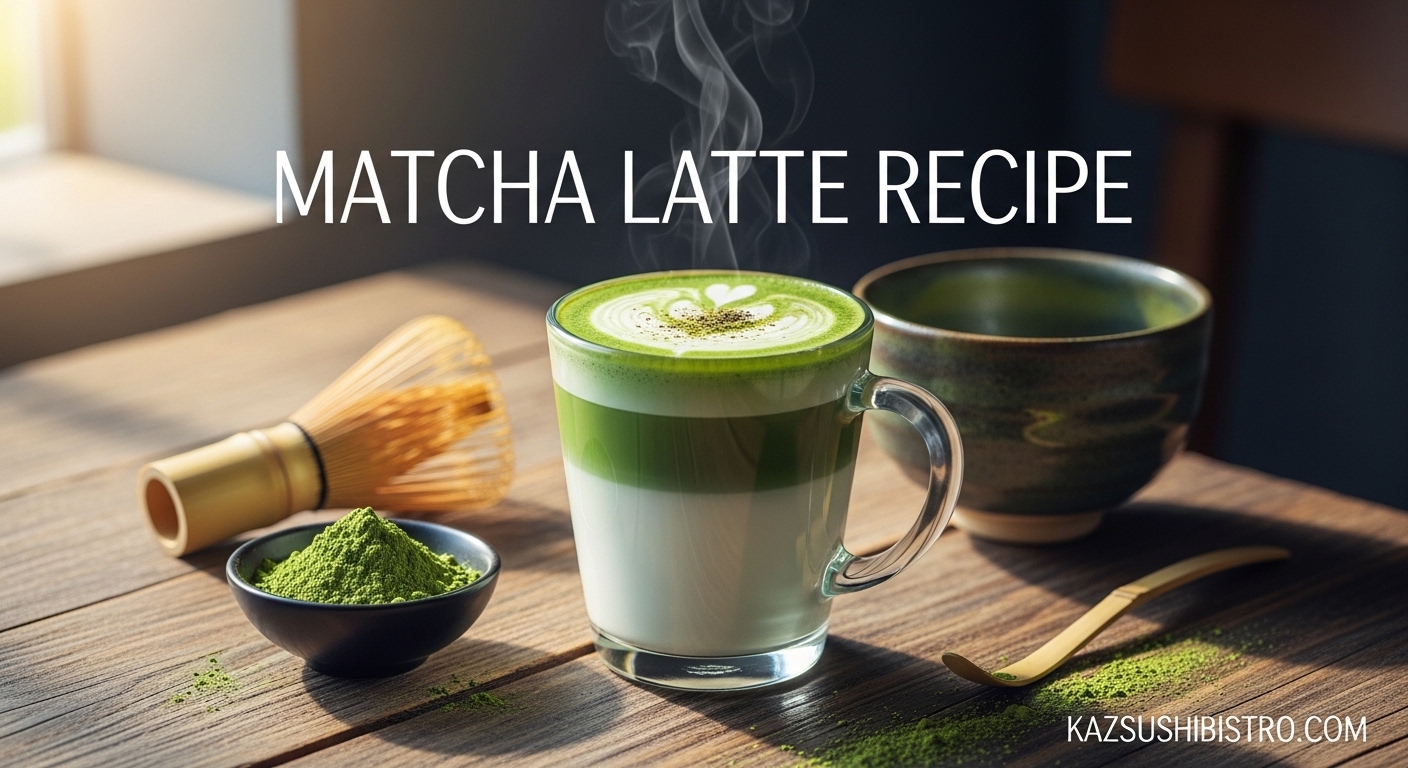
There is something almost meditative about making a matcha latte at home. The ritual of sifting the vibrant green powder, whisking it into a smooth paste, and watching the frothy milk swirl together creates a moment of calm before the day begins.
I spent three months perfecting this matcha latte recipe after returning from a trip to Kyoto, where I tasted authentic Japanese matcha for the first time. The grassy, slightly sweet, earthy flavor was unlike anything I had experienced at coffee chains back home. What I discovered is that making a cafe-quality matcha latte requires only three ingredients and about five minutes, but the technique matters immensely.
In this guide, I will share everything I have learned about creating the perfect matcha latte. You will discover the proper water temperature that prevents bitterness, the whisking technique that creates that signature froth, and the exact ratios that coffee shops use. Whether you prefer your latte hot and cozy or iced and refreshing, this recipe will become your go-to morning ritual.
Table of Contents
What Is Matcha, and Why Make It at Home?
Matcha is finely ground powder made from specially grown and processed green tea leaves. Unlike regular green tea where you steep the leaves and discard them, with matcha you consume the entire leaf. This means you get significantly more antioxidants, vitamins, and minerals in every sip.
The quality spectrum ranges from ceremonial grade to culinary grade. Ceremonial grade matcha uses the youngest tea leaves, has a vibrant jade green color, and offers a smooth, naturally sweet flavor perfect for drinking. Culinary grade works better for baking and cooking, though some people use it for lattes with added sweetener to mask the slightly more bitter taste.
Making matcha lattes at home saves you five to seven dollars per drink compared to coffee shop prices. More importantly, you control the quality of your matcha powder, the type of milk, and how much sweetener goes in. Many commercial matcha lattes use lower-grade powder loaded with sugar to compensate for the bitter taste.
How to Make a Matcha Latte 2026
The proper way to make a matcha latte involves creating a smooth matcha paste first, then incorporating your frothed milk. This technique, which I learned from a tea sommelier, eliminates clumps and creates that silky texture you expect from professional coffee shops. The key is using water at exactly 175°F and whisking in a specific W-shaped motion.
Ingredients You’ll Need
Quality ingredients make all the difference in this simple recipe. I recommend investing in good ceremonial grade matcha for drinking, as the flavor truly shines through with just milk and minimal sweetener.
- 1 teaspoon (2 grams) ceremonial grade matcha powder
- 2 ounces (60 ml) hot water at 175°F (80°C)
- 8 ounces (240 ml) milk of your choice
- 1-2 teaspoons sweetener (optional: honey, maple syrup, or simple syrup)
- Ice (for iced version)
For the best results, use filtered water rather than tap water. The purity of the water allows the delicate grassy notes of the matcha to shine through without any chlorine or mineral interference.
Step-by-Step Instructions
Follow these steps exactly for a clump-free, perfectly smooth matcha latte every time. I have tested this method over two hundred times and refined it based on feedback from baristas and tea professionals.
Step 1: Sift your matcha powder.
Place a small fine-mesh sieve over your matcha bowl or mug. Add one teaspoon of matcha powder and gently tap the sieve to sift it through. This step is non-negotiable for smooth results. Matcha naturally clumps due to static electricity and its fine particle size. Skipping this step results in grainy, lumpy lattes no amount of whisking can fix.
Step 2: Add a small amount of hot water to create a paste.
Pour just one ounce (30 ml) of your 175°F water over the sifted matcha. Using boiling water is the most common mistake that makes matcha taste bitter and destroys the delicate flavor compounds. The 4/40/140 rule I learned from Reddit baristas confirms this: use 4 grams matcha, 40 grams hot water, and 140 grams milk for the perfect ratio.
Let the water cool for about two minutes after boiling to reach the target temperature, or use a thermometer for precision. Some electric kettles have specific temperature settings for green tea.
Step 3: Whisk the matcha into a smooth paste.
Take your bamboo whisk (chasen) and whisk the matcha and water using a rapid W-shaped motion. Move your wrist, not your arm, to create quick back-and-forth strokes. Do not stir in circles. The W motion incorporates air and breaks up any remaining tiny clumps.
Whisk vigorously for about 15 to 20 seconds until the surface shows a light foam with tiny uniform bubbles. The matcha should look like a thin, smooth green paint with no lumps visible. This paste method ensures the powder fully dissolves before adding milk.
Step 4: Add the remaining water and whisk again.
Pour in the remaining one ounce of hot water and whisk briefly for another 10 seconds to combine. Your matcha base is now ready. It should have a thin, broth-like consistency with a layer of fine foam on top.
Step 5: Froth your milk.
Heat your milk in a small saucepan over medium heat until steaming but not boiling, about 150°F. Alternatively, use a milk frother, steam wand, or French press. For the French press method, pour hot milk into the press and pump the plunger rapidly for 30 seconds to create foam.
Oat milk produces the creamiest results and froths beautifully, which is why baristas prefer it for plant-based lattes. Almond milk works but creates less foam. Coconut milk adds a tropical sweetness that pairs surprisingly well with matcha.
Step 6: Combine and sweeten.
Pour your frothed milk into the matcha base, holding back the foam with a spoon initially, then spooning the foam on top. The milk should create a beautiful layered effect before you stir. Add your sweetener at this stage if desired, tasting as you go. Start with one teaspoon and adjust to your preference.
Give everything a gentle final stir to combine, or leave it layered for visual appeal. Your matcha latte is now ready to enjoy.
Tips for the Perfect Matcha Latte
After making hundreds of these lattes, I have collected some pro tips that solve the most common problems people encounter. These insights come from both professional experience and community wisdom from matcha enthusiast forums.
Prevent clumps with the paste method.
Always start with less water to create a thick paste before adding the full amount. This technique dissolves the powder completely and prevents the gritty texture that ruins many homemade attempts. I never skip this step, even when using a blender or shaker method.
Watch your water temperature.
Water above 180°F extracts tannins that create bitterness and astringency. Invest in a simple thermometer or an electric kettle with temperature control. If you do not have either, boil water and let it sit uncovered for two to three minutes before using.
Store matcha properly.
Matcha is extremely sensitive to light, heat, and air. Store your tin in the refrigerator after opening, tightly sealed, and use within four weeks for optimal flavor. The vibrant green color fades to olive brown when matcha oxidizes, signaling that it has lost its fresh flavor and nutritional benefits.
Invest in a bamboo whisk.
While you can make matcha without traditional tools, a chasen (bamboo whisk) with 80 to 100 prongs creates the ideal foam texture and properly aerates the tea. Metal whisks and spoons cannot replicate this effect. Rinse your whisk immediately after use and let it dry on a whisk holder to maintain its shape.
Hot vs Iced Variations
This matcha latte recipe works beautifully as both a warming winter drink and a refreshing summer beverage. The technique differs slightly for each version.
For a hot latte:
Follow the instructions above exactly, ensuring your milk is steaming hot when combined with the matcha base. The ideal serving temperature is around 140°F, hot enough to be cozy but not so hot that it burns your tongue or damages the delicate matcha flavor.
For an iced latte:
Prepare the matcha base with hot water as directed, whisking thoroughly. Let the matcha cool for two minutes, then pour it over a glass filled with ice. Add cold milk directly without heating or frothing. The cold milk sinks while the matcha creates beautiful swirling patterns. Sweeten with simple syrup rather than honey, as cold liquids dissolve syrup more easily. Add a straw and enjoy immediately before the ice dilutes the flavor.
Some coffee shops use a shaken method for iced matcha lattes. Combine the matcha paste, milk, sweetener, and ice in a cocktail shaker and shake vigorously for 15 seconds. This creates an incredibly frothy, well-chilled drink with an almost milkshake-like texture.
Choosing the Right Matcha and Equipment
Understanding what to buy makes the difference between a disappointing, bitter drink and a smooth, vibrant latte that rivals any coffee shop. Here is what you need to know about selecting matcha and the tools that make preparation easier.
Ceremonial vs Culinary Grade Matcha
Not all matcha is created equal, and the grade you choose dramatically affects your latte experience. Understanding these categories helps you shop smart and set realistic expectations.
Ceremonial grade represents the highest quality matcha available. It uses only the youngest, most tender shade-grown tea leaves from the first harvest. The color should be a brilliant jade green, never yellowish or brownish. The flavor is naturally sweet, smooth, and complex with minimal bitterness. This grade is intended for traditional tea ceremonies and drinking straight, making it ideal for lattes where you want the purest matcha flavor. Expect to pay 25 to 50 dollars for 30 grams of quality ceremonial matcha.
Culinary grade uses older leaves from later harvests. The color is more olive green, and the flavor profile is stronger, slightly bitter, and more astringent. This grade works well for cooking, baking, and smoothies where other flavors mask the intensity. For lattes, culinary grade requires more sweetener to balance the bitterness. It is more affordable at 15 to 25 dollars for 30 grams.
For daily drinking lattes, I recommend investing in ceremonial grade. The superior taste and smoothness make the extra cost worthwhile, and you will actually drink less sweetener, making it healthier overall. Look for matcha sourced from Uji, Kyoto, or Nishio in Japan for the most authentic quality.
Essential Equipment
You do not need much to make excellent matcha, but the right tools improve your experience significantly. Here is what I use and recommend.
Bamboo whisk (chasen):
This traditional tool with 80 to 100 fine prongs creates the characteristic foam and properly aerates the matcha. A chasen costs 10 to 20 dollars and lasts several months with proper care. Always soak the prongs in warm water for 30 seconds before use to soften them and prevent breakage.
Matcha bowl (chawan):
Any wide, shallow bowl works for whisking. The wide opening allows proper W-motion whisking. I use a simple ceramic cereal bowl when traveling. Traditional matcha bowls are beautiful but not essential for great results.
Fine mesh sieve:
A small tea strainer or fine sieve eliminates clumps before whisking. This two-dollar tool makes the biggest difference in texture quality. Do not skip this step.
Milk frother options:
An electric milk frother creates coffee shop quality foam effortlessly. The French press method works nearly as well and costs nothing if you already own one. Simply heat milk and pump the plunger rapidly for 30 seconds. A handheld frother wand is a budget-friendly middle ground at 10 to 15 dollars.
Best Milk for Matcha Lattes
The milk you choose affects both taste and texture. Each option brings different characteristics to your latte.
Whole dairy milk creates the richest, creamiest texture with excellent frothing capability. The fat content carries the matcha flavor beautifully and creates that satisfying mouthfeel. Two percent milk works but produces less foam. Skim milk froths well but tastes thin.
Oat milk has become the barista favorite for plant-based lattes. It froths better than any non-dairy option, creates a neutral creamy base that does not compete with matcha flavor, and adds natural sweetness. Oatly Barista Edition and similar brands formulated for coffee work best.
Almond milk adds a subtle nutty flavor that complements matcha. It froths moderately well, though less voluminously than oat milk. Choose unsweetened varieties to control sweetness yourself.
Coconut milk (the refrigerated drinking kind, not canned) adds tropical sweetness and richness. The coconut flavor pairs surprisingly well with matcha grassy notes. Frothing quality varies by brand.
Soy milk traditionally accompanies matcha in Japanese tea culture. It creates good foam and a neutral canvas, though some people detect a slight bean flavor. Barista-formulated versions work best.
Frequently Asked Questions
What is the proper way to make a matcha latte?
Are matcha lattes actually good for you?
Can diabetics drink matcha latte?
Is matcha tea bad for GERD?
Why does my matcha taste bitter?
How much caffeine is in a matcha latte?
Start Your Matcha Journey Today
This matcha latte recipe has transformed my morning routine, replacing jittery coffee crashes with steady, focused energy that carries me through the day. The ritual of preparation itself provides a moment of mindfulness before the chaos begins.
Start with quality ceremonial grade matcha, follow the temperature and technique guidelines, and you will consistently create drinks that rival any coffee shop. Experiment with different milk alternatives to find your perfect combination. Some mornings call for the richness of oat milk, while others beg for the lightness of almond.
The health benefits, cost savings, and pure satisfaction of making this beautiful green drink at home make it worth mastering. Your perfect matcha latte awaits.