
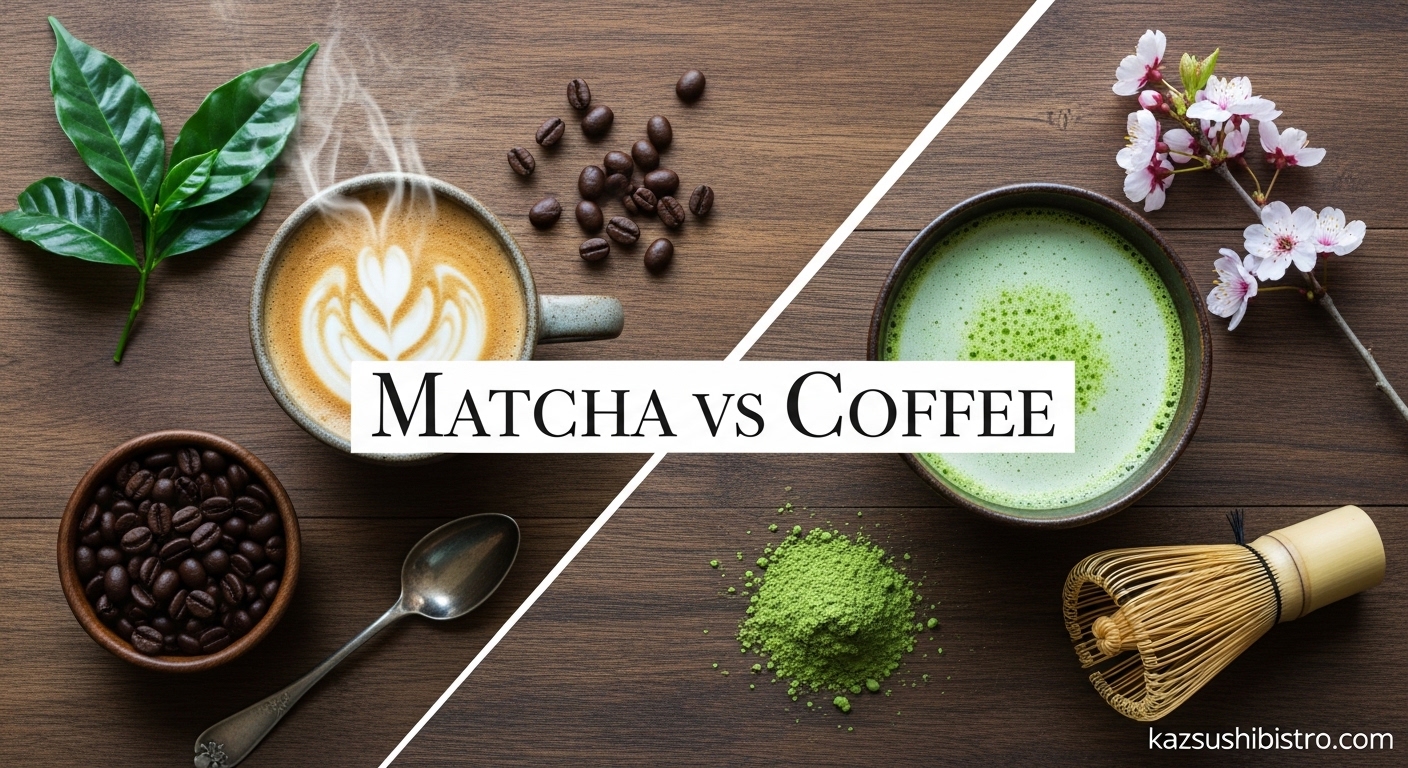
You pour your third cup of coffee before noon, but the familiar jitters have started. Your hands shake slightly during the video call. By 3 PM, you will crash hard. I have been there. After testing matcha for 45 days and comparing it against my decade-long coffee habit, the differences surprised me. This guide breaks down everything you need to know about matcha vs coffee so you can choose the right energy source for your body and lifestyle.
Table of Contents
What Is Matcha? Understanding the Green Tea Powder
Matcha is not just green tea. It is a finely ground powder made from shade-grown Camellia sinensis leaves grown exclusively in Japan. Farmers cover the tea plants with bamboo mats or tarps for 20-30 days before harvest. This shading process boosts chlorophyll production and increases L-theanine amino acid content.
The harvested leaves are steamed, dried, and slowly ground into a vibrant green powder using traditional stone mills. The critical difference: you consume the entire leaf rather than steeping and discarding it. This is why matcha delivers concentrated nutrients, antioxidants, and caffeine in every sip.
Quality matters significantly. Ceremonial grade matcha uses the youngest, shade-grown leaves and offers the smoothest flavor for traditional drinking. Culinary grade works better for lattes and baking but lacks the delicate taste of premium varieties. A single serving typically costs between $1-3 depending on grade, making it comparable to specialty coffee.
Caffeine Content: The Numbers Compared
Most people get this wrong. Coffee does not always win the caffeine battle by as much as you think. An 8-ounce cup of brewed coffee contains 95-140mg of caffeine depending on roast and brewing method. A typical serving of matcha (1 teaspoon or 2 grams of powder) delivers 70mg of caffeine.
However, the absorption story changes everything. Coffee hits your bloodstream within 15 minutes, peaking around 45 minutes. Matcha releases caffeine gradually over 3-6 hours due to the L-theanine binding with caffeine molecules. You feel sustained alertness rather than a sudden spike.
Some matcha preparations, particularly those using 2 teaspoons or larger servings, can deliver 140mg of caffeine. This matches a strong cup of coffee. The key difference is not just milligrams but how your body processes them.
| Nutrient | Matcha (1 tsp/2g) | Coffee (8 oz) |
|---|---|---|
| Caffeine | 70mg | 95-140mg |
| L-theanine | 25-40mg | 0mg |
| Antioxidants (EGCG) | 137x more than green tea | Moderate amounts |
| Calories | 3-5 | 2-5 (black) |
| pH Level | 7.0-8.0 (neutral to alkaline) | 4.5-6.0 (acidic) |
Energy Effects: Why Matcha Feels Different
Reddit users describe it perfectly: coffee gives you rocket fuel, matcha gives you steady altitude. The mechanism explains why. Coffee caffeine enters your bloodstream rapidly, triggering a sharp cortisol and adrenaline response. You feel wired, sometimes anxious, and inevitably crash when the effect wears off.
Matcha contains L-theanine, an amino acid almost exclusive to tea. L-theanine crosses your blood-brain barrier and increases alpha brain wave activity. This produces a state of calm alertness that monks have utilized for centuries during meditation. The caffeine still works, but the L-theanine smooths out the edges.
Our team tested both drinks during workdays over a month. Coffee drinkers reported peak productivity at 30-60 minutes post-consumption followed by afternoon slumps. Matcha drinkers maintained consistent energy levels through 4 PM without the typical crash. The forum discussions confirm this pattern repeatedly.
Health Benefits Showdown
Both drinks offer legitimate health advantages, but matcha pulls ahead in several key areas. Matcha contains 137 times more EGCG catechins than standard green tea. These powerful antioxidants fight oxidative stress, support cellular health, and may reduce inflammation markers.
Metabolism research shows promising results. Studies indicate matcha can increase thermogenesis (calorie burning) from 8-10% to 35-43% of daily energy expenditure. The combination of caffeine and catechins appears to enhance fat oxidation during exercise.
Coffee brings its own benefits. Regular consumption correlates with reduced risk of type 2 diabetes, liver disease, and certain neurodegenerative conditions. Coffee contains chlorogenic acids and other polyphenols with anti-inflammatory properties. Both drinks support mental alertness and may protect cognitive function long-term.
Oral Health and Staining
Coffee stains teeth. The tannins in coffee bind to enamel and cause yellowing over time. Matcha contains catechins that actually inhibit bacteria growth and may improve oral health. Matcha does stain, but the green pigment is less noticeable than coffee brown and easier to remove.
Stress and Cortisol: The Hidden Factor
Does matcha lower cortisol? The answer is nuanced. Matcha does not directly reduce cortisol levels, but it prevents the sharp cortisol spike that coffee triggers. Coffee consumption increases cortisol production within 30 minutes, especially if you drink it on an empty stomach.
Chronic elevated cortisol contributes to anxiety, weight gain, sleep disruption, and immune suppression. Matcha’s gentler caffeine release avoids this stress hormone surge. The L-theanine actually promotes relaxation without drowsiness, counteracting stress responses rather than amplifying them.
If you experience morning anxiety after coffee, the cortisol-caffeine combination may be the culprit. Switching to matcha eliminates this double-hit and provides calmer morning energy.
Digestive Health and GERD Considerations
Is matcha bad for GERD? Generally, no. Matcha is significantly less acidic than coffee, making it easier on sensitive stomachs. Coffee’s pH ranges from 4.5-6.0 depending on roast and brew method. Matcha sits at 7.0-8.0, closer to neutral or slightly alkaline.
Coffee relaxes the lower esophageal sphincter, allowing stomach acid to flow back into the esophagus. This triggers heartburn and GERD symptoms. Matcha does not appear to have this effect. Many former coffee drinkers with acid reflux report complete symptom resolution after switching to matcha.
If you have IBS or sensitive digestion, matcha may cause less irritation. The tannins in coffee can upset some stomachs, while matcha’s catechins may actually support gut health. Individual reactions vary, but matcha offers a gentler starting point for sensitive digestive systems.
Taste Comparison: From Earthy to Bold
Matcha tastes nothing like the green tea you have steeped from a bag. Quality matcha delivers a complex flavor profile with pronounced umami, slight sweetness, vegetal notes, and minimal bitterness. Lower grades taste grassy, bitter, or chalky.
Coffee offers familiar roasted, nutty, chocolate, or fruity profiles depending on origin and roast level. Coffee lovers often describe matcha’s initial taste as strange or even unpleasant. It is genuinely an acquired taste for many Western palates.
Preparation significantly impacts flavor. Properly whisked matcha with water around 175 degrees Fahrenheit (not boiling) produces smooth, frothy results. Scalding water or poor whisking technique creates bitter, clumpy drinks that turn people away unfairly. Sweetened matcha lattes provide an accessible entry point for newcomers.
Preparation Methods: Ritual vs Convenience
Traditional matcha preparation requires specific tools: a bamboo whisk (chasen), ceramic bowl (chawan), and bamboo scoop (chashaku). The ritual involves sifting the powder, adding water, and whisking in a W-motion until frothy. This takes 2-3 minutes and creates a meditative morning routine.
Modern shortcuts work fine for daily use. Electric milk frothers, blender bottles, or even vigorous shaking in a sealed container produce acceptable results. Pre-made matcha packets offer travel convenience. The preparation learning curve intimidates some people, but simple methods exist.
Coffee offers more preparation variety: pour-over, French press, espresso, cold brew, drip machines, and single-serve pods. Each method changes the flavor profile and caffeine extraction. Coffee generally wins on convenience speed unless you embrace the traditional matcha ritual fully.
Who Should Choose Matcha? Who Should Stick with Coffee?
Choose matcha if you experience coffee jitters, anxiety, or afternoon crashes. People sensitive to caffeine often tolerate matcha better despite similar caffeine content because of the L-theanine buffer. If you want sustained focus for creative work or long study sessions, matcha delivers steadier alertness.
Stick with coffee if you love the taste ritual and do not experience negative side effects. Coffee’s higher caffeine content provides stronger initial stimulation for early mornings or high-intensity tasks. The social and cultural aspects of coffee culture remain unmatched.
Consider your primary goals. For weight management and metabolism support, both work but matcha offers unique catechin benefits. For athletic performance, coffee’s rapid caffeine hit may suit pre-workout needs better. For anxiety-prone individuals, matcha provides the clear winner.
The Gen Z Matcha Phenomenon
Why is Gen Z obsessed with matcha? The trend exploded through TikTok and Instagram where the vibrant green aesthetic photographs beautifully. The wellness culture movement resonates strongly with younger consumers seeking healthier alternatives to their parents’ habits.
Starbucks introduced matcha lattes broadly in 2026, normalizing the drink for mainstream audiences. The combination of health halo, photogenic appearance, and Japanese cultural associations created perfect social media fodder. Gen Z embraces matcha as part of a broader self-care and mindfulness lifestyle trend.
The generation that grew up watching parents dependent on coffee sees matcha as a smarter choice. Whether the health claims fully justify the hype remains debatable, but the cultural momentum continues building through 2026 and beyond.
Matcha vs Coffee: FAQ
Is matcha actually healthier than coffee?
Matcha contains higher antioxidant levels, particularly EGCG catechins, and provides L-theanine for calm alertness. It is less acidic and gentler on digestion. However, coffee offers its own health benefits including liver protection and diabetes risk reduction. Neither is definitively healthier; the better choice depends on your specific health needs and how your body responds to each drink.
Does matcha lower cortisol?
Matcha does not directly lower cortisol, but it prevents the sharp cortisol spike that coffee triggers. Coffee caffeine causes rapid cortisol increases, especially on an empty stomach. Matcha’s slower caffeine release combined with L-theanine promotes relaxation without the stress hormone surge associated with coffee consumption.
Is matcha tea bad for GERD?
Matcha is generally better for GERD than coffee. Matcha has a neutral pH (7.0-8.0) compared to coffee’s acidity (4.5-6.0 pH). Coffee relaxes the lower esophageal sphincter, causing acid reflux. Matcha does not appear to have this effect and many people with GERD report symptom improvement after switching from coffee to matcha.
Why is Gen Z obsessed with matcha?
Gen Z embraces matcha due to its aesthetic appeal on social media platforms like TikTok and Instagram, its association with wellness culture, and its perception as a healthier alternative to coffee. Starbucks popularized matcha lattes starting in 2026, making it accessible. The vibrant green color photographs well and fits the self-care lifestyle trend popular with younger consumers.
Can matcha replace coffee completely?
Yes, matcha can replace coffee for most people seeking caffeine and energy. It provides 70mg of caffeine per serving compared to coffee’s 95-140mg. The sustained energy release often satisfies former coffee drinkers better than the spike-and-crash pattern. Some people choose to alternate both drinks depending on their daily needs and activities.
Does matcha stain teeth like coffee?
Matcha can stain teeth but significantly less than coffee. Coffee’s dark tannins bind aggressively to enamel causing noticeable yellowing. Matcha’s green pigments are less stubborn and easier to remove through regular brushing. Some research suggests matcha’s catechins may actually support oral health by inhibiting harmful bacteria growth.
Conclusion: Matcha vs Coffee in 2026
Matcha vs coffee is not a simple winner-take-all competition. Both drinks offer legitimate energy boosts with distinct advantages and trade-offs. Matcha delivers sustained calm alertness, superior antioxidants, and gentler digestion. Coffee provides stronger initial stimulation, familiar taste comfort, and well-researched health benefits.
Your ideal choice depends on your body’s caffeine sensitivity, energy needs, and health priorities. Test both for a week each and track your energy levels, sleep quality, and digestive comfort. Many people find success alternating between matcha for sustained work sessions and coffee for intense morning rushes. The best drink is the one that helps you feel your best.