
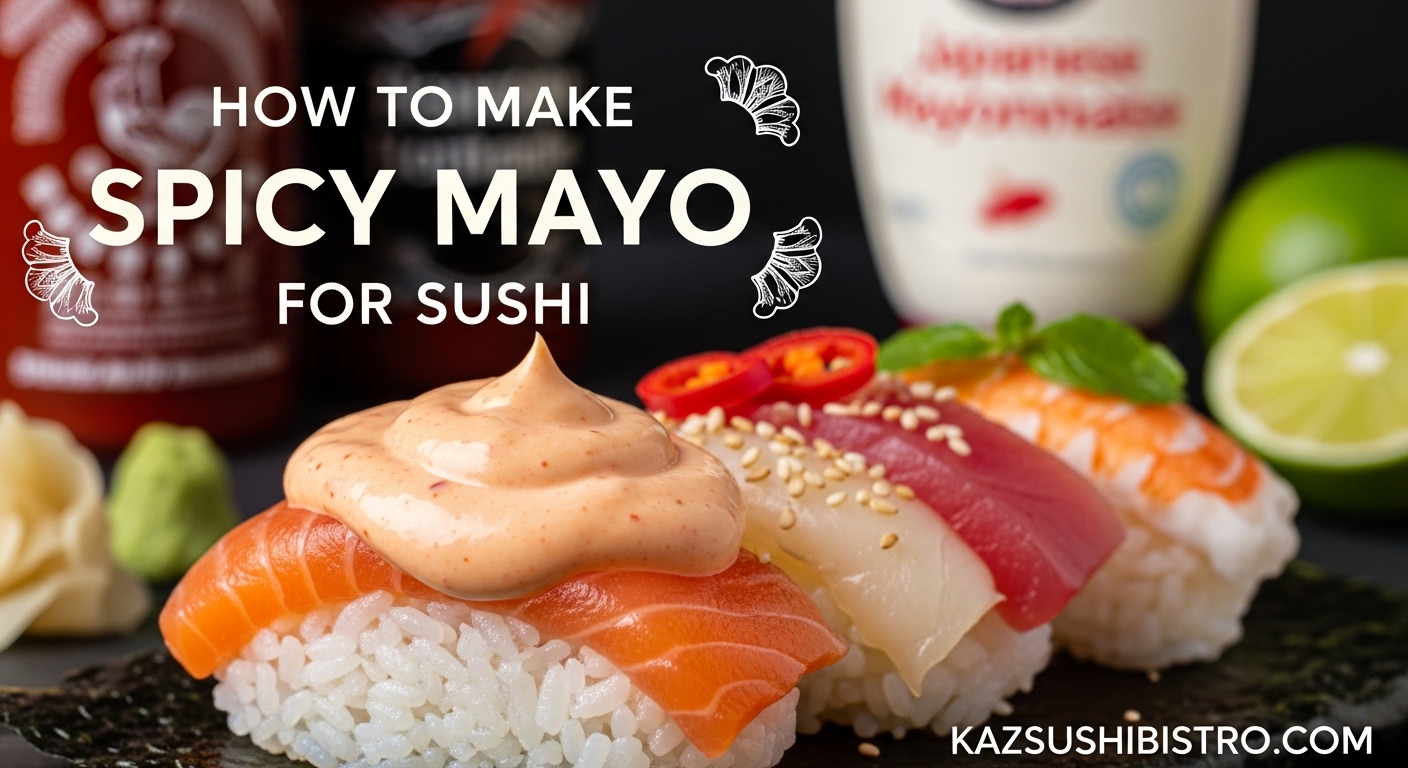
That creamy, tangy drizzle on your favorite spicy tuna roll is easier to make at home than you might think. I have been making spicy mayo for sushi in my kitchen for years, and once I learned the right ratio and ingredients, I stopped buying the store-bought versions entirely. You only need five minutes and a few simple ingredients to create a sauce that rivals your favorite sushi restaurant.
In this guide, I will show you exactly how to make spicy mayo for sushi that tastes authentic and fresh. You will learn the ingredient ratios professionals use, the secret to achieving that perfect restaurant flavor, and how to adjust the heat level to your taste.
Table of Contents
What Is Spicy Mayo for Sushi?
Spicy mayo for sushi is a creamy, spicy sauce made by blending mayonnaise with hot sauce and seasonings. It originated in Japanese-American fusion cuisine and has become a staple condiment at sushi restaurants across the United States.
The sauce serves multiple purposes on your plate. It adds heat, moisture, and a rich umami flavor to sushi rolls. You will find it drizzled on spicy tuna rolls, dragon rolls, and rainbow rolls. Many people also use it as a dipping sauce for sushi and sashimi, or as a topping for poke bowls and rice bowls.
Unlike plain mayonnaise, spicy mayo brings complexity to each bite. The combination of creamy base, spicy heat, and tangy accents creates a balanced flavor profile that complements fresh fish and rice perfectly.
Ingredients You Will Need 2026
You only need a handful of ingredients to make authentic spicy mayo at home. Here is what you will need for about half a cup of sauce:
Basic Recipe:
- 1/2 cup Kewpie mayonnaise (or regular mayo)
- 2 to 3 tablespoons sriracha hot sauce
- 1 teaspoon sesame oil
- 1 teaspoon fresh lime juice
- 1/4 teaspoon garlic powder (optional)
Kewpie mayonnaise is the secret weapon here. This Japanese mayo contains only egg yolks rather than whole eggs, giving it a richer, more custard-like texture. It also includes a touch of MSG, which provides that umami depth you taste in restaurant versions. If you cannot find Kewpie, regular mayonnaise works fine, but the flavor will be slightly different.
Sesame oil adds a nutty, aromatic quality that rounds out the sauce. Lime juice provides acidity to cut through the richness of the mayo. Garlic powder adds an extra layer of savory flavor without the harshness of fresh garlic.
How to Make Spicy Mayo for Sushi?
Follow these simple steps to create your sauce in under five minutes:
Step 1: Add the mayonnaise to a small mixing bowl. If you are using Kewpie, give the bottle a gentle shake first since it tends to separate slightly.
Step 2: Add two tablespoons of sriracha to the mayo. Start with less if you prefer milder heat. You can always add more later.
Step 3: Pour in the sesame oil and lime juice. These liquids help thin the mixture slightly and add flavor complexity.
Step 4: Add the garlic powder if using. Some people prefer to skip this for a cleaner flavor.
Step 5: Whisk everything together vigorously until completely smooth. The mixture should be uniform in color with no streaks of white or red.
Step 6: Taste the sauce and adjust. Add more sriracha for heat, more lime for tang, or more mayo if it is too spicy.
Step 7: Transfer to a squeeze bottle or airtight container for storage.
The mixing technique matters here. Whisk thoroughly to create a proper emulsion where the oil-based mayo and water-based sriracha blend completely. A fork works fine, but a small whisk gives you better control and smoother results.
The Secret to Restaurant Flavor
After testing dozens of combinations, I can tell you exactly why restaurant spicy mayo tastes different from most homemade versions. The answer is almost always Kewpie mayonnaise.
Kewpie contains monosodium glutamate, which creates that savory umami punch. It also uses rice vinegar rather than distilled vinegar, giving it a milder, slightly sweet tang. The egg yolk-only formula produces a richer, silkier texture that holds onto sushi rice better.
If you want to get even closer to restaurant flavor, try adding a quarter teaspoon of mirin to your mixture. This sweet rice wine adds a subtle sweetness that balances the heat. Some high-end restaurants also use a touch of dashi powder for extra depth, though this is optional for home cooking.
The ratio also plays a huge role. Many restaurants use a 1:1 ratio of mayo to sriracha for maximum heat, while others prefer 2:1 for a milder sauce. The 2:1 ratio is more common for general use, while the equal ratio works best specifically for spicy tuna rolls.
Tips for Perfect Consistency
Getting the right thickness makes a big difference in how your spicy mayo performs. Too thick, and it will glob onto your sushi in unappealing blobs. Too thin, and it will run off before you can eat it.
For a drizzle consistency like you see at restaurants, aim for a texture similar to honey. It should flow smoothly but hold its shape on the plate. If your sauce is too thick, add a few drops of water or extra lime juice. If it is too thin, add more mayonnaise a teaspoon at a time.
Separation can happen if you store the sauce for several days. This is normal and easily fixed. Just give it a good stir or shake before using. To prevent separation, make sure you whisk thoroughly during the initial mixing. A properly emulsified sauce stays together longer.
Room temperature ingredients blend more smoothly than cold ones. Let your mayonnaise sit out for ten minutes before mixing if it has been refrigerated.
Ingredient Substitutions
Sometimes you need to work with what you have in the pantry. Here are the best substitutions that still produce great results:
Instead of Kewpie mayo: Use regular mayonnaise plus a pinch of sugar and a dash of rice vinegar. Add a tiny pinch of salt to approximate the MSG effect. Duke’s or Hellmann’s both work well.
Instead of sriracha: Try sambal oelek for a chunkier, fresher heat. Gochujang creates a deeper, fermented flavor but will change the color to a darker red. Chili garlic sauce works in a pinch. You can also use cayenne pepper mixed with a little water, though the flavor will be simpler.
Instead of sesame oil: Toasted sesame seeds crushed into a paste provide similar flavor. You can also skip it entirely and add a little extra lime juice for brightness. The sauce will lack that nutty depth but still taste good.
Instead of lime juice: Rice vinegar or lemon juice both work. Some people prefer apple cider vinegar for a slightly different tang profile.
When substituting, start with smaller amounts and taste as you go. Alternative ingredients often have different intensity levels than the originals.
Common Mistakes to Avoid
Based on forum discussions and my own early attempts, here are the pitfalls that trip up most home cooks:
Adding too much sriracha at once: Sriracha has a delayed heat that builds as you eat. A sauce that tastes mild at first can become overwhelming by the third bite. Start conservative and add heat gradually.
Skipping the sesame oil: This ingredient seems optional, but it makes a surprising difference. Without it, the sauce tastes flat and one-dimensional. Even a few drops transform the entire flavor profile.
Not tasting as you mix: Every brand of mayonnaise and hot sauce varies in flavor intensity. A recipe that works perfectly with one brand might need adjustment with another. Taste after each addition.
Using cold ingredients: Cold mayo does not blend smoothly and can cause separation. Room temperature mixing creates a more stable emulsion.
Making it too far ahead: While spicy mayo lasts several days in the refrigerator, the flavors mellow and change slightly over time. For the brightest taste, make it the same day you plan to use it.
Storage and Make-Ahead Tips
Homemade spicy mayo stores well, making it perfect for meal prep. Transfer the finished sauce to an airtight container or squeeze bottle and refrigerate.
The sauce stays fresh for up to five days in the refrigerator. After that, the flavors fade and the texture may start to break down. For best quality, use within three days.
You can make spicy mayo up to 24 hours ahead without significant flavor loss. If preparing for a dinner party, mix it the morning of your event and store it in a squeeze bottle for easy drizzling.
Do not freeze spicy mayo. The emulsion breaks when thawed, leaving you with a separated, grainy mess.
Label your container with the date you made it. This helps you track freshness and ensures you use older batches first.
Delicious Ways to Use Spicy Mayo
Beyond basic sushi rolls, this sauce enhances many dishes. Here are my favorite applications:
Spicy tuna rolls: Mix diced tuna with spicy mayo before rolling. The sauce binds the fish together and infuses each bite with heat.
Dragon rolls: Drizzle over the top of shrimp tempura rolls for that classic presentation.
Poke bowls: Use as a dressing for raw fish over rice with vegetables and toppings.
Dumpling dipping: Serve alongside gyoza or potstickers as an alternative to soy sauce.
Fries and tots: This might sound unusual, but spicy mayo makes an incredible dipping sauce for sweet potato fries or regular French fries.
Burgers and sandwiches: Use it as a spread on chicken sandwiches or burgers for a fusion twist.
Rice bowls: Top any grain bowl with a zigzag of spicy mayo for instant flavor enhancement.
FAQs
What is sushi spicy mayonnaise made of?
Sushi spicy mayonnaise is made from mayonnaise mixed with sriracha hot sauce, sesame oil, and often lime juice or rice vinegar. The basic recipe uses two parts mayonnaise to one part sriracha, with small amounts of sesame oil for flavor. Some versions also include garlic powder, mirin, or other seasonings for extra depth.
Is spicy mayo just sriracha and mayo?
While sriracha and mayo form the base, authentic spicy mayo for sushi typically includes sesame oil and an acidic component like lime juice. These additional ingredients create the complex flavor you taste at restaurants. Using just sriracha and mayo produces a simpler sauce that lacks the nutty depth and tangy balance of the full recipe.
How long does homemade spicy mayo last?
Homemade spicy mayo lasts up to five days when stored in an airtight container in the refrigerator. For best flavor and texture, use it within three days. The sauce may separate slightly during storage, which is normal. Simply stir or shake before using to reincorporate the ingredients.
Can I make spicy mayo without sesame oil?
Yes, you can make spicy mayo without sesame oil, though the flavor will be less complex. To compensate, try adding a little extra lime juice for brightness or a pinch of toasted sesame seeds for some of that nutty flavor. The sauce will still taste good, but it will lack the distinctive aroma that sesame oil provides.
How do I make my spicy mayo thinner like restaurants?
To thin spicy mayo to a drizzling consistency, add small amounts of water, lime juice, or rice vinegar. Start with just a few drops and whisk thoroughly. Continue adding liquid until you reach a honey-like consistency that flows smoothly but still holds its shape. Some restaurants also use oil-based mayo formulations that naturally create thinner sauces.
Conclusion
Making spicy mayo for sushi at home transforms your homemade rolls from good to restaurant-quality. With just five minutes and a few simple ingredients, you can create a sauce that adds heat, creaminess, and umami to every bite.
I encourage you to start with the basic recipe, then adjust the ratios to match your personal taste. Try it on spicy tuna rolls, drizzle it over poke bowls, or use it as a dipping sauce for your next sushi night. Once you taste the difference homemade makes, you will never go back to store-bought.