
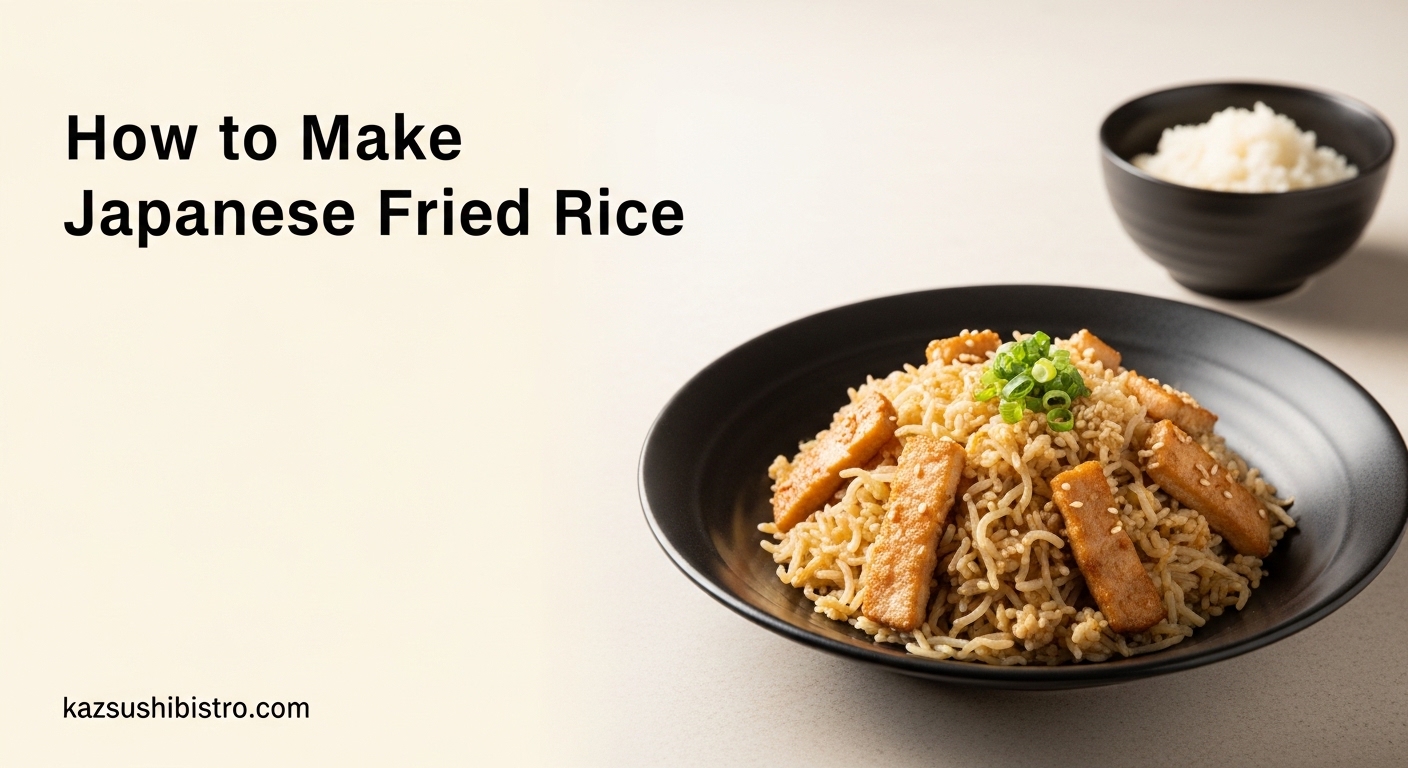
Learning how to make Japanese fried rice changed my weeknight dinner routine forever. I used to think those fluffy, separate grains at my favorite teppanyaki restaurant required professional equipment and years of training. Turns out, you only need a hot pan, day-old rice, and four key ingredients to create authentic yakimeshi at home in under 20 minutes.
In this guide, I will walk you through everything I have learned from testing dozens of recipes and talking to Japanese home cooks. You will discover why day-old rice makes all the difference, what gives Japanese fried rice that subtle smoky flavor, and how to avoid the soggy, clumpy mess that frustrates so many beginners. Whether you want to recreate hibachi restaurant magic or simply use up leftover rice, this step-by-step method works every time.
Table of Contents
What Is Japanese Fried Rice?
Japanese fried rice, known as yakimeshi in Western Japan and chahan in Eastern Japan, is a one-pan dish made by stir-frying cold rice with eggs, vegetables, and savory seasonings over high heat. Unlike heavy takeout versions, authentic Japanese fried rice tastes light and slightly sweet, with each grain coated in a thin layer of umami-rich seasoning rather than drowning in sauce.
The dish originated in Japan during the Meiji era in the late 1800s, adapted from Chinese fried rice but modified to suit Japanese tastes and ingredients. Today it remains a cornerstone of home cooking, restaurant menus, and convenience store bento boxes across Japan. It represents the Japanese culinary philosophy of transforming simple leftovers into something extraordinary.
I first tasted authentic yakimeshi at a family-run izakaya in Osaka. The chef used yesterday’s rice, scrambled two eggs directly in the pan, and finished everything with a quick drizzle of soy sauce and sesame oil. That meal taught me that Japanese fried rice is not about complicated technique. It is about timing, heat control, and respecting the ingredients.
Yakimeshi vs Chahan: What’s the Difference?
The naming distinction between yakimeshi and chahan reflects Japan’s regional culinary traditions. In the Kansai region (Osaka, Kyoto, Kobe), locals call it yakimeshi, which literally translates to “grilled rice.” In the Kanto region (Tokyo and surrounding areas), the same dish goes by chahan, derived from the Chinese chao fan.
Beyond the name, subtle differences exist. Kansai-style yakimeshi often includes more vegetables like lettuce or leeks, while Kanto-style chahan tends to feature heartier proteins and a slightly stronger soy sauce presence. Both versions use short-grain rice and similar cooking techniques. The distinction matters more for cultural understanding than for your home cooking.
Japanese vs Chinese Fried Rice
While both dishes share stir-frying DNA, several key differences set them apart. Japanese fried rice uses short-grain rice, which creates a stickier, more cohesive texture than the long-grain jasmine rice typical in Chinese versions. The seasoning also differs significantly.
Chinese fried rice often incorporates oyster sauce, dark soy sauce, and shaoxing wine for depth. Japanese fried rice relies on a lighter touch: regular soy sauce, white pepper, and toasted sesame oil create a cleaner, more delicate flavor profile. You will also notice Japanese versions rarely include ginger or garlic unless making a specific garlic butter variation.
Ingredients for Authentic Japanese Fried Rice 2026
The beauty of Japanese fried rice lies in its simplicity. You do not need a long shopping list to create something delicious. Here is what you need for four servings:
Rice and Base:
- 4 cups cooked short-grain Japanese rice, preferably day-old and cold
- 2 tablespoons neutral oil (vegetable, canola, or grapeseed)
- 2 tablespoons butter (salted or unsalted)
Protein and Vegetables:
- 2 large eggs, beaten
- 4 ounces ham, diced (or substitute cooked chicken, shrimp, or tofu)
- 1/4 cup frozen peas and carrots, thawed (optional)
- 2 green onions (scallions), thinly sliced
Seasonings:
- 2 tablespoons soy sauce (Kikkoman or similar Japanese brand)
- 1 teaspoon toasted sesame oil
- 1/4 teaspoon white pepper powder
- Salt to taste
Substitutions and Notes:
If you cannot find short-grain rice, Calrose medium-grain rice works as an acceptable substitute. Avoid long-grain jasmine or basmati rice; the texture will be wrong. For a vegetarian version, replace ham with diced firm tofu or extra vegetables. Gluten-free? Use tamari instead of regular soy sauce. The white pepper matters more than you might think; black pepper tastes too sharp for this delicate dish.
How to Make Japanese Fried Rice
Follow these seven steps to create restaurant-quality yakimeshi at home. Read through the entire process once before starting, as timing moves quickly once you begin cooking.
Step 1: Prepare Everything First
Japanese fried rice comes together in about 5 minutes of active cooking. This means you cannot chop ingredients while the rice cooks. Dice your ham, beat the eggs, measure your soy sauce and sesame oil, and slice the green onions before you turn on the heat.
Bring your day-old rice to room temperature. Cold rice straight from the refrigerator will cool your pan too much, leading to steaming instead of frying. If the rice clumps together, gently break it apart with wet hands or a rice paddle. Do not mash it; you want individual grains intact.
Step 2: Heat the Pan and Scramble the Eggs
Set your largest skillet or wok over medium-high heat. Cast iron works beautifully here, but any heavy-bottomed pan retains heat well. Let it preheat for 2 to 3 minutes until a drop of water sizzles and evaporates immediately.
Add 1 tablespoon of neutral oil and swirl to coat. Pour in the beaten eggs and let them set for about 10 seconds without stirring. Then scramble quickly with your spatula, breaking them into small, fluffy curds. You want pea-sized egg pieces distributed throughout the rice later, not large chunks. Remove the eggs to a plate and set aside.
Step 3: Sauté Aromatics and Ham
Add the remaining 1 tablespoon neutral oil and the butter to the hot pan. The combination gives you the high smoke point of oil plus the rich flavor of butter. When the butter foam subsides and turns slightly golden, add your diced ham.
Cook the ham for 1 to 2 minutes until the edges crisp and caramelize. If using raw protein like chicken or shrimp, cook it completely at this stage and remove it with the eggs. Add the thawed peas and carrots now if using, stirring for 30 seconds just to heat through.
Step 4: Add Rice and Break Up Clumps
Increase heat to high. Add the room-temperature rice all at once. This is the critical moment. Use your spatula to chop and press the rice against the pan surface, breaking up any clumps. The goal is single, separated grains coated in a thin layer of fat.
Let the rice sit undisturbed for 30 seconds. You want some grains to toast and develop slight char marks. This creates the subtle smokiness that defines great yakimeshi. Toss or stir, then let sit again. Repeat this press-and-rest motion for 2 to 3 minutes.
Step 5: Season With Soy Sauce and Sesame Oil
Drizzle the soy sauce around the edges of the pan, not directly onto the rice. This technique, called nage in Japanese cooking, lets the soy sauce caramelize slightly against the hot metal before hitting the rice. Immediately toss everything together so the seasoning distributes evenly.
Add the toasted sesame oil and white pepper now. These delicate aromatics should go in at the end to preserve their fragrance. Toss vigorously for 30 seconds until you smell the nutty sesame aroma. The rice should look slightly glossy but not wet.
Step 6: Re-add Eggs and Protein
Return the scrambled eggs (and any cooked protein you removed earlier) to the pan. Toss everything together for 30 seconds to distribute evenly and reheat. The eggs should integrate into the rice rather than remaining as distinct chunks.
Taste for seasoning. Add a pinch of salt if needed, but remember soy sauce brings significant saltiness. The dish should taste savory with a hint of sweetness from the rice and a background nuttiness from the sesame oil.
Step 7: Finish and Serve Immediately
Remove the pan from heat. Scatter the sliced green onions over the top and give one final gentle toss. The residual heat will slightly wilt the scallions, releasing their fresh aroma without cooking them completely.
Serve immediately in heated bowls. Japanese fried rice waits for no one; it tastes best piping hot straight from the pan. Garnish with additional green onion if desired, or a sprinkle of sesame seeds for texture.
Pro Tips for Perfect Japanese Fried Rice Every Time
After years of making this dish weekly, I have identified the specific techniques that separate mediocre results from restaurant-quality yakimeshi. These tips address the most common frustrations home cooks face.
Why Day-Old Rice Is Non-Negotiable
Freshly cooked rice contains too much moisture. When you fry it, the grains steam instead of toast, creating the soggy, clumpy texture that frustrates so many beginners. Day-old rice has had time to dry out slightly in the refrigerator, allowing the grains to separate and fry properly.
If you must use same-day rice, spread it on a baking sheet and refrigerate uncovered for at least 30 minutes. A fan pointed at the rice speeds this up. The surface should feel dry to the touch before frying. Never use hot rice straight from the rice cooker; it will ruin your dish.
The Secret to Restaurant Flavor
That addictive flavor from Japanese steakhouse fried rice comes down to three things: garlic butter, white pepper, and extremely high heat. Many restaurants use a compound butter infused with garlic and sometimes MSG, which creates umami depth without heavy seasoning.
You can replicate this at home by adding one minced garlic clove to the butter in step 3. Let it sizzle for 10 seconds before adding ham. The white pepper matters too; it tastes brighter and less aggressive than black pepper. Finally, do not be afraid of high heat. A slightly charred, smoky note defines authentic chahan.
How to Fix Soggy Fried Rice
If your rice turns out mushy, three culprits usually exist. First, your pan was not hot enough, causing the rice to steam rather than fry. Preheat longer next time. Second, you overcrowded the pan. Rice needs room to contact the hot surface; work in batches if making more than four servings.
Third, you added too much soy sauce at once. Soy sauce contains water; dumping it all on cool rice creates steam. The fix? Spread the rice thin, increase heat to maximum, and let it dry out for 2 minutes without stirring. The excess moisture will evaporate, and you can salvage the batch.
Wok vs Skillet: What Works at Home
You do not need a wok to make excellent Japanese fried rice. A large cast iron skillet or heavy stainless steel pan often works better on home stovetops. Home burners lack the intense heat output of restaurant wok stations, and a flat-bottomed skillet makes better contact with your heating element.
If using a wok, choose a carbon steel model with a flat bottom for electric or induction cooktops. The high sides help with tossing, but the technique matters more than the equipment. I have made perfect yakimeshi in a $20 Lodge cast iron skillet. Heat retention matters more than pan shape.
Delicious Japanese Fried Rice Variations
Once you master the basic technique, endless variations await. These four versions represent the most popular adaptations found in Japanese restaurants and home kitchens.
Chicken Yakimeshi
Replace the ham with 6 ounces of diced cooked chicken breast or thigh. Season raw chicken with salt and pepper, then cook completely in step 3 before removing with the eggs. Dark meat stays juicier than white meat during the high-heat cooking process. Add a sprinkle of ichimi togarashi (Japanese chili powder) for heat.
Shrimp Fried Rice
Use 8 ounces medium shrimp, peeled and deveined. Cook them in step 3 until just pink, about 90 seconds per side, then remove. Shrimp overcook quickly, so err on the side of underdone; they will finish cooking when returned in step 6. Add extra green onion and a squeeze of lemon juice at the end for brightness.
Garlic Fried Rice (Garlic Butter Style)
Double the butter and add 3 to 4 minced garlic cloves. Cook the garlic slowly in the butter until golden and fragrant before adding other ingredients. This creates the signature garlic butter rice popular at teppanyaki restaurants. Omit the ham for a vegetarian version, or add crispy bacon for extra indulgence.
Kimchi Chahan
Substitute 1/2 cup well-drained, chopped kimchi for the peas and carrots. Add it with the ham in step 3, letting it caramelize slightly. The fermented tang cuts through the richness of the butter and eggs. Top with a fried egg and drizzle of Kewpie mayonnaise for a fusion twist popular in modern Japanese cafes.
Serving Suggestions and Storage
Japanese fried rice works as a complete meal or as part of a larger spread. Understanding how to serve and store it properly extends your enjoyment.
What to Serve With Japanese Fried Rice
For a traditional Japanese meal, pair your yakimeshi with miso soup and simple pickles (tsukemono). The salty soup and acidic pickles balance the rich rice. A small salad with wafu dressing (soy sauce and sesame based) adds freshness.
For a hibachi-style dinner at home, serve alongside grilled proteins drizzled with yum yum sauce. Add sautéed mushrooms and zucchini for the full steakhouse experience. A cold Japanese beer or hot green tea completes the meal authentically.
Storing and Reheating Leftovers
Store leftover Japanese fried rice in an airtight container in the refrigerator for up to 3 days. The flavors actually improve overnight as they meld together. For longer storage, freeze portions in freezer bags for up to 1 month. Thaw overnight in the refrigerator before reheating.
Never reheat fried rice in the microwave. It turns mushy and unevenly heated. Instead, use a hot skillet with a tiny amount of oil. Spread the rice thin and stir-fry for 3 to 4 minutes until hot and slightly crispy again. Add a fresh drizzle of sesame oil and green onion to revive the flavors.
Frequently Asked Questions
How to make simple Japanese fried rice?
To make simple Japanese fried rice, start with 4 cups day-old short-grain rice. Heat oil and butter in a large skillet, scramble two eggs and set aside. Sauté diced ham and vegetables, then add the rice and fry over high heat for 3 minutes. Season with 2 tablespoons soy sauce, 1 teaspoon sesame oil, and white pepper. Return eggs to the pan, toss with sliced green onions, and serve immediately.
What is the secret ingredient in Japanese fried rice?
The secret ingredient that gives Japanese fried rice its restaurant-quality flavor is garlic butter combined with toasted sesame oil added at the end of cooking. Some chefs also use a small amount of MSG or white pepper powder, which creates umami depth without overwhelming the delicate rice. The high heat cooking method also contributes significantly to the signature subtle smokiness.
What makes Japanese fried rice so good?
Japanese fried rice tastes exceptional due to three factors: day-old short-grain rice that fries up fluffy and separate, a light seasoning approach using soy sauce and sesame oil rather than heavy sauces, and high-heat cooking that creates subtle char and smoky notes. The use of butter alongside oil adds richness without heaviness, and the inclusion of simple proteins like ham and egg lets the rice remain the star.
What is the difference between yakimeshi and chahan?
Yakimeshi and chahan are regional names for the same Japanese fried rice dish. Yakimeshi is used in the Kansai region (Osaka, Kyoto), while chahan is used in the Kanto region (Tokyo). Yakimeshi sometimes includes more vegetables like lettuce, while chahan may feature heartier proteins. Both use short-grain rice and identical cooking techniques; the distinction reflects cultural naming rather than significant recipe differences.
What is the best rice for Japanese fried rice?
The best rice for Japanese fried rice is short-grain Japanese rice, sometimes labeled as sushi rice. This variety has the right starch content to create grains that cling together slightly while remaining distinct when fried. Day-old refrigerated rice works best because the reduced moisture allows proper frying. If unavailable, Calrose medium-grain rice serves as an acceptable substitute, but avoid long-grain jasmine or basmati rice.
Can I make Japanese fried rice without a wok?
Absolutely. A large cast iron skillet or heavy stainless steel pan often works better than a wok on home stovetops because flat bottoms make better contact with heating elements. Heat retention matters more than pan shape. Use your largest skillet to avoid overcrowding, preheat it thoroughly, and work in batches if necessary. I regularly make excellent yakimeshi in a standard Lodge cast iron skillet.
How do you keep Japanese fried rice from getting soggy?
To prevent soggy fried rice, use day-old refrigerated rice rather than fresh, ensure your pan is ripping hot before adding ingredients, and avoid overcrowding which causes steaming instead of frying. Add soy sauce around the pan edges rather than directly on rice, and let the rice rest undisturbed for 30-second intervals to develop slight char. If rice turns mushy, spread it thin and cook over maximum heat for 2 minutes to evaporate excess moisture.
Conclusion
Mastering how to make Japanese fried rice opens up a world of quick, satisfying meals that taste like they came from your favorite teppanyaki restaurant. The technique relies on simple principles: hot pan, cold day-old rice, and quick, confident movements. Once you experience that first bite of fluffy, savory yakimeshi with the subtle smoky finish from proper high-heat cooking, you will never settle for takeout again.
Start with the basic recipe above, then experiment with variations as your confidence grows. Remember that even imperfect attempts usually taste better than 90 percent of restaurant versions. The key is simply trying, learning from each batch, and enjoying the process. Your kitchen now holds everything needed for authentic Japanese fried rice anytime the craving strikes.