
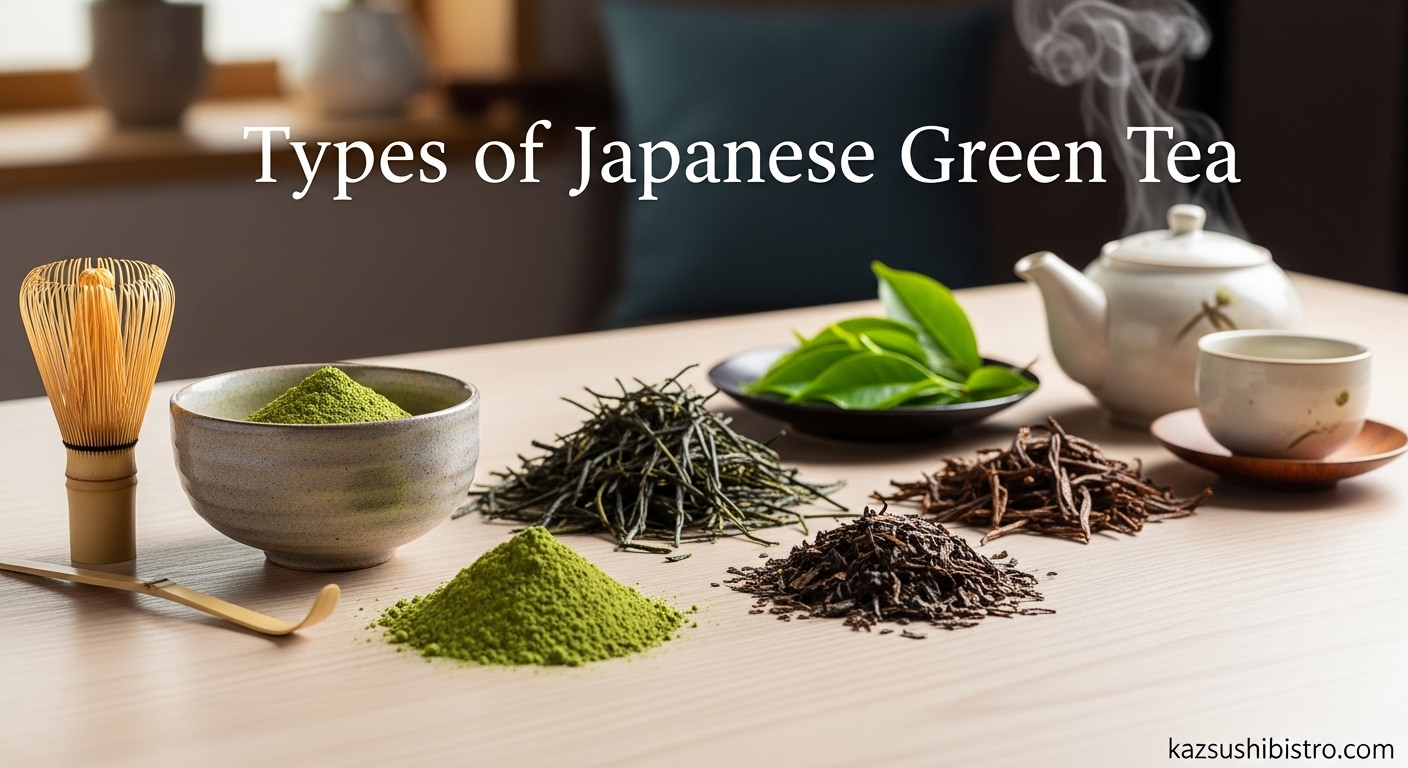
Japanese green tea offers an incredible diversity of flavors, aromas, and health benefits that many tea drinkers never fully explore. Understanding the types of Japanese green tea helps you choose the perfect variety for your taste preferences, caffeine needs, and budget. From the everyday sencha that fills 80% of Japanese tea cups to the luxurious gyokuro reserved for special occasions, each type tells a unique story through its processing method and flavor profile.
The main types of Japanese green tea include sencha (the most popular), matcha (finely ground powder), gyokuro (premium shade-grown), genmaicha (tea with roasted rice), hojicha (roasted tea), kukicha (twig tea), bancha (late harvest tea), and kabusecha (partially shaded). Each variety differs in growing conditions, processing methods, flavor characteristics, and caffeine content.
Table of Contents
What Is Japanese Green Tea?
Japanese green tea comes from the same plant as all true teas: Camellia sinensis. This evergreen shrub native to Asia produces leaves that, when processed properly, create the diverse range of teas enjoyed worldwide. What makes green tea “green” is the minimal oxidation the leaves undergo during processing.
All tea begins as a fresh leaf on the tea plant. The difference between green, black, oolong, and white teas lies entirely in how those leaves are processed after picking. Japanese green tea undergoes a specific method called the “kill-green” process that preserves its characteristic color, flavor, and health benefits.
The Kill-Green Process Explained
The kill-green process halts oxidation immediately after harvesting. Tea producers steam the fresh leaves within hours of picking, deactivating the enzymes that would otherwise turn the leaves brown. This rapid steaming locks in the green color and fresh, vegetal flavors that define Japanese green tea.
Chinese green tea, by contrast, typically uses pan-firing to stop oxidation. This different method creates an entirely different flavor profile. Understanding this fundamental difference helps explain why Japanese and Chinese green teas taste so distinct despite coming from the same plant species.
What Makes Japanese Green Tea Unique 2026
Japanese green tea stands apart from other green teas primarily because of its steaming process and cultivation techniques. The steaming method creates a tea with more pronounced umami flavor, higher amino acid content, and a distinctly vegetal character often described as “grassy” or “seaweed-like.”
The umami taste comes from high levels of L-theanine, an amino acid that develops particularly well in shade-grown Japanese teas. This compound creates the savory, broth-like quality that tea enthusiasts prize in premium varieties like gyokuro and matcha. L-theanine also works synergistically with caffeine to provide calm, focused energy without the jitters associated with coffee.
Japanese tea culture, called o-cha or ryokucha, has refined these processing methods over centuries. The attention to harvest timing, shading duration, and steaming levels creates a spectrum of teas that range from light and refreshing to rich and complex.
How Japanese Green Tea Is Processed
Understanding tea processing helps explain why each variety tastes different. The journey from tea plant to your cup involves several critical steps that producers carefully control to create specific flavor profiles.
Shade-Grown vs Sun-Grown Tea
The most important distinction in Japanese tea cultivation is whether the plants grow in full sun or under shade covers. Sun-grown teas like standard sencha develop more catechins, creating a brisk, refreshing flavor with slight astringency. Shade-grown teas like gyokuro and matcha increase their chlorophyll and amino acid content, producing sweeter, more umami-rich flavors.
Producers cover shade-grown tea plants with tana (traditional straw screens) or modern black cloth for periods ranging from one week to three weeks before harvest. This shading period dramatically changes the chemical composition of the leaves and directly impacts the final tea’s taste, color, and caffeine content.
Steaming Levels: Asamushi, Futsu Mushi, and Fukamushi
After harvesting, producers steam the tea leaves to stop oxidation. The duration of this steaming process creates three distinct categories that affect the tea’s appearance, flavor, and brewing characteristics.
Asamushi (light steaming) lasts 20-30 seconds and produces long, needle-like leaves with a light yellow-green liquor and delicate, nuanced flavor. Traditional sencha typically uses this method.
Futsu mushi (normal steaming) takes 30-40 seconds and creates balanced teas suitable for everyday drinking. Most standard sencha falls into this category.
Fukamushi (deep steaming) extends 60-120 seconds and breaks down the leaf structure more completely. This creates smaller leaf particles, a darker green color, cloudier liquor, and a richer, less astringent flavor. Many modern Japanese teas use this method for its smooth, full-bodied character.
Rolling, Drying, and Finishing
After steaming, the leaves undergo multiple rounds of rolling and drying. Machines shape the leaves into their characteristic needle-like form while gradually reducing moisture content. This rolling process breaks cell walls and helps develop the tea’s flavor. Final drying reduces moisture to about 5%, preserving the tea for storage and shipping.
Some teas receive additional processing. Hojicha undergoes roasting at high temperatures, which turns the leaves brown and creates its distinctive toasty flavor. Matcha requires grinding shade-grown tencha leaves into fine powder using stone mills.
The Main Types of Japanese Green Tea
Japan produces hundreds of tea varieties, but eight main types dominate both the domestic market and international exports. Each offers distinct characteristics that appeal to different preferences and occasions.
Sencha: Japan’s Everyday Tea
Sencha represents approximately 80% of all tea produced in Japan, making it the definitive Japanese green tea experience. This sun-grown variety delivers the classic flavor profile most people associate with Japanese tea: fresh, grassy, slightly sweet, and pleasantly astringent.
Producers harvest sencha from the first, second, and sometimes third and fourth flushes of the year. Ichibancha (first flush) sencha, picked in April and May, offers the highest quality with delicate flavor and minimal bitterness. Nibancha (second flush) from June provides a stronger, more robust character at a lower price point. Later flushes produce progressively stronger, more astringent teas classified as bancha.
The flavor of sencha varies significantly based on steaming method. Asamushi sencha tastes lighter and more refined, while fukamushi sencha delivers a richer, fuller-bodied experience with less sharpness. This versatility makes sencha appropriate for nearly any occasion, from morning refreshment to afternoon accompaniment with meals.
Matcha: The Powdered Powerhouse
Matcha has transformed from a traditional tea ceremony ingredient to a global phenomenon appearing in lattes, desserts, and health supplements. This vibrant green powder consists entirely of shade-grown tea leaves ground to a fine consistency using granite stone mills.
Producers first create tencha, shade-grown tea leaves that undergo steaming and drying but skip the rolling process. The resulting flat, dry leaves then go to specialized grinding facilities where stone mills slowly reduce them to powder. This labor-intensive process explains matcha’s higher price point compared to other Japanese teas.
Quality grades vary enormously. Ceremonial grade matcha uses the youngest, most tender leaves with the highest chlorophyll and amino acid content. It should be consumed straight, whisked with water using a bamboo chasen. Culinary grade matcha works well for cooking, baking, and mixing into beverages. The flavor ranges from intensely umami and creamy in premium grades to more bitter and grassy in lower grades.
Because matcha involves consuming the entire leaf rather than just an infusion, it delivers the highest concentration of antioxidants, caffeine, and L-theanine of any Japanese green tea variety.
Gyokuro: The Highest Quality Tea
Gyokuro, meaning “jade dew” or “pearl dew,” represents the pinnacle of Japanese green tea craftsmanship. This premium variety undergoes shading for approximately 20 days before harvest, significantly longer than other shaded teas. This extended shading period transforms the leaf chemistry and creates an unmatched drinking experience.
The prolonged shade exposure causes the tea plant to increase production of chlorophyll and L-theanine while reducing catechin development. The result is a tea with intense umami flavor, remarkable sweetness, and almost no astringency. The liquor appears bright green with a silky, almost viscous mouthfeel that serious tea enthusiasts describe as “broth-like.”
Gyokuro commands premium prices for good reason. The shading process reduces yield per plant while requiring additional labor for cover management. Combined with limited production and high demand, gyokuro typically costs three to five times more than high-quality sencha.
Proper brewing is essential to appreciate gyokuro. The high amino acid content extracts best at lower temperatures between 140-160°F (60-70°C). Steeping at boiling temperatures destroys the delicate flavors and creates bitterness. Multiple short infusions reveal different layers of complexity, with later steepings often showing increased sweetness.
Genmaicha: The Nutty Blend
Genmaicha offers one of the most approachable entry points into Japanese green tea. This blend combines sencha or bancha leaves with roasted brown rice (genmai), creating a distinctive nutty, toasty flavor profile that appeals even to people who find plain green tea too vegetal.
The roasted rice contributes a warm, popcorn-like aroma and naturally sweet character that balances the grassy notes of the tea. Some rice grains pop during roasting, resembling tiny popcorn pieces scattered throughout the blend. This visual characteristic makes genmaicha instantly recognizable.
Historically, genmaicha provided an economical way to stretch tea supplies. The rice filler made tea more affordable while adding calories and substance. Today, it remains one of the most budget-friendly Japanese tea options, often costing half the price of mid-grade sencha.
The rice content naturally dilutes the caffeine concentration, making genmaicha an excellent choice for afternoon drinking or those sensitive to caffeine. A variation called matcha-iri genmaicha adds powdered matcha to the blend, creating a stronger green color and more intense flavor while maintaining the toasty rice character.
Hojicha: The Roasted Choice
Hojicha undergoes a final roasting process that fundamentally transforms both its appearance and flavor. Unlike the bright green colors of other Japanese teas, hojicha presents reddish-brown leaves and an amber-colored liquor. This roasting also dramatically reduces caffeine content, creating an ideal evening tea.
Producers typically make hojicha from bancha or late-harvest sencha, though higher grades use better leaf material. The leaves roast at approximately 200°C (392°F), caramelizing natural sugars and creating toasty, nutty, caramel-like flavors with no grassiness or astringency.
The aroma of hojicha fills rooms with a warm, inviting scent often compared to coffee or toasted grain. This makes it particularly popular in Japan during autumn and winter, though its low caffeine content suits it for year-round evening consumption.
Some enthusiasts roast their own hojicha at home using a hot pan or oven, allowing customization of roast level from light to quite dark. The forgiving nature of hojicha brewing, tolerant of higher temperatures and longer steeping without turning bitter, makes it perfect for tea beginners.
Kukicha: The Twig Tea
Kukicha, also called “twig tea” or “stem tea,” consists primarily of tea plant stems, stalks, and twigs rather than leaves. After producers separate leaf material for sencha and other teas, the remaining stems get sorted, steamed, and dried to create this unique variety.
The stem composition creates a distinctly different flavor profile from leaf teas. Kukicha tastes mild, creamy, and slightly nutty with very little astringency. The naturally lower caffeine content makes it suitable for children, evening drinking, or those monitoring caffeine intake.
Quality varies based on the source material. Karigane refers to high-grade kukicha made from gyokuro or high-quality sencha stems, offering superior flavor complexity. Standard kukicha provides an economical daily drinking option that many Japanese families keep on hand for regular consumption.
The brewing process for kukicha benefits from slightly hotter water than other Japanese green teas, around 175-180°F (80°C), to fully extract the mild flavors. Multiple infusions work well, with later steepings often revealing sweeter notes as the more subtle compounds dissolve.
Bancha: The Economical Tea
Bancha represents the fourth or fifth flush of the tea harvest, typically collected in late summer or autumn. These later harvests produce larger, tougher leaves with higher fiber content and stronger, more astringent flavors than early harvest sencha.
While often considered a lower grade tea, bancha serves an important role in Japanese tea culture. Its robust character stands up to food pairing better than delicate premium teas, making it popular for meals. The stronger flavor also appeals to those who find first-flush teas too subtle.
Bancha contains less caffeine and fewer amino acids than sencha but maintains high catechin content. Some health-conscious consumers specifically seek bancha for its high antioxidant levels at an affordable price point.
Much bancha production goes toward making hojicha through roasting, which transforms the astringent character into a smooth, toasty flavor. Unroasted bancha works well as an iced tea, where the stronger flavor remains pleasant even when cold.
Kabusecha: The Balanced Middle Ground
Kabusecha occupies the space between sencha and gyokuro, offering shade-grown characteristics at a more accessible price point. The name means “covered tea,” referring to the shading process that lasts approximately one week before harvest, compared to three weeks for gyokuro.
This shorter shading period produces tea with more umami and sweetness than sencha, but not as intensely as gyokuro. The flavor balances vegetal freshness with savory depth, making it appealing to drinkers who find gyokuro too rich or sencha too grassy.
Production of kabusecha has increased in recent years as consumers seek premium tea experiences without gyokuro prices. Many Japanese tea companies now offer organic kabusecha as an entry point into shade-grown teas, recognizing its appeal to health-conscious international markets.
Brewing kabusecha works well at slightly lower temperatures than sencha, around 160-170°F (70-75°C), to preserve its delicate sweetness. It represents an excellent stepping stone for tea drinkers wanting to explore shade-grown varieties before investing in premium gyokuro.
Caffeine Content Comparison
Caffeine content varies significantly across Japanese green tea types, making this an important consideration for many tea drinkers. Understanding these differences helps you choose appropriate teas for different times of day and personal caffeine sensitivity.
| Tea Type | Caffeine Range (per 8 oz cup) | Relative Level | Best Time to Drink |
|---|---|---|---|
| Matcha | 60-70 mg | Highest | Morning |
| Gyokuro | 35-45 mg | High | Morning/Early afternoon |
| Kabusecha | 25-35 mg | Medium-High | Morning/Afternoon |
| Sencha | 20-30 mg | Medium | Anytime |
| Bancha | 15-20 mg | Low-Medium | Afternoon/Evening |
| Genmaicha | 10-20 mg | Low | Afternoon/Evening |
| Kukicha | 10-15 mg | Low | Afternoon/Evening |
| Hojicha | 5-10 mg | Lowest | Evening |
Several factors beyond tea type affect caffeine content. Shading increases caffeine production, explaining why gyokuro and matcha rank highest. Younger leaves contain more caffeine than mature leaves, making first-flush teas stronger than later harvests. Brewing temperature and time also impact extraction, with hotter water and longer steeping drawing out more caffeine.
For comparison, an 8-ounce cup of coffee typically contains 95-200 mg of caffeine, making even the strongest Japanese green teas significantly lower in caffeine than coffee. This makes Japanese green tea an excellent alternative for those wanting to reduce caffeine intake while still enjoying a flavorful hot beverage.
Which Japanese Green Tea Should You Try First?
Walking into a Japanese tea shop or browsing online can feel overwhelming with so many varieties available. This decision guide helps beginners choose their first Japanese green tea based on personal preferences and circumstances.
If you want an authentic, traditional experience: Start with medium-grade sencha. This tea represents what most Japanese people drink daily and provides the foundational flavor profile of Japanese green tea. Look for ichibancha (first flush) sencha for the best introduction.
If you find green tea too bitter or grassy: Try genmaicha first. The roasted rice adds a warm, nutty sweetness that balances the vegetal notes of the tea. This blend converts many skeptics into green tea enthusiasts.
If you want something for evening relaxation: Choose hojicha. The roasting process removes nearly all grassiness and most of the caffeine, creating a warm, toasty tea perfect for after dinner.
If you are sensitive to caffeine: Begin with kukicha or hojicha, both naturally low in caffeine. Alternatively, choose genmaicha, where the rice content dilutes the caffeine concentration.
If you want to experience the pinnacle of Japanese tea: Invest in a small amount of high-quality gyokuro. While expensive, this tea demonstrates what Japanese green tea can achieve at its finest. Brew it carefully at low temperatures to appreciate its full sweetness.
If you already enjoy green tea lattes: Purchase culinary-grade matcha for home preparation. You will get better quality at lower cost than coffee shop matcha drinks while learning proper whisking technique.
Progression Path for New Enthusiasts
Many tea drinkers follow a natural progression as their appreciation deepens. Most begin with genmaicha or sencha, move to exploring different harvest periods and steaming levels, then venture into shade-grown teas like kabusecha before finally experiencing gyokuro and ceremonial matcha.
This journey typically takes months or years rather than weeks. Part of the pleasure in Japanese tea culture involves slow exploration and developing your palate. There is no need to rush to the “best” teas immediately. Each variety offers legitimate pleasure at different times and moods.
How to Brew Japanese Green Tea
Proper brewing technique makes an enormous difference in Japanese green tea flavor. Even excellent tea becomes bitter and unpleasant when brewed incorrectly. The three critical variables are water temperature, leaf-to-water ratio, and steeping time.
Water Temperature Guidelines by Tea Type
Premium shade-grown teas like gyokuro and high-grade kabusecha require the lowest temperatures around 140-160°F (60-70°C). Standard sencha brews best at 160-170°F (70-75°C). Bancha, kukicha, and hojicha tolerate higher temperatures up to 175-180°F (80°C) without becoming bitter.
If you lack a temperature-controlled kettle, boil water and let it cool for these approximate times: 5 minutes for gyokiro, 3 minutes for sencha, 2 minutes for bancha or kukicha. Alternatively, add a small amount of cold water to recently boiled water to quickly reduce temperature.
Leaf-to-Water Ratios
Standard Japanese tea preparation uses approximately 1 teaspoon (4-5 grams) of tea per 8 ounces (240 ml) of water. Matcha requires 1-2 grams (about 1/2 teaspoon) whisked into 2-3 ounces of water for traditional preparation, or more water for matcha lattes.
Personal preference should guide these ratios. Those who prefer stronger tea can increase leaf quantity, while those wanting milder flavor should decrease it. Never extend steeping time to strengthen tea, as this extracts bitterness rather than desirable flavor.
Steeping Times
Most Japanese green teas steep for 1-2 minutes for the first infusion. Gyokuro requires only 2 minutes despite its low temperature, while sencha typically steeps 1-1.5 minutes. Hojicha can steep longer, up to 2-3 minutes, without developing bitterness.
Japanese tea culture traditionally involves multiple infusions from the same leaves. Second and third steepings often reveal different flavor dimensions, with sweetness frequently increasing while astringency decreases. Reduce steeping time by 30 seconds for subsequent infusions.
Equipment Recommendations
While you can brew Japanese tea in any vessel, traditional equipment enhances the experience. A kyusu, the classic Japanese side-handle teapot, allows precise pouring and includes a built-in filter. These come in ceramic, clay, or glass varieties depending on your aesthetic preference.
For matcha, you need a bamboo whisk (chasen) and a ceramic bowl (chawan). The whisk creates the proper frothy consistency impossible to achieve with spoons or electric frothers. A bamboo scoop (chashaku) helps measure the correct amount of powder.
Health Benefits of Japanese Green Tea
Japanese green tea offers numerous health benefits supported by scientific research. While not a miracle cure, regular consumption contributes to overall wellness through several bioactive compounds.
Catechins and Antioxidants
Green tea contains high levels of catechins, particularly epigallocatechin gallate (EGCG), powerful antioxidants that combat cellular damage from free radicals. Research suggests EGCG may support cardiovascular health, reduce inflammation, and potentially offer protective effects against certain diseases.
Matcha provides the highest catechin concentration because you consume the entire leaf rather than just an infusion. However, all Japanese green teas contain meaningful antioxidant levels, with sencha and gyokuro ranking particularly high.
L-Theanine and Calm Focus
L-theanine, an amino acid abundant in shade-grown Japanese teas, crosses the blood-brain barrier and promotes alpha wave production. This creates a state of relaxed alertness often described as “calm focus.” Combined with moderate caffeine, L-theanine provides sustained mental clarity without the jitters or crash associated with coffee.
Gyokuro and matcha contain the highest L-theanine concentrations due to their shade-growing process. Studies suggest this combination may improve cognitive function, reduce stress, and enhance mood.
Metabolic and Heart Health
Multiple studies associate regular green tea consumption with improved metabolic markers. Catechins may support healthy blood sugar levels and aid weight management when combined with proper diet and exercise. The antioxidants in green tea also support cardiovascular health by helping maintain healthy cholesterol levels and blood vessel function.
Research published in the Journal of the American Medical Association found that adults drinking five or more cups of green tea daily had significantly lower risk of cardiovascular issues compared to those drinking less than one cup.
Major Japanese Tea Growing Regions
Japan’s tea growing regions span from the southern island of Kyushu to the foothills of Mount Fuji, each producing teas with distinct characteristics influenced by local climate, soil, and traditions.
Shizuoka: The Production Powerhouse
Shizuoka Prefecture, located southwest of Tokyo near Mount Fuji, produces approximately 40% of all Japanese tea. The region’s mild climate, abundant rainfall, and volcanic soil create ideal growing conditions. Shizuoka teas typically feature fresh, brisk flavors with moderate umami and clean finishes.
The region pioneered modern tea production techniques, including fukamushi (deep steaming) methods. Many Japanese tea companies maintain their headquarters in Shizuoka, and the region hosts numerous tea tourism destinations where visitors can tour plantations and processing facilities.
Uji and Kyoto: The Historical Heart
Uji, located between Kyoto and Nara, represents the historical center of Japanese tea culture. This region produced the first shade-grown teas and developed matcha production techniques used in Zen Buddhist ceremonies. Uji teas command premium prices due to their historical significance and consistently high quality.
Teas from Uji typically display refined, elegant character with pronounced umami and minimal astringency. The region focuses heavily on gyokuro and matcha production, though excellent sencha also originates here. When you see “Uji” on a tea label, expect to pay more for the heritage and quality assurance.
Kagoshima: The Modern Innovator
Kagoshima, on the southern tip of Kyushu island, has emerged as Japan’s second-largest tea producing region. The warmer climate allows for earlier harvests and longer growing seasons than northern regions. Kagoshima producers have embraced organic farming and modern cultivation techniques.
Kagoshima teas often feature bolder, more robust flavors compared to the subtle elegance of Uji teas. The region produces excellent value-priced sencha and has gained recognition for high-quality organic teas. Many international tea buyers now specifically seek Kagoshima teas for their consistent quality and sustainable farming practices.
Frequently Asked Questions
What are the different types of Japanese green tea?
The main types of Japanese green tea are sencha (the most common), matcha (powdered tea), gyokuro (premium shade-grown), genmaicha (tea with roasted rice), hojicha (roasted tea), kukicha (twig tea), bancha (late harvest), and kabusecha (partially shaded). Each differs in processing method, flavor profile, caffeine content, and price point.
What is Japan’s #1 green tea?
Sencha is Japan’s number one green tea, representing approximately 80% of all tea production in the country. It is the everyday tea that most Japanese people drink regularly. Sencha is sun-grown, steamed after harvesting, and offers a fresh, grassy flavor with slight sweetness and mild astringency.
What is the highest quality Japanese green tea?
Gyokuro is considered the highest quality Japanese green tea. It undergoes shading for about 20 days before harvest, which increases chlorophyll and L-theanine content. This creates an intensely sweet, umami-rich flavor with no bitterness and a silky mouthfeel. Gyokuro commands premium prices due to limited production and labor-intensive cultivation.
Which Japanese green tea is healthiest?
Matcha is arguably the healthiest Japanese green tea because you consume the entire leaf, receiving maximum antioxidants, catechins, and L-theanine. However, all Japanese green teas offer health benefits. Gyokuro contains the highest L-theanine for mental focus. Choose based on your specific health goals and caffeine tolerance.
Does Japanese green tea have caffeine?
Yes, all Japanese green teas contain caffeine, but amounts vary significantly. Matcha and gyokuro contain the most (35-70 mg per cup), while hojicha has the least (5-10 mg). Factors affecting caffeine include shading duration, harvest timing, and brewing temperature. Those seeking low-caffeine options should choose hojicha, kukicha, or genmaicha.
What is the difference between sencha and gyokuro?
Sencha grows in full sun while gyokuro grows shaded for 20 days, creating dramatically different flavor profiles. Sencha tastes fresh, grassy, and slightly astringent with moderate umami. Gyokuro offers intense sweetness, rich umami, and no bitterness. Gyokuro contains more caffeine and L-theanine but costs significantly more than sencha.
What is genmaicha made of?
Genmaicha consists of Japanese green tea (usually sencha or bancha) blended with roasted brown rice (genmai). The roasted rice contributes a nutty, toasty, popcorn-like flavor that balances the grassy notes of the tea. This blend originated as an economical way to stretch tea supplies but remains popular for its unique taste and naturally lower caffeine content.
How is hojicha different from other green teas?
Hojicha differs because it undergoes an additional roasting process at high temperatures. This turns the leaves reddish-brown and creates a toasty, caramel-like flavor with no grassiness or astringency. The roasting process also dramatically reduces caffeine content, making hojicha ideal for evening drinking and those sensitive to caffeine.
Conclusion
The world of types of Japanese green tea offers something for every palate and occasion. From the accessible, everyday pleasure of sencha to the transcendent experience of premium gyokuro, each variety represents centuries of refined craftsmanship and cultural tradition.
Understanding these differences transforms tea drinking from a simple beverage choice into a meaningful exploration of flavor, history, and wellness. Whether you seek a morning energy boost from matcha, an afternoon refreshment from sencha, or an evening wind-down with hojicha, Japanese green tea provides a perfect option.
Start your journey with the variety that matches your current preferences, then gradually expand your exploration. The depth and diversity of Japanese green tea rewards curiosity with experiences that improve over time. As you develop your palate, you will discover why this ancient beverage remains central to Japanese culture and continues gaining appreciation worldwide.