
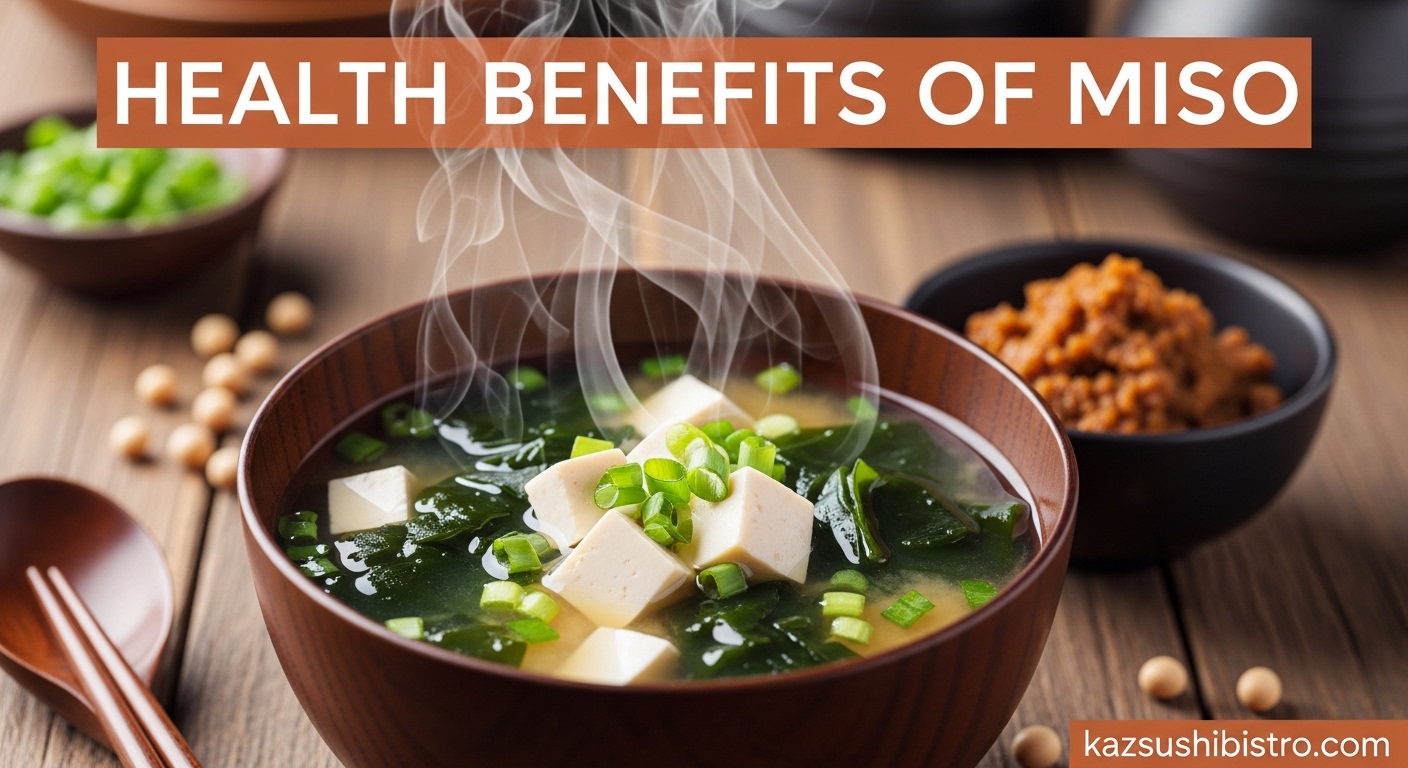
At KAZ Sushi Bistro, we serve miso soup to nearly every guest who walks through our doors. It is not just a tradition. It is one of the most nutrient-dense foods you can add to your daily routine. The health benefits of miso extend far beyond its comforting warmth and savory umami flavor.
Our kitchen team has prepared thousands of bowls of miso soup over the years. We have seen firsthand how this simple fermented paste transforms from a humble soybean product into a powerhouse of probiotics, vitamins, and minerals. Whether you are new to Japanese cuisine or a long-time enthusiast, understanding what miso does for your body will change how you view this ancient ingredient.
This guide draws on nutritional science, traditional Japanese medicine, and our experience as a sushi restaurant to give you the complete picture. You will learn exactly how miso supports your gut, immune system, heart, and brain. We will also address the safety concerns many of our guests ask about, from sodium content to whether miso is safe for GERD sufferers.
Table of Contents
What Is Miso?
Miso is a fermented paste made from soybeans, salt, and a specific mold culture called koji. The koji starter contains Aspergillus oryzae, a fungus that breaks down the soybeans over months or even years. This fermentation process creates the complex umami flavor that makes miso indispensable in Japanese cooking.
The origins of miso stretch back over 1,300 years to ancient China. It arrived in Japan in the 7th century and evolved into the regional varieties we know today. At KAZ Sushi Bistro, we use miso not just for soup but as a marinade for fish, a base for dressings, and a secret ingredient in several of our glazes.
The fermentation process is what transforms ordinary soybeans into nutritional powerhouses. Koji enzymes break down proteins into amino acids, creating that savory taste while making nutrients more bioavailable. The longer the fermentation, the deeper the flavor and the more pronounced the health benefits become.
Miso Nutrition: What You Get in Every Spoonful?
A single tablespoon of miso delivers significant nutrition despite its small serving size. You get about 2 grams of complete protein containing all nine essential amino acids. This makes miso particularly valuable for vegetarians and anyone reducing meat consumption.
The mineral content impresses us most in our kitchen. One serving provides roughly 12% of your daily manganese needs, supporting bone health and antioxidant defenses. You also get zinc, copper, and phosphorus in meaningful amounts. These minerals support immune function, wound healing, and cellular energy production.
Miso contains several B vitamins including small amounts of vitamin B12. This is rare in plant-based foods and makes miso valuable for those avoiding animal products. The fermentation process also generates vitamin K2, which directs calcium to your bones rather than your arteries. You will find isoflavones like daidzein and genistein, phytoestrogens linked to reduced cancer risk and menopausal symptom relief.
Health Benefits of Miso: The Science-Backed Benefits
Researchers have studied miso extensively, particularly in Japan where consumption remains high. The findings consistently support what traditional Japanese medicine has claimed for centuries. Here are the six most significant health benefits backed by scientific evidence.
1. Supports Digestive Health and Gut Flora
Miso is a fermented food teeming with beneficial bacteria. These probiotics colonize your gut microbiome, crowding out harmful organisms and supporting healthy digestion. Regular consumption can reduce bloating, improve regularity, and strengthen your intestinal barrier against pathogens.
Our guests often ask whether heating miso destroys these probiotic benefits. This is one of the most common questions we receive. The answer depends on temperature. Boiling water will kill most beneficial bacteria. However, adding miso to hot but not boiling water, or stirring it into dishes after cooking, preserves many of the live cultures.
Even heated miso retains significant value. The fermentation process has already broken down antinutrients like phytic acid that block mineral absorption. The enzymes and partially digested proteins remain beneficial even if some bacteria do not survive the heat. For maximum probiotic benefit, we recommend enjoying miso soup warm rather than scalding hot.
2. Strengthens Your Immune System
Your gut houses roughly 70% of your immune system. By supporting healthy gut flora, miso indirectly strengthens your body’s defense mechanisms. The probiotics in miso stimulate immune cell production and enhance your response to infections.
Research from the NIH indicates that regular miso consumption correlates with improved immune markers. The zinc content adds another layer of immune support. Zinc deficiency compromises immune function, making this mineral especially important during cold and flu season.
We notice fewer sick days among our kitchen staff who regularly consume miso soup. While this is anecdotal, it aligns with research showing reduced respiratory infections in populations with high fermented food consumption. The combination of probiotics, zinc, and antioxidants creates a multi-pronged immune defense.
3. May Reduce Cancer Risk
Multiple large-scale studies suggest miso consumption may protect against certain cancers. The isoflavones in fermented soybeans appear particularly effective against hormone-related cancers. Research published in the Journal of Nutrition found that regular miso consumption correlated with reduced breast cancer risk in postmenopausal women.
The antioxidants in miso neutralize free radicals that damage DNA and trigger cancer development. Fermentation increases the antioxidant capacity of soybeans significantly compared to unfermented soy products. Long-fermented red miso contains particularly high levels of these protective compounds.
Stomach cancer research shows more nuanced results. While some early studies linked miso to increased risk, later research controlling for salt intake found neutral or protective effects. The key appears to be choosing lower-sodium varieties and consuming miso as part of a balanced diet rich in vegetables.
4. Promotes Heart Health
Miso consumption correlates with improved cardiovascular markers in several studies. The fermentation process generates compounds that help reduce LDL cholesterol levels. Isoflavones appear to improve blood vessel function and reduce arterial stiffness.
Blood pressure concerns often arise due to miso’s sodium content. However, research suggests miso may affect blood pressure differently than equivalent sodium from table salt. Some studies indicate the peptides formed during fermentation actually help regulate blood pressure. Still, those with existing heart conditions should choose low-sodium varieties and monitor intake.
Heart disease patients can safely enjoy miso soup with physician approval. The key is moderation and selecting the right type. We recommend white miso, which typically contains less sodium than red varieties. Pairing miso soup with potassium-rich vegetables further offsets sodium concerns.
5. Supports Brain Health
The gut-brain axis represents one of the most exciting frontiers in nutrition science. The probiotics in miso may influence neurotransmitter production and reduce inflammation linked to depression and cognitive decline. Animal studies show promising results for fermented soy products supporting memory and learning.
Vitamin B12 in miso supports nerve function and myelin maintenance. Deficiency causes neurological symptoms ranging from fatigue to memory problems. While miso alone cannot meet all B12 needs, it contributes meaningfully, especially for those limiting animal products.
Our older guests often report feeling sharper when they incorporate fermented foods regularly. The combination of B vitamins, probiotics, and antioxidants creates favorable conditions for cognitive health. While more human research is needed, the existing evidence justifies including miso in a brain-healthy diet.
6. Additional Benefits
Bone health benefits from miso’s vitamin K2 content and isoflavones. These compounds improve calcium metabolism and may reduce fracture risk in older adults. Postmenopausal women particularly benefit from the phytoestrogens that support bone mineral density.
Menopausal symptom relief represents another well-documented benefit. Isoflavones act as selective estrogen receptor modulators, reducing hot flashes and night sweats for some women. The effect varies individually, but many find significant relief with regular consumption.
Weight management gets easier with miso in your diet. The savory umami flavor satisfies cravings that might otherwise lead to overeating. Protein and fiber content promote satiety. Research suggests fermented foods may influence metabolism and fat storage favorably.
Types of Miso: White, Red, and Beyond
Miso varieties differ primarily in fermentation time, ingredients, and color. Understanding these differences helps you choose the right type for your health goals and culinary needs.
White miso, called shiro miso, ferments for the shortest time, typically three months or less. It tastes mild, slightly sweet, and works beautifully in light soups and dressings. Nutritionally, white miso contains less sodium per serving than darker varieties, making it ideal for those monitoring salt intake.
Red miso, or aka miso, ages for at least one year and often longer. The extended fermentation creates bold, salty flavor and dark brown color. Red miso contains more antioxidants and develops higher concentrations of beneficial peptides. The tradeoff is higher sodium content, so use it sparingly.
Yellow miso falls between white and red in both flavor and fermentation time. Shinshu miso offers versatility for cooking while retaining moderate probiotic levels. Barley miso, or mugi miso, includes barley grains in the fermentation, creating a slightly sweet, earthy flavor profile with distinct nutritional benefits.
No single type ranks as healthiest overall. White miso wins for probiotic content since shorter fermentation preserves more live cultures. Red miso offers more antioxidants and deeper flavor. We recommend keeping both varieties in your kitchen and choosing based on your specific health priorities and recipe requirements.
How to Choose and Store Miso?
Shopping for miso requires reading labels carefully. Look for unpasteurized or raw miso if you want maximum probiotic benefits. Pasteurization extends shelf life but kills beneficial bacteria. Many quality brands now label their products as containing live cultures.
Ingredient lists should be short. Traditional miso contains only soybeans, rice or barley, salt, and koji. Avoid products with added alcohol, MSG, or artificial preservatives. The color and texture should look natural, not artificially enhanced.
Low-sodium options help those with blood pressure concerns or heart conditions. These products typically contain 25-40% less sodium than standard varieties. They taste slightly milder but deliver the same probiotic and nutritional benefits. You can always add more miso to taste rather than relying on saltier standard versions.
Storage is straightforward but important. Keep miso refrigerated after opening in an airtight container. It will last for months, even years, due to the preservative nature of salt and fermentation. A thin layer may darken or dry slightly on top. This is normal and safe to use.
Safety Considerations and Who Should Avoid Miso
Sodium represents the primary concern for most miso consumers. A single tablespoon contains 200-400 milligrams depending on the variety. Those with hypertension, heart disease, or kidney issues should choose low-sodium options and limit portions.
GERD and gastritis sufferers ask us frequently whether miso will trigger symptoms. The answer depends on individual tolerance. Some find fermented foods soothing for digestion. Others experience discomfort from the acidity and salt. We recommend starting with small amounts of white miso, which is milder, and monitoring your response. Avoid consuming miso on an empty stomach if you have active gastritis.
Soy allergies obviously contraindicate miso consumption. Those with thyroid conditions should consult their physician. Miso contains goitrogenic compounds that can interfere with iodine uptake. Cooking reduces but does not eliminate this effect. Moderate consumption is typically fine, but medical guidance helps individualize recommendations.
Pregnancy and breastfeeding generally permit miso consumption. The fermentation process reduces many concerns associated with raw soy. Choose pasteurized varieties during pregnancy if you have any immune concerns. As always, discuss significant dietary changes with your healthcare provider.
How to Add Miso to Your Diet
Miso soup remains the most familiar preparation, and for good reason. It is simple, comforting, and preserves benefits when prepared correctly. Heat your broth or water until hot but not boiling. Remove from heat, then whisk in miso paste. This preserves more probiotics than boiling the miso directly.
Marinades and glazes unlock miso’s potential in cooking. The enzymes tenderize meat and fish while adding complex flavor. We use miso glaze on our black cod, creating the signature sweet-savory crust our guests love. Mix miso with mirin and sake for an authentic Japanese marinade.
Salad dressings benefit from miso’s umami depth. Blend white miso with rice vinegar, sesame oil, and a touch of honey for a versatile dressing. It pairs especially well with bitter greens like arugula or watercress. The probiotics in raw miso dressings remain fully active.
Breakfast offers another opportunity for miso consumption. Traditional Japanese breakfast includes miso soup alongside rice, grilled fish, and pickles. Starting your day with warm miso soup provides gentle hydration and primes your digestion. Many of our regulars have adopted this practice after dining with us.
Frequently Asked Questions
Is it healthy to eat miso daily?
Yes, eating miso daily is healthy for most people. Regular consumption supports gut health, provides consistent probiotic intake, and delivers valuable nutrients like manganese and vitamin K. The key is moderation, typically one to two tablespoons per day. Choose low-sodium varieties if you monitor salt intake. Daily miso consumption correlates with improved digestive health and immune function in research studies.
Can I have miso with GERD?
Some people with GERD tolerate miso well while others experience discomfort. Start with small amounts of white miso, which is milder and less acidic than red varieties. Consume it as part of a meal rather than on an empty stomach. If you experience heartburn, reduce portion size or frequency. Low-sodium miso may help since high salt intake can worsen reflux for some individuals.
Is red or white miso healthier?
Neither is definitively healthier. White miso contains more live probiotics due to shorter fermentation. Red miso offers higher antioxidant levels and more developed beneficial compounds from longer aging. White miso typically has less sodium. Choose based on your health priorities: white for gut health and lower sodium, red for maximum antioxidants. Both provide complete protein, B vitamins, and minerals.
Can I eat miso soup if I have heart disease?
Most heart disease patients can enjoy miso soup with physician approval. Choose low-sodium white miso to minimize salt intake. Limit portions to one cup daily. Pair miso soup with potassium-rich vegetables like seaweed or spinach to help offset sodium effects. Research suggests miso may actually support heart health through cholesterol reduction and blood vessel function improvement when consumed in moderation.
What does miso do for your body?
Miso provides probiotics that support gut health and digestion. It delivers complete protein, B vitamins, manganese, zinc, and vitamin K2. Regular consumption may reduce cancer risk, support heart health, strengthen immunity, and improve bone density. The isoflavones help balance hormones, particularly for menopausal women. Fermentation makes nutrients more bioavailable and easier to digest than unfermented soy products.
Is miso soup okay for gastritis?
Miso soup may help or worsen gastritis depending on the individual. Some find the probiotics soothing for stomach inflammation. Others experience irritation from the salt and acidity. During active gastritis flares, avoid miso or use very small amounts of mild white miso diluted in plenty of broth. Once healed, reintroduce gradually. Always consume with food rather than on an empty stomach.
Conclusion
The health benefits of miso span from gut health to immune support, cancer prevention, heart health, and beyond. This fermented soybean paste represents one of the most nutritionally dense foods you can easily add to your daily routine. The combination of probiotics, complete protein, vitamins, and minerals justifies its status as a superfood.
At KAZ Sushi Bistro, we have witnessed how regular miso consumption transforms our guests’ relationships with Japanese cuisine. What starts as a simple bowl of soup becomes a gateway to better digestive health and a deeper appreciation for fermented foods. We recommend starting with one bowl of miso soup daily, choosing white or low-sodium varieties if you have specific health concerns.
The research supports what Japanese tradition has known for centuries. Miso nourishes the body at a fundamental level. Whether you seek improved digestion, immune support, or simply delicious nutrition, miso delivers. Visit us to experience authentic miso soup prepared with the care and tradition your health deserves.