
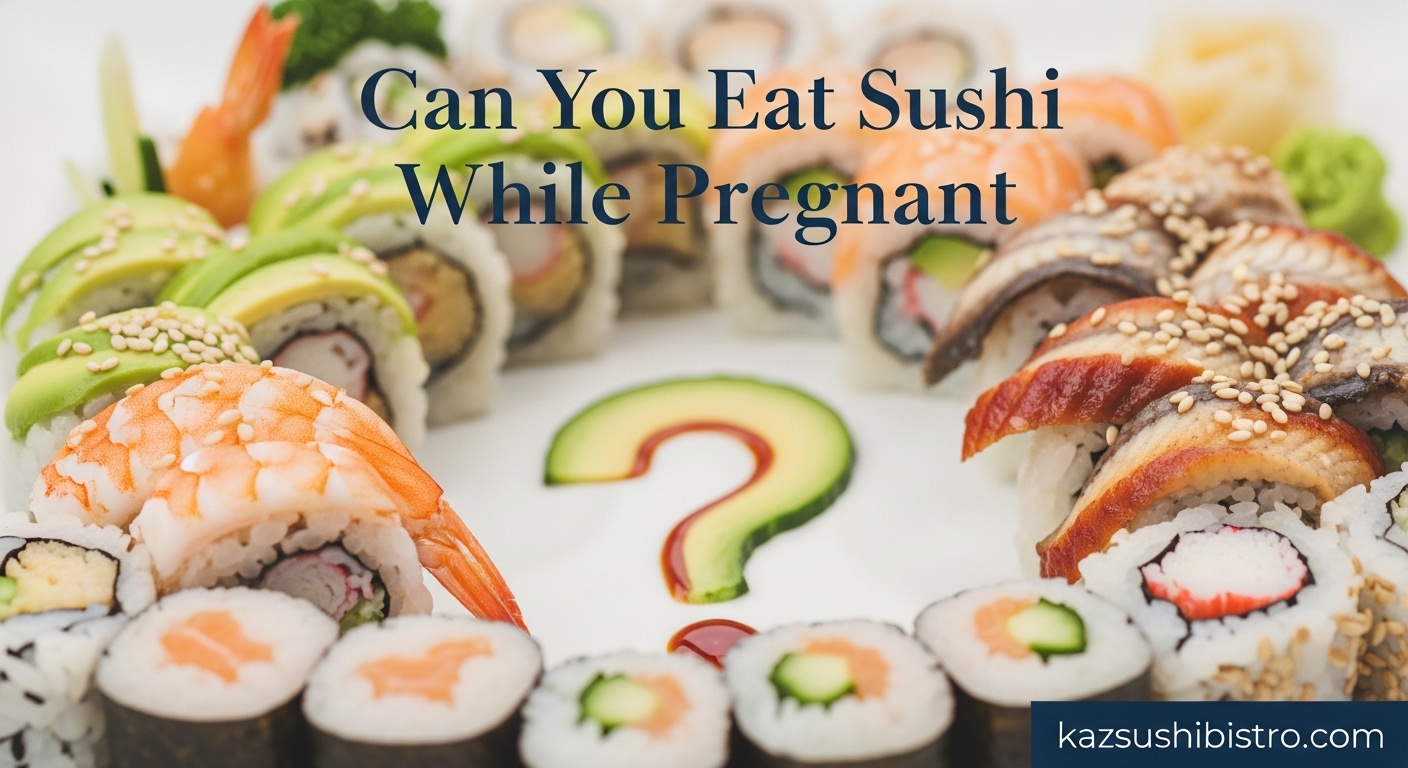
Can you eat sushi while pregnant? The short answer is yes, but with important limitations. You can safely enjoy cooked sushi and vegetable rolls throughout your pregnancy, while raw fish varieties should be avoided until after delivery. This distinction matters because raw fish carries specific risks that could affect your developing baby.
I have spoken with countless expectant mothers who feel overwhelmed by conflicting advice about pregnancy nutrition. Sushi cravings can hit hard during pregnancy, and the good news is that you do not need to give up your favorite Japanese cuisine entirely. Understanding which rolls are safe and which to skip helps you make confident dining decisions.
Table of Contents
Why Raw Fish Poses Risks During Pregnancy?
Raw fish presents three main dangers during pregnancy: Listeria bacteria, parasites, and high mercury levels. Your immune system undergoes natural changes while pregnant to protect the growing fetus, but this also makes you more vulnerable to foodborne illness.
The Listeria Concern
Listeria monocytogenes is a bacteria found in raw and undercooked fish that can cause listeriosis. According to the Cleveland Clinic, this infection during pregnancy can lead to miscarriage, stillbirth, premature delivery, or life-threatening infection in newborns. The frightening part is that listeria can survive and grow even in refrigerated conditions where other bacteria cannot.
Pregnant women are ten times more likely to contract listeriosis compared to the general population. The consequences extend beyond immediate illness. Listeria can cross the placental barrier and infect the fetus directly, potentially causing developmental delays, seizures, paralysis, or blindness in severe cases.
Parasite and Bacterial Threats
Raw fish may contain parasites like Anisakis simplex, which causes anisakiasis. This parasitic infection triggers severe abdominal pain, nausea, and vomiting. While freezing fish at specific temperatures kills parasites, not all sushi-grade fish undergoes proper flash-freezing treatment.
Bacteria including Salmonella and Vibrio also pose threats. These pathogens can cause food poisoning with symptoms ranging from mild stomach upset to severe dehydration requiring hospitalization. Your body prioritizes protecting the baby, which sometimes means you experience more severe symptoms than you would normally.
Safe Sushi Options You Can Enjoy While Pregnant 2026
You have plenty of delicious alternatives that satisfy sushi cravings without the risks. Cooked and vegetable-based rolls provide the flavors and textures you love while keeping you and your baby safe.
Fully Cooked Roll Options
California rolls top the list of pregnancy-safe choices. These rolls contain imitation crab (cooked pollock), avocado, and cucumber wrapped in rice and nori. The crab is fully processed and cooked during manufacturing, eliminating any raw fish concerns.
Shrimp tempura rolls offer that satisfying crunch pregnant women often crave. The shrimp is battered and deep-fried until golden, reaching temperatures well above the 145°F safety threshold recommended by the FDA. Pair these with spicy mayo for extra flavor.
Eel (unagi) rolls are traditionally served cooked. Freshwater eel is always grilled and glazed with sweet eel sauce before serving. The cooking process eliminates any parasites or bacteria while delivering rich, savory flavors.
Philadelphia rolls with cooked salmon make an excellent choice when prepared properly. Ask the restaurant to use fully cooked salmon rather than smoked varieties. The cream cheese and cucumber combination creates a creamy, satisfying roll.
Vegetarian and Egg-Based Choices
Vegetable rolls eliminate fish concerns entirely. Avocado rolls, cucumber rolls, sweet potato tempura rolls, and asparagus rolls deliver nutrition without risk. These options provide fiber, vitamins, and healthy fats that support your pregnancy.
Tamago (egg) nigiri features a slightly sweet, layered omelet atop rice. The eggs are fully cooked and provide protein plus choline, which supports fetal brain development. This traditional option satisfies the desire for authentic sushi flavors.
Tofu rolls offer plant-based protein in various preparations. Some restaurants serve tofu fresh, while others offer it grilled or tempura-fried. Always confirm the preparation method to ensure the tofu reaches safe internal temperatures.
Safe Fish Choices When Cooked
When fish reaches an internal temperature of 145°F, it becomes safe for pregnancy consumption. Cooked salmon, cooked shrimp, cooked scallops, and cooked white fish like tilapia or cod all make excellent sushi fillings. The key is verifying the cooking temperature.
Many Japanese restaurants offer “aburi” style sushi where the fish is briefly torched on top. This light searing does NOT cook the fish sufficiently for pregnancy safety. Stick to fully cooked preparations only.
Understanding Mercury in Fish During Pregnancy
Mercury represents another critical concern beyond bacterial and parasite risks. Methylmercury, a neurotoxin found in certain fish, can impair fetal brain and nervous system development. The effects are cumulative and dose-dependent, making awareness essential.
High-Mercury Fish to Completely Avoid
The FDA and EPA specifically warn pregnant women against consuming these high-mercury sushi fish: shark, swordfish, king mackerel, tilefish, bigeye tuna, and marlin. These species bioaccumulate mercury through the food chain, reaching dangerous concentrations.
Other sushi fish to limit or avoid include yellowfin tuna, albacore tuna (white tuna), and amberjack. While these contain moderate mercury levels, they should be consumed rarely if at all during pregnancy. Better safe than sorry applies here.
Low-Mercury Safe Fish Options
The good news is that many popular cooked sushi options use low-mercury fish. Salmon, shrimp, pollock (imitation crab), tilapia, cod, and catfish all fall into the safest category. The FDA recommends pregnant women eat 8 to 12 ounces of these low-mercury fish weekly.
Omega-3 fatty acids found in salmon and other low-mercury fish actually support healthy fetal development. These nutrients contribute to brain and eye formation. Choosing cooked salmon rolls gives you benefits without the mercury risks of high-mercury varieties.
Remember that cooking does not reduce mercury content. A high-mercury fish remains dangerous even when fully cooked. Focus on both the mercury level AND the preparation method when making sushi selections.
Restaurant Safety Tips for Pregnant Women
Selecting the right restaurant significantly impacts your safety. Not all sushi establishments follow the same food handling protocols, and pregnancy requires extra caution.
Choosing Reputable Establishments
Look for restaurants with visible health inspection grades posted. Higher-end establishments typically invest in better training and equipment for fish handling. Avoid budget buffets and all-you-can-eat sushi places where food sits out for extended periods.
Check online reviews specifically mentioning food safety and freshness. Recent negative reviews about illness should raise immediate red flags. Trust your instincts when you walk in. The dining area and sushi bar should appear clean and well-maintained.
Avoiding Cross-Contamination
Cross-contamination poses real risks even when you order cooked items. Raw fish preparation areas should remain separate from cooked food stations. Ask the staff about their protocols. Reputable restaurants use different cutting boards, knives, and preparation surfaces for raw versus cooked items.
Watch the sushi preparation if possible. Proper technique includes changing gloves between handling raw and cooked ingredients. If you observe questionable practices, choose a different restaurant.
Communication with Restaurant Staff
Never hesitate to inform your server that you are pregnant. This disclosure helps them guide you toward safe options and alert the kitchen to use extra care with your order. Most restaurants appreciate the heads-up and take pregnancy requests seriously.
Ask specific questions about preparation methods. “Is this salmon fully cooked to 145 degrees?” gets clearer information than “Is this cooked?” Request modifications when needed. Most restaurants gladly prepare rolls with cooked substitutions.
Trimester Considerations for Eating Sushi
Many women wonder if sushi safety varies by pregnancy stage. The guidelines remain consistent across all trimesters, though your concerns and cravings may shift.
First Trimester Precautions
The first trimester brings the highest miscarriage risk and most intense food aversions. Some women find the smell of raw fish unbearable during these early weeks anyway. Morning sickness may make all sushi unappealing temporarily.
If you accidentally consumed raw sushi before knowing you were pregnant, try not to panic. One exposure rarely causes problems. The vast majority of pregnancies continue normally even after early dietary indiscretions.
Second and Third Trimester Guidance
As pregnancy progresses, your immune system remains altered, so the raw fish prohibition continues. However, many women find their appetites return and cravings intensify. This is the perfect time to explore the wide variety of cooked and vegetable rolls available.
Some sushi lovers report that third-trimester heartburn makes wasabi and spicy mayo uncomfortable. Consider milder flavor options or request sauces on the side. Ginger, traditionally served with sushi, can actually help with nausea at any stage.
What If You Accidentally Ate Raw Sushi?
Accidents happen. You might take a bite of someone else’s roll before realizing it contains raw tuna. Perhaps the restaurant mixed up your order. Maybe social pressure led you to try “just one piece.” First, take a deep breath.
One-time consumption of raw fish rarely causes serious problems during pregnancy. The risk comes from repeated exposure and cumulative probability. Most pregnant women who accidentally eat raw sushi experience no adverse effects whatsoever.
Monitor yourself for symptoms over the next few days. Warning signs include fever, severe vomiting, diarrhea, abdominal cramping, or flu-like symptoms. Contact your healthcare provider immediately if these develop. Early intervention can prevent complications.
Do not let guilt overwhelm you. Pregnancy comes with enough stress without adding shame over food mistakes. Focus on making safe choices going forward rather than dwelling on the past. Your baby is likely just fine.
If anxiety continues bothering you, call your doctor or midwife for reassurance. They can review your specific situation and provide peace of mind. Many healthcare providers have addressed this exact concern countless times before.
Cultural Perspectives: Do Japanese Women Eat Sushi While Pregnant?
A common misconception suggests that Japanese women continue eating raw sushi throughout pregnancy. Forum discussions reveal a more nuanced reality. Japanese medical professionals generally advise against raw fish during pregnancy, similar to Western recommendations.
Some Japanese women do consume sushi occasionally while pregnant, particularly at high-end restaurants with rigorous safety standards. However, this represents personal choice rather than cultural endorsement. The idea that pregnancy sushi bans are purely Western is largely myth.
What differs is the availability of high-quality, flash-frozen sushi-grade fish in Japan. Stringent regulations and cold-chain logistics make raw fish safer there than in many other countries. Even so, pregnancy caution persists across cultures.
Frequently Asked Questions
What kind of sushi can I eat while pregnant?
You can eat cooked sushi and vegetable rolls while pregnant. Safe options include California rolls, shrimp tempura rolls, eel (unagi) rolls, vegetable rolls, tamago (egg) nigiri, and any rolls made with fully cooked fish heated to 145°F. Avoid all raw fish including sashimi, raw salmon, raw tuna, and nigiri with uncooked fish.
Why do you not eat sushi while pregnant?
Raw sushi is not recommended during pregnancy because it may contain Listeria bacteria, parasites, and high mercury levels. Pregnant women have weakened immune systems that make them more susceptible to foodborne illness. These infections can cross the placenta and harm fetal development, potentially causing miscarriage, stillbirth, or developmental problems.
What to avoid in pregnancy in the first trimester?
During the first trimester, avoid raw or undercooked fish, high-mercury fish like shark and swordfish, unpasteurized dairy products, raw eggs, deli meats unless heated until steaming, and raw sprouts. These foods carry increased risks of foodborne illness and toxins that can affect early fetal development when organs are forming.
I ate raw sushi while pregnant – what should I do?
If you accidentally ate raw sushi while pregnant, do not panic. One-time consumption rarely causes problems. Monitor yourself for fever, severe vomiting, diarrhea, or flu-like symptoms over the next few days. Contact your healthcare provider if symptoms develop or if you need reassurance. Most accidental exposures result in no adverse effects.
Do Japanese women eat sushi while pregnant?
Japanese women generally receive similar medical advice to avoid raw fish during pregnancy. While some may consume sushi at high-end restaurants with strict safety standards, this is personal choice rather than cultural practice. Japanese pregnancy guidelines emphasize caution with raw foods, though Japan’s superior fish handling standards make raw fish safer there than in many other countries.
Is California roll safe during pregnancy?
Yes, California rolls are safe during pregnancy. They contain imitation crab made from cooked pollock, along with avocado and cucumber. The imitation crab is fully processed and cooked during manufacturing, eliminating raw fish risks. California rolls are one of the most commonly recommended sushi options for pregnant women.
Which sushi rolls are fully cooked?
Fully cooked sushi rolls include California rolls, shrimp tempura rolls, eel (unagi) rolls, Philadelphia rolls with cooked salmon, vegetable rolls, sweet potato tempura rolls, and tamago (egg) nigiri. Always verify with the restaurant that fish is cooked to an internal temperature of 145°F before consuming during pregnancy.
How much cooked fish can I eat while pregnant?
The FDA recommends pregnant women eat 8 to 12 ounces (2-3 servings) of low-mercury cooked fish per week. Safe options include salmon, shrimp, pollock, tilapia, cod, and catfish. This amount provides beneficial omega-3 fatty acids for fetal brain development while minimizing mercury exposure risks.
Final Thoughts: Can You Eat Sushi While Pregnant
Can you eat sushi while pregnant? Absolutely, when you make informed choices. Cooked sushi and vegetable rolls offer safe, nutritious options that satisfy cravings without risking your baby’s health. Raw fish should wait until after delivery, but that leaves dozens of delicious alternatives to explore.
Focus on reputable restaurants, communicate your needs clearly, and verify that cooked items reach proper temperatures. Remember that 8 to 12 ounces of low-mercury cooked fish weekly provides benefits for fetal development. The nine months of pregnancy pass quickly, and soon you can return to your favorite raw sushi varieties.
If you have specific concerns about your dietary choices during pregnancy, consult your healthcare provider. Every pregnancy differs, and your doctor can provide personalized guidance based on your health history and circumstances. Enjoy your pregnancy journey and the many safe sushi options available to you.