
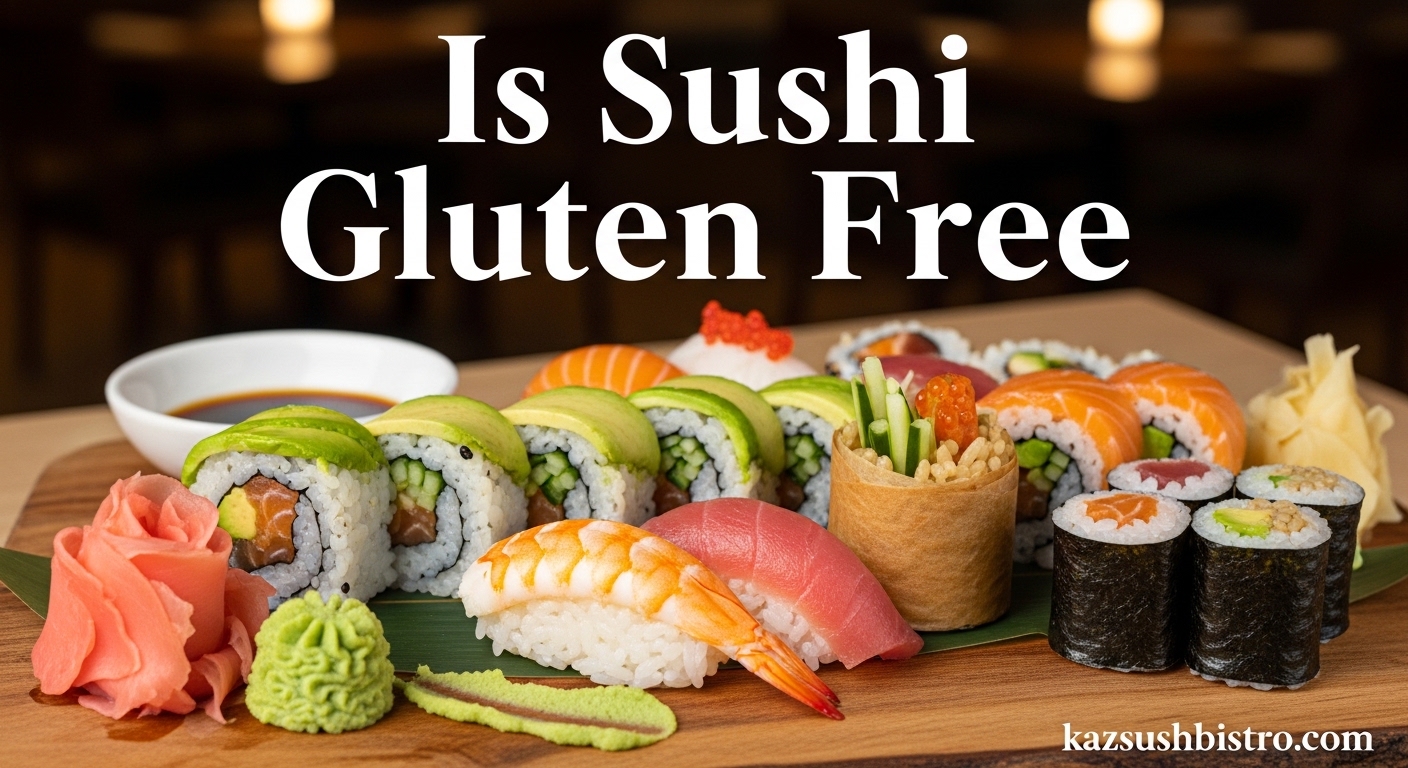
I remember standing at a sushi counter for the first time after my celiac diagnosis, staring at the menu with a mix of hunger and anxiety. The question running through my mind was simple: is sushi gluten free enough for someone like me to eat safely? The answer, I learned, is that some sushi is naturally gluten-free while other varieties contain hidden sources of wheat that can trigger reactions in people with celiac disease or gluten sensitivity.
The core ingredients of traditional sushi are rice, fish, vegetables, and seaweed. These are all naturally free of gluten. However, modern sushi preparation often includes soy sauce, imitation crab, tempura batter, and various sauces that introduce wheat into dishes where you would not expect it.
In this guide, I will walk you through exactly what to look for when ordering sushi on a gluten-free diet. You will learn which ingredients are safe, which rolls to avoid, how to communicate with restaurant staff, and practical tips for enjoying sushi without worry.
Table of Contents
Is Sushi Gluten Free? The Complete Answer
Plain sushi made with rice, fresh fish, and nori seaweed is gluten-free. The problems arise when restaurants add sauces, processed ingredients, or use certain types of vinegar during preparation. Understanding these hidden sources is the key to eating safely.
Traditional Japanese sushi was historically gluten-free because wheat is not native to Japanese cuisine. The issue emerged as Western adaptations introduced soy sauce-based marinades, imitation crab meat, and fried tempura elements. Today, eating sushi safely requires knowing which questions to ask and what modifications to request.
Hidden Sources of Gluten in Sushi 2026
The most frustrating part of eating gluten-free is discovering wheat in foods that seem safe. Sushi has several hidden gluten sources that can catch even careful diners off guard. Here are the main culprits to watch for.
Soy Sauce and Marinades
Traditional soy sauce contains wheat as a primary ingredient. Most restaurants use regular soy sauce for marinating fish, dressing rolls, and serving at the table. Even a small amount can cause a reaction in someone with celiac disease.
Some fish commonly served in sushi, like eel (unagi) and yellowtail, are marinated before they reach the restaurant. These marinades almost always contain soy sauce, making the fish unsafe for gluten-free diners.
The solution is to request gluten-free tamari sauce, which is soy sauce made without wheat. Many restaurants now stock tamari specifically for gluten-free customers. I always bring a small bottle in my bag just in case.
Imitation Crab (Surimi)
Surimi, commonly sold as imitation crab or crab stick, contains wheat starch as a binding agent. This ingredient appears in California rolls, spider rolls, and various specialty rolls at almost every sushi restaurant.
If you see “krab” on a menu with a K, that is a clear sign the roll contains surimi. Real crab meat is naturally gluten-free and safe to eat, but it costs more and has a different texture than the processed imitation version.
When ordering, specifically request real crab meat instead of imitation. Some restaurants can accommodate this substitution, though they may charge extra for the upgrade.
Tempura Batter and Fried Elements
Tempura is made with wheat flour batter, making anything fried in it immediately off-limits. This includes tempura rolls, shrimp tempura, and any roll labeled “crunchy” with fried onions or other battered toppings on top.
Cross-contamination is a major concern with tempura. Most restaurants use shared fryers for all fried items. Even if you order a roll without tempura, the preparation surfaces and oil may contain wheat residue from previous orders.
Rice Vinegar Concerns
Sushi rice is seasoned with vinegar, sugar, and salt. While rice vinegar itself is gluten-free, some restaurants use malt vinegar or seasoned vinegar blends that contain barley malt. Barley contains gluten and triggers the same reaction as wheat.
When making sushi at home, check your rice vinegar label carefully. Look for plain rice vinegar without added malt or seasoning blends. I use Marukan or Kikkoman unseasoned rice vinegar for my homemade rolls.
Spicy Mayo and Specialty Sauces
Spicy tuna and spicy salmon rolls contain mayonnaise mixed with hot sauce. Some restaurants add soy sauce or other wheat-containing ingredients to their spicy mayo recipe. Always ask about the ingredients if you want to order these popular rolls.
Eel sauce (unagi sauce) and teriyaki sauce both contain soy sauce as a base. These sweet, savory sauces are drizzled on dragon rolls and many specialty items. Ponzu sauce, a citrus-based soy sauce blend, also contains wheat.
Wasabi Authenticity
Real wasabi is a root vegetable related to horseradish and is naturally gluten-free. However, most restaurants serve a powdered mixture instead of fresh wasabi. Some of these powders contain wheat starch as an anti-caking agent.
If you are highly sensitive, ask if the restaurant uses real wasabi or powder. Higher-end Japanese restaurants are more likely to serve the real thing. You can also bring your own wasabi powder from a trusted gluten-free brand.
Naturally Gluten-Free Sushi Ingredients
Now that you know what to avoid, let us focus on what you can safely enjoy. The foundation of any gluten-free sushi order starts with these safe ingredients.
Sushi Rice
Plain sushi rice made with water, rice vinegar, sugar, and salt is gluten-free. The rice itself is naturally free of wheat, barley, and rye. Problems only arise when restaurants use malt vinegar or cross-contaminate during preparation.
I always ask restaurants about their vinegar source when trying a new place. Most use standard rice vinegar, which is safe, but it is worth confirming before you order.
Fresh Fish and Seafood
Plain raw fish is one of the safest gluten-free proteins available. Salmon, tuna, yellowtail, snapper, mackerel, and shrimp are all naturally gluten-free when served without marinade or sauce.
Be cautious with smoked salmon, which sometimes contains soy sauce in the curing process. Ask your server if the smoked salmon is plain or seasoned. Fresh salmon is always the safer choice if you are unsure.
Nori Seaweed
Nori, the dried seaweed sheets used to wrap maki rolls, is naturally gluten-free. It is made from pressed seaweed without wheat additives. This makes simple nori-wrapped rolls a good option when you know the fillings are safe.
Fresh Vegetables
Cucumber, avocado, asparagus, carrots, and other fresh vegetables used in sushi are all gluten-free. Vegetarian rolls can be a good option as long as they do not contain tempura, sauce, or imitation crab.
Japanese Omelet (Tamago)
Tamago, the sweet Japanese omelet often served as nigiri, is usually gluten-free. However, some recipes include soy sauce or mirin that may contain gluten. Ask about preparation methods if you want to order tamago.
Roe and Fish Eggs
Masago (smelt roe), tobiko (flying fish roe), and ikura (salmon roe) are naturally gluten-free. These add texture and flavor to many rolls. Verify that they have not been mixed with soy sauce or other seasonings before serving.
Gluten-Free Sushi Rolls You Can Order
When scanning a sushi menu, certain rolls are reliably safe if prepared correctly. Here are your best options for a gluten-free meal.
Sashimi
Sashimi is simply slices of raw fish served without rice. It is the safest option at any sushi restaurant because there are no hidden ingredients to worry about. Just dip it in gluten-free tamari instead of regular soy sauce.
I order sashimi as my go-to safe choice when I am unsure about a restaurant’s cross-contamination practices. You still get the fresh fish experience without the risks associated with prepared rolls.
Nigiri
Nigiri consists of a slice of fish pressed over a small mound of sushi rice. Basic nigiri with salmon, tuna, shrimp, or white fish is gluten-free as long as the fish is not marinated and the rice is plain.
Avoid eel (unagi) nigiri unless you confirm the eel is not glazed with sauce. The same applies to any fish labeled “marinated” or “glazed” on the menu.
Simple Maki Rolls
Basic maki rolls with two or three ingredients are often the safest choice. Look for these options:
Cucumber roll (Kappa Maki): Just rice, cucumber, and nori. Completely gluten-free and available at every sushi restaurant.
Avocado roll: Rice, avocado, and nori. A filling vegetarian option that is naturally safe.
Salmon roll: Fresh salmon with rice and nori. Request it without sauce or spicy mayo.
Tuna roll: Fresh tuna with rice and nori. Another simple, safe choice.
Yellowtail roll: Hamachi with rice and nori. Verify the fish is not marinated before ordering.
Sushi Rolls to Avoid on a Gluten-Free Diet
Just as important as knowing what to order is knowing what to skip. These popular rolls contain gluten in their standard preparation.
California Rolls
California rolls contain imitation crab meat as the primary filling. Since surimi contains wheat starch, these rolls are never safe for gluten-free diners unless the restaurant makes a special version with real crab.
Tempura Rolls
Any roll with “tempura” in the name contains fried ingredients coated in wheat batter. This includes shrimp tempura rolls and vegetable tempura rolls. The shared fryers used for tempura also create cross-contamination risks for other items.
Dragon Rolls
Dragon rolls are topped with eel sauce, which contains soy sauce. The sweet, dark drizzle that makes dragon rolls visually appealing also makes them unsafe for anyone avoiding gluten.
Spider Rolls
Spider rolls contain soft shell crab that has been deep-fried in tempura batter. Between the wheat batter and the shared fryer, these rolls are completely off-limits.
Spicy Tuna and Spicy Salmon
The “spicy” element in these rolls comes from a mayonnaise-based sauce that often contains soy sauce or other gluten ingredients. Unless the restaurant confirms their spicy mayo is gluten-free, avoid these rolls.
Anything with “Crunchy” Toppings
Crunchy toppings are usually tempura flakes or fried onions. Both contain wheat and are prepared in shared fryers. Ask for rolls without the crunchy topping if you want to modify an otherwise safe roll.
Cross-Contamination Risks at Sushi Restaurants
Even when you order ingredients that are naturally gluten-free, cross-contamination can make your meal unsafe. Here is what to watch for.
Shared Preparation Surfaces
Sushi chefs use the same cutting boards and knives for all their preparation. If they cut a California roll with wheat-containing imitation crab, then cut your cucumber roll on the same board, cross-contamination occurs.
Request that the chef use a clean cutting board and fresh gloves when preparing your order. Most restaurants are willing to accommodate this request if you explain that you have celiac disease.
Rice Cookers and Storage
Some restaurants use the same rice containers for all their rolls. If they handle tempura rolls or wheat-containing ingredients, then reach into the rice container, the rice becomes contaminated.
This is harder to prevent than cutting board issues. Your best defense is choosing restaurants that take gluten-free requests seriously and understand cross-contamination risks.
Soy Sauce Bottle Handling
The shared soy sauce bottle on the table or sushi bar is a major contamination source. Diners dip wheat-containing rolls into the bottle, then you dip your gluten-free roll into the same sauce.
Always request individual packets of gluten-free soy sauce or bring your own tamari. Never use the shared bottle on the table, even for a single dip.
Fryer Cross-Contact
Tempura is the biggest cross-contamination risk in sushi restaurants. The same oil and equipment used for tempura is rarely safe for gluten-free diners. Even if you order nothing fried, the surfaces and air around the fryer can contaminate nearby food preparation.
How to Order Gluten-Free Sushi at Restaurants
Communication is the key to eating sushi safely. Here is exactly what to say when you sit down at a sushi restaurant.
Questions to Ask Your Server
Start by telling your server you have celiac disease or a gluten allergy. This signals that your request is medical, not a preference. Then ask these specific questions:
What type of vinegar do you use in the rice? You are checking for malt vinegar, which contains gluten.
Do you have gluten-free tamari sauce? If yes, request it with your meal. If no, bring out your own.
Can the chef use a clean cutting board and fresh gloves for my order? This prevents cross-contamination from shared surfaces.
Which rolls contain imitation crab or tempura? Know exactly what to avoid before ordering.
Requesting Safe Preparation
Ask the chef to prepare your order first, before handling any wheat-containing ingredients. This minimizes the risk of cross-contamination from earlier orders.
If you are sitting at the sushi bar, watch the preparation. Politely remind the chef of your allergy if you see them reach for tempura or other unsafe ingredients before finishing your order.
Bringing Your Own Soy Sauce
I never rely on restaurants having gluten-free tamari available. I carry small travel bottles of San-J or Kikkoman gluten-free soy sauce in my bag. This ensures I always have a safe dipping option.
San-J makes convenient single-serve packets that fit easily in a wallet or pocket. Kikkoman also offers gluten-free tamari in portable sizes.
Grocery Store Sushi Safety
Pre-packaged sushi from grocery stores requires careful label reading. Check the ingredient list for wheat, soy sauce, and imitation crab. Look for items specifically labeled gluten-free.
Whole Foods and other premium grocery stores often have gluten-free sushi options prepared in separate facilities. Costco sushi varies by location and supplier, so read labels carefully before purchasing.
Making Gluten-Free Sushi at Home
The safest way to enjoy sushi is making it yourself. You control every ingredient and eliminate cross-contamination risks entirely.
Essential Equipment
You need a bamboo sushi mat (makisu), a sharp knife, and a rice cooker or pot for preparing sushi rice. A small bowl of water mixed with rice vinegar helps prevent rice from sticking to your hands.
Choosing Safe Ingredients
Buy plain rice vinegar without malt additives. Kikkoman and Marukan both make clearly labeled gluten-free rice vinegar. Use short-grain sushi rice or medium-grain Calrose rice for the proper texture.
Purchase fresh fish from a reputable seafood market. Ask the fishmonger which options are best for raw consumption. Keep the fish refrigerated and use it within 24 hours of purchase.
Simple Rolls to Start
Begin with cucumber rolls to practice your technique. Once you can roll a tight maki, try salmon or tuna rolls. These simple combinations require no special sauces and are completely gluten-free.
Making sushi at home takes practice, but it is far easier than most people expect. Within a few attempts, you will be rolling restaurant-quality maki that you know is completely safe to eat.
Frequently Asked Questions
Can I eat sushi if I have celiac disease?
Yes, you can eat sushi with celiac disease if you choose the right items and communicate carefully with the restaurant. Stick to sashimi, simple nigiri with unmarinated fish, and basic maki rolls made with verified gluten-free ingredients. Always ask about rice vinegar, avoid imitation crab and tempura, and bring your own gluten-free tamari sauce to ensure safety.
Is sushi rice gluten-free?
Plain sushi rice is naturally gluten-free. It is made from short-grain rice mixed with rice vinegar, sugar, and salt. However, some restaurants use malt vinegar or seasoned vinegar blends that contain barley malt, which does contain gluten. Always ask what type of vinegar is used in the rice preparation.
Is imitation crab gluten-free?
No, imitation crab (surimi) is not gluten-free. It contains wheat starch as a binding agent to hold the processed fish together. California rolls, spider rolls, and any roll containing crab stick should be avoided on a gluten-free diet. Request real crab meat instead if you want a similar flavor and texture.
Is Costco sushi gluten-free?
Costco sushi varies by location and supplier, so you must read the ingredient labels carefully. Some Costco locations carry sushi that contains imitation crab, soy sauce, and other gluten-containing ingredients. Look for packages specifically labeled gluten-free, or choose plain sashimi and vegetable rolls with verified ingredients.
Is miso soup gluten-free?
Traditional miso soup is usually gluten-free, but it depends on the specific preparation. Miso paste itself is made from fermented soybeans and is typically gluten-free, but some restaurants add soy sauce or dashi stock containing gluten ingredients. Always ask about the ingredients before ordering miso soup at a restaurant.
Is wasabi gluten-free?
Real wasabi, made from the wasabi root plant, is naturally gluten-free. However, most restaurants serve powdered wasabi mixed with water, and some brands contain wheat starch as an anti-caking agent. If you are highly sensitive, ask if the restaurant uses real wasabi or bring your own gluten-free wasabi powder from a trusted brand.
Conclusion
Is sushi gluten free? The answer depends entirely on how it is prepared. The core ingredients of rice, fish, and seaweed are naturally gluten-free. It is the soy sauce, imitation crab, tempura batter, and specialty sauces that introduce wheat into otherwise safe dishes.
By understanding hidden gluten sources and knowing which questions to ask, you can enjoy sushi safely even with celiac disease or gluten sensitivity. Stick to sashimi, simple nigiri, and basic maki rolls with verified ingredients. Always bring your own gluten-free tamari, and do not hesitate to request clean preparation surfaces.
Sushi can absolutely be part of a gluten-free diet. With the knowledge from this guide, you can order confidently at restaurants or make your own safe rolls at home. The key is communication, preparation, and knowing exactly what goes into every bite.