
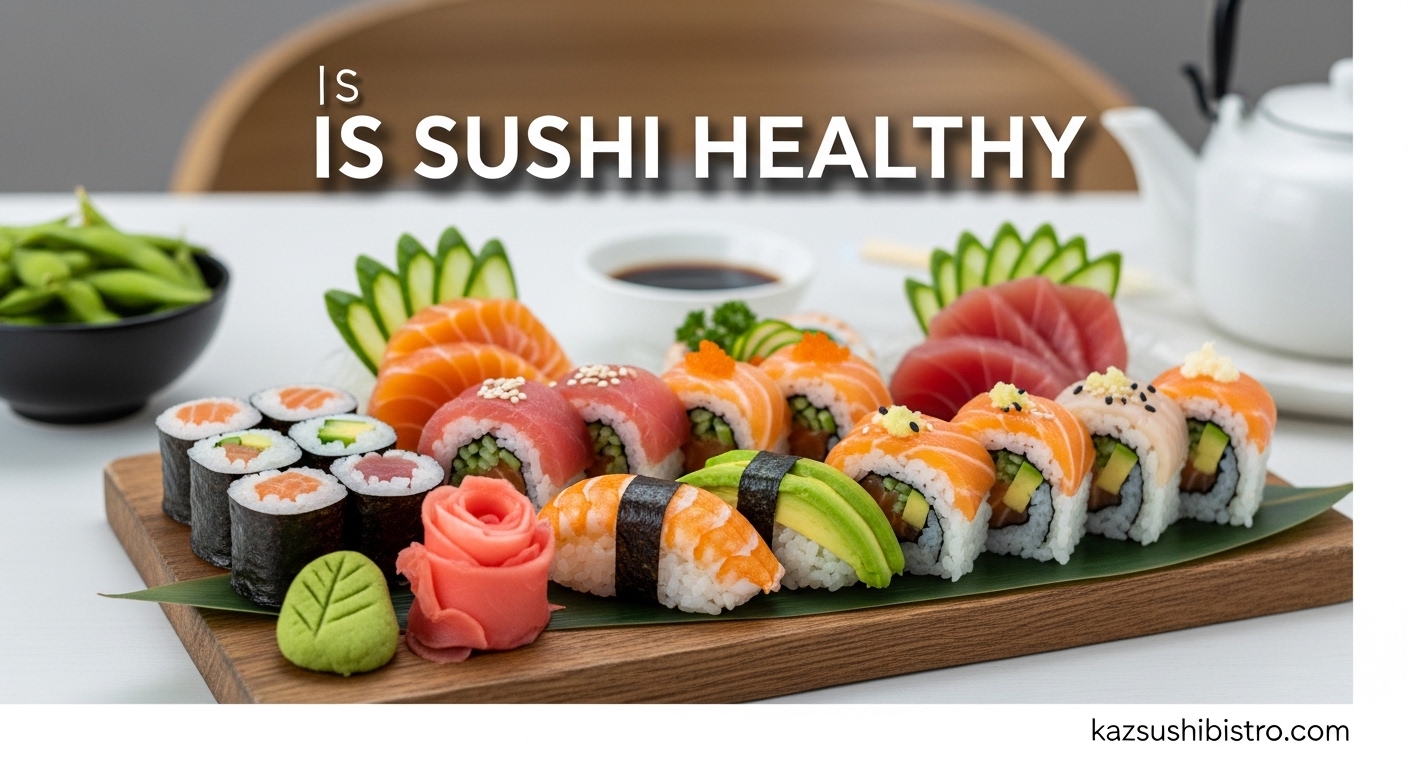
Sushi can be a healthy food choice when you select the right ingredients and portions. Fresh fish provides omega-3 fatty acids and lean protein, while seaweed adds essential minerals. However, the healthiness of sushi depends on what you order, how much rice it contains, and which sauces you add.
I’ve spent years studying nutrition and dining at places like our restaurant to understand what makes sushi a smart choice versus a less healthy option. The answer is not simply yes or no. Sushi exists on a spectrum from nutrient-dense sashimi to calorie-heavy specialty rolls smothered in mayonnaise-based sauces.
In this guide, I will break down the nutritional benefits, potential risks, and practical tips to help you make informed decisions. Whether you eat sushi weekly or are just curious about adding it to your diet, understanding these factors will help you enjoy this Japanese cuisine while supporting your health goals.
Table of Contents
What Is Sushi? Understanding the Basics 2026
Sushi refers to a Japanese dish featuring vinegared rice combined with various ingredients. These ingredients typically include raw or cooked seafood, vegetables, and occasionally tropical fruits.
The rice itself is short-grain rice seasoned with rice vinegar, sugar, and salt. This combination creates the characteristic tangy flavor that defines sushi. Contrary to popular belief, sushi does not always contain raw fish. The word “sushi” actually refers to the rice, not the fish.
The Main Types of Sushi
Maki rolls are what most people picture when they think of sushi. These consist of rice and fillings wrapped in nori seaweed and rolled into a cylinder, then sliced into bite-sized pieces. Popular varieties include the California roll, spicy tuna roll, and vegetable rolls.
Nigiri features a slice of raw or cooked fish placed atop a small mound of vinegared rice. This style highlights the quality of the fish and represents traditional Japanese sushi at its purest form.
Sashimi consists of thinly sliced raw fish served without rice. While technically not sushi since it lacks vinegared rice, sashimi appears on nearly every sushi menu and offers the highest protein-to-calorie ratio.
Temaki, or hand rolls, are cone-shaped pieces of nori filled with rice and ingredients. These are typically eaten immediately after preparation to preserve the crispy texture of the seaweed.
Key Ingredients and Their Roles
Nori seaweed provides more than just a wrapper. This marine vegetable contains iodine, vitamin K, and antioxidants that support thyroid function and overall health. The omega-3 fatty acids found in fatty fish like salmon deliver powerful anti-inflammatory benefits for heart and brain health.
Wasabi and pickled ginger serve functional purposes beyond flavor. Wasabi contains compounds that may have antimicrobial properties, while ginger aids digestion and cleanses the palate between different fish varieties.
The Nutritional Benefits of Sushi
Fresh sushi made with quality ingredients offers significant nutritional advantages. Understanding these benefits helps you appreciate why sushi has earned its reputation as a healthy dining option when prepared properly.
Omega-3 Fatty Acids for Heart and Brain Health
Fatty fish like salmon, mackerel, and sardines provide EPA and DHA, two essential omega-3 fatty acids. These nutrients reduce inflammation throughout the body and lower the risk of heart disease.
Research published in 2026 shows that regular consumption of omega-3s supports cognitive function and may reduce the risk of age-related mental decline. A single serving of salmon nigiri can provide nearly half your daily recommended intake of these beneficial fats.
High-Quality Lean Protein
Fish provides complete protein containing all essential amino acids your body needs. Unlike many land animal proteins, fish protein comes with minimal saturated fat.
A typical serving of sashimi contains 20 to 25 grams of protein with fewer than 150 calories. This protein density makes sushi an excellent choice for muscle maintenance and weight management goals.
Vitamins and Minerals from Sea Vegetables
Nori seaweed contains impressive amounts of iodine, which supports thyroid hormone production and metabolism regulation. Just one sheet of nori provides up to 70 percent of your daily iodine needs.
Sushi also delivers vitamin D for bone health, vitamin B12 for nerve function, and selenium as a powerful antioxidant. These nutrients work together to support immune function, energy production, and cellular repair.
Low in Unhealthy Fats
Traditional sushi contains virtually no trans fats and minimal saturated fat. The fats present are primarily heart-healthy unsaturated varieties from fish.
This fat profile differs dramatically from many Western restaurant meals that rely on butter, frying oils, and heavy cream sauces. Choosing sashimi or simple nigiri over deep-fried rolls keeps your meal aligned with heart-healthy eating patterns.
Health Risks and Concerns to Consider
While sushi offers many nutritional benefits, certain risks deserve attention. Being aware of these concerns helps you make smarter choices and minimize potential downsides.
Refined Carbohydrates and Blood Sugar Impact
White rice used in most sushi is highly refined and stripped of fiber. This processing means it digests quickly and can spike blood sugar levels, particularly problematic for people with diabetes or insulin resistance.
A single sushi roll can contain half a cup of white rice, delivering approximately 30 grams of carbohydrates with minimal fiber to slow absorption. This sugar content concerns many health-conscious diners who wonder about the glycemic impact of their meal.
Sodium Content and Soy Sauce
Sushi rice contains salt for flavor, but the real sodium culprit is soy sauce. A single tablespoon of soy sauce contains nearly 900 milligrams of sodium, which is 40 percent of the recommended daily limit.
For individuals monitoring blood pressure or managing heart conditions, this sodium load presents a genuine concern. Even reduced-sodium soy sauce contains significant salt levels that can add up quickly during a sushi meal.
Mercury in Certain Fish Varieties
Large predatory fish accumulate mercury in their tissues over time. Species like swordfish, shark, king mackerel, and marlin contain levels that could pose health risks with regular consumption.
Pregnant women, nursing mothers, and young children face the greatest risk from mercury exposure. The FDA recommends these groups avoid high-mercury fish entirely and choose lower-mercury alternatives like salmon, shrimp, and pollock.
Food Safety and Parasite Risks
Raw fish can harbor parasites like Anisakis and Diphyllobothrium, along with bacteria such as Salmonella and Vibrio. Proper freezing protocols kill parasites, but bacterial contamination remains a risk if fish is not handled correctly.
People with compromised immune systems, including those undergoing chemotherapy or living with HIV, should avoid raw fish entirely. Cooking fish to 145 degrees Fahrenheit eliminates these pathogens.
Calorie-Dense Specialty Rolls
Modern Western-style rolls often contain cream cheese, mayonnaise-based sauces, and tempura-fried ingredients. A single Philadelphia roll or Dragon roll can contain 400 to 500 calories, comparable to a fast-food hamburger.
These additions transform a potentially healthy meal into a calorie bomb. The combination of refined rice, added fats, and sugary sauces undermines the nutritional benefits of the fish itself.
The Healthiest Sushi Choices to Order
Selecting the right sushi items maximizes nutritional benefits while minimizing risks. Based on my research and conversations with nutritionists, these options deliver the best health profile.
Sashimi: The Pure Protein Choice
Sashimi eliminates rice entirely, giving you pure fish protein without carbohydrates. A typical sashimi dinner provides 30 to 40 grams of protein with minimal calories.
Salmon sashimi offers the added benefit of healthy fats, while tuna provides lean protein with virtually no fat. Both deliver substantial omega-3 content without the blood sugar impact of rice.
Nigiri with Quality Fish
Nigiri balances fish and rice in a traditional ratio that emphasizes the seafood. The small rice portion provides enough to complement the fish without overwhelming the nutritional profile.
Choose fatty fish like salmon or sardines for omega-3 benefits. White fish options like halibut and snapper provide protein with fewer calories for those monitoring intake.
Vegetable and Avocado Rolls
Cucumber rolls, avocado rolls, and vegetable combinations offer fiber and nutrients without fish. While lower in protein, these choices suit vegetarians and those wanting lighter options.
Avocado contributes heart-healthy monounsaturated fats and potassium. Cucumber adds hydration and minimal calories. These rolls typically contain fewer calories than fish varieties while providing satisfying crunch.
Brown Rice Sushi When Available
Some restaurants now offer brown rice sushi, which retains the bran and germ layers stripped from white rice. This whole grain option provides fiber that slows digestion and stabilizes blood sugar.
Brown rice also delivers more magnesium, phosphorus, and B vitamins than its refined counterpart. While the texture differs slightly, the nutritional upgrade makes this swap worthwhile when available.
Sushi Types to Limit or Avoid
Certain sushi choices undermine the health benefits this cuisine can offer. Knowing which items to avoid helps you navigate menus effectively.
Tempura and Deep-Fried Rolls
Shrimp tempura rolls and anything labeled “crunchy” typically involves deep-fried ingredients. The batter and frying oil add significant calories and unhealthy fats.
A spider roll containing fried soft-shell crab can contain 500 or more calories. The tempura coating alone adds 100 to 150 calories beyond the base ingredients, with much of that coming from absorbed frying oil.
Cream Cheese and Mayonnaise Sauces
Philadelphia rolls combine salmon with cream cheese, adding saturated fat and calories. Spicy tuna and spicy salmon rolls mix mayonnaise with fish, creating a calorie-dense filling.
These additions transform lean fish into a high-fat meal. A standard spicy tuna roll contains 300 to 350 calories compared to 180 to 200 for plain tuna rolls.
High-Mercury Fish Varieties
Swordfish, shark, tilefish, and king mackerel contain mercury levels that outweigh their nutritional benefits for regular consumption. These should be occasional treats rather than staples.
Bigeye and ahi tuna also contain moderate mercury levels. While nutritious, these varieties deserve rotation with lower-mercury options like salmon and shrimp to minimize cumulative exposure.
Overly Sauced Specialty Rolls
Dragon rolls, Rainbow rolls, and similar creations often arrive drizzled with sweet eel sauce or spicy mayonnaise. These sauces add sugar, sodium, and fat that obscure the fish’s natural benefits.
Ask for sauces on the side or request rolls without heavy toppings. This simple change can reduce calorie intake by 100 to 200 per roll while still delivering an enjoyable dining experience.
Tips for Maximizing Health Benefits
Small adjustments to your sushi ordering and eating habits can significantly improve the nutritional value of your meal. These evidence-based strategies help you get the most from your dining experience.
Request Less Rice or Choose Sashimi
Many restaurants accommodate requests for “light rice” or “extra fish.” This adjustment improves the protein-to-carbohydrate ratio and reduces the glycemic load of your meal.
Choosing sashimi or ordering hand rolls with minimal rice achieves similar results. The goal is maximizing fish consumption while minimizing refined carbohydrate intake.
Use Soy Sauce Sparingly
Dip fish, not rice, into soy sauce to control sodium intake. The rice absorbs excessive liquid, concentrating salt in each bite. Dipping fish lightly provides flavor without sodium overload.
Request low-sodium soy sauce or bring your own coconut aminos as alternatives. These options cut sodium by 40 to 50 percent while maintaining the umami flavor profile.
Embrace Wasabi and Ginger
Wasabi contains compounds called isothiocyanates that have antimicrobial properties and may support cellular health. While restaurant wasabi is often horseradish-based, it still provides these benefits.
Pickled ginger aids digestion and provides antioxidants. Eating ginger between different fish types cleanses the palate while supporting digestive function.
Practice Portion Control
All-you-can-eat sushi encourages overconsumption that negates health benefits. A reasonable portion for one person includes 6 to 8 pieces of nigiri or 2 to 3 rolls with a side of edamame or miso soup.
Eating slowly and savoring each piece allows your body to register fullness before you overeat. This approach prevents the calorie surplus that turns a healthy meal into a dietary setback.
Choose Quality Restaurants
The freshness and sourcing of fish dramatically impact both safety and nutrition. Restaurants with high turnover prepare fish more frequently, reducing contamination risk.
Look for establishments that display their fish sourcing practices or have visible sushi preparation areas. These transparency indicators often correlate with higher quality standards and better handling practices.
Special Considerations for Specific Populations
Certain groups need to approach sushi consumption with additional caution or modifications. Understanding these specific guidelines ensures safe enjoyment across different health situations.
Pregnancy and Nursing Guidelines
Pregnant women should avoid raw fish due to bacterial and parasitic risks that could harm the developing fetus. Cooked sushi options like shrimp tempura rolls, California rolls with imitation crab, and vegetable rolls remain safe choices.
High-mercury fish pose particular risks during pregnancy. The FDA advises pregnant women to avoid swordfish, shark, king mackerel, and tilefish entirely while limiting albacore tuna to 6 ounces weekly.
SIBO and Digestive Conditions
People with Small Intestinal Bacterial Overgrowth (SIBO) may need to avoid sushi rice. The fermentation potential of vinegared rice can feed bacterial overgrowth in sensitive individuals.
Sashimi without rice often works better for those with SIBO. The protein and healthy fats digest differently than carbohydrate-heavy rice, reducing fermentation risk.
Diabetes and Blood Sugar Management
The refined carbohydrates in sushi rice cause rapid blood sugar elevation. People with diabetes should prioritize sashimi, choose brown rice when available, or request minimal rice in their rolls.
Eating sushi with edamame or a side salad adds fiber and protein that slow carbohydrate absorption. This combination approach helps prevent the blood sugar spikes that concern diabetic diners.
Keto and Low-Carbohydrate Diets
Traditional sushi does not fit ketogenic macros due to rice content. However, sashimi, naruto rolls wrapped in cucumber instead of rice, and seaweed salads provide keto-friendly options.
Some restaurants now offer “sushi bowls” without rice, featuring fish atop vegetables or cauliflower rice. These adaptations allow low-carb dieters to enjoy sushi flavors without breaking ketosis.
Frequently Asked Questions About Sushi and Health
Is sushi good or bad for weight loss?
Sushi can support weight loss when you choose the right types. Sashimi and simple nigiri provide high protein with minimal calories, helping you feel full while maintaining a calorie deficit. Avoid tempura rolls, cream cheese options, and heavy sauces that add significant calories. Portion control matters significantly, as even healthy sushi consumed in large quantities can exceed daily calorie goals.
Is sushi healthy or junk?
Sushi occupies a middle ground between health food and junk food depending on preparation. Traditional sushi with fresh fish, minimal rice, and no heavy sauces qualifies as healthy food providing omega-3s, lean protein, and vitamins. Westernized rolls with fried ingredients, cream cheese, and sugary sauces cross into junk food territory with excessive calories, sodium, and refined carbohydrates.
What is the healthiest sushi to eat?
The healthiest sushi options include sashimi, which provides pure fish protein without rice, and salmon or tuna nigiri with minimal rice. Vegetable rolls with avocado and cucumber offer fiber and healthy fats. Brown rice sushi provides more fiber than white rice versions. The best choices maximize fish content while minimizing fried ingredients, cream cheese, and heavy sauces.
Can I eat sushi with SIBO?
People with Small Intestinal Bacterial Overgrowth should exercise caution with sushi rice. The vinegared rice may ferment in the gut and feed bacterial overgrowth. Sashimi without rice usually works better for SIBO management. Some individuals tolerate small amounts of rice better than others, so personal tolerance testing helps determine appropriate portions.
Is it safe to eat sushi every day?
Daily sushi consumption requires careful fish selection to avoid mercury accumulation. Rotate between low-mercury options like salmon, shrimp, and pollock rather than eating high-mercury varieties daily. Ensure your sushi sources follow proper freezing protocols to kill parasites. Varying your protein sources beyond fish provides nutritional balance and reduces any potential contaminant buildup.
How much sodium is in sushi?
Sodium content varies dramatically based on preparation. Plain sushi contains moderate sodium from seasoned rice. Soy sauce adds the most significant sodium load, with one tablespoon providing nearly 900 milligrams. Choosing low-sodium soy sauce, using wasabi and ginger instead of excessive sauce, and limiting pickled vegetables helps control total sodium intake during your meal.
Is grocery store sushi healthy?
Grocery store sushi quality varies significantly. Some stores prepare fresh sushi daily with quality ingredients comparable to restaurants. Others use ultra-processed components, pre-packaged fish, and excessive preservatives. Check preparation dates, ingredient lists, and appearance before purchasing. When in doubt, choose freshly made options from stores with visible sushi counters rather than pre-packaged varieties.
Conclusion: Making Informed Sushi Choices
Is sushi healthy? The answer depends entirely on your selections. Traditional preparations featuring fresh fish, minimal rice, and no heavy sauces deliver impressive nutritional benefits including omega-3 fatty acids, lean protein, and essential vitamins.
Westernized rolls with fried ingredients, cream cheese, and sugary sauces transform this potentially healthy cuisine into a less optimal choice. Understanding these distinctions empowers you to navigate any sushi menu confidently.
The key principles remain simple. Prioritize sashimi and nigiri with quality fish. Request less rice when possible. Use soy sauce sparingly. Avoid tempura and mayonnaise-based rolls. Practice portion control, especially at all-you-can-eat establishments.
By applying these guidelines, you transform sushi from a potential dietary pitfall into a genuinely nutritious meal that supports heart health, brain function, and overall wellness. Whether dining at KAZ Sushi Bistro or preparing sushi at home, informed choices make all the difference in your health outcomes in 2026.