
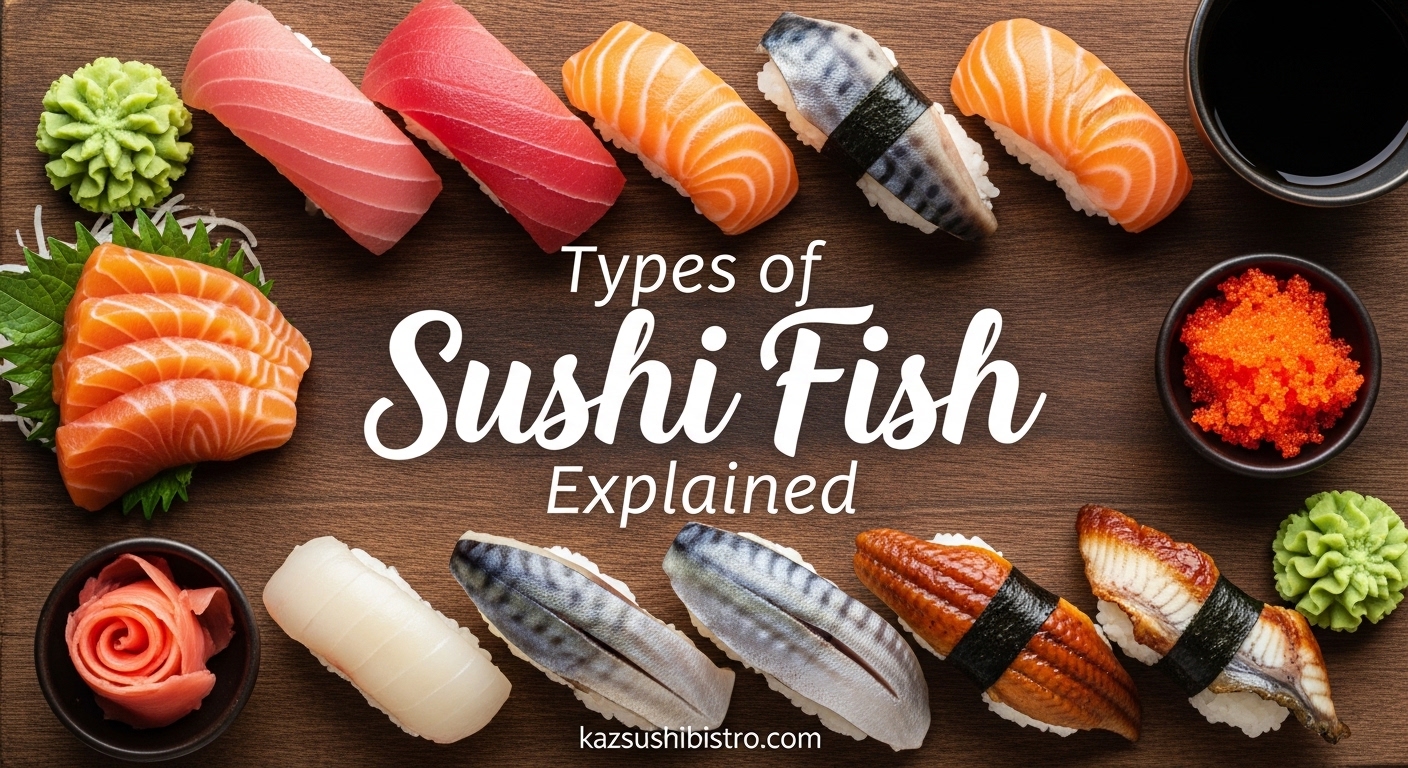
When I first sat down at a sushi bar in Tokyo, I could not read a single item on the menu. Every fish had three different names, and the chef seemed amused by my confusion. That experience taught me why so many people feel overwhelmed by sushi menus. Understanding the types of sushi fish explained clearly makes all the difference between guessing at random and genuinely enjoying your meal with confidence.
This guide covers everything you need to know about sushi fish types, from the basic terminology to the specific characteristics of each fish. Whether you are new to sushi or looking to expand your knowledge beyond the basics, we will walk through this together. By the end, you will understand the vocabulary, the fish, and the reasoning behind how sushi is prepared and served.
Table of Contents
Understanding Sushi: Fish vs Sashimi
Before diving into specific fish types, it helps to understand what makes sushi different from sashimi. This distinction matters because it affects how the fish is prepared, served, and appreciated. Many people use these terms interchangeably, but they represent distinctly different culinary experiences.
What Is Sushi?
Sushi is a Japanese dish that combines vinegared rice (known as shari) with various toppings (called neta). The rice is the defining element. Unlike many other cuisines where rice serves as a simple side, in sushi the rice is an integral component with its own preparation and flavor profile. Sushi can include raw fish, cooked fish, or other seafood and vegetables. Our team has found that understanding this rice-centric definition immediately clarifies why some dishes people assume are sushi actually are not.
The preparation of shari involves cooking short-grain rice and then seasoning it with a mixture of rice vinegar, sugar, and salt while still warm. This process creates the characteristic tangy flavor that distinguishes sushi rice from plain rice. The technique requires precision because the ratios and temperature affect the final texture and taste.
What Is Sashimi?
Sashimi is simply sliced raw fish or meat served without rice. It is not technically sushi because it lacks the shari component. At its core, sashimi is about showcasing the quality and flavor of the fish itself. Forum discussions consistently show that people often confuse the two, but once you know the difference, it becomes obvious when reading any Japanese menu.
Sashimi is typically served with a small amount of wasabi on the side (or directly on the fish), plus soy sauce for dipping. The presentation emphasizes the natural beauty of the fish, often arranged in an aesthetically pleasing manner. Cutting technique matters enormously because the angle and thickness of each slice affects both texture and flavor release.
Why the Difference Matters
Knowing whether you are ordering sushi or sashimi affects both your dining experience and your expectations. Sashimi lets you taste the pure fish flavor without anything else. This makes it ideal for appreciating high-quality fish or for those who want to experience the true taste of a particular species. Sushi combines rice, fish, and sometimes other elements to create layered flavors where the components interact with each other.
The texture also differs significantly. In sashimi, you experience the fish’s texture directly. In sushi, the softness or firmness of the fish interacts with the sticky texture of the rice. Both approaches have their own appeal, and experienced sushi lovers often order both to compare how the same fish tastes in different forms.
Essential Sushi Fish Terminology
Sushi terminology can feel like a foreign language, and the stakes feel high when ordering in a restaurant. Here are the key terms that will help you navigate any menu with confidence and understand what you are actually eating.
Neta: The Topping
Neta refers to whatever sits on top of the shari rice. This term encompasses fish, seafood, egg, or even vegetarian options like pickled vegetables. The neta is the star of the show, and its quality determines much of the sushi experience. Chefs spend years perfecting their neta selection and preparation because it represents their relationship with suppliers and their understanding of freshness.
The word neta is used casually in everyday sushi conversation. When someone says they are looking forward to their neta, they mean they are excited about the toppings, not the rice. This terminology helps you understand the hierarchy in sushi appreciation where the fish typically receives more attention than the rice.
Shari: The Rice
Shari is the seasoned rice that forms the base of most sushi. It is cooked with vinegar, sugar, and salt to create that distinctive tangy flavor. We have noticed that many beginners focus entirely on the fish and overlook the rice, but great sushi depends on both elements working together in harmony. The rice should complement the fish without overpowering it.
Professional sushi chefs treat their shari preparation as a serious art form. The rice must be the right consistency, temperature, and seasoning level. Too much vinegar and it overwhelms the fish. Too little and the rice seems bland. The best shari has a subtle tang that enhances rather than competes with the neta.
Toro, Akami, and Beyond
These terms describe different parts of the tuna and reflect fat content, which directly impacts flavor and texture. Akami is the lean red meat from the back of the tuna. It has a clean, meaty flavor and firm texture. This is what most people picture when they think of tuna sushi.
Chutoro (medium fatty) comes from the belly area and has a balance of flavor and fat that many sushi lovers prefer. It offers the firmness of akami with a richer mouthfeel. Otoro (highly fatty) is the prized belly section that melts in your mouth. It has an incredibly rich, buttery texture that is almost like eating premium wagyu beef. The fatty cuts command premium prices and are considered delicacies worth seeking out.
Understanding these terms helps you order strategically. If you want to experience pure tuna flavor, ask for akami. If you want indulgence, otoro is your choice. Chutoro offers a middle ground that satisfies both preferences.
Omakase and Kaitenzushi
Omakase means “I leave it up to you” and refers to letting the chef choose what to serve. This is often the best way to experience high-quality sushi because chefs select their freshest fish and present it at its peak. When you order omakase, you are trusting the chef’s expertise and typically paying for that trust. The experience becomes a conversation between chef and diner through the food.
Kaitenzushi, on the other hand, is conveyor belt sushi where plates circulate past diners. Each plate typically costs the same price, and you can take whatever catches your eye as it passes. This approach democratized sushi access in Japan and remains popular for casual dining. Both offer different experiences, and each has its place depending on what you are looking for on any given occasion.
Types of Sushi Fish
Now we come to the heart of the matter. Here are the most common types of sushi fish you will encounter, with their characteristics, flavor profiles, and what makes each one worth trying. This is the practical knowledge that transforms you from a confused diner into someone who orders with purpose.
Tuna (Maguro)
Tuna, called maguro in Japanese, is perhaps the most iconic sushi fish. It ranges from lean akami to fatty chutoro and otoro. The flavor is clean and meaty with a satisfying texture that holds up well whether served as sashimi or nigiri. Tuna is a great starting point for beginners because its taste is recognizable and not too challenging for unaccustomed palates.
Our team compared tuna from different regions and found that Pacific bluefin tends to have the richest, most complex flavor. Yellowfin tuna is slightly milder and often more affordable. Bigeye tuna falls somewhere in between. Atlantic bluefin from certain sustainable fisheries has gained popularity as consumers become more environmentally conscious.
The fat content in tuna varies dramatically by season and cut. Winter-caught tuna typically has more fat stored from feeding, making it ideal for fatty cuts. This seasonality affects pricing and availability, so knowing when tuna is at its peak helps you plan dining experiences.
Salmon (Sake)
Salmon, known as sake in Japan (not to be confused with the rice wine of the same name), has become one of the most popular sushi fish worldwide. It has a distinctive orange-pink color and a rich, fatty texture that appeals to almost everyone. The flavor is mild yet satisfying, with a hint of sweetness that makes it approachable.
Salmon is an excellent choice for beginners because it is approachable without being boring. Even people who claim not to like fish often enjoy salmon sushi. We have found that farmed salmon tends to be milder and fattier, while wild salmon has a more pronounced, slightly fishier flavor with less fat content.
The rise of salmon sushi in America actually represents a localization of sushi culture. Traditional Japanese sushi emphasized tuna rather than salmon, which was considered more of a Western preference. Now salmon is ubiquitous in sushi restaurants worldwide, and many high-end establishments in Japan have embraced it.
Yellowtail (Hamachi)
Yellowtail goes by several names depending on where you are and how it is prepared. Hamachi typically refers to young yellowtail farmed in Japan, while buri is the mature wild version. Kampachi is sometimes used for farmed yellowtail from Hawaii or other regions. The meat is pale pink with a delicate, buttery flavor that many find irresistible.
Forum users consistently mention yellowtail as a favorite, though some express concern about mercury levels in larger fish. We recommend asking your chef about the source and size if mercury is a concern. The naming confusion documented in forum discussions reflects how global fish trade creates overlap between regional naming conventions.
Yellowtail has a moderately firm texture that makes it pleasant to eat. It is versatile enough to work well in both sashimi and nigiri preparations. The flavor is clean but distinctive, making it easy to identify even for beginners.
Shrimp (Ebi)
Shrimp, or ebi, is one of the few sushi items that is almost always cooked before serving. The shrimp is typically boiled and then lightly grilled on top, giving it a sweet flavor and firm texture with a slight char that adds complexity. This cooking requirement makes ebi an accessible entry point for those uneasy about raw fish.
Ebi provides a good entry point for sushi beginners because the flavor is familiar and the texture is easy to handle. It offers a way to experience sushi preparation and presentation without the hesitation that raw fish can create for newbies. The sweetness of properly prepared ebi stands out on a plate of more subtle fish.
We noticed that the preparation technique varies significantly between restaurants, affecting the final taste considerably. Some restaurants grill the ebi more heavily, creating a smokier flavor. Others keep it lighter, emphasizing the natural sweetness. Asking for recommendations or trying ebi at multiple establishments reveals this variation.
Sea Urchin (Uni)
Sea urchin, called uni in Japanese, is an acquired taste but a memorable one for those who develop a fondness for it. It has a distinctive golden color and a rich, briny flavor with creamy texture that coats the mouth. Some describe it as tasting like the ocean itself concentrated into a single bite.
Uni is typically served in gunkan (battleship sushi) because it needs the nori wrapper to hold its soft, loose form. This presentation style protects the delicate uni from falling apart and creates a visually striking piece. The contrast between the green nori, white rice, and golden uni makes gunkan one of the most photogenic sushi options.
Forum discussions reveal that people either love uni immediately or find it too intense for their tastes. Starting with a small portion if you are curious makes sense. The flavor can be overwhelming if you are not prepared for its assertiveness. Those who acquire the taste often develop deep appreciation for its complexity.
Salmon Roe (Ikura)
Salmon roe, known as ikura, consists of individual orange eggs that pop in your mouth with a salty, savory burst. Each egg contains a small amount of liquid that releases flavor as you bite through the membrane. It is visually striking and adds visual appeal to any plate with its bright, jewel-like appearance.
The flavor is rich and complex, combining sweetness with oceanic saltiness in a way that satisfies both flavor profiles simultaneously. We have read countless descriptions of people enjoying the “explosion” texture that ikura provides, where each egg pops with satisfying resistance before releasing its contents.
Ikura works particularly well in gunkan maki or as a nigiri topping. It also appears in various creative rolls and as a garnish for other dishes. The visual impact makes it a popular choice for celebratory meals or special occasions.
Octopus (Tako)
Octopus, called tako, has a firm, slightly chewy texture that requires proper preparation to achieve the right consistency. When prepared correctly, it offers a subtle sweetness and clean flavor. The tentacles are typically sliced into rounds that showcase the distinctive suckers.
Quality matters enormously with octopus. The cooking process determines whether it is tender or rubbery. Professional kitchens often use long, slow cooking methods to break down the proteins properly. Some chefs add a brief grilling step afterward to create slight char and smoky notes.
For sushi purposes, tako is typically served sliced thin on nigiri or as part of maki rolls. The texture makes it a fun eating experience, and the flavor pairs well with the wasabi and soy sauce typically used as accompaniments.
Scallop (Hotate)
Scallop, known as hotate or kaibashira, offers a sweet, delicate flavor with a tender texture that almost melts in your mouth. The adductor muscle used for sushi is the part that powers the scallop’s opening and closing motion. Fresh hotate has a slightly sweet, clean taste that represents the ocean without being briny.
We have found that the freshness of scallops matters more than with many other sushi items. Scallops deteriorate quickly, and the difference between truly fresh hotate and day-old is immediately apparent. High-end sushi restaurants often feature hotate from specific regions known for their quality and quick handling.
Hotate can be served raw on nigiri or lightly seared to add additional flavor dimension. The seared version, called yakitori style or simply seared hotate, has become popular for the added caramelization and textural contrast.
Understanding Sushi Grade Fish
The term “sushi grade” comes up frequently in discussions about raw fish safety, and understanding it helps you make informed decisions about where to eat and what to order. This is practical knowledge that affects your health and dining confidence.
What Makes Fish Safe for Raw Consumption
Not all fish can be eaten raw. Fish labeled as sushi grade has been frozen at temperatures cold enough to kill parasites, typically below -20 degrees Celsius for several days. This process does not make fish “fresh” in the sense of never being frozen, but it does make it safe for raw consumption.
We cannot stress enough that this freezing requirement is non-negotiable for raw serving. Parasites that can infect humans are found in many species, and proper freezing eliminates this risk. The FDA requires this freezing for any fish intended for raw consumption in commercial settings.
Some fish are naturally parasite-free due to their habitat and feeding patterns, and these can be served fresh without freezing. Farmed fish raised on processed feeds in controlled environments sometimes qualify. However, the majority of wild-caught fish require freezing as a safety precaution.
Where Sushi Grade Fish Comes From
Reputable sushi restaurants source their fish from suppliers who follow strict protocols. The fish are cleaned and frozen immediately after catch, often within hours of being landed. This immediate processing preserves quality and ensures safety simultaneously.
Our team learned that this supply chain matters more than most people realize. We have heard stories of restaurants cutting corners on sourcing, which is why sourcing from trusted establishments matters. Building a relationship with a sushi restaurant you trust means their sourcing decisions become your assurance of quality and safety.
Japan’s famous Tsukiji and Toyosu fish markets set standards for how fish should be handled and auctioned. While not every restaurant gets fish directly from these markets, the protocols developed there influence global sushi fish handling. Understanding this gives you appreciation for why quality sushi costs what it does.
How to Identify Quality Fish
Quality fish has a clean smell, firm flesh, and vibrant color. It should not look dull or have any discoloration around the edges. The flesh should bounce back when pressed lightly rather than staying indented.
If you see fish that looks dried out, has an off smell (anything fishy or ammonia-like), or has any discoloration, that is a warning sign. Trust your senses and do not hesitate to ask questions about sourcing if something seems off. Good sushi restaurants welcome these questions and should be able to answer them.
The appearance of sushi-grade fish should have a glossy sheen. Dull, dry-looking fish has likely been sitting too long or improperly stored. These visual and olfactory checks give you tools to assess quality even without formal training.
Regional Naming Variations
One of the most confusing aspects of sushi is the naming conventions. The same fish can have completely different names depending on region, maturity, or preparation method. This creates understandable frustration for those trying to learn the basics.
Hamachi vs Kampachi vs Buri
This naming confusion comes up repeatedly in forum discussions. The core issue is that different countries and different industries use names that make sense within their own context but create chaos for international understanding.
Hamachi refers to young, farmed yellowtail, typically from Japan. The farming creates consistent supply and milder flavor. Kampachi is another farmed variety, sometimes from Hawaii, Taiwan, or other regions with aquaculture operations. Buri is the mature, wild yellowtail, representing the same species at full growth.
All three are the same species (Seriola quinqueradiata) but differ in age, habitat, and resulting flavor profile. If you see these terms on a menu, know that they refer to the same family of fish at different stages. The flavor differences between young farmed and mature wild specimens can be significant, which is why some people prefer certain labels.
Other Common Naming Confusions
Red snapper is often labeled as tai (sea bream) in Japan, but the exact species varies by region and what is locally available. Similarly, what Americans call yellowtail might be different from what Japanese restaurants mean by the same term.
The naming often reflects local tradition more than scientific classification. When in doubt, ask your server or chef to explain what you are getting. Most chefs appreciate the question and will provide details about the fish’s origin and characteristics.
Seasonality of Sushi Fish
Japanese cuisine emphasizes seasonality, and sushi is no exception. Understanding when fish is at its best can elevate your dining experience significantly. It also explains why some items appear on menus during certain months and disappear at others.
Peak Seasons for Popular Fish
Tuna is generally best in the winter months when the meat is fattier from seasonal feeding patterns. The colder water triggers metabolic changes that result in richer, more flavorful meat. This is when you will see more chutoro and otoro preparations at high-end establishments.
Salmon runs peak in different seasons depending on whether it is Pacific or Atlantic species, and whether it is farmed or wild. Each regional variety has its own optimal season. Your chef or fishmonger can tell you about the specific fish they are offering.
Yellowtail is traditionally considered a winter fish in Japan, though modern aquaculture has made it available year-round with less seasonal variation in quality. Summer brings excellent options like various white fish and sweet shrimp, offering lighter alternatives to the rich winter fish.
Why Seasonality Matters
Fish caught in season tends to be fresher, more flavorful, and often more affordable due to abundance. Out-of-season fish may be frozen longer or shipped from distant waters, affecting both quality and environmental footprint.
We have found that paying attention to seasonality helps you get the best experience for your money. Some dedicated sushi bars even close during certain seasons when they cannot source quality fish to their standards. This commitment to seasonality reflects respect for ingredients and customer satisfaction.
Understanding seasonality also helps you plan special dining experiences. If you want to try peak-season otoro, for example, winter months in Japan typically offer the best chances of finding exceptional examples. This knowledge transforms you from a passive diner into an informed consumer.
Health Considerations
Sushi can be part of a healthy diet, but there are factors to consider, especially if you eat it regularly. Understanding these helps you make choices that align with your health goals without sacrificing enjoyment.
Mercury Levels by Fish Type
Larger, older fish tend to accumulate more mercury in their tissues over their lifetimes. This occurs because mercury concentrates as it moves up the food chain. Tilefish, swordfish, and king mackerel are among the highest in mercury and should be avoided by pregnant women and young children entirely.
Tuna varies significantly in mercury content. Albacore (white tuna) generally has lower mercury levels than bigeye or yellowfin tuna. Skipjack tuna typically has the lowest mercury among commonly eaten tunas. The FDA provides guidelines that help consumers make informed choices.
Smaller fish like sardines and anchovies have very low mercury levels due to their short lifespans and position low in the food chain. These fish offer excellent nutrition with minimal contamination concerns. Forum users consistently bring up mercury concerns, particularly regarding yellowtail and larger tuna, indicating this is an important consideration for regular sushi eaters.
Nutritional Benefits
Sushi fish offers impressive nutritional benefits that make it worth including in a balanced diet. Salmon, tuna, and other oily fish are rich in omega-3 fatty acids, which support heart and brain health. These fats cannot be produced by the human body and must come from food sources.
Fish provides high-quality protein with relatively few calories compared to meat. A typical piece of nigiri has around 30-40 calories, most of which comes from protein. This makes sushi a satisfying option that does not leave you feeling heavy.
We have seen research showing that regular fish consumption is associated with reduced inflammation, better metabolic health, and improved cognitive function in aging populations. The nutritional profile depends significantly on which fish you choose and how it is prepared, with grilled or raw preparations offering the most benefit.
Making Healthy Choices
Opt for nigiri or sashimi over rolls with heavy sauces and tempura when prioritizing nutrition. Rolls often contain ingredients that add significant calories, sodium, and fat without proportional nutritional benefit. This does not mean rolls are unhealthy, but awareness helps you balance your overall intake.
Limit high-sodium condiments like soy sauce, which can contribute significantly to daily sodium intake. request low-sodium soy sauce or use it sparingly. The wasabi and ginger typically served with sushi are lower in sodium and can flavor food without heavy soy sauce use.
Choose variety to avoid overconsumption of any single fish. This approach also reduces exposure to any potential contaminants while maximizing the range of nutrients you consume. If mercury is a concern, mix lower-mercury options like salmon and shrimp with occasional tuna. Balance your intake with vegetables and other protein sources from the sushi menu.
FAQs
What are the 7 types of sushi?
The seven main types of sushi are: 1) Nigiri (hand-pressed rice with topping), 2) Maki (rice and filling rolled in nori), 3) Uramaki (inside-out rolls with rice on outside), 4) Temaki (hand-rolled cone), 5) Chirashi (scattered sushi bowl), 6) Inarizushi (tofu pocket sushi), and 7) Oshizushi (pressed sushi).
What are the different types of fish used in sushi?
The most common sushi fish include tuna (maguro), salmon (sake), yellowtail (hamachi), shrimp (ebi), sea urchin (uni), salmon roe (ikura), and octopus (tako). Each has distinct flavor profiles ranging from lean and mild to rich and fatty.
Can sushi lower cholesterol?
Certain sushi fish, particularly salmon and tuna, are rich in omega-3 fatty acids which can help reduce triglycerides and improve heart health. However, sushi preparation methods and condiments like soy sauce and mayonnaise can add sodium and calories.
Is sushi good for A1C?
Sushi can be a good option for those managing blood sugar as it typically contains protein, healthy fats, and minimal carbohydrates when choosing sashimi or nigiri without excessive rice. However, the quantity of rice and added sugars in some rolls can impact blood glucose levels.
Conclusion
Understanding the types of sushi fish explained in this guide gives you a foundation for exploring sushi with confidence. The key is starting simple and expanding gradually as your palate develops and your comfort with new flavors grows. Begin with approachable options like salmon or shrimp, then venture into more adventurous choices when you feel ready.
Remember that sushi is about balance. The best experiences come from quality fish, properly prepared rice, and the skilled hands of a chef who understands how these components interact. Whether you choose omakase at a high-end bar or a casual conveyor belt restaurant, knowing the basics helps you appreciate what you are eating and articulate what you enjoy.
Our team encourages you to ask questions when dining out. Chefs generally appreciate curiosity and are happy to explain their fish, their sources, and their preparations. That curiosity is how we all learn and deepen our appreciation for this remarkable cuisine that has captured global imagination.
Next time you visit KAZ Sushi Bistro, you will have the vocabulary and knowledge to explore our menu with confidence. We look forward to serving you and sharing our passion for authentic sushi. Every piece of fish on your plate represents countless decisions about sourcing, preparation, and presentation that we have made with your dining experience in mind.