
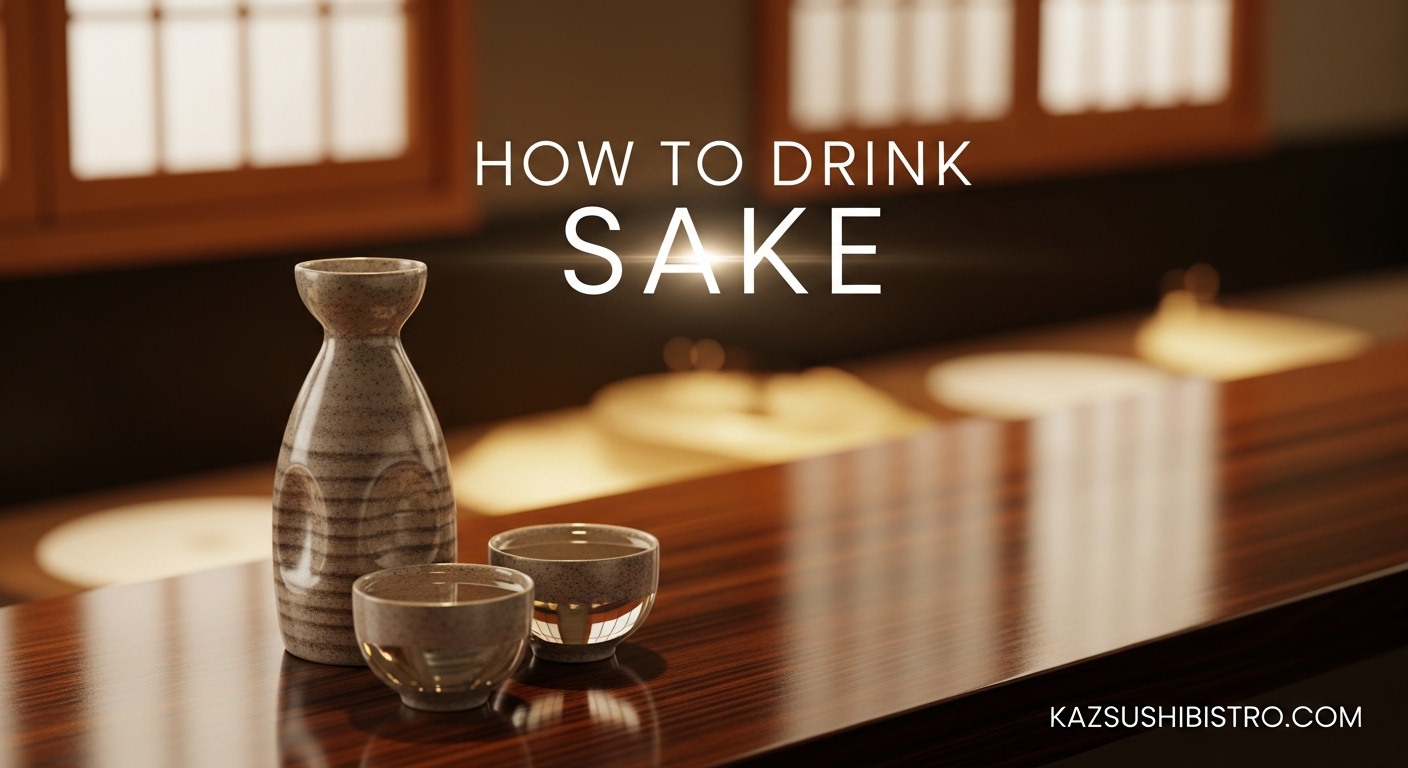
Learning how to drink sake properly opens up a world of flavor most people never experience. I remember my first time at a Japanese restaurant, staring at the small ceramic cup wondering if I was supposed to throw it back like a shot or sip it like wine. The good news? Drinking sake is simpler than you think, and this guide will walk you through everything from choosing the right temperature to understanding the graceful etiquette that makes sake drinking a cultural experience.
Table of Contents
What Is Sake?
Sake (properly called nihonshu in Japan) is a traditional Japanese rice wine brewed through fermentation. Unlike distilled spirits, sake is brewed similarly to beer, then filtered to create a clear beverage with an alcohol content typically between 14% and 16% ABV.
Many first-timers confuse sake with shochu or soju. Sake uses rice as its primary ingredient, while shochu is a distilled spirit that can use rice, barley, sweet potatoes, or other starches. The brewing process gives sake its characteristic smooth, slightly sweet profile that pairs beautifully with Japanese cuisine.
Traditional Sake Vessels 2026
The vessel you choose changes your drinking experience. Japanese tradition offers several options, each with its own purpose and charm.
Ochoko: The Classic Sake Cup
Ochoko are small ceramic cups that hold just a few sips of sake. Their petite size encourages slow, mindful drinking and keeps your sake at the desired temperature. Most ochoko are made from porcelain or stoneware, with subtle glazes that complement rather than compete with the sake’s flavor.
Tokkuri: The Sake Flask
A tokkuri is the narrow-necked flask used to pour sake into ochoko or masu. Traditional tokkuri come in ceramic, glass, or metal. When serving warm sake, ceramic tokkuri help maintain temperature, while glass versions let you appreciate the color and clarity of chilled varieties.
Masu: The Wooden Box
Masu are square wooden boxes traditionally used for measuring rice, now repurposed as sake vessels. Drinking from a masu adds a subtle cedar aroma to your sake and creates a festive atmosphere. The box is filled to the brim, sometimes even overflowing into a saucer beneath it, a style called sosogi koboshi that signals abundance and hospitality.
Modern Wine Glasses
Many sake enthusiasts now prefer wine glasses, especially for premium daiginjo or ginjo varieties. The wider bowl releases delicate aromas, much like swirling a fine white wine. If you are tasting multiple sakes, a kiki-choko (a small glass with blue and white rings) helps you assess clarity and color.
Sake Temperature Guide
One of the most common questions beginners ask is whether sake should be served hot or cold. The answer depends on the type of sake and your personal preference. Here is a practical temperature guide to get you started:
Cold Sake (5-10C / 41-50F)
Chilled sake highlights delicate, fruity, and floral notes. This temperature works best for premium grades like ginjo and daiginjo, which have subtle flavors that warm temperatures would mute. Serve cold sake in a wine glass or small ochoko straight from the refrigerator.
Room Temperature (20C / 68F)
Room temperature sake offers a balanced expression of both aroma and umami. Many junmai and honjozo varieties drink beautifully at this temperature. If you have refrigerated sake, let it sit out for 15-20 minutes before serving.
Warm Sake (40-50C / 104-122F)
Warming sake releases deeper umami flavors and masks any harsh edges. This is the sweet spot for everyday table sake and traditional styles. At this temperature, sake becomes comforting and savory, perfect for cold evenings or pairing with hearty izakaya food.
Hot Sake (50-55C / 122-131F)
Atsukan refers to piping hot sake served at 50C or higher. This is how most Americans first experienced sake decades ago. While less common now for premium varieties, hot sake remains popular with casual dining and certain robust sake types.
As a general rule: high-grade sake with fruity profiles (daiginjo, ginjo) taste best chilled, while hearty rice-forward styles (junmai, honjozo) shine when warmed. When in doubt, ask your server or start at room temperature.
How to Warm Sake
Warming sake properly requires patience and care. The microwave destroys delicate flavors and creates hot spots. Instead, use the traditional kansuke method with a water bath.
Step 1: Fill a saucepan with water and heat it to about 80C (176F). Do not let it reach a rolling boil.
Step 2: Pour your sake into a heat-safe tokkuri or small carafe. Fill it about 80% full to allow for expansion.
Step 3: Submerge the tokkuri in the hot water bath. The water level should reach about halfway up the flask.
Step 4: Wait 2-3 minutes for the sake to reach your desired temperature. Use a thermometer if you want precision: 40C for nurukan (warm), 50C for jo-on (hot), or 55C for atsukan (piping hot).
Step 5: Remove the tokkuri carefully with a towel or tongs. The ceramic will be hot.
Step 6: Pour immediately into warmed ochoko or masu. Serve right away, as sake cools quickly.
Step 7: If the sake is too hot, let it rest for 30 seconds, or add a splash of room-temperature sake to cool it slightly.
How to Pour Sake
Sake etiquette centers on one principle: pour for others, not yourself. This practice, called tejaku, creates a social bond and ensures everyone stays topped up.
When pouring, hold the tokkuri with both hands for formality, or one hand supporting the bottom for casual settings. Lift your sake partner’s cup slightly with one hand while pouring with the other. Fill the cup until it nearly overflows, a gesture of generosity.
Never let someone pour their own sake. Watch your drinking companions and refill their cups before they empty. When someone pours for you, lift your cup slightly and say “thank you” or offer to pour for them next.
How to Drink Sake
Now comes the moment you have been waiting for: actually drinking the sake. Here is how to drink sake properly, whether you are at a Japanese restaurant or hosting friends at home.
Say Kanpai Before Drinking
Wait until everyone has been served before touching your cup. Raise it slightly and say “kanpai” (pronounced kahn-pie), which means “empty cup” or “cheers.” This unifying moment is essential to Japanese drinking culture.
Sip, Do Not Shoot
Despite what movies show, sake is meant to be sipped slowly, not thrown back like a shot. The small cups encourage savoring rather than rushing. Take small sips and let the liquid coat your palate. Notice the texture, aroma, and finish.
Hold the Cup Properly
For ochoko, hold the cup between your thumb and fingers with one hand. When someone is pouring for you, use your free hand to support the bottom of the cup as a sign of respect. For masu, hold the wooden box with both hands and sip from one corner.
Try Yawaragi-Mize
A lesser-known custom is yawaragi-mize, drinking water between sips of sake. The water refreshes your palate, helps pace your drinking, and reduces the chance of a hangover. Many Japanese restaurants automatically serve water alongside sake for this reason.
Food Pairing Basics
Sake complements Japanese cuisine beautifully, but its versatility extends far beyond sushi. The umami in sake harmonizes with savory foods in ways wine cannot match.
Start with classic pairings: chilled ginjo with fresh sashimi, warm junmai with yakitori grilled chicken, and room-temperature sake with tempura. At izakaya restaurants, try sake with karaage fried chicken, edamame, or yakitori skewers.
Many sake lovers pair their drink with cheese, a combination that surprises first-timers. The lactic notes in sake complement creamy cheeses like brie or camembert. Experiment with aged cheeses and robust junmai varieties.
Storage and Common Mistakes
Once you open a bottle of sake, store it in the refrigerator and drink within 3-5 days for best flavor. Premium unpasteurized namazake spoils faster and should be consumed within 24-48 hours. Keep sake away from light and heat, as these degrade quality quickly.
Mistakes to Avoid
Shooting sake: Treating sake like vodka shots misses the point entirely. The complex flavors reward slow appreciation.
Overheating premium sake: Heating delicate daiginjo destroys its subtle aromatics. Reserve warming for heartier styles.
Pouring for yourself: It feels natural to top up your own cup, but wait for someone else to offer. Pour for them first.
Ignoring seasonal traditions: In Japan, spring brings hanami sake enjoyed under cherry blossoms, while winter calls for warming atsukan. Match your drinking to the season for full cultural immersion.
Frequently Asked Questions
What is the proper way to drink sake?
The proper way to drink sake involves pouring for others before yourself, waiting for everyone to be served, saying kanpai (cheers) together, and sipping slowly from small cups. Hold your cup with one hand while supporting the bottom with the other when someone pours for you. Sake is meant to be savored, not shot.
Are you meant to shot or sip sake?
You should sip sake, never shoot it. Despite popular misconceptions, sake is designed for slow, mindful drinking from small cups called ochoko. The small portion size encourages savoring the complex flavors and aromas. Shooting sake misses the subtle notes that make this beverage special.
Is sake the healthiest alcohol?
Sake contains no sulfites or tannins that cause wine headaches, and it is naturally gluten-free. The amino acids in sake may offer some health benefits, but it still contains alcohol (14-16% ABV) and should be consumed in moderation. The yawaragi-mize custom of drinking water between sips helps reduce hangovers.
What should I mix with sake?
Premium sake is best enjoyed straight to appreciate its nuanced flavors. However, some people enjoy sake cocktails like the sake martini or sake sangria. For beginners wanting to dilute strong flavors, try yawaragi-mize (water chaser) rather than mixing. Many Japanese restaurants serve water alongside sake to cleanse the palate.
How should I store opened sake?
Store opened sake in the refrigerator and consume within 3-5 days for optimal flavor. Keep the bottle tightly sealed and away from light. Unpasteurized namazake spoils faster and should be drunk within 24-48 hours of opening. Cold temperatures slow oxidation and preserve delicate aromatics.
What temperature should sake be served?
Serve premium daiginjo and ginjo chilled at 5-10C (41-50F) to preserve delicate aromatics. Heartier junmai and honjozo taste excellent warmed to 40-50C (104-122F). Room temperature around 20C (68F) works for most styles. The temperature depends on the sake type and your personal preference.
Conclusion
Learning how to drink sake transforms a simple beverage into a cultural experience. Whether you prefer it chilled in a wine glass or warm in a traditional ochoko, the key is to sip slowly, pour for others, and appreciate the craftsmanship in every drop.
Start with a chilled daiginjo for your first taste, then explore warmed junmai as the weather cools. Visit your local Japanese restaurant and practice saying kanpai with friends. The world of sake rewards curiosity, and there is always another variety waiting to surprise you. Kanpai!