
Have you ever heard the distinctive phrase “shabu shabu” and wondered what it actually means? The name itself is delightfully playful, mimicking the sound of thinly sliced meat swishing through bubbling broth. If you are curious about this popular Japanese dining experience, you have come to the right place.
Shabu shabu is more than just a meal. It is an interactive, communal dining tradition that brings people together around a steaming pot of dashi broth. In this complete guide, we will explore everything you need to know about this beloved Japanese hot pot dish.
You will learn what shabu shabu is, why it is called that quirky name, where it originated, and how to properly enjoy it. Whether you are planning your first visit to a shabu shabu restaurant or want to host a hot pot dinner at home, this guide has you covered.
Table of Contents
What Is Shabu Shabu 2026
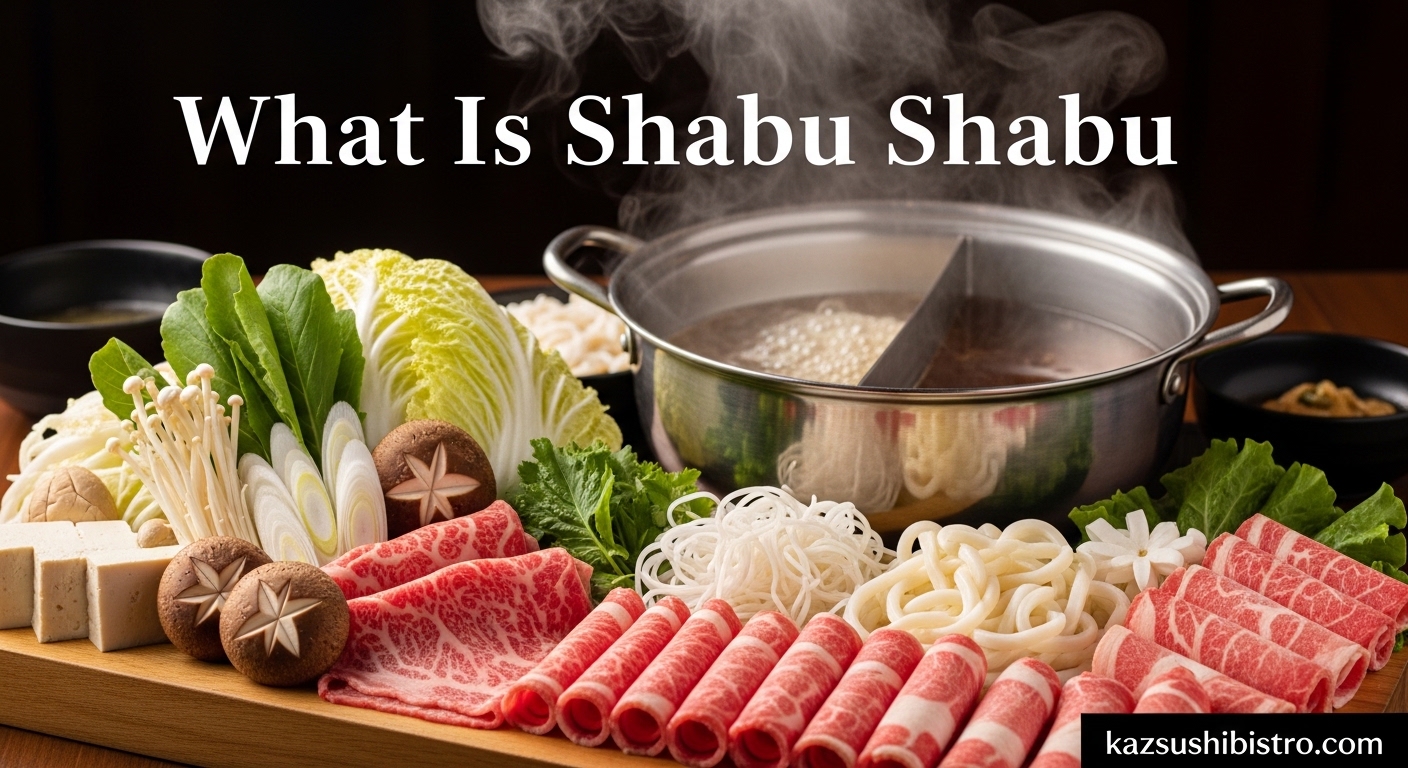
Shabu shabu is a Japanese nabemono hot pot dish featuring paper-thin slices of meat and fresh vegetables cooked tableside in a simmering dashi broth. Diners swish the ingredients briefly in the boiling liquid before dipping them in savory sauces and eating immediately.
The dish represents the essence of communal dining in Japanese culture. Everyone gathers around a single pot placed on a portable gas stove, cooking together and sharing the experience in real-time.
Unlike pre-cooked meals served on individual plates, shabu shabu puts you in control of your cooking. You decide exactly when each slice of beef is perfectly done and which vegetables you want to add to your bowl next.
The Onomatopoeic Name
The name “shabu shabu” comes directly from the Japanese onomatopoeic word describing the “swish-swish” sound of meat being stirred through hot broth. This distinctive noise happens when you move your chopsticks back and forth, briefly cooking each delicate slice.
Japanese language is rich in mimetic words that capture sounds, textures, and movements. Shabu shabu perfectly encapsulates the physical action that defines this dining experience.
When you hear someone say “shabu shabu,” they are literally naming the sound the food makes while cooking. It is one of the few dishes in the world named after its own cooking soundtrack.
History and Origin of Shabu Shabu
Shabu shabu was invented in the 1950s in Osaka, Japan, specifically at a restaurant called Suehiro. The owner was inspired by Chinese instant-boiled mutton but adapted the concept to suit Japanese tastes and ingredients.
The original Chinese version used lamb and stronger spices, which were less common in mid-century Japanese cuisine. Suehiro restaurant replaced the lamb with thinly sliced beef and created a lighter, more delicate dashi-based broth using kombu kelp.
The dish quickly gained popularity throughout Japan during the post-war economic boom. By the 1960s, shabu shabu restaurants had spread to Tokyo and became a standard offering in Japanese dining culture.
Evolution Over Decades
From its humble beginnings at a single Osaka restaurant, shabu shabu has evolved into a global phenomenon. Today you can find authentic shabu shabu restaurants in major cities across Asia, North America, and Europe.
The dish has also diversified beyond its beef origins. Modern variations include pork shabu shabu, seafood versions featuring fresh fish and shellfish, and even vegetarian options for plant-based diners.
Despite these innovations, the core experience remains unchanged. The interactive cooking, the paper-thin slices of protein, and the communal atmosphere continue to define authentic shabu shabu 2026.
Key Ingredients in Shabu Shabu
The magic of shabu shabu lies in its simple, high-quality ingredients. Every component plays a specific role in creating the harmonious balance of flavors and textures that defines this dish.
The Meat: Paper-Thin Perfection
Beef is the traditional star of shabu shabu, specifically Wagyu or well-marbled ribeye and sirloin cut into paper-thin slices. The extreme thinness allows the meat to cook in mere seconds when swished through the hot broth.
When selecting beef for shabu shabu, look for cuts with visible marbling. The intramuscular fat melts instantly in the hot broth, creating that signature rich flavor and tender texture.
Pork belly is another popular option, particularly in certain regional variations. The fat renders beautifully in the simmering liquid, adding depth to the broth while remaining tender and flavorful.
Vegetables and Aromatics
Napa cabbage provides the bulk of vegetable content, breaking down slowly to sweeten the broth over the course of the meal. Chrysanthemum greens, known as shungiku in Japanese, add a distinctive herbal note that cuts through the richness of the meat.
Tokyo negi, a type of long green onion, contributes sharp aromatic flavor when briefly cooked. Shiitake and enoki mushrooms absorb the savory dashi while adding earthy umami depth to each bite.
Medium-firm tofu, called momen dofu in Japanese, holds its shape in the hot liquid while soaking up broth like a sponge. It serves as an excellent vehicle for the dipping sauces and provides protein for those eating less meat.
The Dashi Broth Foundation
Authentic shabu shabu broth starts with dashi, the fundamental stock of Japanese cuisine. The simplest version uses just kombu, dried kelp, soaked in water to create a clear, subtly oceanic base.
Some variations add katsuobushi (dried bonito flakes) for additional depth, though traditionalists often stick to pure kombu dashi to let the meat flavors shine. The key is maintaining a gentle simmer rather than a rolling boil to prevent the delicate broth from becoming cloudy.
How to Cook and Eat Shabu Shabu
The cooking process is where shabu shabu transforms from ingredients into an unforgettable dining experience. Understanding the proper technique ensures every bite is perfectly prepared.
Equipment Setup
Traditional shabu shabu requires a donabe, a Japanese clay pot that distributes heat evenly and retains warmth beautifully. A portable gas stove placed in the center of the table keeps the broth at a constant simmer throughout the meal.
Modern alternatives include stainless steel hot pots and electric versions, though purists insist that donabe imparts a subtle earthy quality that enhances the overall flavor. Whatever vessel you choose, ensure it is wide enough for multiple diners to access simultaneously.
The Swishing Technique
Pick up a slice of meat with your chopsticks and gently swish it back and forth in the bubbling broth. Five to ten seconds is usually sufficient for paper-thin beef slices to reach that perfect pinkish medium-rare state.
Overcooking toughens the meat and defeats the purpose of using premium thinly sliced beef. The goal is just enough heat to render the fat and warm the protein without turning it gray and chewy.
Transfer the cooked meat directly to your dipping sauce, then to your mouth while still hot. This immediate transfer is crucial, as shabu shabu is designed to be eaten at peak temperature and freshness.
Proper Ingredient Order
Start with vegetables that take longer to cook, such as napa cabbage stems and tougher mushrooms. These also help build the broth flavor as they release their natural sugars and umami compounds.
Add leafy greens like chrysanthemum leaves and tender vegetables next, cooking them briefly to preserve texture and color. Save the tofu for after the initial meat course, as it readily absorbs the now-richer broth.
The final course, called shime, traditionally involves adding noodles or rice to the remaining concentrated broth. Udon noodles are the classic choice, though harusame (glass noodles) and even porridge-style rice work beautifully.
Dipping Sauces: The Heart of the Experience
No shabu shabu meal is complete without its signature dipping sauces. These condiments transform simple boiled ingredients into complex, crave-worthy bites.
Ponzu: Bright and Citrusy
Ponzu is a soy sauce-based condiment infused with citrus juice, typically yuzu but sometimes sudachi or lemon. The bright acidity cuts through the richness of fatty beef and refreshes your palate between bites.
This sauce pairs especially well with vegetables and lighter proteins like seafood. Many diners add grated daikon radish or chopped scallions to customize their ponzu bowl.
Goma-dare: Rich and Nutty
Goma-dare, or sesame dipping sauce, provides the counterpoint to ponzu with its creamy, nutty richness. Made from ground toasted sesame seeds, dashi, and seasonings, it clings beautifully to meat and tofu alike.
The combination of fat from the sesame and umami from the dashi creates a luxurious coating that amplifies the flavor of whatever you dip. Some versions include a touch of sugar or mirin for subtle sweetness.
Most restaurants provide both sauces, allowing you to alternate between them throughout the meal. Many experienced shabu shabu enthusiasts mix the two for a custom blend that captures both brightness and depth.
Shabu Shabu vs Other Hot Pot Dishes
With so many Asian hot pot traditions available today, it is worth understanding what makes shabu shabu distinct. While all these dishes involve communal cooking in bubbling broth, the differences are significant.
Shabu Shabu vs Sukiyaki
Sukiyaki is often mentioned alongside shabu shabu because both are Japanese beef hot pot dishes. However, they differ dramatically in preparation and flavor profile.
Sukiyaki uses a sweet-savory broth made with soy sauce, sugar, and mirin. The ingredients are simmered together in this rich liquid, creating a cohesive stew-like dish. Raw eggs are beaten into individual bowls for dipping cooked ingredients, adding richness.
Shabu shabu, by contrast, uses a nearly flavorless kombu dashi that lets the natural taste of ingredients shine. The quick swish-cooking method preserves texture and purity of flavor that sukiyaki’s longer cooking softens and melds.
Shabu Shabu vs Chinese Hot Pot
Chinese hot pot encompasses many regional styles, but all generally feature more aggressively seasoned broths than Japanese shabu shabu. Sichuan mala hot pot, for example, is defined by mouth-numbing peppercorns and intense spice.
The ingredient selection also differs significantly. Chinese hot pots emphasize meatballs, various offal cuts, and wheat-based noodles. Shabu shabu focuses on pristine slices of premium meat and fresh seasonal vegetables.
Perhaps the biggest distinction is timing. Shabu shabu is typically a leisurely meal where small amounts are cooked and eaten continuously. Many Chinese hot pot traditions involve cooking larger batches and fishing ingredients out together.
Shabu Shabu vs Korean Jeongol
Korean jeongol is another communal hot pot, but it arrives at the table partially or fully cooked. The broth is typically richer and more heavily seasoned with gochujang, garlic, and doenjang.
While shabu shabu emphasizes the act of cooking raw ingredients together, jeongol focuses more on the finished dish as a shared soup. Both are communal, but the interactive cooking element is more pronounced in shabu shabu.
Regional Variations Across Japan
Like many beloved Japanese dishes, shabu shabu has developed regional twists that reflect local ingredients and preferences. Traveling through Japan reveals fascinating variations on the classic formula.
Pork-Based Variations
While beef remains the standard in most of Japan, pork shabu shabu dominates in certain regions, particularly Okinawa and parts of Kyushu. The fatty pork belly used in these versions creates a richer, more unctuous broth than beef versions.
Some pork specialists offer multiple cuts within a single meal, allowing diners to compare different textures and fat distributions. Shoulder, belly, and even collagen-rich trotters each contribute unique qualities to the hot pot experience.
Seafood Shabu Shabu
Coastal regions, especially those with strong fishing traditions, offer seafood-focused shabu shabu featuring fresh fish slices. Tai (sea bream) and fugu (pufferfish) are particularly prized for their clean flavor and delicate texture when briefly cooked.
These versions often use a lighter dashi that complements rather than competes with the subtle sweetness of fresh fish. The dipping sauces may also be adjusted, with lighter citrus-forward ponzu taking precedence over heavy sesame.
Rei-Shabu: Cold Shabu Shabu
During hot summer months, some restaurants offer rei-shabu, a cold version where par-cooked meat is chilled and served over ice or cold noodles. This refreshing adaptation proves that the shabu shabu concept transcends seasons.
The meat is typically cooked slightly more than in hot versions since it will not continue cooking at the table. It is then immediately shocked in ice water to stop the cooking process and create a firm, pleasant texture.
Health Benefits of Shabu Shabu
Beyond its delicious taste and social appeal, shabu shabu offers genuine nutritional advantages. The cooking method and ingredient selection make it one of the healthier dining options available.
Low-Fat Cooking Method
Boiling is inherently one of the healthiest cooking techniques because it requires no added fat. Any excess fat from the meat renders into the broth rather than being consumed, unlike pan-frying or grilling.
The gentle heat also preserves more nutrients in vegetables compared to aggressive cooking methods. Water-soluble vitamins that might be destroyed by high-heat roasting remain intact in the quick blanching process.
Balanced Nutrition
A typical shabu shabu meal provides an excellent balance of macronutrients. Lean protein from the meat, fiber and vitamins from vegetables, and healthy fats from sesame sauce create a complete nutritional profile.
The interactive nature of the meal also naturally encourages slower eating. Pausing between bites to cook the next ingredient gives your body time to register fullness, often leading to more moderate consumption than faster dining styles.
Traditional Etiquette and Dining Tips
Understanding basic shabu shabu etiquette enhances the experience for everyone at the table. These guidelines ensure the meal flows smoothly and respectfully.
Communal Courtesy
Since everyone shares the same cooking vessel, timing and consideration matter. Do not overload the pot with too many ingredients at once, as this lowers the temperature and affects cooking for others.
Use the communal utensils or designated chopsticks for handling raw meat, then switch to your personal chopsticks for eating. This prevents cross-contamination and shows respect for your fellow diners.
Sauce Protocol
Each diner receives individual sauce bowls to prevent double-dipping concerns. Do not return cooked meat to the communal sauce containers after it has touched your personal bowl.
Refill your sauce bowls modestly throughout the meal rather than taking excessive amounts at once. This keeps sauces fresh and allows you to adjust ratios as the meal progresses.
Tips for First-Timers
If you are new to shabu shabu, watch experienced diners before diving in. The rhythm of swish-cook-dip-eat becomes natural quickly, but a moment of observation prevents awkward fumbling.
Do not be afraid to ask your server about recommended cooking times for specific cuts. Different thicknesses and fat distributions require slightly different approaches for optimal results.
Shabu Shabu at Home vs Restaurant
While restaurant shabu shabu offers convenience and premium ingredients, home preparation brings its own rewards. Understanding both options helps you choose the right experience for your situation.
The Restaurant Experience
Professional shabu shabu restaurants provide access to meat quality that is difficult to source for home cooks. Professional slicers create the paper-thin consistency that defines the dish, and relationships with suppliers ensure exceptional marbling.
The social atmosphere of a dedicated restaurant also enhances the experience. The specialized equipment, traditional donabe, and focused service create an immersive cultural experience that is hard to replicate at home.
Home Preparation
Hosting shabu shabu at home allows customization and cost savings. You control exactly which ingredients appear and can accommodate dietary restrictions more easily than at restaurants.
Basic equipment needs include a portable burner, a wide pot (donabe preferred but not required), and quality ingredients. Many Asian supermarkets sell pre-sliced meat specifically labeled for shabu shabu, though home slicing with a sharp knife works for thicker cuts.
The trade-off is preparation time. Sourcing ingredients, slicing vegetables, and setting up equipment requires effort. However, the reward is a memorable meal shared in the comfort of your own space.
FAQs
What is shabu-shabu meaning?
Shabu-shabu is an onomatopoeic Japanese word that mimics the ‘swish-swish’ sound made when thinly sliced meat is stirred through hot broth with chopsticks. The name directly describes the cooking motion and sound that defines this interactive hot pot dining experience.
What is the difference between hotpot and shabu-shabu?
While both involve cooking in a shared pot of broth, shabu-shabu uses a lighter dashi-based broth and paper-thin slices of meat that cook in seconds. Chinese hot pot typically features heartier, more seasoned broths and varied ingredients like meatballs and offal. Shabu-shabu also emphasizes individual dipping sauces (ponzu and sesame) rather than communal flavored broths.
What kind of meat is used in shabu-shabu?
Traditionally, shabu-shabu uses premium beef cut into paper-thin slices. Wagyu, ribeye, and sirloin are the most common choices due to their marbling and tenderness. Pork belly is also popular in regional variations, particularly in Okinawa and parts of Kyushu.
Do you drink the broth in shabu-shabu?
Yes, the broth is meant to be enjoyed, typically at the end of the meal. After cooking meat and vegetables, the dashi becomes rich with extracted flavors. Diners traditionally finish by adding noodles (udon or harusame) or rice to this concentrated broth in a course called ‘shime.’
Is shabu shabu healthy?
Shabu shabu is considered one of the healthier Japanese dining options. The boiling cooking method requires no added fat, and the meal naturally balances lean protein with nutrient-rich vegetables. The gentle cooking also preserves more vitamins compared to high-heat methods like frying.
Is shabu shabu Japanese or Korean?
Shabu shabu originated in Japan, specifically in Osaka during the 1950s. While Korea has its own hot pot traditions like jeongol, and Korean-style shabu shabu restaurants exist worldwide, the authentic version with dashi broth and ponzu sauce is distinctly Japanese.
What does shabu shabu taste like?
Shabu shabu has a clean, delicate flavor profile that highlights the natural taste of premium ingredients. The meat tastes subtly sweet and beefy, enhanced by rich sesame sauce or bright ponzu. The dashi broth provides a gentle umami background without overwhelming the main ingredients.
How long do you cook shabu shabu meat?
Paper-thin slices of meat cook in just 5 to 10 seconds of swishing in the hot broth. The brief cooking time preserves tenderness while rendering just enough fat for flavor. Overcooking toughens the meat and should be avoided.
Conclusion
Now you have a complete answer to the question “What Is Shabu Shabu.” This beloved Japanese hot pot tradition offers far more than just a meal. It provides an interactive dining experience that brings people together around a bubbling pot of dashi broth.
From its playful onomatopoeic name to its precise cooking technique, every aspect of shabu shabu reflects Japanese attention to detail and reverence for quality ingredients. The combination of paper-thin Wagyu beef, fresh vegetables, and savory dipping sauces creates a flavor harmony that has captivated diners for over 70 years.
Whether you choose to visit a specialized restaurant or host your own hot pot gathering at home, shabu shabu promises a memorable culinary adventure. Grab your chopsticks, gather your friends and family, and discover why this simple swish-swish continues to charm food lovers around the world 2026.