
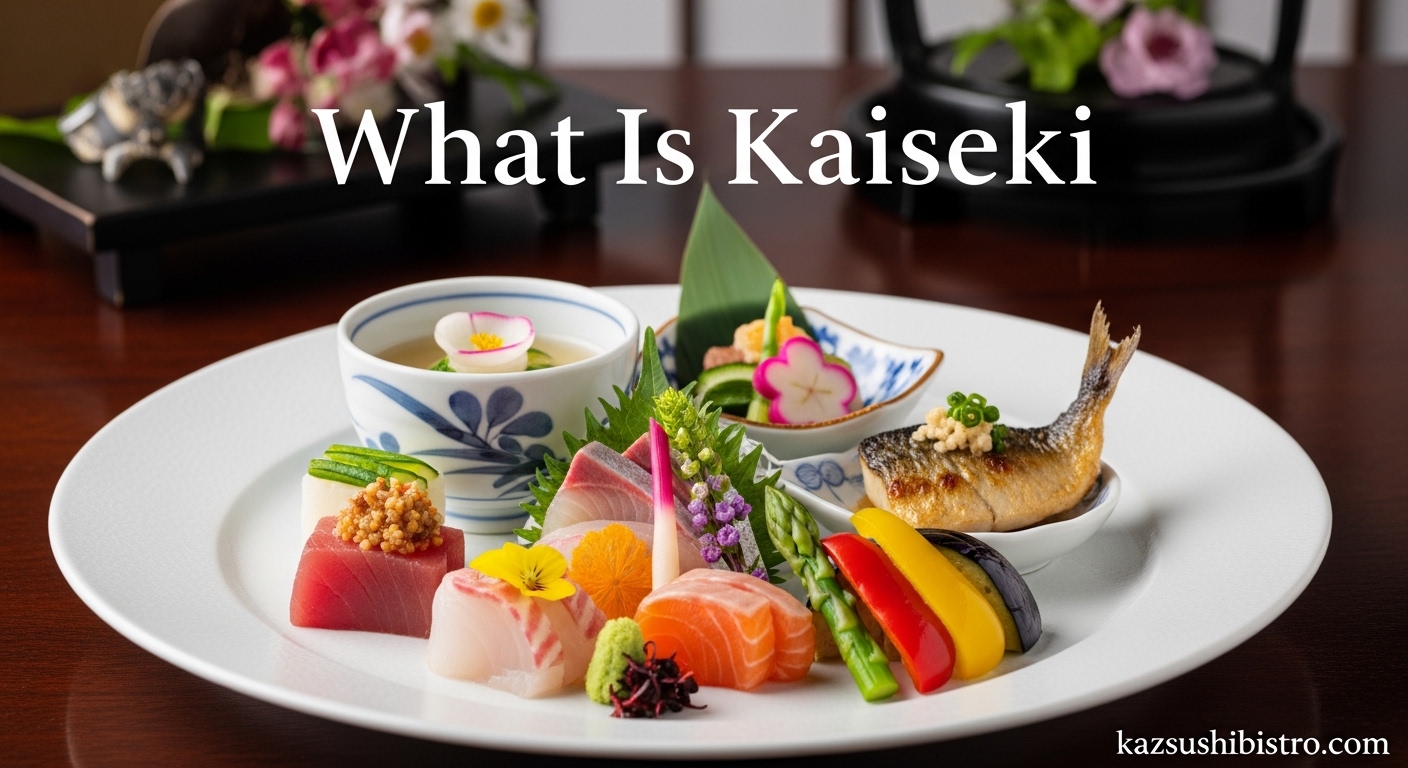
Kaiseki (懐石 or 懐石料理) represents the pinnacle of Japanese culinary artistry. What is kaiseki exactly? It is a traditional multi-course dining experience that transforms seasonal ingredients into edible art, served with precision and heartfelt hospitality. Many consider it among the world’s finest meal experiences.
I first encountered kaiseki during a trip to Kyoto fifteen years ago. The meal lasted three hours, yet every course felt like a complete expression of that exact moment in time. Each dish arrived as a reflection of the season, the region, and the chef’s decades of training. That experience fundamentally changed how I think about dining.
In this guide, I will explain what kaiseki truly means, its fascinating history rooted in tea ceremony tradition, the precise course structure, and how to appreciate this cuisine as a first-time diner. Whether you are planning a trip to Japan or seeking an extraordinary meal at a local restaurant, this guide will prepare you for one of the most memorable dining experiences available.
Table of Contents
What Is Kaiseki? The Definition and Meaning 2026
What is kaiseki at its core? The term refers to a traditional Japanese multi-course haute cuisine that emphasizes seasonal ingredients, artistic presentation, and a meticulously structured dining experience. A typical kaiseki meal consists of seven to fourteen small courses served in a specific progression that balances flavors, textures, and visual appeal.
The cuisine originated in 16th-century Japan alongside the tea ceremony tradition. What began as simple vegetarian meals served to monks has evolved into one of the world’s most refined dining experiences. Today, kaiseki is recognized by the MICHELIN Guide as a pinnacle of Japanese culinary achievement and was inscribed as part of UNESCO’s Intangible Cultural Heritage of Washoku in 2013.
Two Kanji, Two Meanings
The word “kaiseki” can be written with two different sets of Japanese characters, each telling a different story about the cuisine’s origins.
The first writing, 懐石 (kai-seki), literally translates to “bosom-pocket stone.” This refers to the Zen Buddhist monks who practiced the tea ceremony in the 16th century. These monks would warm stones against their stomachs (held in the bosom of their robes) to ward off hunger during long meditation sessions. The simple meals served before tea ceremonies became known by this name.
The second writing, 会席 (also pronounced kai-seki), means “formal occasion meal” or “gathering seat.” This version describes the celebratory banquet style that developed as the cuisine evolved beyond tea ceremonies. Over time, these two traditions have partially merged, though purists still distinguish between cha-kaiseki (tea ceremony style) and restaurant kaiseki.
From Tea Ceremony to Haute Cuisine
The story of kaiseki begins with Sen-no-Rikyu, the 16th-century tea master who formalized the Japanese tea ceremony. Rikyu believed that guests should enter the tearoom with empty stomachs to fully appreciate the bitter matcha tea. He introduced simple, seasonal meals before the ceremony to satisfy hunger without overwhelming the palate.
These early meals were vegetarian, following Buddhist principles of shojin ryori. They featured simple preparations of seasonal vegetables, tofu, and rice. The focus was on purity, seasonality, and restraint rather than elaborate presentation.
Over centuries, these humble meals transformed. By the Edo period (1603-1868), kaiseki had evolved into elaborate multi-course dinners served at restaurants and ryokan (traditional inns). The cuisine absorbed influences from imperial court cuisine, samurai dining traditions, and regional cooking styles. Today’s kaiseki represents this fascinating fusion of Zen simplicity and artistic elaboration.
The Seven Courses of Kaiseki: A Complete Breakdown
What is a typical kaiseki meal composed of? A traditional kaiseki dinner follows a precise structure of seven core courses, though some meals may extend to ten or fourteen courses depending on the occasion and the chef’s vision. Each course serves a specific purpose in the progression, building from light to rich flavors and back to cleansing simplicity.
The sequence matters deeply. Courses are arranged to create harmony between cooking methods, ingredients, and seasons. You might encounter grilled fish followed by simmered vegetables, then a palate-cleansing soup before the rice course. This flow ensures no single flavor dominates and each course can be fully appreciated.
1. Sakizuke – The Appetizer
Sakizuke opens the meal with a small, elegant taste that introduces the chef’s style and the season’s ingredients. Think of it as an edible greeting.
This course often features a delicate pairing: perhaps a small portion of seasonal sashimi with a light sauce, or a beautifully arranged bite of vegetables with tofu. The portions are intentionally modest, designed to awaken the appetite rather than satisfy it.
In spring, you might encounter cherry blossom-themed ingredients or fresh mountain vegetables (sansai). Summer sakizuke could feature sea bream or chilled vegetables. The presentation always reflects the season’s essence.
2. Hassun – The Seasonal Theme
Hassun is the signature course that defines the entire meal’s character. Named after the square wooden tray (roughly eight sun, or about 24 centimeters) it traditionally arrives on, this course presents multiple small bites that showcase the interplay between mountain and sea ingredients.
This course often contains five to seven different items arranged artfully on a single plate. You might find a piece of grilled fish, some seasonal vegetables, a small portion of egg custard, pickled items, and perhaps a delicacy like sea urchin or abalone. Each element represents a different preparation technique and flavor profile.
The hassun establishes the meal’s seasonal theme. A skilled chef will select ingredients that tell a story about that specific moment in nature. This course demonstrates the kaiseki principle of visual storytelling through food.
3. Mukozuke – Sashimi Course
Mukozuke presents raw fish at its finest. This sashimi course showcases the chef’s ability to select peak-freshness seafood and present it with minimal intervention.
The fish is sliced to precise thickness based on its texture and fat content. Lean fish like sea bream might be cut thin, while fatty tuna could be presented in thicker pieces. The arrangement on the plate considers color contrast, negative space, and the natural grain of the fish itself.
Accompaniments are minimal and functional. Freshly grated wasabi, pickled ginger, and perhaps a dab of soy sauce-based dip complete the presentation. The goal is to let the seafood’s natural flavor shine without overwhelming it.
4. Yakimono – Grilled Dish
Yakimono introduces the element of fire to the meal. This grilled course typically features fish, though you might encounter meat or poultry depending on the season and restaurant style.
The grilling method matters enormously. Fish might be salted and grilled over charcoal (shioyaki), marinated in sweet soy (teriyaki), or glazed with miso (saikyo-yaki). Each technique creates different textures and flavor profiles.
The timing is precise. The chef wants the exterior perfectly cooked while the interior remains moist and tender. A well-executed yakimono course demonstrates mastery of heat and timing.
5. Nimono – Simmered Dish
Nimono offers a gentle, comforting counterpoint to the grilled course. This simmered dish features ingredients cooked slowly in seasoned dashi broth until they absorb deep umami flavors.
Common nimono ingredients include root vegetables, tofu, fish cakes, and seasonal greens. The broth, made from kombu seaweed and dried bonito flakes, provides the foundation of Japanese flavor. Long, slow simmering transforms tough ingredients into meltingly tender bites infused with savory depth.
This course showcases the principle of umami, the fifth taste that defines Japanese cuisine. The simmering process extracts and concentrates umami compounds from both the broth and the ingredients themselves.
6. Gohan – Rice, Soup, and Pickles
Gohan marks the traditional conclusion of the savory portion of the meal. This course combines three elements: steamed rice (gohan), miso soup (misoshiru), and Japanese pickles (tsukemono).
The rice in kaiseki is prepared with exceptional care. It might be plain white rice, seasoned with ingredients like chestnuts or mushrooms, or prepared as sushi rice for a temaki (hand roll) course. The texture should be fluffy with each grain distinct yet cohesive.
Miso soup varies by season and region. It might contain tofu, wakame seaweed, or seasonal vegetables. The pickles provide a palate-cleansing tartness that prepares you for the final sweet course.
7. Dessert – Mizugashi
Mizugashi, meaning “water sweets,” concludes the meal with something light and refreshing. Unlike Western desserts that can be heavy and rich, kaiseki desserts cleanse and refresh.
Seasonal fruit is the purest expression of this course. A perfect strawberry in spring, a slice of melon in summer, persimmon in autumn, or mikan orange in winter. The fruit is presented at its absolute peak ripeness.
Some meals conclude with wagashi, traditional Japanese sweets, or a scoop of matcha ice cream. The key is restraint. This final course should leave you feeling satisfied but not heavy, complete but wanting nothing more.
The Philosophy Behind Kaiseki
What makes kaiseki more than just a fancy multi-course meal? The answer lies in its deep philosophical foundations. Kaiseki embodies centuries of Japanese aesthetic and spiritual principles that govern every aspect of the dining experience.
Understanding these principles transforms how you experience the meal. You begin to see intention in every choice, from the angle of a garnish to the weight of the ceramic plate. These concepts explain why kaiseki feels so different from Western fine dining.
Shun: The Philosophy of Seasonality
Shun (旬) refers to the precise moment when an ingredient is at its absolute peak. Not just ripe, but at that fleeting instant when flavor, texture, and aroma align perfectly. This principle drives every kaiseki menu.
Chefs practicing true kaiseki do not work from fixed recipes. Instead, they visit markets each morning and select what nature offers that day. A spring menu might feature takenoko (bamboo shoots) that are only available for three weeks. Summer could bring hamo (pike conger eel) from Kyoto’s Kamo River, served only during the hot months.
This obsession with seasonality connects diners to the natural world. You are not just eating food; you are experiencing a specific moment in time that will never repeat exactly. This is why regular kaiseki diners return throughout the year to taste the progression of seasons.
Go-Kan: Balancing the Five Tastes
Kaiseki follows the principle of go-kan, or the five tastes: sweet, sour, salty, bitter, and umami. A well-constructed meal balances these elements across courses so no single flavor dominates.
The progression itself follows this balance. Light, acidic appetizers open the palate. Rich sashimi provides umami depth. Grilled and simmered courses offer different expressions of savory. Rice and pickles provide grounding carbohydrates and sourness. The dessert brings gentle sweetness.
Chefs also consider go-shiki (five colors: red, green, yellow, white, black) and go-ho (five cooking methods: raw, simmered, grilled, steamed, fried). These frameworks ensure complete sensory harmony.
Omotenashi: Heartfelt Hospitality
Omotenashi describes Japanese hospitality that anticipates guest needs without being asked. In kaiseki, this principle manifests in countless invisible details.
The temperature of each dish is precisely calibrated. Cold items arrive properly chilled; hot items steaming. The pacing adjusts to your eating speed. The server notices when you finish and brings the next course at the perfect moment.
Even the room temperature, lighting, and background silence are considered. A kaiseki restaurant creates an environment where you can focus entirely on the meal. This is hospitality as an art form, designed to make you feel cared for without intrusion.
Kaiseki vs Omakase: Understanding the Difference
What is the difference between omakase and kaiseki? This is the most common question I hear from diners planning special Japanese meals. While both represent high-end Japanese dining, they differ significantly in structure, philosophy, and experience.
Understanding these differences helps you choose the right experience for your occasion. Both can be extraordinary, but they serve different purposes and appeal to different preferences.
| Aspect | Kaiseki | Omakase |
|---|---|---|
| Structure | Fixed multi-course sequence (7-14 courses) | Chef’s choice, flexible course count |
| Menu Style | Predetermined courses following tradition | Chef decides based on daily ingredients |
| Cooking Methods | Varied: raw, grilled, simmered, steamed, fried | Often sushi/sashimi focused, less variety |
| Philosophy | Honors seasonal tradition and ritual | Highlights chef’s creativity and skill |
| Pacing | Formal, deliberate 2-3 hour progression | Can be more relaxed and conversational |
| Setting | Private rooms or formal dining areas | Typically counter seating facing chef |
| Price Range | $150-$500+ per person | $100-$400+ per person |
Choose kaiseki when you want a structured cultural experience that connects you to centuries of Japanese tradition. The fixed progression, seasonal focus, and artistic presentation make it ideal for special occasions and cultural immersion.
Choose omakase when you want direct interaction with a chef and a more dynamic, improvisational meal. The counter seating and chef-driven nature create a different kind of intimacy. Many diners find omakase more accessible and less formal than traditional kaiseki.
Kaiseki Dining Etiquette: A First-Timer’s Guide
Many diners feel intimidated by kaiseki etiquette concerns. They worry about making mistakes or appearing disrespectful. The truth is more forgiving than you might expect.
Good kaiseki etiquette comes down to three principles: show appreciation, respect the food, and follow the restaurant’s lead. Everything else is optional. Restaurants serving international guests understand that not everyone knows every custom.
Should You Finish Everything?
Yes, it is generally considered polite to finish your kaiseki dishes. Portions are deliberately small and precisely calculated to be completed in a few bites. The chef designed each course to be experienced completely.
Finishing shows appreciation for the chef’s effort, the quality ingredients, and the artistic presentation. It honors the philosophy of mottainai, which expresses regret about wasting something valuable.
If you genuinely cannot finish due to dietary restrictions or feeling full, do not force yourself. Simply leave the food neatly arranged rather than scattered. If you have dietary restrictions, inform the restaurant when making reservations. Most kaiseki restaurants can accommodate vegetarians, pescatarians, or allergy concerns if notified in advance.
Timing and Pacing
Eat each course when it arrives rather than waiting. Kaiseki timing is designed so each dish is consumed at its optimal temperature and texture. Cold dishes should be eaten before they warm; hot dishes before they cool.
Do not rush, but do not delay excessively either. The server watches your progress and coordinates with the kitchen. If you pause too long, the next course might arrive suboptimal. A natural, steady pace works best.
Most kaiseki meals take two to three hours. Plan your evening accordingly. This is not a meal to squeeze between other appointments.
Showing Appreciation
Before eating, place your hands together briefly and say “itadakimasu” (I humbly receive). This expresses gratitude for the food, the chef, and all who contributed to the meal. After finishing, say “gochisosama deshita” (thank you for the feast) to show appreciation.
You do not need to speak Japanese to show respect. Simple gestures work well. Making eye contact and nodding when courses arrive communicates appreciation. A sincere thank you to your server at the end means more than perfect ritual.
Photography policies vary by restaurant. Some encourage photos of the beautiful presentations. Others prefer you focus on the experience. Ask your server or observe what other diners do. Never use flash photography as it disturbs other guests.
What to Expect: Pricing and Experience
How much does a kaiseki meal cost? This question has no single answer because kaiseki spans a wide price range depending on location, restaurant prestige, and meal complexity. Understanding what drives the cost helps you budget appropriately.
What you are paying for extends far beyond food. You are investing in a chef’s lifetime of training, the finest seasonal ingredients, hand-selected ceramics, and an environment designed specifically for your meal. The value lies in the totality of the experience.
How Much Does Kaiseki Cost?
In Japan, kaiseki dinner typically ranges from 10,000 to 30,000 yen per person, roughly $65 to $200 at current exchange rates. High-end establishments in Kyoto or Tokyo may charge 50,000 yen or more. Lunch kaiseki offers a more accessible entry point, often starting around 5,000 yen ($35).
In Western countries like the United States, expect higher prices due to ingredient import costs and limited availability of trained chefs. $150 to $300 per person is typical for quality kaiseki outside Japan. Premium restaurants in major cities may charge $400 to $500 or more.
These prices typically include all courses but may not include beverages. Sake pairing adds $50 to $150 depending on the selection. Gratuity practices vary by country. In Japan, tipping is not expected. In the United States, check whether service is included or add customary gratuity.
Duration and Pacing
A full kaiseki dinner takes two to three hours to complete. The pacing is deliberate and unhurried. Courses arrive one at a time with pauses between them for conversation, digestion, and appreciation.
Some restaurants now offer abbreviated kaiseki experiences lasting 90 minutes to two hours. These feature fewer courses but maintain the essential structure and philosophy. This option works well for those curious about kaiseki but concerned about time or price.
Reservations are essential at most kaiseki restaurants. Many require booking days or weeks in advance, especially for dinner. Some high-end establishments require reservations months ahead. When booking, mention any dietary restrictions, allergies, or special occasions.
Dietary Accommodations
Traditional kaiseki is not vegetarian, featuring fish and occasionally meat. However, most restaurants can accommodate dietary needs if notified in advance. Some offer shojin ryori, the Buddhist vegetarian cuisine that influenced kaiseki.
Common accommodations include vegetarian menus, pescatarian options (no meat but fish allowed), and allergy modifications. The key is advance notice. Last-minute requests are difficult because ingredients are purchased daily and preparations begin hours before service.
If you have severe allergies, communicate them clearly when booking and again when seated. Bring allergy cards in Japanese if possible. While chefs take allergies seriously, language barriers can cause misunderstandings.
Frequently Asked Questions About Kaiseki
What is the difference between omakase and kaiseki?
Kaiseki follows a traditional fixed structure with 7-14 predetermined courses emphasizing seasonal Japanese cuisine. Omakase means ‘I leave it to you’ and gives the chef creative freedom to craft a personalized meal, often with more sushi and sashimi focus. Kaiseki is about honoring tradition; omakase is about chef improvisation.
What is a typical kaiseki meal?
A typical kaiseki meal consists of 7-14 small, artistically arranged courses served in a specific order: sakizuke (appetizer), hassun (seasonal theme plate), mukozuke (sashimi), yakimono (grilled dish), nimono (simmered dish), gohan (rice with miso soup and pickles), and mizugashi (dessert). Each course highlights seasonal ingredients and specific cooking techniques.
Is it rude not to finish kaiseki?
Yes, it is generally considered polite to finish your kaiseki dishes. Portions are deliberately small and precisely calculated to be completed in a few bites. Finishing shows appreciation for the chef’s effort, the quality ingredients, and the artistic presentation. If you have dietary restrictions or concerns, inform the restaurant when booking.
How much does a kaiseki meal cost?
In Japan, kaiseki typically costs 10,000 to 30,000 yen ($65-$200) per person for dinner, with lunch options starting around 5,000 yen. In Western countries, expect $150-$500 per person depending on the restaurant’s prestige and location. High-end MICHELIN-recognized establishments may charge significantly more.
What does kaiseki mean in Japanese?
Kaiseki is written with two different kanji sets: 懐石 (literally ‘bosom-pocket stone’) refers to the tea ceremony origin where monks warmed stones against their stomachs to ward off hunger. 会席 (literally ‘formal occasion meal’) describes the celebratory banquet style. Both are pronounced ‘kaiseki’ but represent different dining traditions that have partially merged.
How long does a kaiseki meal take?
A traditional kaiseki meal takes 2 to 3 hours to complete. The pacing is deliberate, allowing diners to appreciate each course individually. Courses arrive one at a time, with pauses between them for conversation and digestion. Some modern kaiseki restaurants offer abbreviated versions lasting 90 minutes.
Is kaiseki vegetarian?
Traditional kaiseki is not vegetarian and features seafood, fish, and occasionally meat. However, many kaiseki restaurants can accommodate vegetarian requests if arranged in advance. Some restaurants also offer shojin ryori, a Buddhist vegetarian cuisine that influenced kaiseki and shares similar presentation principles.
Conclusion
What is kaiseki ultimately? It is more than a meal. It is a window into Japanese culture, philosophy, and aesthetics. From its 16th-century tea ceremony origins to its modern expression as recognized by the MICHELIN Guide, kaiseki has remained true to its core principles while evolving with the times.
The experience demands time, attention, and an open mind. You cannot rush through kaiseki. You must surrender to its rhythm, trust the chef’s vision, and allow yourself to be present with each course. In return, you receive something increasingly rare: a meal that engages all your senses and connects you to the natural world through the language of food.
At KAZ Sushi Bistro, we draw inspiration from kaiseki philosophy in everything we create. The commitment to seasonality, the respect for ingredients, and the dedication to omotenashi hospitality guide our approach to Japanese cuisine. Whether you are experiencing traditional kaiseki in Kyoto or exploring our interpretation in your city, we invite you to discover why this ancient culinary art continues to captivate diners around the world.