
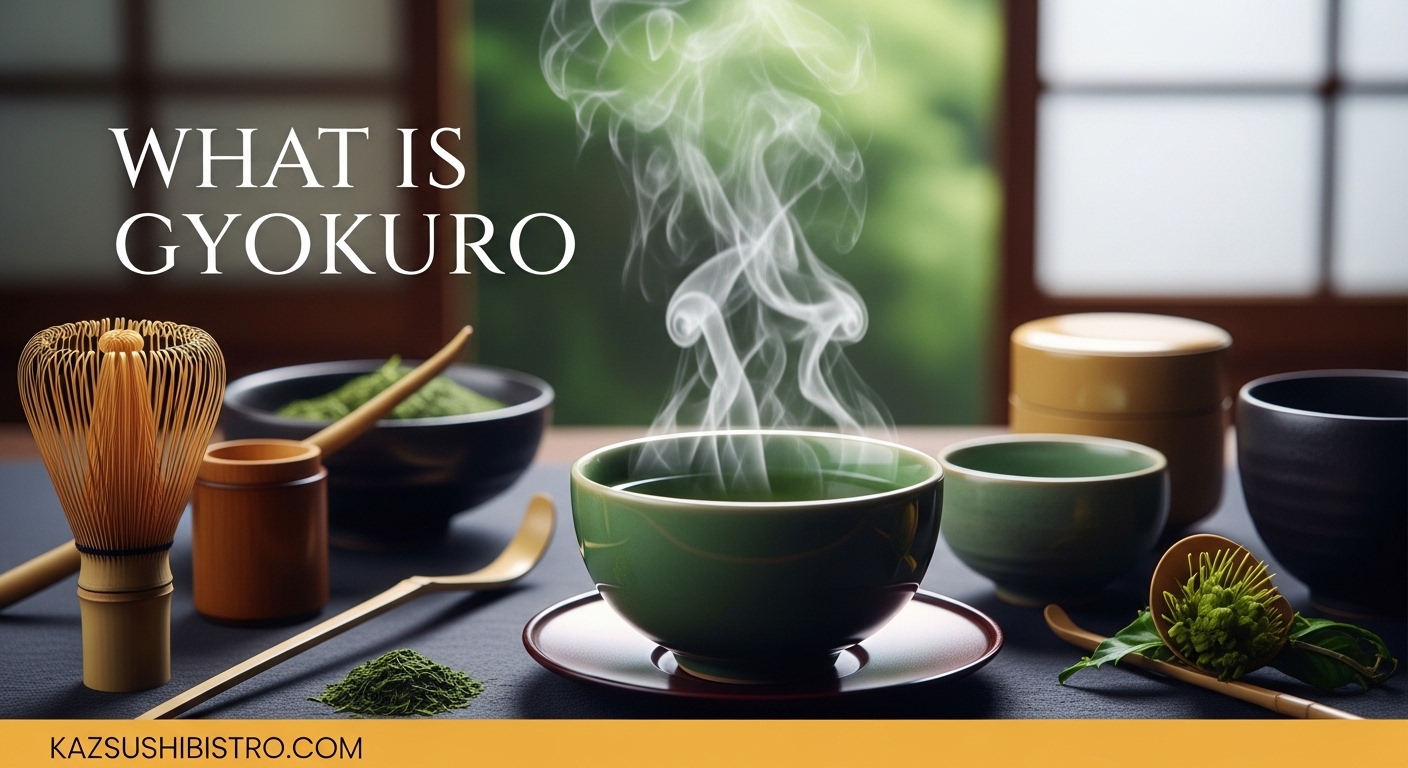
Gyokuro (玉露) translates to “jade dew” in Japanese, and this name perfectly captures what makes this tea extraordinary. It is a shade-grown green tea cultivated under carefully constructed covers for 20 to 30 days before harvest, a process that transforms ordinary tea leaves into something remarkable. Representing less than 0.3% of all Japanese green tea production, gyokuro commands both reverence and a premium price among tea enthusiasts worldwide.
I remember my first encounter with gyokuro at a small tea house in Kyoto. The server presented a pale green liquor that smelled of fresh spring grass and seawater, and one sip revealed a savory depth I had never experienced in tea before. That umami-rich, almost broth-like quality is the signature that separates gyokuro from every other green tea on the market.
Table of Contents
What Is Gyokuro Tea?
Gyokuro is a premium Japanese green tea grown under shade rather than full sun. The Japanese characters 玉 (gyoku) meaning “jade” or “precious stone” and 露 (ro) meaning “dew” combine to create “jade dew” — a reference to the pale green color of the brewed tea and its precious status.
This tea sits at the pinnacle of the Japanese green tea hierarchy. While sencha serves as the everyday tea of Japan, gyokuro appears only for special occasions, contemplative moments, or when one seeks a truly transcendent tea experience. The shading process before harvest creates chemical changes in the leaves that produce an intensely sweet, savory flavor profile impossible to replicate through other means.
Production centers around the Uji region near Kyoto, though Yame in Fukuoka Prefecture and the Asahina area in Shizuoka also produce highly regarded gyokuro. Each region imparts subtle character differences, with Uji gyokuro generally considered the most prestigious and historically significant.
The Shaded Cultivation Method 2026
The magic of gyokuro begins approximately three weeks before harvest when farmers cover the tea plants with shade structures. This traditional method, called ooishita cultivation, typically involves covering the plants with reed screens, synthetic shade cloth, or straw mats that block 70 to 80 percent of sunlight.
This shading triggers a stress response in the tea plant. Deprived of full sunlight, the plant cannot perform photosynthesis at normal levels and begins producing significantly more chlorophyll to capture whatever light filters through. The leaves turn a deep, almost black-green color as chlorophyll concentrations increase dramatically.
Simultaneously, the plant converts existing nutrients into amino acids, particularly L-theanine, which creates the intense umami flavor gyokuro is famous for. At the same time, catechin production slows down because catechins develop primarily through sun exposure. This reduction in catechins means less bitterness and astringency in the final cup.
Only the first flush of spring is used for true gyokuro. These tender new leaves contain the highest concentration of nutrients after the plant’s winter dormancy. Farmers harvest them carefully by hand or with small mechanical shears, then immediately steam the leaves to prevent oxidation and preserve their vibrant green color.
The entire process demands meticulous attention. The shade structures must be raised and lowered based on weather conditions, and harvest timing is critical. Too early and the leaves lack full amino acid development. Too late and the tender character diminishes. This labor-intensive cultivation explains why gyokuro costs significantly more than standard green teas.
History and Origins
The story of gyokuro began in 1835 in the Uji region near Kyoto. Yamamoto Kahei, a tea merchant from the Yamamoto family that had cultivated tea for generations, traveled to Hakodate on the northern island of Hokkaido. There, he observed local farmers covering tea plants with straw mats to protect them from frost damage.
Intrigued by this technique, Yamamoto returned to Uji and experimented with shading his own tea plants before harvest. He discovered that covering the plants for an extended period created a remarkably different flavor profile — sweeter, more complex, and devoid of the harsh astringency common in sun-grown teas.
The name “gyokuro” came later, bestowed by Emperor Meiji himself when he tasted this exceptional tea in 1884. Legend says he remarked on the tea’s dew-like clarity and precious quality, and the name stuck. The Yamamoto family continues producing gyokuro today through their company, Yamamotoyama, nearly two centuries after their ancestor’s discovery.
Initially, gyokuro remained a rare luxury consumed primarily by nobility and wealthy merchants. As cultivation techniques spread and production increased through the late 19th and early 20th centuries, gyokuro became more accessible, though it never lost its status as the finest grade of Japanese leaf tea.
Flavor Profile: Understanding Umami
Umami represents the fifth basic taste alongside sweet, sour, salty, and bitter. Scientifically, umami comes from glutamates — amino acids that create a savory, mouth-filling sensation. In gyokuro, high concentrations of L-theanine and other amino acids produce an intense umami experience unlike any other beverage.
First-time gyokuro drinkers often describe the taste as “broth-like” or similar to seaweed. Some detect notes of spinach, edamame, or fresh spring peas. The forum discussions reveal that many beginners find this savory quality surprising, even confusing, if they expect typical green tea flavors. The tea lacks the grassy sharpness of sencha and instead offers a rounded, almost creamy mouthfeel.
A proper gyokuro presents a deep emerald green liquor that looks almost opaque in the cup. The aroma combines fresh marine notes with a sweet, almost floral undertone. On the palate, the initial sip delivers intense savory richness followed by a lingering sweetness called koku in Japanese. This sweet aftertaste can persist for minutes after swallowing.
The shading process virtually eliminates harsh bitterness. While some astringency provides structure, premium gyokuro should taste smooth and full-bodied rather than sharp or drying. Experienced tea tasters look for balance — the umami should dominate without overwhelming, and the finish should remain clean rather than cloying.
How to Brew Gyokuro
Proper brewing technique makes the difference between an extraordinary gyokuro experience and a disappointing waste of expensive leaves. Unlike most green teas that use hotter water and shorter steeping times, gyokuro demands cool water and patience.
Step 1: Heat water to 50-70°C (122-158°F). This is crucial. Boiling water destroys the delicate amino acids that create gyokuro’s character. Let boiled water cool for several minutes, or use a temperature-controlled kettle.
Step 2: Use approximately 2 tablespoons (6-8 grams) of gyokuro leaves per 6 ounces (180ml) of water. This is significantly more leaf than you would use for sencha. The high leaf-to-water ratio creates the concentrated flavor gyokuro is known for.
Step 3: Pour the cooled water over the leaves and steep for 2 minutes for the first infusion. This extended steeping at low temperature slowly draws out the amino acids without extracting excessive bitterness.
Step 4: For the second infusion, use slightly hotter water (around 70-80°C) and steep for only 30 seconds. The leaves have already begun releasing their compounds, so less time is needed.
Step 5: The third infusion can use even hotter water (80°C) with about 1 minute of steeping. Quality gyokuro yields 3 to 4 excellent infusions, with each producing a different character. The first emphasizes umami, the second balances sweetness and body, while later infusions become lighter and more refreshing.
Traditional brewing uses a small kyusu (side-handle teapot) or hohin (small lidded bowl without a handle). These small vessels allow precise control over pouring and help maintain temperature. The small size also encourages mindful, slow consumption that matches gyokuro’s contemplative nature.
Gyokuro vs Other Japanese Teas
Understanding how gyokuro differs from other Japanese green teas helps clarify its unique position. Each tea type results from different cultivation and processing methods that create distinct flavor profiles.
Sencha represents the standard Japanese green tea, grown in full sun without shading. It offers a brighter, more astringent character with pronounced grassy notes. Sencha serves as the daily drinking tea in Japan and costs significantly less than gyokuro. While excellent sencha can be complex and delicious, it lacks the concentrated umami and depth of its shade-grown counterpart.
Matcha shares gyokuro’s shading process but differs dramatically in preparation. For matcha, farmers shade the plants similarly, then remove stems and veins before grinding the dried leaves into fine powder. When you drink matcha, you consume the entire leaf, resulting in stronger flavor, higher caffeine, and more antioxidants. Gyokuro uses the same leaves but brewed as whole leaf tea, offering a more delicate and nuanced experience.
Kabusecha occupies the middle ground between sencha and gyokuro. This “covered tea” undergoes shading for 7 to 14 days rather than the full 20 to 30 days of gyokuro. The shorter shading period produces a tea with some umami character but less intensity than true gyokuro. Kabusecha offers a more affordable entry point into shade-grown teas while remaining distinct from standard sencha.
Tencha is essentially gyokuro before it becomes matcha. The processing is identical through the shading and steaming stages. Tencha leaves are dried but not rolled, maintaining flat, irregular shapes. These leaves serve as the raw material for stone-ground matcha powder. Some tea houses sell tencha for brewing, though it remains less common than gyokuro.
The key distinction lies in how you consume each. Gyokuro offers a meditative, slow-drinking experience where you appreciate multiple infusions and evolving flavors. Matcha provides immediate intensity and versatility for cooking or lattes. Sencha suits daily refreshment and pairs easily with meals. Each has its place, but gyokuro stands alone as the premium leaf tea experience.
Health Benefits and Caffeine Content
Gyokuro offers impressive health benefits primarily due to its unique cultivation method. The extended shading period maximizes certain beneficial compounds while minimizing others, creating a distinct nutritional profile among green teas.
The high L-theanine content provides gyokuro’s most celebrated health effect: calm alertness. This amino acid crosses the blood-brain barrier and promotes alpha wave production in the brain, creating a state of relaxed focus without drowsiness. Combined with caffeine, L-theanine produces a sustained, jitter-free energy that coffee cannot match. Many drinkers report enhanced concentration and mental clarity lasting several hours.
Speaking of caffeine, gyokuro contains more than most other green teas. The shading process increases caffeine production as the plant’s natural defense mechanism against insects in low-light conditions. A typical serving can contain 60-80mg of caffeine, comparable to a small cup of coffee. However, the L-theanine moderates caffeine absorption, preventing the crash associated with coffee consumption.
The reduced catechin content means gyokuro contains less EGCG (epigallocatechin gallate) than sun-grown teas. While EGCG receives attention for its antioxidant properties, gyokuro compensates with higher levels of other antioxidants and the unique benefits of L-theanine. Those seeking maximum EGCG might prefer matcha, where consuming the whole leaf provides the highest concentration.
Regular gyokuro consumption may support stress reduction, improved cognitive function, and cardiovascular health. The combination of amino acids, vitamins, and minerals creates a beverage that nourishes both body and mind. However, as with all caffeinated beverages, moderation remains important, particularly for those sensitive to caffeine.
Buying and Storing Gyokuro
Purchasing gyokuro requires some knowledge to ensure you receive genuine, high-quality tea. The market includes imitation products and lower-grade teas sold under the gyokuro name, so knowing what to look for protects your investment.
Quality indicators include leaf appearance, aroma, and origin. Authentic gyokuro leaves should be deep green, needle-shaped, and have a fresh, sweet aroma with marine undertones. Avoid leaves that appear brown, yellowish, or lack fragrance. The best gyokuro comes from established tea houses with direct relationships to Japanese producers.
Expect to pay premium prices for authentic gyokuro. Prices typically range from $50 to $200 per 100 grams depending on grade and origin. Uji gyokuro commands the highest prices, while teas from Yame or other regions may offer slightly better value. Be wary of gyokuro priced significantly below this range, as it likely represents inferior grade or mislabeled product.
Proper storage preserves gyokuro’s delicate character. Keep the tea in an airtight container away from light, heat, moisture, and strong odors. Many serious tea drinkers store gyokuro in the refrigerator, particularly in warm climates. If refrigerating, use a truly airtight container to prevent moisture absorption and odor contamination from other foods.
Consume gyokuro within 6 to 12 months of purchase for optimal flavor. While tea does not spoil in the traditional sense, the amino acids and volatile compounds that create gyokuro’s character degrade over time. Fresher tea always provides a better experience, so purchase smaller quantities more frequently rather than stocking large amounts.
Frequently Asked Questions
What is special about gyokuro?
Gyokuro is special because of its unique shade-growing process. The tea plants are covered for 20-30 days before harvest, which dramatically increases L-theanine and chlorophyll while reducing bitter catechins. This creates an intensely umami-rich, sweet flavor unlike any other green tea. Gyokuro also represents less than 0.3% of Japanese tea production, making it rare and prestigious.
Is gyokuro healthier than matcha?
Gyokuro and matcha offer different health benefits. Matcha contains more antioxidants because you consume the entire leaf, while gyokuro provides higher L-theanine per cup for calm alertness. Gyokuro has less caffeine than matcha when prepared traditionally, though both contain more than regular green tea. Neither is definitively healthier; the choice depends on whether you prioritize maximum antioxidants or optimal L-theanine content.
Why is gyokuro so expensive?
Gyokuro costs more due to labor-intensive cultivation and limited production. The shading process requires covering and uncovering plants multiple times over three weeks, followed by hand-picking of only the finest spring leaves. Additionally, gyokuro represents less than 0.3% of all Japanese green tea production. The combination of intensive labor, limited supply, and exceptional quality justifies the premium pricing.
How does gyokuro taste different?
Gyokuro tastes intensely savory and umami-rich, often described as broth-like or similar to seaweed. Unlike the grassy brightness of sencha, gyokuro offers a creamy, full-bodied mouthfeel with minimal bitterness and a lingering sweet aftertaste. The flavor is deeper, more complex, and more concentrated than typical green teas, with notes of fresh peas, spinach, and marine elements.
Can you eat gyokuro leaves after brewing?
Yes, you can eat gyokuro leaves after brewing. In fact, many tea enthusiasts consider this a delicacy. The softened leaves, called ochazuke when served over rice, provide additional nutrients and a pleasant, mild flavor. Simply drizzle with soy sauce or ponzu, or mix with rice and seasonings for a traditional Japanese dish.
Is gyokuro good for beginners?
Gyokuro can challenge beginners because its intense umami differs dramatically from typical green tea expectations. Some first-time drinkers find the savory, broth-like quality surprising or off-putting. However, those approaching gyokuro with an open mind and understanding of its unique character often become devoted enthusiasts. Beginners might start with kabusecha, a partially shaded tea, before advancing to full gyokuro.
Conclusion
Gyokuro stands as the pinnacle of Japanese leaf tea, offering an experience that transcends ordinary green tea consumption. The combination of shaded cultivation, meticulous processing, and mindful brewing creates a beverage that nourishes both body and spirit. Its intense umami character, rich history, and meditative preparation ritual distinguish it from every other tea on earth.
Whether you seek the calm alertness of L-theanine, the contemplative practice of proper brewing, or simply the finest expression of Japanese tea craft, gyokuro delivers something genuinely extraordinary. The investment in quality leaves and the patience to brew them correctly rewards you with a cup that justifies its reputation as the “jade dew” of teas. In 2026, this ancient tradition continues inviting new generations to discover why gyokuro has captivated tea lovers for nearly two centuries.