
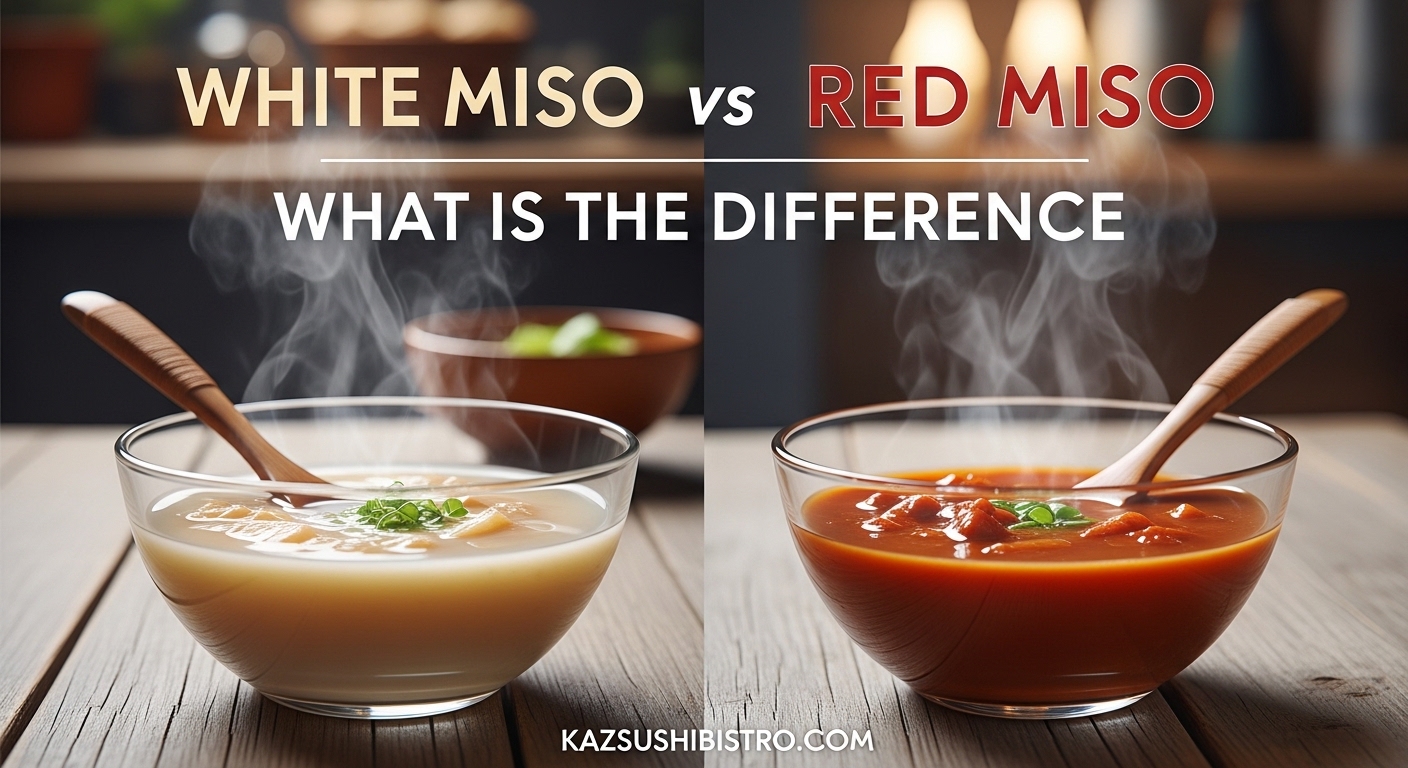
Choosing the right miso paste can make or break your Japanese-inspired dishes. White miso vs red miso what is the difference comes down to fermentation time, ingredient ratios, and flavor intensity. Understanding these distinctions helps you select the perfect miso for soups, marinades, dressings, and glazes.
In this guide, you will learn exactly how white miso (shiro miso) and red miso (aka miso) differ. We will cover fermentation processes, flavor profiles, ideal culinary applications, and substitution guidelines. Whether you are a home cook exploring Japanese cuisine or simply curious about this umami-rich condiment, this article gives you everything you need to make informed choices.
Table of Contents
What Is Miso Paste 2026
Miso is a traditional Japanese fermented paste made from soybeans, salt, and a cultured grain called koji. The koji, typically made from rice, barley, or soybeans, introduces enzymes that break down the soybeans into amino acids, creating that signature savory umami flavor.
This fermented condiment has been a staple in Japanese cooking for over 1,300 years. Miso adds depth, complexity, and a salty-sweet balance to everything from soups to marinades. The color and intensity of miso vary dramatically based on fermentation duration and the proportion of koji to soybeans.
White Miso vs Red Miso What Is the Difference
This central question drives home cooks to explore the nuances between these two popular varieties. The primary differences center on fermentation time, salt content, and flavor profile. White miso offers a gentle, approachable taste while red miso delivers bold, concentrated intensity.
Understanding white miso vs red miso what is the difference helps you pair the right paste with your recipes. You would not want to overpower a delicate salad dressing with a long-fermented red miso, nor would you want a mild white miso to get lost in a hearty winter stew.
What Is White Miso (Shiro Miso)
White miso, known as shiro miso in Japanese, represents the mildest and sweetest category of miso pastes. It contains a high proportion of rice koji relative to soybeans, typically around 60% koji to 40% soybeans. This high koji content contributes to its lighter color and sweeter taste.
The fermentation period for white miso is relatively short, ranging from just a few weeks to three months. This brief aging process preserves the natural sweetness of the rice koji while developing only mild savory notes. The resulting paste ranges from pale beige to light yellow in color.
Shiro miso typically contains less salt than its red counterpart, usually around 5-7% salt content. This lower salinity makes it more approachable for beginners and allows the subtle sweetness to shine through. Many home cooks find white miso the perfect entry point into the world of fermented soybean pastes.
The flavor profile of white miso can be described as mildly sweet, slightly nutty, and subtly savory. Some varieties carry faint floral or fruity undertones depending on the specific koji culture used. This delicate flavor profile makes white miso incredibly versatile for applications where you want umami without overwhelming other ingredients.
What Is Red Miso (Aka Miso)
Red miso, or aka miso, represents the bold, mature end of the miso spectrum. It undergoes significantly longer fermentation periods, typically ranging from six months to eighteen months or even longer. This extended aging transforms both the color and flavor dramatically.
The ingredient ratio for red miso favors soybeans over rice koji, often using 50% or more soybeans. Some traditional red miso varieties, like hatcho miso, use only soybean koji with no grain addition at all. This higher soybean content contributes to the darker color and more robust flavor.
The longer fermentation process causes chemical changes that deepen the color from tan to reddish-brown and eventually to nearly black. Maillard reactions during aging create complex flavor compounds that simply cannot develop in shorter-fermented varieties. The salt content in red miso is typically higher, ranging from 10-13%.
Aka miso delivers an intense, savory, and slightly funky flavor profile. The taste is distinctly salty with earthy, almost cheese-like undertones. Some red miso varieties develop notes of chocolate, coffee, or molasses depending on the aging duration and specific production methods. This powerful flavor stands up to hearty ingredients and long cooking times.
White Miso vs Red Miso: At a Glance 2026
Here is a quick reference guide comparing these two essential Japanese ingredients side by side.
| Characteristic | White Miso (Shiro) | Red Miso (Aka) |
|---|---|---|
| Fermentation Time | 2 weeks to 3 months | 6 months to 2+ years |
| Koji to Soybean Ratio | 60-70% rice koji | 30-50% rice koji |
| Salt Content | 5-7% | 10-13% |
| Color | Pale beige to light yellow | Reddish-brown to dark brown |
| Flavor Profile | Mild, sweet, slightly nutty | Bold, salty, earthy, funky |
| Best Uses | Dressings, light soups, glazes | Hearty stews, braises, marinades |
This comparison table highlights why choosing the right miso matters for your specific dish. The fermentation duration alone creates entirely different flavor compounds that react differently with other ingredients during cooking.
Yellow Miso (Awase Miso): The Middle Ground
Yellow miso, called awase miso, offers a balanced compromise between the extremes of white and red varieties. It is actually a blend, combining both white and red miso pastes or using a koji ratio that falls between the two. This hybrid approach creates a versatile all-purpose miso.
The fermentation time for yellow miso typically falls in the three-to-six-month range. This moderate aging period allows for more complexity than white miso while maintaining a gentler profile than red miso. The color ranges from golden yellow to light amber.
Awase miso delivers a flavor that balances sweetness with savory depth. You get the approachable qualities of white miso combined with the richer umami notes developing in red miso. Many Japanese home cooks keep yellow miso as their everyday staple because it works well in almost any application.
If you can only buy one type of miso for your kitchen, yellow miso offers the most versatility. It handles both delicate dressings and hearty soups reasonably well, though it may not excel in extreme applications at either end of the spectrum.
Culinary Uses and Best Applications
Matching the right miso to your dish elevates the final result significantly. Each type brings different strengths to specific culinary applications.
Best Uses for White Miso
White miso shines in applications where you want subtle umami without overwhelming other flavors. Salad dressings benefit enormously from a spoonful of shiro miso blended with rice vinegar and sesame oil. The mild sweetness balances acidic ingredients beautifully.
Light miso soups with delicate vegetables like spinach, tofu, and wakame work best with white miso. The gentle flavor allows the fresh ingredients to remain the star. You can also use white miso in marinades for fish and chicken where you want tenderizing effects without aggressive seasoning.
Surprising applications for white miso include baking and desserts. The sweet-savory profile enhances caramel, chocolate, and vanilla flavors. Some pastry chefs add a small amount of white miso to cookie dough or buttercream frosting for depth.
Best Uses for Red Miso
Red miso demands heartier companions that can match its intensity. Rich miso soups with pork, mushrooms, and root vegetables benefit from the depth of aka miso. The long cooking times actually improve red miso soups as the flavors meld together.
Braises and stews gain incredible depth from red miso additions. Try adding a tablespoon to beef stew, braised short ribs, or oxtail soup. The umami compounds enhance meat flavors while the salt content helps season the entire dish.
Marinades for robust proteins like beef, lamb, and salmon work excellently with red miso. Mix aka miso with sake, mirin, and ginger for a powerful marinade that tenderizes while it flavors. The longer you marinate, the more the miso character permeates the protein.
Best Uses for Yellow Miso
Yellow miso handles everyday cooking tasks admirably. Standard miso soup with a mix of vegetables and tofu works perfectly with awase miso. You get enough depth for satisfaction without overwhelming the bowl.
Stir-fries and glazes benefit from the balanced profile of yellow miso. It combines well with soy sauce, ginger, and garlic without creating too much saltiness or funk. Glazed eggplant, miso-glazed black cod, and simple vegetable stir-fries all work beautifully.
Ramen broth often uses yellow miso as a base because it needs to complement various toppings without dominating. The versatility means it pairs reasonably well with chashu pork, soft-boiled eggs, nori, and various vegetables.
Can You Substitute White and Red Miso
The question of substitution comes up frequently in home kitchens. Can you substitute red miso for white miso when that is what you have on hand? The answer depends on the specific recipe and your tolerance for flavor variation.
Substituting red miso for white miso requires caution and quantity adjustment. Because red miso contains roughly twice the salt and significantly more intense flavor, use about half the amount called for in recipes specifying white miso. Start with less and taste as you go.
Substituting white miso for red miso is generally safer but less satisfying. You can use white miso in place of red, but you will miss the depth and complexity that longer fermentation provides. Consider adding a small amount of soy sauce or fish sauce to compensate for the reduced salt and umami.
Yellow miso serves as the best substitute for either extreme. It contains enough character to stand in for red miso in many applications while remaining mild enough to replace white miso in most recipes. When in doubt, awase miso offers the safest substitution option.
Health Considerations: GERD and Diabetes
Many home cooks wonder about the health implications of incorporating miso into their diets. Two specific concerns appear frequently in search queries: GERD (acid reflux) and diabetes management.
Is Miso Good for GERD?
People with GERD or acid reflux should approach miso with caution. While miso contains beneficial probiotics that support gut health, it is also relatively high in salt and can trigger reflux symptoms in sensitive individuals. The fermentation process creates some acidic compounds that may irritate already sensitive esophageal tissue.
If you have GERD and want to enjoy miso, white miso represents the safer choice over red miso. The shorter fermentation means fewer acidic byproducts, and the lower salt content is gentler on the digestive system. Start with small amounts and monitor your body’s response carefully.
Is Miso Ok for Diabetics?
Miso can be part of a diabetic-friendly diet when consumed mindfully. The fermentation process actually breaks down many of the carbohydrates in the soybeans and rice, reducing the glycemic impact significantly. A typical serving of one tablespoon contains only about 2-3 grams of carbohydrates.
However, sodium content poses a greater concern for diabetics, who often need to monitor blood pressure carefully. Red miso contains significantly more salt than white miso. Diabetics should choose white miso when possible and keep portion sizes modest to manage sodium intake effectively.
As with any dietary concern, consult your healthcare provider about incorporating miso into your specific meal plan. Individual tolerance varies based on overall diet, medication interactions, and specific health conditions.
Storage and Shelf Life Tips
Proper storage extends the life of your miso and preserves its flavor characteristics. Both white and red miso require refrigeration after opening to halt continued fermentation and prevent spoilage.
Store miso in an airtight container in the refrigerator. The cold temperature dramatically slows fermentation, maintaining the current flavor profile. Properly refrigerated miso lasts for months or even years without spoiling.
Red miso generally keeps longer than white miso due to its higher salt content acting as a natural preservative. Some traditional red miso varieties are aged for years intentionally. White miso, with its lower salt content, should ideally be used within six months to a year for optimal flavor.
Always use a clean, dry spoon when scooping miso to prevent introducing contaminants. A thin layer of oxidation may form on the surface after extended storage. You can either scrape this off or stir it back into the paste, as it is harmless though slightly alters flavor.
Frequently Asked Questions
Should I get white miso or red miso?
Choose white miso if you prefer mild, sweet flavors and plan to use it for dressings, light soups, and glazes. Choose red miso if you enjoy bold, salty, earthy flavors and want it for hearty stews, braises, and marinades. If you want versatility for various recipes, yellow miso (awase) offers a balanced middle ground.
Is miso good for GERD?
People with GERD should use miso cautiously. While miso contains beneficial probiotics, its salt content and acidic fermentation byproducts can trigger reflux symptoms. White miso is generally gentler than red miso due to shorter fermentation and lower salt. Start with small amounts and monitor your body’s response.
Can I substitute red miso for white miso in a recipe?
Yes, but with adjustments. Red miso is saltier and more intense than white miso, so use about half the amount called for and taste before adding more. For the reverse substitution, white miso can replace red but will lack depth. Consider adding a small amount of soy sauce to compensate for reduced salt and umami.
Is miso ok for diabetics?
Miso can be part of a diabetic-friendly diet. Fermentation breaks down carbohydrates, resulting in low glycemic impact with only 2-3 grams of carbs per tablespoon. However, sodium content is a concern. White miso contains less salt than red miso, making it the better choice for diabetics monitoring blood pressure.
Conclusion
Understanding white miso vs red miso what is the difference opens up new possibilities in your cooking. White miso brings gentle sweetness and versatility to light dishes. Red miso delivers bold, complex intensity perfect for hearty preparations. Yellow miso bridges the gap as an everyday staple.
The best way to truly understand these differences is to cook with all three varieties. Start with white miso in a simple dressing. Try red miso in a long-simmered soup. Experiment with yellow miso as your all-purpose option. Your palate will quickly learn which variety suits each application.
Keep your miso refrigerated, use clean utensils, and do not be afraid to experiment with substitutions when needed. The world of fermented soybean paste offers incredible depth for home cooks willing to explore its nuances.