
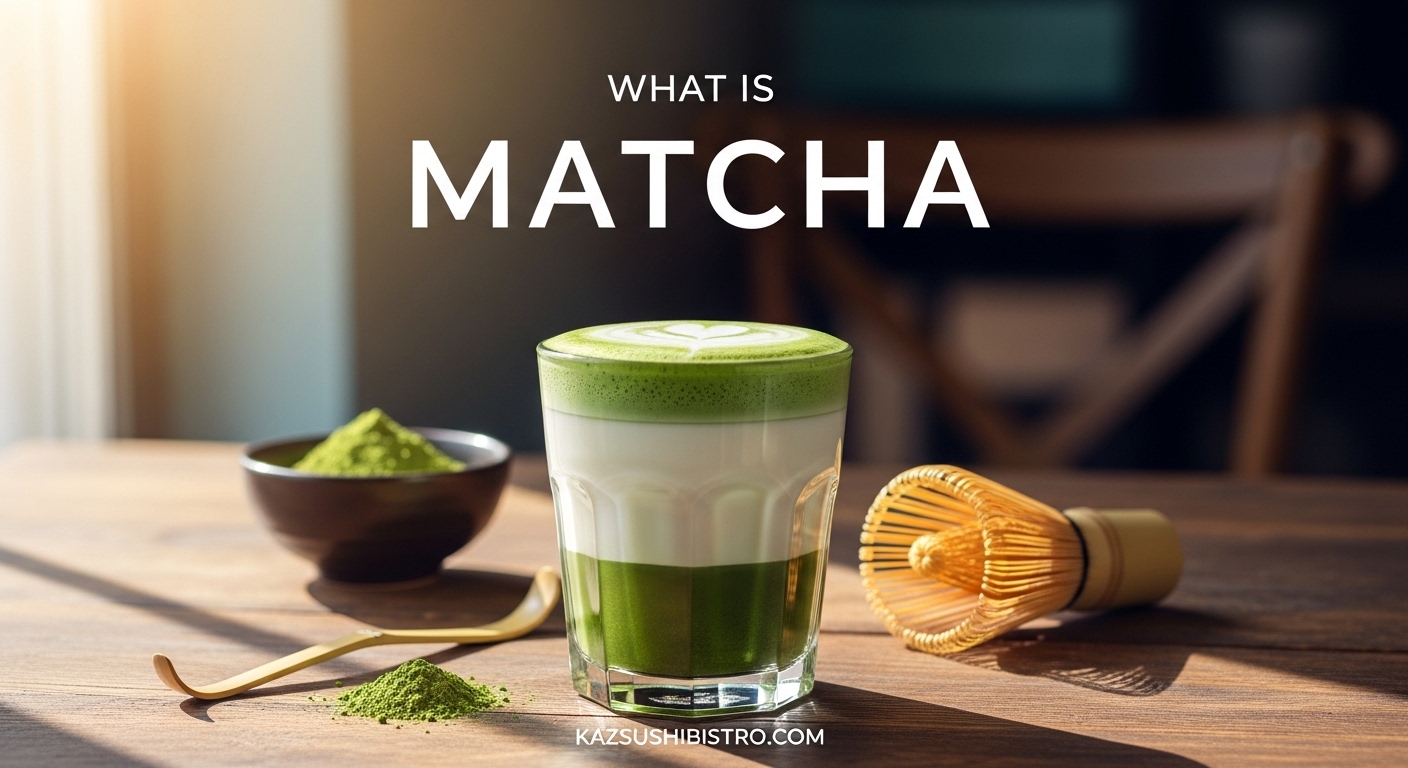
Matcha is a finely ground powder made from specially cultivated green tea leaves that have been shade-grown for several weeks before harvest. Unlike regular green tea where you steep the leaves and discard them, with matcha you consume the entire leaf. This unique preparation method delivers a more concentrated dose of antioxidants, caffeine, and that distinctive vibrant green color.
I remember the first time I tried authentic matcha at a traditional tea ceremony in Kyoto. The frothy, jade-colored liquid had a complex flavor I had never experienced before. It was grassy yet sweet, slightly bitter but with a savory depth I later learned to call umami.
In this guide, I will explain everything you need to know about matcha. You will learn how it is made, why it is different from regular green tea, how to prepare it properly, and what to look for when buying. Whether you are curious about the health benefits, want to make better lattes at home, or simply want to understand what you are ordering at your local cafe, this guide has you covered.
Table of Contents
What Is Matcha?
Matcha is a powdered form of green tea made from the leaves of the Camellia sinensis plant, the same plant used for all true teas. The key difference lies in how the tea is grown, processed, and consumed.
About three to four weeks before harvest, the tea plants are covered with shade cloths or straw mats. This shading technique reduces sunlight exposure by up to 90 percent, which triggers several important chemical changes in the leaves.
The plants respond to shade by increasing chlorophyll production, which gives matcha its signature electric green color. They also produce more L-theanine, an amino acid that contributes to matcha’s unique flavor and calming properties. This is why matcha has a smoother, less astringent taste compared to regular green tea.
After harvest, the leaves are steamed to prevent oxidation, then dried and deveined. The resulting material, called tencha, is slowly stone-ground into an ultra-fine powder. Traditional granite mills rotate just once per minute to prevent heat buildup that could damage the delicate flavor compounds.
When you drink matcha, you are not just steeping leaves and throwing them away. You are consuming the entire leaf in powdered form. This means you get 100 percent of the nutrients, including fiber, chlorophyll, and antioxidants that would normally stay trapped in the discarded leaves.
Origins and History of Matcha
The story of matcha begins in China during the Tang Dynasty, around the 7th to 10th centuries. Tea leaves were steamed and formed into bricks for easier transport and trade. To prepare the tea, people would break off a piece and grind it into powder before whisking it into hot water.
By the Song Dynasty, this method of preparing powdered tea had become refined and ceremonial. Chinese Zen Buddhist monks found that drinking matcha helped them maintain alertness during long meditation sessions without the jittery effects of other stimulants.
In the 12th century, the Japanese monk Myoan Eisai brought tea seeds and the powdered tea preparation method back to Japan from his studies in China. Eisai is credited with introducing tea culture to Japan and recognizing its medicinal properties. He wrote that tea was a “divine remedy and a supreme gift of heaven.”
The cultivation and preparation methods evolved differently in Japan than they had in China. While the Chinese eventually moved away from powdered tea in favor of loose-leaf steeping, the Japanese refined and perfected the art of matcha production.
Matcha became central to Zen Buddhist practice. Monks used the tea ceremony as a form of moving meditation, where every gesture and movement was performed with complete mindfulness. The preparation and consumption of matcha became a spiritual practice emphasizing harmony, respect, purity, and tranquility.
Samurai warriors also embraced matcha before battle. The combination of caffeine for alertness and L-theanine for calm focus provided the mental state they sought. The tea ceremony became an important cultural institution among the warrior class.
By the 16th century, Sen no Rikyu had codified the Japanese tea ceremony, or chanoyu, establishing many of the practices still followed today. His influence elevated matcha preparation to an art form that continues to be studied and practiced centuries later.
How Matcha Is Grown and Processed 2026
The production of quality matcha requires careful attention at every stage. The process begins in early spring when tea plants start producing new growth. Farmers select only the best cultivars, typically from the Yabukita, Samidori, or Asahi varieties, known for their superior flavor and color.
The Shading Process
About 20 to 30 days before the first harvest in May, farmers cover the tea plants with black shade cloths called tana. Some traditional farms still use straw mats called komo. This shading blocks approximately 70 to 90 percent of sunlight.
The plants respond to reduced light by stretching their stems and leaves upward, searching for sunlight. This creates softer, more tender leaves with higher concentrations of chlorophyll. The reduced photosynthesis also increases levels of L-theanine and reduces catechin content, resulting in a smoother, less bitter taste.
Some premium matcha receives even longer shading periods of up to six weeks. This extended shade time produces the highest grade ceremonial matcha with the most delicate flavor and deepest green color.
Harvesting and Processing
Only the top young leaves and buds are hand-picked during the first flush, or ichibancha. This first harvest produces the highest quality tea because the plants have stored nutrients throughout winter. Subsequent harvests yield lower quality leaves suitable for culinary grade matcha.
Within hours of picking, the fresh leaves are steamed for about 20 seconds. This steaming process, unique to Japanese tea production, prevents oxidation and preserves the green color and fresh flavor. The steamed leaves are then cooled with blown air.
Next comes drying and sorting. The leaves pass through drying machines that reduce moisture content while maintaining flexibility. Workers then remove stems and veins, leaving only the soft leaf material. This refined product is called tencha.
Stone Grinding
The final step transforms tencha into matcha through stone grinding. Traditional granite mills, called ishiusu, slowly rotate against each other at just 60 revolutions per hour. This gentle grinding prevents heat buildup that would degrade the delicate flavor compounds.
It takes about one hour to produce just 40 grams of matcha powder from a single set of stones. This slow, careful process explains why authentic stone-ground matcha commands higher prices than machine-ground alternatives.
The resulting powder is incredibly fine, with particle sizes averaging just 5 to 10 microns. This fine texture allows the matcha to suspend evenly in water and creates the characteristic froth when whisked properly.
Ceremonial vs Culinary Grade Matcha
Not all matcha is created equal. The two main categories, ceremonial and culinary grades, serve different purposes and have distinct characteristics. Understanding the difference helps you choose the right matcha for your needs.
Ceremonial Grade Matcha
Ceremonial grade matcha represents the finest quality available. It is made exclusively from the first spring harvest, using only the youngest, most tender leaves from the top of the tea plant. These leaves receive the longest shading period and gentlest processing.
The color should be a vivid, electric green that almost glows. Lower quality matcha appears yellowish or brownish. When you open a fresh tin of ceremonial matcha, you should smell a sweet, grassy aroma with vegetal notes.
The flavor is complex and layered. You will taste subtle sweetness, a savory umami quality, and just a hint of pleasant bitterness. The texture should be silky smooth with no grittiness. This grade is intended to be enjoyed on its own, whisked with hot water and sipped directly.
Ceremonial grade commands higher prices, typically $25 to $50 for 30 grams. This reflects the careful cultivation, hand-picking, and stone-grinding required. While expensive for daily lattes, it offers the authentic matcha experience for traditional preparation.
Culinary Grade Matcha
Culinary grade matcha comes from later harvests, older leaves, or less shaded plants. It still delivers the characteristic green color and health benefits but with a stronger, more robust flavor profile. The taste tends toward more bitterness and less subtlety compared to ceremonial grade.
The color is noticeably less vibrant, often appearing olive green rather than jade. The texture may be slightly coarser. These characteristics make it less ideal for drinking straight but perfectly suited for mixing with other ingredients.
This grade works beautifully in lattes, smoothies, baked goods, and desserts. The stronger flavor holds up against milk, sugar, and other ingredients. The slightly lower cost, typically $10 to $25 for 30 grams, makes it practical for everyday cooking and beverage preparation.
Some culinary matcha is specifically labeled for baking, which has an even stronger flavor designed to survive the high temperatures of ovens without becoming completely lost.
What Does Matcha Taste Like?
Describing matcha’s flavor requires vocabulary that may be unfamiliar to Western palates. The taste is multidimensional and varies significantly based on quality and preparation method.
The most prominent flavor note is umami, that savory richness associated with mushrooms, seaweed, and aged cheeses. This comes from the high concentration of amino acids, particularly L-theanine, produced during the shading process. Quality ceremonial matcha should have a pronounced umami character that coats your tongue pleasantly.
Fresh grassy notes dominate the aroma and initial taste. Think of spring vegetables, young peas, or fresh spinach. This vegetal quality connects you directly to the living plant and distinguishes matcha from roasted or oxidized teas.
A subtle natural sweetness balances the savory and grassy elements. This is not sugary sweetness but rather a soft, lingering aftertaste that invites another sip. The sweetness comes from the careful shading that prevents the leaves from developing harsh tannins.
Bitterness appears in all matcha but should never dominate in quality ceremonial grade. The bitterness should be pleasant and brief, more like dark chocolate than harsh astringency. If your matcha tastes aggressively bitter or mouth-puckering, it may be low quality or prepared with water that is too hot.
The texture contributes significantly to the experience. Properly prepared matcha has a creamy, almost brothy mouthfeel. The fine powder creates a suspension that feels substantial and satisfying. The frothy layer on top adds a light, airy quality to each sip.
Caffeine Content Comparison
One of the most common questions about matcha concerns its caffeine content. Understanding how matcha compares to other beverages helps you make informed choices about when and how much to drink.
A typical serving of matcha contains between 60 to 70 milligrams of caffeine per teaspoon of powder. This puts it between regular green tea and coffee in terms of stimulant content. However, the experience of drinking matcha differs significantly from other caffeinated beverages.
Coffee typically delivers 95 to 200 milligrams of caffeine per cup. The caffeine hits quickly, producing that familiar jolt of energy. Unfortunately, it often comes with jitters, anxiety, and a subsequent crash as the effects wear off.
Regular green tea contains 25 to 35 milligrams of caffeine per cup. Because you discard the leaves after steeping, you miss many of the compounds that modulate caffeine’s effects. Black tea offers slightly more at 40 to 70 milligrams.
Matcha’s caffeine works differently because of L-theanine, an amino acid that crosses the blood-brain barrier and promotes alpha wave production. Alpha waves are associated with relaxed alertness, the same brain state achieved during meditation.
The L-theanine slows caffeine absorption, creating a sustained release over three to four hours rather than a sudden spike. You experience steady energy without the jitters. When the effects eventually fade, there is no dramatic crash.
Many people describe the feeling as “calm focus” or “relaxed alertness.” You feel awake and capable of concentration without the anxious edge that coffee can produce. This makes matcha particularly popular among students, programmers, and anyone needing sustained mental performance.
Health Benefits of Matcha
Because you consume the entire leaf, matcha delivers more concentrated nutrients than steeped green tea. Modern research continues to validate what Japanese monks have known for centuries about matcha’s health-promoting properties.
Antioxidant Powerhouse
Matcha is exceptionally rich in catechins, a class of plant compounds that act as powerful antioxidants. The most abundant and well-studied catechin in matcha is epigallocatechin gallate, or EGCG. One study found that matcha contains up to 137 times more EGCG than some brands of steeped green tea.
Antioxidants neutralize free radicals, unstable molecules that can damage cells and contribute to aging and disease. The high antioxidant content in matcha supports overall cellular health and may help protect against various chronic conditions.
Brain Function and Mood
The combination of caffeine and L-theanine in matcha has been shown to improve various aspects of brain function. Studies indicate improvements in attention, reaction time, and memory. The L-theanine specifically may help reduce stress and anxiety while maintaining alertness.
Some research suggests that regular matcha consumption may have protective effects on brain aging. The compounds in matcha appear to support cognitive function and may reduce the risk of neurodegenerative diseases.
Metabolism and Weight Management
Several studies suggest that the catechins in matcha, particularly EGCG, may boost metabolic rate and increase fat burning. One study showed that taking green tea extract during moderate exercise increased fat burning by 17 percent.
Matcha may also help regulate blood sugar levels and reduce insulin spikes after meals. This metabolic support makes it a popular choice for people managing their weight or working to maintain healthy glucose levels.
Heart Health
Regular green tea consumption has been associated with reduced risk of cardiovascular disease. The compounds in matcha may help lower LDL cholesterol levels, reduce blood pressure, and prevent oxidation of LDL particles, which contributes to arterial plaque formation.
While most studies have focused on steeped green tea, matcha’s higher concentration of beneficial compounds suggests even stronger potential benefits for heart health.
How to Choose and Buy Quality Matcha
Walking down the tea aisle or browsing online can feel overwhelming with so many matcha options available. Here is what I look for when selecting quality matcha for myself or recommending it to others.
Color is your first and most reliable indicator. Quality matcha should be a vivid, bright green. Avoid anything that looks yellowish, brownish, or dull olive green. That vibrant color indicates high chlorophyll content from proper shading.
Origin matters significantly. True Japanese matcha comes from specific regions known for tea production, particularly Uji in Kyoto Prefecture, Nishio in Aichi Prefecture, and Shizuoka. These areas have the climate, soil, and expertise for producing the best tea. While matcha from China or other countries can be acceptable for cooking, Japanese matcha generally offers superior quality for drinking.
Packaging affects freshness. Matcha degrades quickly when exposed to light, air, or heat. Look for airtight tins, foil pouches, or vacuum-sealed containers. Once opened, matcha begins oxidizing, so smaller packages that you will use within a few weeks are better than large tins that sit open for months.
Price generally reflects quality, though not always perfectly. For ceremonial grade, expect to pay $25 to $50 for 30 grams. Culinary grade runs $10 to $25 for the same amount. Prices significantly lower than these ranges often indicate inferior quality, older product, or misleading labeling.
Check the ingredient list. Pure matcha should contain only one ingredient: green tea. Avoid products with added sugar, milk powder, or flavorings unless you specifically want a pre-mixed product. Also, look for organic certification if avoiding pesticides is important to you.
How to Prepare Matcha
Preparing matcha properly transforms the powder into a smooth, frothy beverage. While the traditional method requires specific tools, you can make excellent matcha with basic kitchen equipment.
Traditional Preparation
Start by sifting 1 to 2 grams of matcha powder, about half to one teaspoon, through a fine mesh strainer into a bowl. Sifting prevents clumps and ensures smooth texture. The traditional bowl, called a chawan, is wide and shallow to allow room for whisking.
Add a small amount of cool or room temperature water, about 2 ounces, to the powder. Use the bamboo whisk, or chasen, to mix the powder and water into a smooth paste with no lumps. This initial step is crucial for preventing clumps in the final drink.
Now add more hot water, bringing the total to about 2.5 to 4 ounces depending on your preferred strength. The water temperature should be around 175°F or 80°C. Boiling water scorches the delicate powder and creates bitterness.
Hold the whisk vertically and whisk rapidly using a W-shaped motion. Do not stir like you would with a spoon. The goal is to create a frothy layer on top with tiny bubbles. This should take about 15 to 30 seconds of brisk whisking.
The finished matcha should have a layer of fine foam on top with no large bubbles. Drink it immediately while fresh, as the powder will begin settling within a few minutes.
Modern Methods
If you do not have a bamboo whisk, a small kitchen whisk or even a fork can work in a pinch. A milk frother also produces excellent results with minimal effort. Blender bottles with wire balls create smooth matcha quickly.
For matcha lattes, dissolve the powder in a small amount of hot water first, then add steamed milk. This two-step process prevents clumping that occurs when you add powder directly to milk.
How to Store Matcha Properly
Matcha is surprisingly perishable. The fine powder has enormous surface area exposed to oxygen, light, and moisture, all of which degrade quality rapidly. Proper storage preserves that vibrant color and delicate flavor you paid for.
Keep matcha in an airtight container that blocks light. The original tin works well if it seals tightly. Many people transfer matcha to small, dark glass jars. Minimize the amount of air in the container by using smaller containers for daily use while keeping the bulk supply sealed.
Refrigeration extends freshness significantly. Store unopened matcha in the refrigerator, and keep opened containers there too if you have space. The cold slows oxidation. However, always let refrigerated matcha come to room temperature before opening to prevent condensation from forming on the powder.
Avoid storing matcha near strong-smelling foods. The powder absorbs odors easily, which ruins the delicate flavor. A sealed container in the refrigerator door, away from garlic or onions, works well.
Freshness matters more than expiration dates. Even properly stored matcha begins losing quality after about 6 to 8 weeks once opened. Try to use ceremonial grade within a month for the best experience. If your matcha has turned dull yellowish-green or lost its fresh aroma, it has oxidized and will taste flat.
Frequently Asked Questions
What does matcha do to your body?
Matcha provides sustained energy through a combination of caffeine and L-theanine, which creates calm alertness without jitters. The high antioxidant content supports cellular health, while compounds like EGCG may boost metabolism and support heart health. Many people report improved focus and reduced anxiety compared to coffee.
Is matcha better for you than coffee?
Matcha offers several advantages over coffee for many people. The L-theanine in matcha moderates caffeine absorption, preventing the jitters and crash associated with coffee. Matcha contains more antioxidants and provides sustained energy over 3-4 hours rather than a quick spike. However, individual responses vary, and both can be part of a healthy diet.
Is there a downside to matcha?
Matcha is generally safe for most people, but it does contain caffeine, which can cause sleep issues if consumed late in the day. Some lower-quality matcha contains lead absorbed from the soil, which is why buying from reputable Japanese sources matters. People with iron deficiency should drink matcha between meals, as tannins can reduce iron absorption.
Is matcha high in caffeine?
Matcha contains moderate caffeine, about 60-70 milligrams per teaspoon, which is less than coffee but more than regular green tea. The caffeine in matcha absorbs slowly due to L-theanine, creating sustained energy without the intense spike of coffee. Those sensitive to caffeine should start with smaller servings.
What does matcha taste like?
Matcha has a unique flavor profile combining savory umami, fresh grassy notes, subtle sweetness, and mild bitterness. High-quality ceremonial matcha tastes smooth and complex with a creamy, almost brothy texture. Lower grades taste more bitter and astringent. The flavor is often described as vegetal, like spring peas or fresh spinach, with a lingering sweet aftertaste.
Why is Gen Z obsessed with matcha?
Gen Z has embraced matcha for several reasons. The aesthetic appeal of vibrant green lattes performs well on social media platforms. Matcha aligns with wellness trends and offers a healthier alternative to sugary coffee drinks. The sustained energy without jitters appeals to students and young professionals. Additionally, matcha represents an authentic cultural experience that contrasts with mass-market beverages.
Can people with Crohn’s have matcha?
People with Crohn’s disease should approach matcha cautiously. While green tea contains anti-inflammatory compounds that may theoretically help, the caffeine can stimulate the gut and worsen symptoms for some individuals. The tannins in matcha may also irritate sensitive digestive systems. Anyone with Crohn’s should consult their healthcare provider before adding matcha to their diet.
Does matcha help sinuses?
Matcha contains antioxidants and anti-inflammatory compounds that may support overall immune function, but there is no direct evidence that matcha specifically helps sinuses. Some people find that warm beverages, including matcha, provide temporary relief from sinus pressure. The steam may help moisturize nasal passages, but matcha should not be considered a treatment for sinus conditions.
Conclusion
Matcha is more than just a trendy green drink. It is a centuries-old tradition that connects us to Japanese culture, Zen practice, and a unique way of consuming tea. The careful cultivation, stone grinding, and ritual preparation elevate a simple beverage into something meaningful.
Understanding what matcha is helps you appreciate why quality matters. The shading process creates those beneficial compounds. The stone grinding preserves delicate flavors. The traditional preparation honors the craftsmanship behind each tin. Whether you choose ceremonial grade for quiet morning meditation or culinary grade for afternoon lattes, you are participating in a tradition that spans nearly a thousand years.
At KAZ Sushi Bistro, we appreciate the depth and tradition behind Japanese ingredients like matcha. The same attention to quality that defines authentic matcha production guides our approach to sushi and Japanese cuisine. We invite you to visit us and experience other aspects of Japanese culinary culture after exploring the world of matcha.