
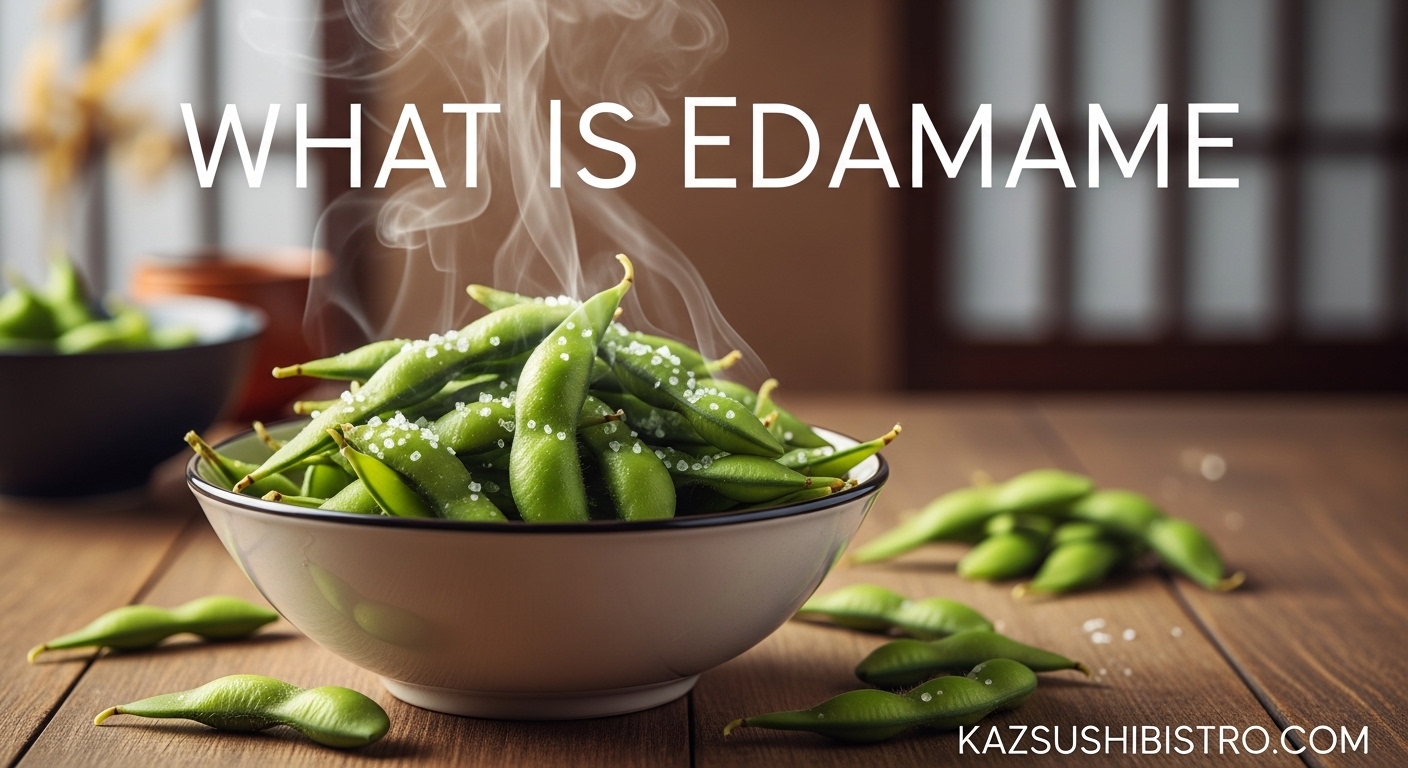
Edamame are young, immature soybeans harvested while still green and tender in their pods, typically served steamed or boiled with a sprinkle of salt as a beloved appetizer across East Asian cuisines. These vibrant green beans offer a unique combination of complete plant protein, satisfying texture, and subtle nutty flavor that has made them a staple from Japanese izakayas to American grocery store freezer aisles. Unlike the mature, dried soybeans used for tofu and soy milk production, edamame are picked early in the growing cycle when the beans are soft, sweet, and perfectly suited for eating fresh.
In this comprehensive guide, I will walk you through everything you need to know about edamame. You will learn about their fascinating history and cultural significance, their impressive nutritional profile backed by scientific research, the proper way to prepare and eat them, and how they differ from mature soybeans. Whether you have encountered edamame as a pre-sushi snack at your local Japanese restaurant or spotted bags of frozen pods at the supermarket, this guide will help you understand exactly what edamame is and why it deserves a place in your diet.
Table of Contents
What Is Edamame?
Edamame refers to young soybeans (Glycine max) that farmers harvest before the beans fully mature and harden. The word itself comes from Japanese, combining “eda” meaning stem and “mame” meaning bean, which literally translates to “stem bean” or “beans on branches.”
When you look at edamame, you will notice fuzzy, fibrous pods that range from bright to pale green depending on freshness. Inside these pods sit two to three beans that are smooth, tender, and slightly sweet with a buttery, nutty flavor profile. The pods themselves are not meant for eating. They serve as natural packaging that protects the beans and helps them retain moisture during cooking.
Botanically speaking, edamame is a legume, not a pea. While peas grow on vines and belong to the Fabaceae family in a different genus (Pisum), soybeans including edamame belong to the Glycine genus. This distinction matters because legumes like edamame offer different nutritional benefits compared to true peas.
Edamame vs Mature Soybeans
The key difference between edamame and the brown soybeans used for tofu lies entirely in harvest timing. Edamame farmers pick the pods when they are still young, green, and filled with soft, immature beans. If left on the plant, these same pods would continue developing, the beans would harden and turn beige or brown, and they would become the mature soybeans used for soy milk, miso, tempeh, and countless processed soy products.
This early harvest makes edamame edible as a fresh vegetable rather than requiring the extensive processing that mature soybeans need. The tender texture and mild, slightly sweet flavor of young soybeans bears little resemblance to the beany, sometimes bitter taste associated with mature soy products.
History and Origins
The story of edamame begins in East Asia, with historical records suggesting cultivation in China over 2,000 years ago. The practice of harvesting young soybeans as a fresh vegetable eventually spread to Japan, where edamame became deeply embedded in culinary culture and language.
In Japan, edamame holds a special place as the quintessential appetizer served at izakayas, those casual pubs where friends gather after work to share small plates and drinks. The tradition of eating salted edamame while sipping beer has become so iconic that the combination is now recognized worldwide as a symbol of Japanese casual dining.
The Japanese appreciation for seasonal eating (shun) elevated edamame to a delicacy representing late summer. Freshly harvested edamame commands premium prices at Japanese markets during peak season, with connoisseurs seeking out specific regional varieties known for superior sweetness and texture.
Edamame began appearing in Western markets during the late 20th century, initially through Japanese and Asian grocery stores before mainstream supermarkets started stocking frozen versions. Today, you will find edamame everywhere from school lunch programs to upscale sushi restaurants like KAZ Sushi Bistro, where it serves as the perfect light starter before a meal of fresh fish and rice.
Edamame Nutrition Facts 2026
Edamame delivers one of the most impressive nutritional profiles of any vegetable or legume. A single cup of shelled edamame (approximately 155 grams) provides a remarkable balance of macronutrients and micronutrients that supports overall health.
Macronutrient breakdown per 1 cup shelled edamame:
- Calories: 188
- Protein: 18.5 grams (complete protein with all 9 essential amino acids)
- Carbohydrates: 13.8 grams
- Fiber: 8 grams
- Fat: 8 grams (primarily heart-healthy unsaturated fats)
- Omega-3 fatty acids: 560 milligrams (ALA)
Key vitamins and minerals (percentage of daily value):
- Folate: 121% DV (crucial for DNA synthesis and cell repair)
- Vitamin K: 52% DV (essential for bone health and blood clotting)
- Thiamin (B1): 22% DV (supports energy metabolism)
- Riboflavin (B2): 14% DV (aids in red blood cell production)
- Iron: 20% DV (important for oxygen transport)
- Manganese: 82% DV (supports bone health and metabolism)
- Copper: 43% DV (aids iron absorption)
- Phosphorus: 25% DV (essential for bone and teeth formation)
- Magnesium: 24% DV (supports muscle and nerve function)
What makes edamame particularly valuable is its status as a complete protein source. Unlike most plant proteins, which typically lack one or more essential amino acids, edamame contains all nine that your body cannot produce on its own. This makes it an exceptional protein choice for vegetarians, vegans, and anyone reducing meat consumption.
Health Benefits of Edamame
Scientific research continues to reveal the wide-ranging health benefits of including edamame in your regular diet. Here are the nine most significant ways edamame supports your wellbeing:
1. Supports Heart Health
Edamame contributes to cardiovascular wellness through multiple mechanisms. The combination of soluble fiber and plant-based omega-3 fatty acids helps reduce LDL cholesterol levels. Studies suggest that consuming 25 grams of soy protein daily may lower total cholesterol by up to 12%, with particularly strong effects on the harmful LDL variety.
2. Provides Complete Plant Protein
With 18.5 grams of protein per cup, edamame rivals many animal protein sources while offering the added benefits of fiber and phytonutrients. The complete amino acid profile means your body can efficiently use this protein for muscle maintenance, immune function, and enzyme production without needing to combine it with other protein sources.
3. Promotes Healthy Digestion
The substantial fiber content in edamame supports digestive health by feeding beneficial gut bacteria and promoting regular bowel movements. One cup provides nearly a third of your daily fiber needs, helping you feel satisfied while supporting microbiome diversity.
4. Supports Bone Health
Edamame delivers multiple nutrients critical for maintaining strong bones. The combination of vitamin K, manganese, magnesium, and phosphorus works synergistically to support bone mineral density. Vitamin K in particular activates proteins needed for bone formation.
5. May Help Manage Blood Sugar
The low glycemic index of edamame combined with its high fiber and protein content makes it an excellent choice for blood sugar management. These macronutrients slow digestion and prevent rapid glucose spikes, which benefits both diabetics and those seeking sustained energy.
6. Contains Beneficial Isoflavones
Edamame is rich in isoflavones, plant compounds that function as phytoestrogens. Genistein and daidzein, the primary isoflavones in soy, have been studied extensively for their potential to ease menopausal symptoms and support hormonal balance. Research suggests these compounds may also offer protective effects against certain cancers.
7. Supports Weight Management
The protein-fiber combination in edamame creates exceptional satiety relative to its calorie content. At just 188 calories per cup with 18.5 grams of protein and 8 grams of fiber, edamame keeps you full longer than carbohydrate-heavy snacks of similar caloric value.
8. Provides Antioxidant Protection
Beyond isoflavones, edamame contains various antioxidants including vitamin C, vitamin E, and phenolic compounds. These substances neutralize free radicals that damage cells and contribute to aging and disease development.
9. Supports Brain Function
The omega-3 fatty acids, folate, and choline in edamame all contribute to cognitive health. Folate in particular plays crucial roles in neurotransmitter synthesis and has been linked to reduced risk of depression and cognitive decline in aging populations.
How to Eat and Prepare Edamame
Learning to eat edamame properly takes just moments, yet many first-timers find themselves uncertain about technique. Here is exactly how to enjoy these green soybeans:
Step-by-Step Eating Instructions
Step 1: Hold the pod with your fingers, positioning it horizontally in front of you.
Step 2: Place the edge of the pod between your front teeth, gripping gently.
Step 3: Slide the pod through your teeth while applying slight pressure, scraping the beans out.
Step 4: Discard the empty pod. The beans pop directly into your mouth while the fibrous pod remains in your hand.
The pods themselves are tough and fibrous, which is why you cannot eat them. Attempting to chew the pod results in an unpleasant stringy texture that detracts from the experience. The traditional eating method efficiently separates the tender beans from their protective packaging.
Preparation Methods
Steaming (Traditional Method): Place fresh or frozen edamame in a steamer basket over boiling water. Steam fresh pods for 5-7 minutes, frozen for 6-8 minutes. Toss immediately with coarse salt while still hot.
Boiling (Quick Method): Bring salted water to a boil, add edamame, and cook 3-5 minutes for fresh or 5-6 minutes for frozen. Drain well and season while warm.
Microwaving (Convenience Method): Place frozen edamame in a microwave-safe dish with 2 tablespoons water. Cover and microwave on high for 3-4 minutes, stirring halfway through.
Roasting (Flavor Method): Toss thawed edamame with olive oil and seasonings, spread on a baking sheet, and roast at 400 degrees Fahrenheit for 15-20 minutes until slightly crispy. This method works best with shelled beans rather than whole pods.
Seasoning Ideas Beyond Salt
While sea salt remains the classic preparation, edamame welcomes creative flavoring. Try these variations:
- Garlic and chili flakes for heat
- Toasted sesame oil and sesame seeds
- Chinese five-spice powder
- Lemon zest and black pepper
- Smoked paprika and cumin
- Everything bagel seasoning
Fresh vs Frozen Edamame
Frozen edamame offers remarkable quality that rivals fresh for most purposes. Flash-freezing technology preserves nutrients and texture effectively. The main differences emerge in flavor subtlety and price. Fresh edamame harvested at peak season carries a sweeter, more delicate taste that justifies premium pricing. For everyday snacking and cooking, frozen edamame provides excellent value and convenience without significant nutritional compromise.
Edamame at Japanese Restaurants
At establishments like KAZ Sushi Bistro, edamame serves an important cultural function beyond simple nutrition. In Japanese dining tradition, edamame acts as the ideal otoshi, or welcome appetizer, served immediately upon seating to give guests something to enjoy while perusing menus and waiting for their main courses.
The pairing of edamame with beer or sake reflects Japanese izakaya culture, where salty snacks encourage beverage consumption and conversation. The act of shelling edamame creates a natural rhythm that slows down eating and promotes social interaction. Diners focus on the tactile experience of popping beans from pods while discussing their day or the upcoming meal.
Quality Japanese restaurants source fresh edamame when seasonally available, steaming pods to order and seasoning them with flaky sea salt that dissolves on the warm surface. The serving temperature matters significantly. Edamame should arrive hot enough that the salt crystals begin to melt slightly, creating that characteristic savory coating on the pods.
Addressing Soy Concerns
Soy foods including edamame have faced significant misinformation over the years. Let us address the most common concerns with scientific evidence:
Myth: Soy Causes Inflammation
Research actually suggests the opposite. The isoflavones in edamame possess anti-inflammatory properties according to multiple studies. A 2026 review in the Journal of Nutritional Biochemistry found that soy isoflavone consumption reduced inflammatory markers including C-reactive protein in clinical trials.
Myth: Soy Negatively Affects Hormones
While soy isoflavones are phytoestrogens, they function differently from human estrogen. In fact, isoflavones may block stronger estrogens from binding to receptors in some tissues while having mild estrogenic effects in others. Large-scale studies have found no evidence that moderate soy consumption harms thyroid function or fertility in healthy adults.
Myth: All Soy is GMO
While genetically modified soy dominates commodity crop production, edamame specifically is often grown from traditional varieties. Many brands explicitly label their edamame as non-GMO or organic. If this concerns you, simply check package labels or ask your restaurant about their sourcing.
Risks and Allergies
Despite its many benefits, edamame is not appropriate for everyone. Consider these important safety factors:
Soy Allergy: Soy represents one of the eight major food allergens. Reactions range from mild hives and itching to severe anaphylaxis requiring emergency treatment. If you have a soy allergy, avoid edamame entirely.
FODMAP Sensitivity: Edamame contains galacto-oligosaccharides, which can trigger digestive discomfort in individuals with IBS or FODMAP intolerance. Those following low-FODMAP protocols should limit portions or avoid edamame during elimination phases.
Thyroid Medication Interactions: The isoflavones in soy may affect thyroid hormone absorption in individuals taking levothyroxine or similar medications. Doctors typically recommend consuming soy foods several hours apart from thyroid medication.
Iron Absorption: Like other legumes, edamame contains phytates that can inhibit non-heme iron absorption. Those with iron deficiency anemia should consume edamame separately from iron supplements or iron-rich plant foods.
Frequently Asked Questions
Is edamame good or bad for you?
Edamame is generally very good for you. It provides complete plant protein, fiber, vitamins, and minerals with relatively few calories. Research supports benefits for heart health, blood sugar management, and weight control. The only exceptions are people with soy allergies or specific medical conditions requiring soy restriction.
What does edamame taste like?
Edamame has a mild, slightly sweet, nutty flavor with a buttery texture. Fresh edamame tastes sweeter and more delicate than frozen. The flavor is subtle and pleasant, which is why edamame pairs well with simple salt or takes on additional seasonings so well.
Is edamame a bean or a pea?
Edamame is a bean, specifically a young soybean. While both beans and peas belong to the legume family, they come from different genera. Edamame comes from the Glycine genus (soybeans), while peas come from the Pisum genus. Despite their green color and pod appearance, edamame are not peas.
What is edamame called in English?
Edamame is actually a Japanese word that has been adopted directly into English. There is no separate English name. The term literally means stem beans or beans on branches in Japanese, referring to how the pods grow on stems.
Is there a downside to eating edamame?
For most people, edamame has no significant downsides when consumed in moderation. Potential issues include soy allergies, digestive discomfort for those sensitive to FODMAPs, and possible medication interactions for those taking thyroid hormones. The isoflavones may also affect hormone-sensitive conditions, though research remains mixed.
Why do people like edamame so much?
People enjoy edamame for multiple reasons: the satisfying protein content keeps them full, the eating process is interactive and fun, the flavor is mild yet appealing, and it serves as a healthy alternative to processed snacks. Many also appreciate that it aligns with plant-based eating patterns while still delivering complete protein.
Why can’t you eat the pod of edamame?
Edamame pods are tough, fibrous, and stringy. They serve as protective packaging for the tender beans inside but lack palatable texture or flavor. The pods contain high amounts of insoluble fiber that humans cannot digest comfortably. Traditional eating involves scraping the beans out with your teeth and discarding the pod.
Is edamame keto-friendly?
Edamame can fit into a keto diet in moderation. With approximately 8 grams of net carbs per cup (after subtracting fiber), it is lower in carbohydrates than most legumes. However, strict keto dieters may need to limit portions to stay within their daily carb limits.
Is edamame gluten-free?
Yes, plain edamame is naturally gluten-free. The beans themselves contain no wheat, barley, or rye proteins. However, always check prepared or flavored edamame products, as some seasonings or sauces may contain gluten. When dining out, confirm that edamame is not prepared with soy sauce or other gluten-containing ingredients.
Can you eat edamame raw?
Edamame should not be eaten raw. The beans contain trypsin inhibitors and other compounds that interfere with protein digestion. Cooking destroys these compounds and makes the nutrients more bioavailable. Always steam, boil, or otherwise cook edamame before eating.
Conclusion
Edamame represents one of the most nutritionally efficient foods available, packing complete protein, fiber, and essential micronutrients into a simple, delicious package. Whether you enjoy it as an appetizer at your favorite Japanese restaurant, a quick snack from the freezer, or a protein boost in salads and stir-fries, edamame deserves recognition as a dietary staple.
Now that you understand exactly what edamame is and how to prepare it properly, you can confidently incorporate these young green soybeans into your own meals. Start with the simple steamed preparation with sea salt, then experiment with seasonings and cooking methods to find your favorite approach. Your body will thank you for the protein, fiber, and phytonutrients, and your taste buds will appreciate the subtle, satisfying flavor that has made edamame a beloved food across cultures for centuries.