
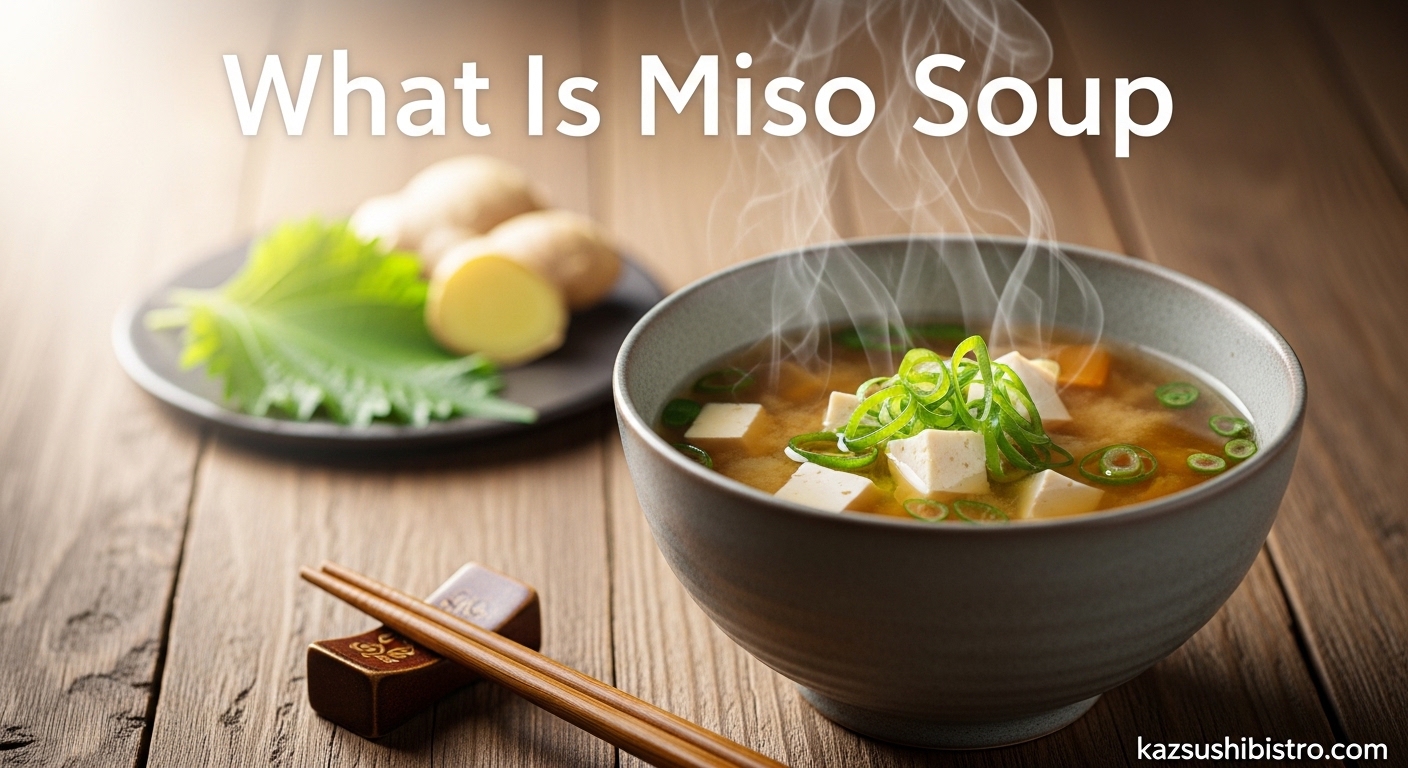
Miso soup is a traditional Japanese soup made from dashi stock and fermented miso paste, typically garnished with tofu, wakame seaweed, and green onions. Known in Japan as miso shiru (味噌汁), this comforting bowl has been a cornerstone of Japanese cuisine for over a thousand years. Whether you have encountered it at a sushi restaurant or seen it in anime, understanding what makes this simple soup so special opens a window into one of the world’s most healthful and ancient food traditions.
I still remember my first authentic bowl of miso soup at a small family restaurant in Kyoto. The steam carried this incredible savory aroma that I later learned was umami – the fifth taste that Japanese scientists identified. That bowl cost about $3, but the warmth and satisfaction it delivered felt priceless.
In this guide, we will explore everything about miso soup: its essential ingredients, the different types of miso paste, proven health benefits, and exactly how to make it at home. You will also learn why millions of Japanese people start their day with this probiotic-rich soup and how to incorporate it into your own routine.
Table of Contents
What Is Miso Soup 2026
Miso soup is a fundamental Japanese dish consisting of two primary components: dashi (a savory soup stock) and miso paste (a fermented soybean seasoning). The combination creates a deeply flavorful, nourishing broth that serves as the foundation of the traditional Japanese meal structure.
The concept of ichiju-sansai (一汁三菜) explains miso soup’s cultural importance. This phrase means “one soup, three dishes” and describes the traditional Japanese meal format: a bowl of soup, a main dish, and two side dishes, all served with rice and pickles. Miso soup is literally the “one soup” that anchors every balanced Japanese meal.
At its core, miso soup represents the Japanese culinary philosophy of simplicity and balance. It transforms humble ingredients – water, soybeans, salt, and kelp – into something complex and deeply satisfying through the magic of fermentation and proper technique.
The Two Essential Building Blocks
Every authentic miso soup begins with dashi. This Japanese soup stock provides the umami backbone that makes miso soup distinctive from other broths. Traditional dashi combines kombu (dried kelp) and katsuobushi (dried bonito flakes), though vegetarian versions use kombu alone or add dried shiitake mushrooms.
The second building block is miso paste itself. This fermented mixture of soybeans, salt, and koji culture (a fermentation starter) develops over months or even years. The fermentation process creates enzymes, probiotics, and that signature savory depth that defines miso soup’s character.
Key Ingredients in Miso Soup
Understanding miso soup ingredients means recognizing two categories: the essentials that define the soup itself, and the common additions that transform it into a complete dish. Let me break down both groups based on what I have learned from Japanese cooking classes and countless home preparations.
The Foundation: Dashi Stock
Kombu (dried kelp) provides the mineral-rich base of dashi. This seaweed contains natural glutamates that deliver pure umami. When heated gently in water, kombu releases a clear, golden broth with subtle ocean sweetness.
Katsuobushi (dried bonito flakes) adds the second layer of complexity. These paper-thin shavings of fermented, smoked, and dried skipjack tuna bring a smoky, meaty depth to the stock. When kombu and katsuobushi combine, they create Awase dashi – the most common dashi variety for miso soup.
For vegetarian or vegan miso soup, omit the katsuobushi and enhance the kombu dashi with dried shiitake mushrooms. The resulting broth maintains that essential umami quality without any animal products.
The Soul: Miso Paste
Miso paste comes in dozens of varieties across Japan, but most fall into three color categories: white (shiro), red (aka), and mixed (awase). The color indicates fermentation time, salt content, and flavor intensity. I will detail these differences in the next section.
Quality matters significantly with miso paste. Artisanal miso, aged in wooden barrels for months or years, develops nuanced flavors that mass-produced versions cannot replicate. However, even decent supermarket miso creates satisfying soup when prepared with care.
Common Additions
Most miso soup contains tofu, typically the silky kinugoshi variety that melts pleasantly on your tongue. Some prefer momen (firm) tofu for more texture. Both absorb the broth’s flavor beautifully.
Wakame seaweed adds another layer of ocean flavor and valuable minerals. This slightly sweet, tender seaweed rehydrates instantly in hot soup. A little goes a long way – too much wakame makes the soup overly slippery.
Negi (Japanese green onions) provide fresh sharpness that balances the fermented depth. The white portions add subtle sweetness when simmered briefly, while the green tops add color and bite as a garnish.
Other popular additions include:
- Nameko mushrooms: Small, gelatinous mushrooms with a distinctive texture
- Shiitake mushrooms: Earthy, meaty additions particularly good in winter
- Daikon radish: Adds sweetness and crunch, excellent for digestion
- Abura-age: Fried tofu puffs that absorb broth like sponges
Types of Miso Paste
The type of miso paste you choose dramatically affects your soup’s flavor, color, and saltiness. After experimenting with different varieties during my own kitchen tests, I have found that each type serves different purposes and palates.
White Miso (Shiro Miso)
Shiro miso contains the highest proportion of rice to soybeans and undergoes the shortest fermentation period – typically 2 to 8 weeks. The result is a pale beige paste with a mild, slightly sweet flavor and lower salt content.
This variety works beautifully for light, delicate soups and for those new to miso. I recommend shiro miso for breakfast miso soup or when serving children. It also makes excellent dressings and marinades beyond soup applications.
Red Miso (Aka Miso)
Aka miso ferments longer – anywhere from several months to over a year. The extended aging develops darker color, saltier taste, and more intense, complex flavors. Some red miso varieties age for 3+ years, creating almost cheese-like depth.
This robust miso stands up to hearty additions like mushrooms, root vegetables, or pork (in tonjiru). It delivers that assertive miso flavor that many Westerners associate with restaurant miso soup. However, the salt content runs high, so use sparingly.
Yellow/Mixed Miso (Awase Miso)
Awase miso blends white and red varieties, creating a balanced middle ground. The flavor offers complexity without overwhelming saltiness, making it the most versatile choice for everyday cooking.
Many Japanese households keep awase miso as their standard pantry miso. It works well with most additions and pleases varied palates. If you are buying just one miso type, awase offers the best all-around utility.
Regional Varieties Worth Exploring
Beyond these three main categories, Japan produces dozens of regional miso styles. Hatcho miso from Aichi prefecture uses only soybeans and salt, no rice, creating an intensely dark, thick paste. Inaka miso (country miso) includes barley, adding nuttiness. Sendai miso from northern Japan develops particularly rich, meaty flavors through long fermentation in cold climates.
What Does Miso Soup Taste Like
Describing miso soup’s taste requires understanding umami – the savory fifth taste beyond sweet, sour, salty, and bitter. Umami literally means “delicious essence” in Japanese, and miso soup delivers it in abundance.
The primary flavor is deeply savory and satisfying, with toasty, almost caramelized notes from the fermented miso. Depending on the type, you might detect sweetness (white miso), sharp saltiness (red miso), or balanced complexity (mixed miso). The dashi contributes subtle ocean and smoke undertones.
Texture plays a crucial role too. Silken tofu melts into creamy softness. Wakame provides slight chewiness. The broth itself feels light yet coating on the tongue – comforting without heaviness. This combination explains why miso soup makes you feel nourished rather than full.
Forum discussions consistently describe the experience as “comforting,” “warming,” and “somehow deeply satisfying despite its simplicity.” Many users note that they crave miso soup when feeling under the weather, similar to how Westerners crave chicken soup.
Health Benefits of Miso Soup
The question “is miso soup actually good for you?” appears constantly in search queries and forum discussions. The answer is yes – with some important caveats about sodium content and preparation methods. Japanese research consistently supports miso soup’s status as a functional food.
Probiotic and Digestive Benefits
Because miso undergoes fermentation with koji culture, it contains live probiotic bacteria – provided you do not boil it. These beneficial microbes support gut health, aid digestion, and may strengthen immune function. Regular miso soup consumption correlates with improved digestive comfort in multiple population studies.
The fermentation process also creates enzymes that help break down proteins and carbohydrates. This predigestion makes miso soup particularly easy to absorb, explaining why many people find it soothing when recovering from illness.
Complete Protein Source
Miso paste contains all 20 essential amino acids, making it a complete protein despite being plant-based. Combined with tofu (another complete protein), miso soup delivers substantial protein nutrition in a light, low-calorie format.
For vegetarians and vegans, this protein completeness matters significantly. Few plant-based foods provide all essential amino acids in one serving. Miso soup offers this benefit in an easily digestible form.
Vitamins and Minerals
Miso soup provides notable B12 vitamins, rare in plant-based foods. This vitamin typically comes from animal sources, but fermentation creates it in miso paste. B12 supports nerve function and red blood cell formation.
The seaweed components (kombu and wakame) deliver iodine, essential for thyroid health. Dashi also contributes minerals including calcium, magnesium, and potassium. Tofu adds iron and additional calcium.
Antioxidant and Heart Health
Research from the National Cancer Center of Japan suggests regular miso soup consumption may correlate with reduced stomach cancer risk, though studies remain ongoing. The antioxidants in miso paste combat oxidative stress.
Some studies indicate miso soup may help lower bad cholesterol and reduce heart rate without affecting blood pressure negatively. These findings align with Japan’s low heart disease rates relative to Western countries.
Sodium Considerations
The primary health concern with miso soup is sodium content. Red miso varieties can contain significant salt, and daily consumption requires awareness of overall salt intake. However, research suggests that miso’s potassium and other minerals may partially offset sodium’s negative effects compared to pure salt consumption.
For sodium-conscious individuals, choose white miso (lower salt), use less paste per bowl, and balance with potassium-rich additions like wakame. Daily consumption remains healthy for most people when overall diet stays balanced.
How to Make Miso Soup at Home
Making authentic miso soup at home requires attention to technique rather than complex ingredients. After years of preparing this soup – including plenty of early mistakes like boiling the miso – I have refined a reliable method that produces restaurant-quality results.
Step 1: Prepare the Dashi (10 minutes)
Combine 4 cups of cold water and a 4-inch piece of kombu in a pot. Let it soak for 10 minutes, then heat over medium until small bubbles appear at the edges. Remove the kombu before the water boils – boiling kombu creates bitterness and sliminess.
Bring the kombu broth to a gentle boil, then add a generous handful of katsuobushi. Simmer for 30 seconds, then remove from heat. Let the flakes settle for 2 minutes, then strain through a fine mesh sieve. Your dashi is ready.
For vegetarian dashi, skip the katsuobushi and add 2-3 dried shiitake mushrooms when heating the kombu. Remove both before proceeding.
Step 2: Prepare the Solid Ingredients
While the dashi develops, prepare your additions. Cut half a block of silken tofu into 1/2-inch cubes. Rehydrate 1 tablespoon of dried wakame in warm water for 5 minutes, then drain. Slice 2 green onions thinly, separating white and green portions.
If using other vegetables like daikon or mushrooms, cut them into bite-sized pieces. Hard vegetables need brief cooking in the dashi before adding miso.
Step 3: Cook the Solid Ingredients
Return your dashi to medium heat. Add any hard vegetables first and simmer until just tender – about 3 minutes for daikon, 2 minutes for mushrooms. Add the tofu and wakame, plus the white portions of green onion. Simmer gently for 1 minute.
The goal is to heat these ingredients through without vigorous boiling. Aggressive bubbling damages the delicate tofu texture and can make wakame tough.
Step 4: Add the Miso (The Critical Step)
Remove the pot from heat. This step matters enormously – never boil miso paste. High temperatures kill the beneficial probiotics and create harsh, bitter flavors. The soup should be hot but not boiling when miso joins the pot.
Ladle about 1/2 cup of warm broth into a small bowl. Add 2-3 tablespoons of miso paste and whisk until completely smooth. This prevents lumps of undissolved miso in your finished soup.
Pour the dissolved miso back into the pot and stir gently. Taste and adjust – you want savory depth without overwhelming saltiness. Add more dissolved miso if needed, 1 teaspoon at a time.
Step 5: Serve Immediately
Ladle the soup into small bowls, making sure each gets tofu, wakame, and broth. Garnish with the green onion tops. Serve immediately while hot.
Traditional Japanese restaurants serve miso soup at approximately 167°F (75°C). This temperature preserves the probiotic benefits while delivering satisfying warmth. Consuming immediately also preserves the delicate aromatics that dissipate as the soup cools.
Storage and Reheating
Leftover miso soup stores in the refrigerator for 2-3 days. When reheating, warm gently over medium-low heat without boiling. Many Japanese families intentionally leave solid ingredients separate from the broth for storage, adding miso only when serving.
For instant gratification, dashi can be prepared in large batches and frozen in portions. Simply thaw, heat, add fresh ingredients and miso for quick weeknight soup.
History and Cultural Significance
Miso’s history stretches back over 2,500 years to ancient China, where fermented soybean pastes first developed. The technique traveled to Japan around the 7th century CE, likely via Buddhist monks from Korea or China. Once in Japan, miso production evolved uniquely, becoming deeply embedded in the national cuisine.
During the Heian period (794-1185 CE), miso transformed from a luxury item to a staple across social classes. By the Edo period (1603-1868), regional miso varieties flourished, with different prefectures developing distinctive local styles based on climate, water quality, and available ingredients.
The tradition of daily miso soup consumption reflects practical wisdom. Before refrigeration, fermentation preserved soybeans while creating nutritional value. The daily bowl delivered probiotics, complete protein, and essential minerals in an easily digestible format. This tradition continues – millions of Japanese people still begin their day with miso soup, rice, and grilled fish.
The ichiju-sansai meal structure that centers miso soup also reflects traditional nutritional balance. The three dishes (main protein, vegetable side, and pickled or cooked vegetable) provide variety and completeness, while the soup offers hydration, warmth, and digestive support.
Popular Variations and Add-ins
Beyond the classic tofu and wakame combination, Japanese cuisine offers countless miso soup variations. These reflect seasonal ingredients, regional preferences, and personal creativity.
Seasonal Variations
Spring brings asari clam miso soup, using small clams that add ocean sweetness. Summer features light versions with fresh tofu and minimal additions. Autumn introduces hearty root vegetables like burdock and taro. Winter calls for tonjiru – pork miso soup with plenty of vegetables that warms you from within.
Regional Specialties
Hokkaido’s cold climate produces particularly rich miso soups with butter and corn – unusual additions that create creamy, sweet bowls. Kyoto, with its refined vegetarian traditions (shojin ryori), produces elegant clear miso soups featuring seasonal vegetables.
The southern island of Kyushu prefers lighter, clearer dashi with less miso intensity. Northern Tohoku region favors dark, hearty red miso soups that satisfy during long winters.
Vegan and Gluten-Free Considerations
Traditional miso soup easily adapts to vegan diets by using kombu-shiitake dashi and ensuring no hidden animal ingredients. However, some miso pastes contain wheat or barley, making them unsuitable for gluten-free diets. Look for genmai (brown rice) miso or 100% soybean miso to avoid gluten.
Always check labels carefully, as manufacturing practices vary. Many traditionally-made miso pastes contain only soybeans, rice, salt, and koji – naturally gluten-free and vegan.
Miso Soup Etiquette and Dining Customs
Understanding miso soup etiquette enhances the dining experience and shows respect for Japanese culinary culture. These customs developed over centuries and remain relevant today.
In Japan, you drink miso soup directly from the bowl rather than using a spoon. The bowls are sized specifically for this purpose. Lift the bowl with both hands, supporting the bottom with your non-dominant hand while drinking.
Chopsticks have specific roles with miso soup. Use them to pick up solid ingredients like tofu and wakame. It is perfectly acceptable to bring small pieces directly to your mouth with chopsticks. However, never pass food from chopsticks to chopsticks, and never stick chopsticks vertically into the rice or soup bowl – both gestures associate with funeral customs.
The bowl’s placement matters too. In a traditional meal, miso soup sits to your right, rice to your left. This arrangement follows centuries of dining convention.
When drinking, it is acceptable – even expected – to make gentle slurping sounds. Unlike Western customs where quiet eating shows manners, Japanese dining allows and encourages audible appreciation of hot soup. The sound indicates you are enjoying the food while it is at optimal temperature.
Frequently Asked Questions
Is miso soup actually good for you?
Yes, miso soup offers significant health benefits including probiotics for gut health, complete protein with all 20 amino acids, B12 vitamins, antioxidants, and minerals from seaweed. Regular consumption supports digestive health and immune function. The primary consideration is sodium content, so those monitoring salt intake should choose white miso and moderate portions.
What is miso soup made of?
Miso soup consists of two essential components: dashi stock and miso paste. Dashi is typically made from kombu (kelp) and katsuobushi (dried bonito flakes). Miso paste is a fermented mixture of soybeans, salt, and koji culture. Common additions include silken tofu, wakame seaweed, and green onions. Vegetarian versions use kombu and shiitake dashi instead of bonito.
What does a miso soup taste like?
Miso soup tastes deeply savory and umami-rich, with toasty, slightly sweet, and salty notes depending on the miso type. White miso creates milder, sweeter soup while red miso delivers bolder, saltier flavor. The dashi contributes subtle ocean and smoke undertones. The overall experience is comforting, warm, and deeply satisfying without heaviness.
Does miso soup help with radiation?
Some studies from Hiroshima and Nagasaki survivors suggested that regular miso soup consumption might offer radioprotective effects, possibly due to antioxidants and compounds that support cellular health. However, this remains an area of ongoing research rather than established medical fact. Miso soup’s verified benefits include probiotics, complete protein, and digestive support – these alone justify regular consumption.
Why is miso soup so healthy for you?
Miso soup is healthy because of five key factors: 1) Probiotics from fermentation support gut health and digestion, 2) Complete protein provides all essential amino acids, 3) B12 vitamins support nerve and blood health, 4) Antioxidants combat oxidative stress, and 5) Low calorie density delivers nutrition without weight gain. The combination makes it uniquely nutritious among comfort foods.
Is it healthy to drink miso soup daily?
Yes, daily miso soup consumption is healthy for most people and is actually traditional in Japan, where millions start their day with a bowl. The probiotic benefits require regular intake to maintain gut flora balance. Those monitoring sodium should choose white miso (lower salt) and moderate portion sizes. As part of a balanced diet, daily miso soup supports digestive health, provides complete protein, and delivers valuable minerals.
Why does miso soup make you feel so good?
Miso soup makes you feel good through multiple mechanisms: the warmth provides physical comfort, umami satisfaction triggers pleasure responses, probiotics support gut health (which influences mood through the gut-brain axis), the light nourishment satisfies without heaviness, and cultural associations with care and comfort enhance the experience. Many people specifically crave miso soup when feeling unwell or stressed.
Is miso soup ok for GERD?
Miso soup is generally okay for GERD and acid reflux when prepared properly. The key is avoiding boiling, which can increase acidity. Use mild white miso rather than salty red varieties, and serve at moderate temperature. The probiotics may actually support digestive health. However, individual responses vary, so those with severe GERD should consult their doctor and monitor personal tolerance.
Conclusion
What is miso soup? It is far more than a simple side dish at your local sushi restaurant. This ancient Japanese staple represents centuries of fermentation wisdom, delivering probiotics, complete protein, and deep satisfaction in every bowl. Whether you seek better gut health, a comforting meal, or connection to Japanese culinary tradition, miso soup offers remarkable value.
The beauty of miso soup lies in its accessibility. With just dashi, miso paste, and a few simple additions, you can create authentic, nourishing soup at home. The critical rules remain simple: never boil the miso, use quality ingredients, and serve immediately. Follow these guidelines, and you will understand why millions of Japanese people have treasured this daily ritual for generations.
I encourage you to begin your miso soup journey with white miso for its mild approachability, then experiment with different types and additions as your confidence grows. The perfect bowl awaits.