
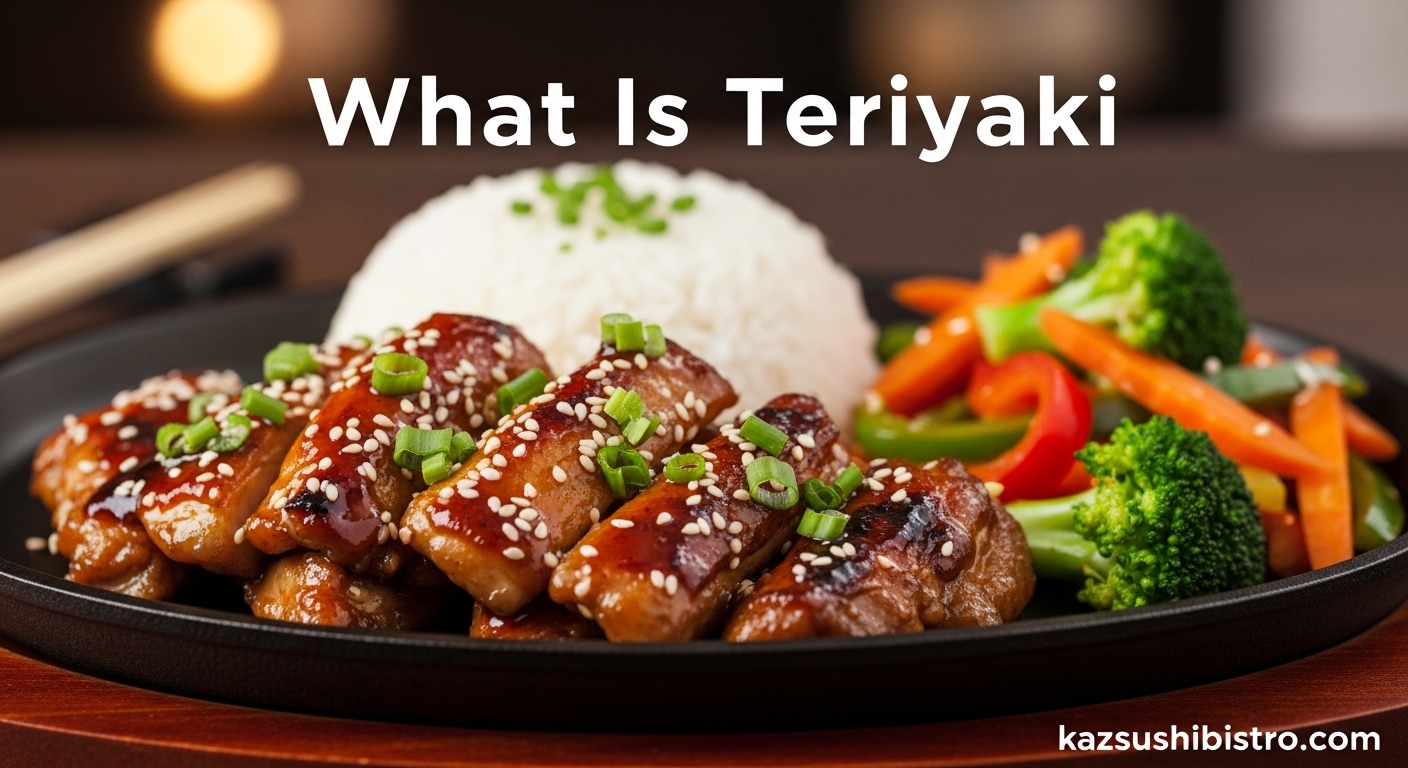
What is teriyaki? It is a classic Japanese cooking technique where foods are broiled or grilled with a glossy glaze made from soy sauce, mirin, and sugar. The word itself comes from two Japanese terms: teri meaning shine or luster, and yaki meaning grilled or broiled. I have spent years studying traditional Japanese cooking methods, and teriyaki remains one of the most misunderstood techniques in Western kitchens.
Many home cooks confuse teriyaki sauce with the actual cooking method. Store-bought bottles labeled teriyaki sauce are convenient, but they rarely capture the essence of authentic preparation. In this guide, I will explain what makes true teriyaki special, why the glossy finish matters, and how you can achieve restaurant-quality results in your own kitchen.
You will learn the exact ingredients needed, the step-by-step cooking process, the difference between Japanese and Western styles, and important health considerations for specific dietary needs. Whether you are new to Japanese cuisine or looking to refine your technique, this comprehensive guide will give you everything you need to master teriyaki.
Table of Contents
What Is Teriyaki 2026
Teriyaki is a cooking technique, not just a sauce. This distinction confuses many people who grew up with thick, bottled teriyaki sauce from grocery stores. Authentic teriyaki involves grilling or broiling protein while brushing it with a mixture called tare, which creates a caramelized, glossy coating.
The tare is the glaze itself, traditionally made from just four ingredients: soy sauce, mirin, sake, and sugar. As the protein cooks over high heat, you repeatedly baste it with this mixture. The sugars caramelize, the liquid reduces, and the result is that signature shiny, flavorful coating that defines teriyaki.
In Japan, when someone says they are making teriyaki, they are describing a verb (teriyaki suru) meaning to cook something in this specific way. The technique works because the high heat quickly sears the exterior while the basting liquid keeps the interior moist. Understanding this helps explain why authentic teriyaki tastes so different from meat simply covered in bottled sauce.
The Meaning Behind the Name
The name teriyaki breaks down into two distinct Japanese words that perfectly describe the result. Teri (照り) translates to shine, luster, or gloss. Yaki (焼き) refers to grilling, broiling, or roasting over direct heat.
Together, these words paint a clear picture: shiny grilled food. That distinctive gloss is not just for looks. It signals that the glaze has properly caramelized, creating a concentrated flavor and appealing texture. When you see that mirror-like sheen on teriyaki chicken at a quality Japanese restaurant, you are seeing the teri in action.
Japanese cooks have used this technique since at least the Edo period (1603-1868), originally with fish like yellowtail and mackerel. The Meiji era (1868-1912) saw teriyaki expand to include chicken and beef as Japanese cuisine evolved. Today, teriyaki represents one of Japan’s most recognized culinary exports.
Key Ingredients in Traditional Teriyaki
Authentic teriyaki requires only four core ingredients. Simple does not mean boring, though. Each component plays a crucial role in creating the balanced sweet-savory flavor that defines this cooking style.
Soy Sauce: This provides the salty, umami-rich base. Traditional Japanese soy sauce (shoyu) has a cleaner, more nuanced flavor than many American brands. The salt content helps penetrate the protein and enhances the natural meat or fish flavors.
Mirin: A sweet rice wine that adds complexity and helps create the glossy finish. Mirin contains about 14% alcohol and significant sugar content. It tenderizes protein while contributing a subtle sweetness that balances the soy sauce.
Sake: Japanese rice wine that adds depth and helps eliminate any fishy odors when cooking seafood. The alcohol cooks off during the high-heat process, leaving behind a mellow, aromatic quality.
Sugar: Usually granulated white sugar in traditional recipes, though some cooks use brown sugar for deeper caramel notes. The sugar is essential for creating that characteristic shine and helping the glaze thicken and adhere to the protein.
The classic ratio is equal parts soy sauce and mirin, with sake and sugar adjusted to taste. Many Japanese home cooks use 2:2:1:1 (soy:mirin:sake:sugar) as a starting point. You can adjust this based on your preference for sweetness or saltiness.
The Teriyaki Cooking Technique
Mastering teriyaki requires understanding the interaction between high heat and the basting liquid. The technique follows a specific sequence that transforms simple ingredients into something extraordinary.
Step 1: Prepare the tare. Mix your soy sauce, mirin, sake, and sugar in a small bowl. Stir until the sugar dissolves completely. Some cooks prefer to gently heat this mixture first to help the sugar melt and meld the flavors.
Step 2: Heat your cooking surface. Whether using a grill, broiler, or stovetop pan, you need high heat. Traditional Japanese cooking often uses charcoal for the best flavor, but a hot cast-iron skillet or grill pan works well at home.
Step 3: Sear the protein. Place your meat or fish on the hot surface without any sauce initially. Let it develop a light crust. This creates a foundation for the glaze to adhere to.
Step 4: Begin basting. Once the protein partially cooks, start brushing on the tare. Apply a thin layer, let it sizzle and reduce, then apply more. Repeat this process 3-4 times during cooking.
Step 5: Watch for the glaze. As the tare hits the hot surface, the sugars caramelize and the liquid reduces. The protein develops that signature shine. Be careful not to burn the sugars, which can happen quickly over high heat.
Step 6: Rest before serving. Let the finished teriyaki rest for 2-3 minutes. This allows the glaze to set and the juices to redistribute within the protein.
What Does Teriyaki Taste Like?
The flavor of authentic teriyaki balances four distinct taste elements. You experience saltiness from the soy sauce, sweetness from the mirin and sugar, subtle depth from the sake, and umami from the caramelization process.
The result is a complex sweet-savory profile that enhances rather than masks the natural flavor of the protein. Unlike heavily sauced dishes where the sauce dominates, teriyaki creates a thin, flavorful coating that complements. You taste the chicken, beef, or fish first, followed by the subtle glaze.
The texture also matters. Properly executed teriyaki has a slight tackiness from the reduced sugars, giving each bite a pleasant mouthfeel. The exterior should be glossy and slightly sticky, while the interior remains tender and juicy. That contrast between the caramelized outside and moist inside defines great teriyaki.
Popular Proteins for Teriyaki
While Americans often associate teriyaki with chicken, the technique traditionally began with fish. Japanese chefs choose proteins based on fat content and how well they pair with sweet-savory glazes.
Chicken (Tori Teriyaki): The most popular choice in the United States and increasingly common in Japan. Chicken thighs work better than breasts because their higher fat content stays moist under high heat. The mild flavor of chicken pairs perfectly with the tare.
Salmon (Sake Teriyaki): The rich, oily flesh of salmon stands up beautifully to the bold glaze. The natural oils in salmon also help create an even glossier finish. This combination highlights the traditional Japanese roots of teriyaki.
Yellowtail (Buri Teriyaki): Considered the premium fish for teriyaki in Japan. Yellowtail has a meaty texture and rich flavor that makes it ideal for grilling. High-end Japanese restaurants often feature buri teriyaki as a signature dish.
Beef (Gyu Teriyaki): Though not traditional in the same way as fish, beef teriyaki became popular during the Meiji era when Japan opened to Western influences. Thinly sliced beef cooks quickly and absorbs the glaze beautifully.
Mackerel (Saba Teriyaki): An oily fish that benefits from the sweet glaze to balance its strong flavor. Mackerel teriyaki represents classic Japanese home cooking, often served with rice and miso soup.
Tofu: For vegetarian applications, firm tofu works surprisingly well. Press the tofu first to remove excess moisture, then follow the same basting technique. The tare creates a delicious caramelized crust on the neutral protein.
Traditional Japanese vs Western Teriyaki
The teriyaki found in most American restaurants and grocery stores differs significantly from what you would find in Japan. Understanding these differences helps explain why homemade teriyaki often disappoints when following Western recipes.
Ingredient Complexity: Traditional Japanese teriyaki uses only soy sauce, mirin, sake, and sugar. Western versions often add garlic, ginger, sesame oil, pineapple juice, or vinegar. While these additions taste good, they move away from the pure essence of teriyaki.
Sauce Consistency: Japanese teriyaki glaze is thin and applied during cooking. Western bottled teriyaki sauce tends to be thick, sticky, and applied as a finishing sauce or marinade. The thick consistency comes from added cornstarch or excessive sugar.
Sweetness Level: Authentic teriyaki balances sweet and savory subtly. Many Western versions lean heavily sweet, sometimes using honey or brown sugar as primary ingredients. This creates a different flavor profile that can overwhelm the protein.
Cooking Method: Traditional teriyaki cooks quickly over high heat, building the glaze through repeated basting. Western approaches often involve marinating then baking or slow-cooking, which produces different textures and flavors.
Seattle Teriyaki Culture: Seattle developed a unique teriyaki culture starting in 1976 when Toshi’s Teriyaki opened. Seattle-style teriyaki features charbroiled chicken thighs, a sweeter sauce, and is served with salad and rice. This distinct regional variation has spread across the Pacific Northwest.
Hawaiian Teriyaki: Hawaii adapted teriyaki through its plate lunch culture, often featuring beef teriyaki with local touches. The Hawaiian version sometimes includes pineapple or other tropical influences, reflecting the islands’ multicultural food heritage.
Teriyaki vs Hibachi vs Other Japanese Styles
Japanese restaurant menus often feature multiple cooking styles that confuse diners. Understanding the differences helps you order what you actually want.
Teriyaki: As covered in this guide, teriyaki involves grilling with a sweet-savory glaze. The protein develops a glossy, caramelized exterior. The cooking happens relatively quickly over high heat with active basting.
Hibachi: Hibachi refers to cooking over a charcoal brazier or griddle. The term literally means fire bowl. Hibachi-style cooking in restaurants typically involves a flat-top grill where chefs cook meat, vegetables, and rice together. Unlike teriyaki, hibachi does not use a sweet glaze as its defining characteristic.
Yakitori: This technique specifically means grilled chicken skewers (yaki = grilled, tori = chicken). While yakitori can use tare sauce similar to teriyaki, it focuses exclusively on skewered chicken pieces cooked over charcoal. The sauce is often applied differently, and the presentation is always on skewers.
Tempura: Completely different from teriyaki, tempura involves battering and deep-frying seafood or vegetables. There is no grilling involved, and the result is crispy rather than glazed.
Teppanyaki: Often confused with hibachi, teppanyaki involves cooking on a flat iron griddle. Benihana and similar restaurants use teppanyaki style. Like hibachi, this is about the cooking surface rather than a specific sauce or glaze.
Health Considerations
Forum discussions reveal that many people have questions about teriyaki and specific health conditions. Here is what you need to know about enjoying teriyaki with dietary restrictions.
GERD and Acid Reflux: Traditional teriyaki contains soy sauce and sake, which can trigger acid reflux in sensitive individuals. The high sodium content may also cause issues. However, you can make GERD-friendly teriyaki by using low-sodium soy sauce and omitting the sake. Some home cooks substitute a small amount of apple cider vinegar for the acidic tang without the alcohol.
Diabetes Considerations: Standard teriyaki contains sugar from both the added sugar and the mirin. For diabetic-friendly versions, use sugar alternatives like monk fruit or erythritol. You can also reduce the amount of mirin and compensate with additional low-sodium soy sauce. The key is monitoring the carbohydrate content of your glaze.
Sodium Content: Soy sauce is high in sodium. One tablespoon contains about 900mg of sodium. For low-sodium diets, use reduced-sodium soy sauce and balance the flavor with extra mirin and fresh aromatics like green onions.
Gluten Concerns: Traditional soy sauce contains wheat. For gluten-free teriyaki, substitute tamari (wheat-free soy sauce) or coconut aminos. Both work well in the tare, though coconut aminos produces a slightly sweeter, less salty result.
Calorie Awareness: The glaze itself adds minimal calories, about 30-40 per serving. The protein choice matters more. Chicken teriyaki made with thighs has about 200 calories per 4-ounce serving before the glaze. Salmon teriyaki runs closer to 240 calories for the same portion.
Tips for Perfect Teriyaki at Home September 2026
Based on my experience and insights from cooking forums, here are practical tips to elevate your homemade teriyaki.
Use high heat and do not rush the searing. The initial sear creates the foundation for glaze adhesion. If the surface is wet or undercooked, the tare will slide off rather than caramelize.
Watch carefully during the final basting stages. The sugars in the glaze can burn within seconds over high heat. Keep your brush moving and remove the protein immediately if you see smoke.
Rest your protein after cooking. This 2-3 minute rest allows the glaze to set and prevents the juices from running out when you cut into the meat. The result is more flavorful, moister teriyaki.
Make the tare ahead of time. Letting the mixture sit for an hour allows the flavors to meld. Some Japanese cooks prepare tare in batches and store it refrigerated for up to two weeks.
Experiment with protein thickness. Thinner cuts cook faster and glaze more intensely. Thicker cuts require lower heat initially, then finishing with high heat and basting. Adjust your technique based on what you are cooking.
Frequently Asked Questions
What is teriyaki made of?
Traditional teriyaki is made from four core ingredients: soy sauce, mirin (sweet rice wine), sake (rice wine), and sugar. These are combined to create a glaze called tare that is brushed onto protein while grilling or broiling.
What is teriyaki flavor like?
Teriyaki has a balanced sweet-savory flavor with umami depth from the soy sauce and caramelized sugars. The taste is subtle rather than overwhelming, enhancing the natural flavor of the protein rather than masking it.
Is teriyaki okay for GERD?
Traditional teriyaki may trigger GERD symptoms due to soy sauce and sake. However, you can make GERD-friendly versions using low-sodium soy sauce and omitting the sake. Some cooks substitute small amounts of apple cider vinegar for acidity without alcohol.
Is teriyaki chicken or meat?
Teriyaki is neither chicken nor meat—it is a cooking technique. You can make teriyaki chicken, beef, salmon, yellowtail, mackerel, or even tofu. The term describes how the food is prepared with a sweet-savory glaze, not the protein itself.
What’s the difference between hibachi style and teriyaki style?
Teriyaki involves grilling protein with a sweet-savory glaze that creates a glossy finish. Hibachi refers to cooking over a charcoal brazier or griddle without the defining sweet glaze. Hibachi focuses on the cooking surface, while teriyaki focuses on the glazing technique.
Can diabetics have teriyaki?
Yes, diabetics can enjoy teriyaki with modifications. Use sugar alternatives like monk fruit or erythritol instead of regular sugar. Reduce the mirin and increase low-sodium soy sauce. Monitor the carbohydrate content of your glaze to fit your dietary needs.
Conclusion
What is teriyaki? It is a cooking technique that transforms simple ingredients into glossy, flavorful dishes through the careful application of heat and a sweet-savory glaze. Understanding teriyaki as a method rather than just a sauce opens up new possibilities in your kitchen.
The beauty of teriyaki lies in its simplicity. Four ingredients, high heat, and attention to timing create something far greater than the sum of its parts. Whether you choose chicken, salmon, beef, or tofu, the technique remains the same. Baste, caramelize, and achieve that signature shine.
I encourage you to try authentic teriyaki at home. Start with the traditional 2:2:1:1 ratio, use high heat, and resist the urge to add extra ingredients. Experience how Japanese cooks have prepared this dish for centuries. Once you taste true teriyaki, you will understand why this technique has endured and spread across the world.