
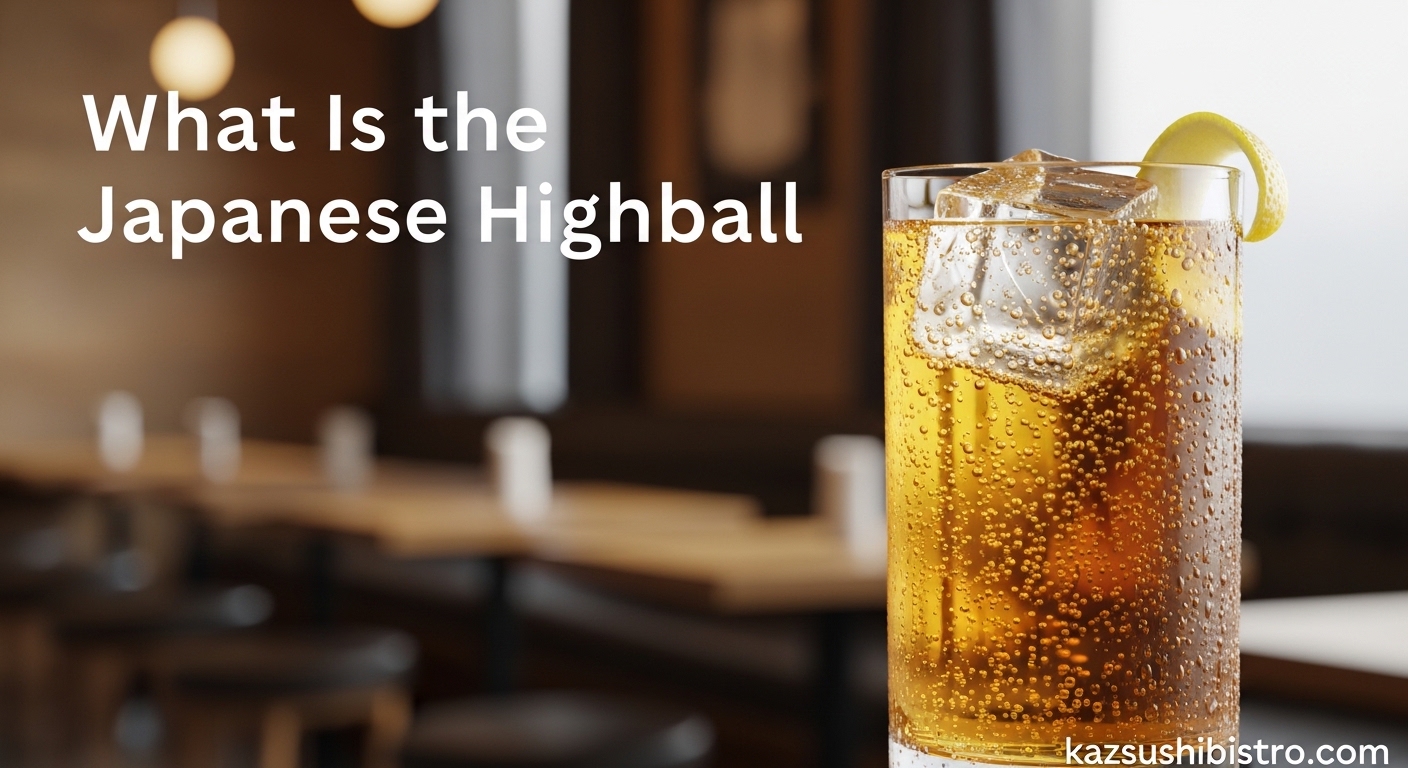
A Japanese highball is a minimalist cocktail made by mixing Japanese whisky with highly carbonated soda water, traditionally served in a 1:3 or 1:4 ratio over abundant clear ice with a lemon garnish. The drink emerged from post-war Japan in the 1950s when Suntory popularized the whisky soda as an accessible, refreshing way to enjoy their signature Kakubin whisky. Today, the highball represents a cultural approach to drinking that values precision, balance, and the delicate art of restraint.
In this guide, you will learn exactly what distinguishes a Japanese highball from a standard whiskey soda, why this simple two-ingredient cocktail demands careful technique, and how to recreate the izakaya experience in your own home. Our team has studied preparation methods from Tokyo’s finest bartenders and tested countless variations to bring you authentic insights into this beloved Japanese tradition.
Table of Contents
What Is the Japanese Highball?
The Japanese highball, known in Japan as haibōru, is deceptively simple yet remarkably precise. At its foundation, the drink consists of just two core ingredients: Japanese whisky and sparkling water or soda water. The magic lies in the execution—the ratio, the ice, the carbonation, and the gentle technique used to combine them.
Traditional Japanese highballs follow a 1:3 or 1:4 ratio, meaning one part whisky to three or four parts soda water. This creates a light, sessionable drink with an alcohol content around 5-7%, comparable to beer or wine. The result is crisp, refreshing, and effervescent, allowing the subtle characteristics of the Japanese whisky to shine through without overwhelming the palate.
How Japanese Highballs Differ from Western Whiskey Sodas
While the whiskey soda exists in bars worldwide, the Japanese approach treats the highball as a craft cocktail requiring attention to detail. Western versions often use higher whisky proportions, creating a stronger drink that tastes primarily of whiskey with bubbles. The Japanese version prioritizes balance and delicacy, with the whisky and soda water working in harmony.
The choice of ingredients also sets the Japanese highball apart. Japanese whisky itself differs significantly from bourbon or Scotch, often featuring lighter, more delicate flavor profiles with notes of fruit, honey, or subtle smoke. When paired with high-quality, highly carbonated soda water, these characteristics create a drink that is simultaneously simple and sophisticated.
History and Origins: The Suntory Story 2026
The Japanese highball traces its commercial origins to the 1950s, when Suntory whisky company sought to expand whisky consumption beyond the elite classes in post-war Japan. The company began marketing whisky mixed with soda water as an approachable, refreshing option that paired well with the emerging izakaya culture.
Suntory’s signature Kakubin whisky, recognizable by its distinctive tortoiseshell-patterned bottle, became the foundation of what Japanese drinkers call the “Kaku High.” This specific preparation—Kakubin whisky with soda water—remains the standard by which all Japanese highballs are measured in Japan, though the drink has since evolved to include various Japanese whisky expressions.
Why Is It Called a Highball?
The term “highball” predates the Japanese version by decades, originating in American bar culture around the late 19th century. One theory suggests the name came from the practice of serving drinks in tall glasses in railroad dining cars, where balls on sticks indicated the strength of drinks to passengers. Another theory points to the “ball” of ice at the bottom of a tall (high) glass.
When Suntory adopted the term in Japan, they used the English word directly, pronouncing it “haibōru” in Japanese katakana. The name stuck, and today it specifically refers to the whisky and soda preparation that has become synonymous with Japanese drinking culture.
What Makes Japanese Whisky Different?
Japanese whisky is often described as smoother and more delicate than bourbon or even many Scotch varieties. This characteristic makes it particularly suited for highballs, where aggressive flavors would clash with the subtle effervescence of soda water. Japanese distilleries typically employ techniques that emphasize refinement and balance over bold intensity.
While bourbon must contain at least 51% corn and often presents with sweet, vanilla-forward profiles, and Scotch carries the distinctive peaty or smoky notes of its Scottish origins, Japanese whisky occupies a middle ground of subtle complexity. Many expressions feature fruity, floral, or slightly smoky characteristics that translate beautifully when stretched with soda water.
Best Japanese Whiskies for Highballs
Suntory Toki has become the go-to recommendation for highball enthusiasts outside Japan, offering excellent value at around $35-40 per bottle with a light, sweet profile designed specifically for mixing. Suntory Kakubin, while difficult to find outside Japan, remains the classic choice among Japanese locals. For those seeking more complexity, Nikka From the Barrel at approximately $60 delivers a richer experience with honey and spice notes that hold up beautifully in a highball.
Other excellent options include Hakushu Distiller’s Reserve for a subtly smoky highball, Mars Iwai 45 for a budget-friendly entry point, and Yamazaki 12-year for special occasions when you want to showcase a premium whisky. The key is selecting a whisky you enjoy neat, as the highball preparation will amplify both its strengths and weaknesses.
How to Make the Perfect Japanese Highball?
Making a Japanese highball requires attention to detail at every step. The technique matters as much as the ingredients, and each element contributes to the final experience. Follow these steps to create an authentic Japanese highball at home.
Step 1: Chill Your Glass
Place your highball glass in the freezer for at least 10 minutes before preparation. A properly chilled glass maintains the carbonation longer and keeps your drink cold without excessive ice melt. In Japanese bars, bartenders often store glasses in dedicated freezers or chill them with ice water before building the drink.
Step 2: Add Clear Ice
Fill the chilled glass with clear ice cubes or a single large ice cube or sphere. The ice should come nearly to the top of the glass, leaving just enough room for your liquid ingredients. Abundant ice ensures slow dilution and maintains the proper temperature throughout the drinking experience.
Step 3: Pour the Whisky
Add 1.5 to 2 ounces (45-60ml) of Japanese whisky over the ice. The exact amount depends on your preferred strength and glass size, but 2 ounces represents the standard starting point. Pour slowly to minimize disturbing the ice and beginning the dilution process prematurely.
Step 4: Add Soda Water
Pour 6 to 8 ounces of highly carbonated soda water or sparkling water along the inside edge of the glass. Pouring down the side rather than directly onto the ice preserves more carbonation, creating the lively effervescence that defines a proper highball. Use a 1:3 or 1:4 ratio depending on your taste preference.
Step 5: Stir Gently
Using a long bar spoon, give the drink exactly one gentle stir from bottom to top. This combines the whisky and soda while incorporating minimal additional air. Over-stirring or vigorous stirring will release carbonation and dull the refreshing quality of the finished drink.
Step 6: Garnish with Lemon
Express the oils from a fresh lemon peel over the surface of the drink, then add the peel or a lemon wedge as garnish. Some variations use multiple lemon wedges for additional citrus brightness. The lemon oils add aromatic complexity and a subtle citrus note that complements the whisky.
Serve immediately and enjoy while the carbonation remains lively. A proper Japanese highball should taste crisp, refreshing, and perfectly balanced—not too strong, not too weak, with the whisky character present but integrated.
Why Ice Quality Matters
The obsession with ice in Japanese highball preparation is not mere pretension. Clear, dense ice melts significantly slower than cloudy, air-filled ice, preserving the drink’s strength and carbonation longer. When ice contains trapped air bubbles and impurities, it melts faster and releases water into your drink more quickly, diluting the delicate balance.
In Japan, high-end bars invest enormous effort into ice preparation, sometimes freezing large blocks and hand-cutting individual cubes with specialized tools. The resulting ice is crystal clear and exceptionally dense, allowing a single large cube to chill an entire highball with minimal dilution over 20-30 minutes of drinking.
Making Clear Ice at Home
Creating clear ice at home requires directional freezing—cooling water from one direction only so air bubbles escape rather than becoming trapped. The simplest method involves insulating the sides and bottom of a small cooler or container with foam, leaving only the top exposed to freezer air. As the water freezes from top to bottom, air escapes downward, leaving clear ice in the upper portion.
For most home highball enthusiasts, using standard ice from a quality ice maker works acceptably, especially when using abundant ice and drinking within a reasonable timeframe. The key is using enough ice to maintain temperature without rapid melting, and avoiding ice that has been sitting in a freezer long enough to absorb odors.
Japanese Highball Culture: Izakayas and Beyond
The Japanese highball is inseparable from izakaya culture, the casual pub-style restaurants where salarymen gather after work for drinks and shared plates of food. In these establishments, highballs serve as the perfect accompaniment to yakitori skewers, fried dishes, and savory snacks. The low alcohol content and crisp profile cleanse the palate between bites without overwhelming the food.
Japan’s love affair with highballs extends far beyond the izakaya. The drink’s popularity stems from its sessionable nature—lower alcohol means you can enjoy multiple rounds over an evening of conversation and eating. This social drinking tradition values moderation and sustained enjoyment over rapid intoxication.
Canned and Draft Highball Culture
One uniquely Japanese phenomenon is the proliferation of canned highballs, available in every convenience store (konbini) across the country. Brands like Suntory’s -196°C Strong Zero and various canned whisky highballs offer consistent quality and convenience for outdoor drinking, train travel, or casual home consumption. These canned versions typically contain 7-9% alcohol and come in various flavors including lemon, grapefruit, and ginger.
Highball machines resembling beer taps have also become common in Japanese restaurants, delivering perfectly mixed, highly carbonated draft highballs on demand. These systems maintain consistent ratios and optimal carbonation that home preparation sometimes struggles to match, explaining why many Japanese highball enthusiasts report the drink tastes better at bars than at home.
Food Pairing Recommendations
The Japanese highball pairs beautifully with salty, savory, and fried foods. Classic combinations include yakitori (grilled chicken skewers), karaage (Japanese fried chicken), edamame, agedashi tofu, and tempura. The carbonation and acidity cut through richness while the whisky notes complement umami flavors.
In Western contexts, try pairing highballs with potato chips, olives, charcuterie, or anything you might serve with beer or white wine. The versatility of the highball makes it an excellent aperitif or throughout-the-meal beverage.
Variations and Expert Tips
While the classic whisky and soda highball remains the standard, Japanese bartenders and home enthusiasts have developed several beloved variations worth exploring.
Kaku High
The Kaku High specifically uses Suntory Kakubin whisky and represents the foundational Japanese highball experience. Some purists insist Kakubin must be stored in the freezer before use, creating an extra-cold base that maintains carbonation longer when mixed with refrigerated soda water.
Ginger Highball
Substituting ginger ale or adding a splash of ginger syrup creates a spicy variation that complements the whisky’s warmth. This variation works particularly well with slightly peatier Japanese whiskies like Hakushu. Fresh grated ginger added to the glass before pouring adds aromatic complexity.
Lemon Highball
Adding extra lemon—sometimes three or four wedges—to the standard preparation creates a brighter, more citrus-forward drink. Some preparations muddle lemon wedges gently at the bottom of the glass before adding ice and liquids. This variation especially suits summer drinking and lighter Japanese whisky expressions.
Mizuwari Comparison
The mizuwari is a related Japanese whisky cocktail using water instead of soda water, creating a still rather than sparkling drink. While the highball offers refreshment and effervescence, the mizuwari provides a contemplative sipping experience that emphasizes the whisky’s subtle characteristics. Both drinks share the same commitment to precision, quality ice, and proper ratios.
Troubleshooting Common Mistakes
If your highball tastes too weak, try reducing the soda ratio to 1:2 or using a more assertive whisky. If it tastes too strong or harsh, increase the soda proportion or check your soda water’s carbonation level—flat soda ruins a highball. If the drink seems watery, you likely need more ice or faster consumption before excessive melting occurs.
A common beginner mistake is over-stirring, which releases carbonation and creates a flat, lifeless drink. Remember: one gentle stir is sufficient. Another error is using room-temperature ingredients, which rapidly melts ice and dilutes the drink before you can enjoy it properly.
Frequently Asked Questions
What makes a Japanese highball?
A Japanese highball is made with Japanese whisky, highly carbonated soda water, clear ice, and a lemon garnish. The traditional ratio is 1:3 or 1:4 whisky to soda water. The preparation requires attention to ice quality, gentle stirring technique, and properly chilled ingredients to create a crisp, refreshing, sessionable cocktail.
Is Japanese whiskey smoother than bourbon?
Japanese whisky is generally considered smoother and more delicate than bourbon. While bourbon must contain at least 51% corn and often presents bold, sweet, vanilla-forward flavors, Japanese whisky typically emphasizes balance, subtlety, and refined character. This smoothness makes Japanese whisky particularly suited for highballs, where aggressive flavors would clash with the delicate soda water.
Why do they call it highball?
The term highball originated in American bar culture in the late 19th century, possibly referring to drinks served in tall (high) glasses with a ball of ice. When Suntory popularized the whisky soda in 1950s Japan, they adopted the English term, which became haibōru in Japanese. Today, highball specifically refers to the whisky and soda preparation that dominates Japanese drinking culture.
Why do Japanese like highball so much?
Japanese people love highballs because they offer a sessionable, food-friendly drinking option perfect for izakaya culture and social occasions. The low alcohol content (5-7%) allows extended drinking over meals and conversation without rapid intoxication. Highballs also pair exceptionally well with Japanese cuisine, cleansing the palate between bites of rich or savory foods.
Why does Japan love highballs?
Japan’s love for highballs stems from their versatility, accessibility, and cultural fit with izakaya dining traditions. The drink is refreshing, affordable when made with reasonably priced whisky, and suitable for any occasion from casual convenience store purchases to sophisticated bar experiences. Canned and draft highball availability has further cemented the drink as a national staple.
What is the difference between a highball and a highball in Japan?
A standard Western whiskey soda typically uses a higher whisky proportion, creating a stronger drink where whiskey dominates. The Japanese highball emphasizes balance and delicacy with a 1:3 or 1:4 ratio, premium ingredients, attention to ice quality, and gentle preparation technique. The result is a lighter, more refreshing, food-friendly cocktail rather than simply diluted whiskey.
How to drink Japanese highball?
Drink a Japanese highball immediately after preparation while carbonation remains lively. Take small sips to appreciate the balance between whisky character and refreshing effervescence. The drink works well as an aperitif, with meals (particularly Japanese cuisine like yakitori or fried foods), or as a sessionable evening beverage. Serve in a tall highball glass with plenty of ice and a lemon garnish for the authentic experience.
Conclusion
The Japanese highball represents far more than a simple whisky and soda. It embodies a philosophy of drinking that values precision, balance, and the pursuit of perfection in even the simplest preparations. From its origins in 1950s Japan to its current status as a global cocktail phenomenon, the highball demonstrates how thoughtful technique can elevate two basic ingredients into something truly special.
Whether you are new to Japanese whisky or a seasoned enthusiast, mastering the highball opens doors to appreciating Japanese drinking culture and enjoying one of the most refreshing cocktails ever created. Start with a quality Japanese whisky like Toki or Nikka From the Barrel, practice your ice and stirring technique, and discover why millions of Japanese drinkers choose the highball as their daily drink.
What Is the Japanese Highball? It is precision in a glass, culture in every sip, and proof that the simplest cocktails often require the most respect.