
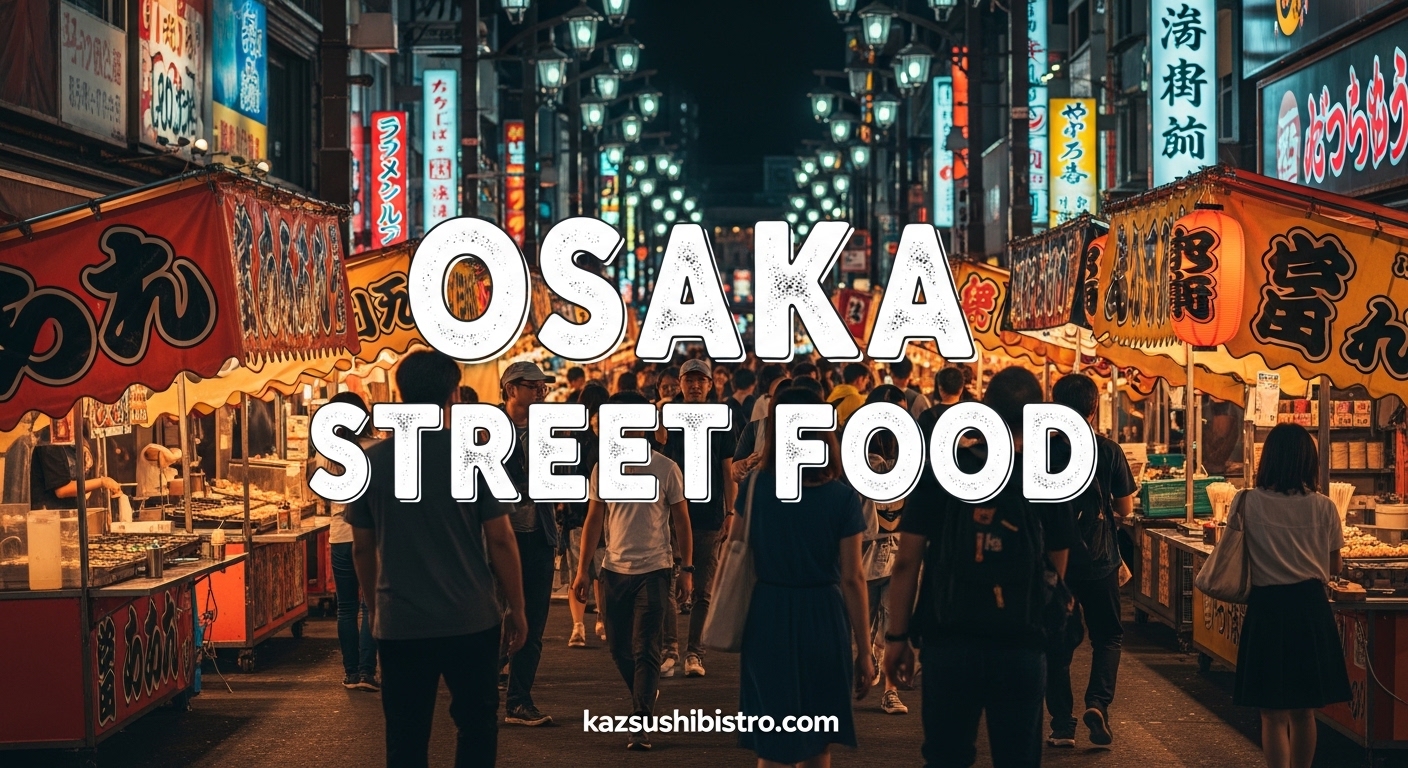
I spent three weeks eating my way through Osaka, and I can tell you this: no other city in Japan treats food with the same passionate intensity. Osaka street food isn’t just sustenance here – it’s a way of life. The locals have a word for it: kuidaore, which roughly translates to “eat until you drop.”
Osaka has earned its nickname as Japan’s Kitchen for good reason. As a historic trading hub, the city developed a culture where merchants demanded delicious, affordable food served quickly. That tradition lives on today in the sizzling takoyaki pans of Dotonbori, the smoky grills of Kuromon Market, and the retro kushikatsu shops of Shinsekai.
In this guide, I will walk you through everything you need to know to experience Osaka street food like a local. You will discover the iconic dishes that define the city, the best neighborhoods to explore, practical etiquette tips most tourists miss, and even options for vegetarian travelers. Whether you are planning your first trip to Japan or returning for another taste, this guide will help you navigate Osaka’s incredible food scene with confidence.
Table of Contents
Osaka Street Food at a Glance
Before diving into the details, here is a quick overview of what you need to know about Osaka street food in 2026:
The Big Three Must-Eat Foods:
- Takoyaki – Wheat flour balls filled with diced octopus, cooked in special molded pans and topped with savory sauce and dancing bonito flakes
- Okonomiyaki – Savory cabbage pancakes grilled on a teppan and customized with your choice of proteins and toppings
- Kushikatsu – Skewered meat, vegetables, and seafood coated in panko breadcrumbs and deep-fried to golden perfection
Other Street Foods Worth Seeking Out:
- Kitsune udon – Sweet fried tofu resting on thick wheat noodles in dashi broth
- Taiyaki – Fish-shaped cakes filled with red bean paste, custard, or chocolate
- Ikayaki – Whole squid grilled on skewers and glazed with sweet soy
- Yakitori – Grilled chicken skewers in various cuts and preparations
- Daifuku mochi – Soft rice cakes stuffed with sweet fillings
Best Districts for Street Food:
- Dotonbori – The neon-lit entertainment district with the famous Glico running man
- Kuromon Market – Covered market known as “Osaka’s Kitchen” for fresh seafood
- Shinsekai – Retro district with the best kushikatsu and nostalgic Showa-era atmosphere
- Hozenji Yokocho – Historic alleyway with traditional izakaya and atmospheric dining
Typical Price Range: 300-800 yen per item ($2-6 USD). A full day of street food eating costs between 3,000-7,000 yen depending on your appetite and choices.
Understanding Kuidaore: Osaka’s Food Philosophy 2026
To truly appreciate Osaka street food, you need to understand kuidaore. This concept goes beyond simple gluttony. It represents a cultural commitment to enjoying food so thoroughly that you spend your last yen on one more delicious bite.
Osaka’s position as a historical commercial hub shaped this philosophy. During the Edo period, the city served as Japan’s distribution center for rice, produce, and seafood from across the country. Merchants and workers needed quick, affordable, and satisfying meals between deals. This demand created a food culture that prioritizes flavor over formality, generosity over austerity, and accessibility over exclusivity.
Unlike Tokyo’s refined kaiseki traditions or Kyoto’s temple cuisine, Osaka food is unpretentious and hearty. You will find no Michelin-starred temples of gastronomy on these streets. Instead, you find yatai (street stalls) where the cook has perfected one dish over decades, serving it to factory workers, office employees, and tourists with equal enthusiasm. That democratic spirit defines kuidaore. Everyone deserves to eat until they drop.
The Big Three: Osaka’s Iconic Street Foods
Every Osakan has opinions about where to find the best versions of these three dishes. After eating at over thirty vendors during my research, here is what you need to know about each one.
Takoyaki: The Octopus Ball That Defines Osaka
Takoyaki stands as Osaka’s most recognizable street food export. These wheat flour-based batter balls, cooked in special half-sphere molds and filled with diced octopus, appear at every festival, sporting event, and street corner across Japan. But they taste different here in their birthplace.
The magic happens on specialized takoyaki pans with dozens of half-sphere indentations. Vendors pour batter into each hole, add chunks of tender octopus, then use skewers to rotate the balls as they cook. The result is a crispy exterior giving way to a molten, almost liquid center. Fresh from the pan, they are too hot to eat immediately – locals call this the “takoyaki dance” as they juggle the hot balls between their hands.
Traditional toppings include takoyaki sauce (similar to Worcestershire but thicker and sweeter), Japanese mayonnaise, aonori (green seaweed flakes), and katsuobushi (dried bonito flakes that appear to dance from the heat). Some vendors offer variations with cheese, negi (green onions), or mentaiko (spicy cod roe).
Where to try it: The takoyaki shops along Dotonbori’s main drag offer the most theatrical experience, with giant octopus models hanging above the stores. For better quality at similar prices, I recommend the stands near Nakano Station in Shinsekai or the vendors at Kuromon Market.
Price: 400-600 yen for 6-8 pieces ($3-4 USD)
Okonomiyaki: The Savory Pancake You Customize
Okonomiyaki translates literally to “grilled as you like it,” and that freedom defines the experience. This savory pancake combines wheat flour batter with shredded cabbage, eggs, and your choice of protein – pork belly, shrimp, squid, or even cheese and mochi for modern variations.
Osaka-style okonomiyaki differs significantly from Hiroshima’s version. In Osaka, chefs mix all ingredients into the batter before pouring it onto the teppan (iron griddle). In Hiroshima, they layer ingredients including noodles. Most Osakans will defend their style passionately, claiming the mixed approach creates better texture and flavor integration.
Watching an okonomiyaki master at work entertains as much as the eating. They spread the batter mixture onto the hot griddle, shape it into a thick circle, and let it sizzle. After flipping, they paint the top with okonomiyaki sauce, drizzle mayonnaise in artistic patterns, sprinkle aonori, and add a pile of dancing katsuobushi. Some restaurants let you grill your own at tableside teppan, which makes for a memorable meal.
Where to try it: Mizuno near Dotonbori has served okonomiyaki since 1945 and remains a local favorite. For a more modern take, try Okonomiyaki Kiji in the Umeda Sky Building basement. Both offer English menus and helpful staff for first-timers.
Price: 800-1,500 yen depending on protein choices ($6-11 USD)
Kushikatsu: Deep-Fried Skewers from Shinsekai
Kushikatsu represents Osaka’s working-class food heritage at its finest. These skewers of meat, vegetables, and seafood coated in panko breadcrumbs and deep-fried emerged in the early 20th century in Shinsekai, the district surrounding the Tsutenkaku Tower. Today, they remain synonymous with the neighborhood’s retro charm.
The variety available surprises first-time visitors. Classic options include beef, chicken, pork belly, onions, asparagus, and shrimp. More adventurous eaters can try quail eggs, lotus root, mochi, cheese, or even dessert versions with banana and chocolate. Each skewer costs between 100-200 yen, making it easy to assemble a varied meal.
Important etiquette note: Kushikatsu shops provide communal sauce pots for dipping. The cardinal rule – never double dip. Once you have bitten a skewer, it cannot return to the shared sauce. Some shops provide extra sauce pitchers for individual use, but the tradition holds strong at authentic establishments. Staff will watch newcomers carefully, so follow the protocol to avoid awkward corrections.
Where to try it: Daruma and Yaekatsu in Shinsekai compete for the title of original kushikatsu shop. Both offer long menus and theatrical atmospheres. For slightly shorter lines with equal quality, try Kushikatsu Tanaka locations throughout the city.
Price: 100-200 yen per skewer ($0.70-1.50 USD). A satisfying meal requires 5-8 skewers.
More Must-Try Osaka Street Foods
Beyond the big three, Osaka offers dozens of other street foods worth seeking out. Here are my favorites from weeks of research.
Kitsune Udon: Fox Favorite Noodles
Kitsune udon combines thick wheat noodles in dashi broth with aburaage – sweet, seasoned fried tofu pouches. Legend says foxes (kitsune) love fried tofu, hence the name. This dish originated in Osaka and represents comfort food at its finest.
The quality of dashi broth separates good kitsune udon from great versions. Osaka chefs use kombu (kelp) and katsuobushi (bonito flakes) to create a light but flavorful soup that complements the sweet tofu without overwhelming it. The noodles should be chewy (koshi) and the aburaage should practically melt in your mouth.
Where to try it: Usamitei in the Hankyu department store basement serves exceptional kitsune udon in a retro setting. For a quick standing version, try the udon bars at Kuromon Market.
Price: 600-900 yen ($4-7 USD)
Taiyaki: Fish-Shaped Sweet Treats
Taiyaki takes pancake batter, pours it into fish-shaped molds, and fills the center with sweet red bean paste (anko). The result resembles a waffle with crispy edges and a soft interior. Modern shops offer alternative fillings including custard cream, chocolate, matcha cream, and even savory cheese options.
The best taiyaki comes fresh off the griddle when the outside still crackles and the filling burns the roof of your mouth if you rush. Look for shops that make them to order rather than displaying pre-made stacks. The difference in texture justifies the wait.
Where to try it: Naruto Taiyaki in Shinsekai and the various vendors along Dotonbori’s side streets both produce excellent versions. Department store basement food halls (depachika) also carry high-quality taiyaki.
Price: 180-300 yen per piece ($1.30-2 USD)
Ikayaki: Grilled Squid on a Stick
Ikayaki offers a more savory protein option for street food adventurers. Vendors take whole squid, thread them onto skewers, and grill them over charcoal or gas flames while basting with a sweet soy-based glaze. The texture challenges some Western palates – chewy and slightly rubbery – but the flavor rewards the brave.
Some vendors prepare ikayaki whole while others slice the squid into rings before grilling. Both approaches work, though whole squid makes for better Instagram photos. The glaze caramelizes slightly on the grill, creating a sticky, sweet-savory coating that complements the briny seafood.
Where to try it: Festival vendors and yatai stalls at summer events throughout the city. Kuromon Market vendors also prepare fresh ikayaki using squid from the neighboring fishmongers.
Price: 300-500 yen depending on size ($2-4 USD)
Butaman and Other Steamed Buns
Butaman (pork-filled steamed buns) and their variants provide portable, satisfying snacks available at convenience stores and specialty shops. The fluffy white exterior gives way to savory pork and vegetable fillings that hit the spot during long walking tours.
551 Horai dominates the Osaka butaman scene. Their shops appear throughout the city, identifiable by the distinctive orange signage. The buns feature a slightly sweet bread exterior and juicy pork filling seasoned with ginger and green onions. They taste best hot from the steamer, so time your purchase accordingly.
Where to try it: 551 Horai locations at major stations and shopping areas. The Namba Walk underground shopping arcade has a particularly convenient location.
Price: 200-250 yen per bun ($1.50-2 USD)
Where to Eat: Best Street Food Locations in Osaka
Location matters as much as the food itself in Osaka. Each district offers a different atmosphere, price point, and selection. Here is where I spent most of my eating time.
Dotonbori: The Neon-Lit Food Paradise
Dotonbori represents Osaka street food for most visitors, and for good reason. The district surrounds a canal lined with massive illuminated signs, including the famous Glico running man who has greeted tourists since 1935. At night, the neon reflects off the water while crowds wander between food stalls, restaurants, and entertainment venues.
The takoyaki shops here compete for attention with giant mechanical octopus arms that move above the storefronts. Kukuru and Takoyaki Juhachiban both draw consistent lines. For okonomiyaki, Mizuno’s queue often stretches around the corner, though the wait rarely exceeds thirty minutes. The famous Kani Doraku crab restaurant, with its massive moving crab sign, serves full meals rather than street food but provides an essential photo opportunity.
Dotonbori operates at its best from 6pm to midnight when the neon fully illuminates and the energy peaks. Daytime visits feel less magical, though the food quality remains consistent. Expect higher prices here than in other districts – you pay for the atmosphere.
Getting there: Namba Station serves as the main access point. Follow the signs to Dotonbori exit and follow the crowds.
Kuromon Market: Osaka’s Kitchen
Kuromon Ichiba stretches for 580 meters under a covered arcade, earning its nickname as “Osaka’s Kitchen.” While tourists have discovered the market in recent years, it still primarily serves local chefs and home cooks shopping for ingredients. That authenticity creates a different street food experience than Dotonbori’s theatricality.
The seafood stalls dominate here. Vendors display tuna, sea urchin, scallops, oysters, and seasonal catches on ice. Many offer grill-it-now service – point at what you want, pay by weight, and they cook it over charcoal while you wait. The freshness justifies the premium prices. I ate scallops here that tasted like the ocean in the best possible way.
Other vendors sell pickles, wagyu beef slices, strawberries, and prepared foods. The market opens early (around 9am) and quiets down by 5pm, making it ideal for lunch rather than dinner. Come hungry and graze your way through.
Getting there: Nippombashi Station puts you at the market’s southern end. Walk north through the arcade.
Shinsekai: Retro Vibes and Kushikatsu
Shinsekai transports visitors to early 20th-century Osaka with its nostalgic atmosphere and preserved architecture. The district centers on Tsutenkaku Tower, a landmark patterned after the Eiffel Tower, surrounded by shops and restaurants that time seems to have forgotten. This is kushikatsu territory.
The kushikatsu shops here compete fiercely for customers, creating better value than Dotonbori. Yaekatsu and Daruma both operate multiple locations within blocks of each other. The retro pachinko parlors, souvenir shops selling Billiken good-luck charms, and working-class clientele give Shinsekai an authenticity that more polished districts lack.
Visit in the early evening when the district lights up but before the serious drinking crowds arrive. The atmosphere peaks at golden hour when sunlight hits Tsutenkaku Tower while the neon begins flickering on.
Getting there: Shin-Imamiya or Ebisucho stations provide access. Follow the signs to Tsutenkaku Tower.
Hozenji Yokocho: Atmospheric Alleyways
Hozenji Yokocho offers a quieter, more traditional street food experience. This narrow alleyway near Dotonbori preserves Edo-period architecture and moss-covered cobblestones. Small restaurants and izakaya line both sides, many seating fewer than ten customers.
The district centers on Hozenji Temple and its famous moss-covered Fudo Myoo statue. Visitors splash water on the statue as an offering, which explains the thick green coat. The surrounding alleyways feel worlds away from Dotonbori’s neon circus despite being a five-minute walk away.
Food here trends toward traditional rather than theatrical. Expect yakitori skewers, oden (simmered vegetables and eggs), and classic izakaya fare rather than takoyaki demonstrations. Prices run higher than street stalls, but the atmosphere justifies the cost for at least one meal.
Getting there: Walk east from Dotonbori toward Hozenji Temple. The alleyways spread behind the temple.
Osaka Street Food Etiquette: Essential Rules
Most Osaka street food etiquette guides online offer generic Japan advice. After watching countless tourists make avoidable mistakes, here is what actually matters when eating on Osaka’s streets.
The Double-Dipping Rule: At kushikatsu restaurants, shared sauce pots sit on the counter for communal use. Once you have bitten a skewer, it cannot touch that sauce again. Either pour extra sauce onto your plate or ask for an individual pitcher. Staff watch for violations and will correct you if they catch a double-dip. This rule exists for hygiene – respect it.
Eating While Walking: General Japanese etiquette discourages eating while walking. In practice, Osaka street food culture relaxes this slightly – you will see locals eating takoyaki while strolling through Dotonbori. However, stop at the stall’s eating area if one exists. Never eat on trains or in the temple areas. Use common sense and watch what locals do.
Ordering at Yatai: Street stalls (yatai) operate differently than restaurants. Point at what you want, pay immediately, and step aside while waiting. Do not linger at the counter after receiving your food if others wait behind you. Eat quickly and move on.
No Tipping: Japan does not practice tipping, and attempting to leave extra money confuses staff. The price quoted is the complete price. If you receive exceptional service, a sincere “gochisousama deshita” (thank you for the meal) means more than cash.
Cash vs. Digital Payment: While major chains accept credit cards and IC cards (Suica, Pasmo), small yatai stalls remain cash-only. Carry 5,000-10,000 yen in small bills when street food exploring. Many stalls cannot break 10,000 yen notes for small purchases.
Vegetarian and Vegan Street Food Options
Vegetarian travelers often worry about finding food in Japan, where dashi (fish-based broth) infiltrates seemingly vegetable dishes. Osaka presents challenges but also solutions for plant-based eaters.
Takoyaki Variations: Several shops now offer “takoyaki without octopus” – essentially the batter balls with vegetable fillings or just the sauce toppings. Look for signs mentioning “vegetable” or ask using the phrase “yasai takoyaki.” Quality varies, but Dotonbori’s tourist-friendly shops accommodate better than neighborhood stalls.
Kushikatsu Options: Vegetable skewers abound at kushikatsu shops. Onions, asparagus, mushrooms, lotus root, and peppers all work well. However, confirm that the batter and frying oil contain no animal products if you are strict. The shared fryers cook meat and vegetables together, which may concern some vegetarians.
Sweet Treats: Taiyaki with anko (red bean paste) or matcha cream usually contains no animal products. Check that no butter went into the batter. Daifuku mochi and other wagashi sweets from department store food halls typically suit vegetarians and vegans.
Udon and Soba: These noodles work for vegetarians if you confirm the dashi base. Standard dashi contains katsuobushi (bonito flakes), but some shops offer kombu-only broths. Ask specifically about “katsuo” or look for vegetarian-marked menu items.
Useful Phrases:
- “Watashi wa bejitarian desu” – I am vegetarian
- “Nikku to sakana wa tabemasen” – I don’t eat meat or fish
- “Katsuo dashi wa haitte imasen ka?” – Does this contain bonito broth?
Budget Breakdown: What a Day of Street Food Costs
After tracking every yen spent during my three weeks, here are realistic budget expectations for Osaka street food in 2026:
Budget Day (3,000-4,000 yen / $20-28 USD):
- Breakfast: Convenience store onigiri and coffee (400 yen)
- Mid-morning: Taiyaki (200 yen)
- Lunch: Takoyaki and standing udon (1,200 yen)
- Afternoon snack: Butaman (250 yen)
- Dinner: 6 kushikatsu skewers (1,200 yen)
- Evening drink: Vending machine tea (150 yen)
Mid-Range Day (5,000-7,000 yen / $35-50 USD):
- Breakfast: Depachika bakery items and coffee (600 yen)
- Mid-morning: Fresh fruit from Kuromon Market (500 yen)
- Lunch: Full okonomiyaki meal (1,500 yen)
- Afternoon snack: High-quality takoyaki (600 yen)
- Dinner: Mixed kushikatsu and sides at Yaekatsu (2,000 yen)
- Dessert: Matcha parfait (800 yen)
- Drinks: Beer or chuhai (1,000 yen)
Splurge Day (8,000+ yen / $55+ USD):
- Breakfast: Hotel or depachika feast (1,000 yen)
- Morning: Wagyu beef skewers at Kuromon (2,000 yen)
- Lunch: Premium okonomiyaki with seafood (2,500 yen)
- Afternoon: Craft coffee and wagashi (800 yen)
- Dinner: Izakaya tour with multiple dishes (3,000 yen)
- Late night: Ramen (900 yen)
Money-Saving Tips:
- Drink water from convenience stores (100-120 yen) rather than tourist area vendors
- Visit Kuromon Market before 2pm when vendors discount remaining fresh items
- Share larger items like okonomiyaki to sample more variety
- Department store food halls offer high quality at lower prices than tourist districts
Osaka Street Food: Frequently Asked Questions
What is the famous street food in Osaka?
Osaka’s most famous street food is takoyaki (octopus balls), followed closely by okonomiyaki (savory cabbage pancakes) and kushikatsu (deep-fried skewers). These three dishes define Osaka’s food culture and appear everywhere from street stalls to dedicated restaurants throughout the city.
What are the must-eat foods in Osaka?
The essential Osaka street foods are takoyaki, okonomiyaki, kushikatsu, kitsune udon, and taiyaki. For adventurous eaters, add ikayaki (grilled squid), wagyu beef skewers from Kuromon Market, and butaman (steamed pork buns). Most visitors try at least the ‘Big Three’ – takoyaki, okonomiyaki, and kushikatsu – during their visit.
Why is Glico Man so famous?
The Glico running man sign in Dotonbori has been an Osaka landmark since 1935. Originally advertising Glico candy, the giant illuminated runner has become a symbol of the city itself. Tourists photograph the sign as proof of their Osaka visit, and the image appears on countless souvenirs, social media posts, and travel guides.
What area in Osaka is best for food?
Dotonbori offers the most iconic street food experience with neon lights and theatrical vendors. Kuromon Market provides the freshest seafood. Shinsekai delivers authentic kushikatsu in a retro atmosphere. For traditional izakaya, visit Hozenji Yokocho. Each district offers different strengths – visit all four for the complete Osaka food experience.
What is the most popular street food in Osaka?
Takoyaki (octopus balls) ranks as Osaka’s most popular street food. You will find takoyaki stalls at every festival, sporting event, and major street corner throughout the city. Osakans eat takoyaki as snacks, meals, and late-night comfort food. The combination of crispy exterior, molten center, and savory toppings creates an addictive treat.
Is it worth doing a food tour in Osaka?
Food tours provide excellent value for first-time visitors or those with limited time. Guides navigate language barriers, explain etiquette rules, share historical context, and access spots tourists rarely find alone. Tours work particularly well in Shinsekai and Dotonbori. However, independent exploration suits confident travelers who prefer flexibility and lower costs.
What should I not miss in Osaka?
Do not miss eating takoyaki fresh from the pan in Dotonbori, trying kushikatsu in its birthplace of Shinsekai, browsing Kuromon Market for grilled seafood, experiencing the neon atmosphere after dark, and attempting to eat okonomiyaki without making a mess. Also essential: visiting the Glico running man for the mandatory tourist photo.
Your Osaka Street Food Adventure Awaits
Osaka street food rewards the curious and the hungry. In a city where the locals live by the philosophy of kuidaore – eating until you drop – visitors find permission to indulge without guilt. Every sizzling takoyaki pan, every bubbling okonomiyaki griddle, and every golden kushikatsu skewer represents decades of refinement in the service of pure deliciousness.
I arrived in Osaka thinking I understood Japanese cuisine. I left understanding that Osaka operates by different rules entirely. Here, the best meals cost under ten dollars. The most memorable experiences happen standing at a yatai stall, juggling hot octopus balls between your hands, watching bonito flakes dance in the steam. The fancy restaurants exist, but they compete for attention with vendors who have perfected a single dish over generations.
Whether you graze through Dotonbori’s neon circus, explore Kuromon Market’s seafood bounty, or discover hidden stalls in Shinsekai’s retro alleyways, approach each bite with the spirit of kuidaore. Eat until you drop. Then wake up and do it again. That is how Osakans have lived for centuries, and that is how you should experience this incredible food city in 2026.
Bring cash, bring curiosity, and bring an empty stomach. Japan’s Kitchen awaits.
1 thought on “Osaka Street Food (September 2026 Guide) Eat Until You Drop in Japan’s Kitchen”