
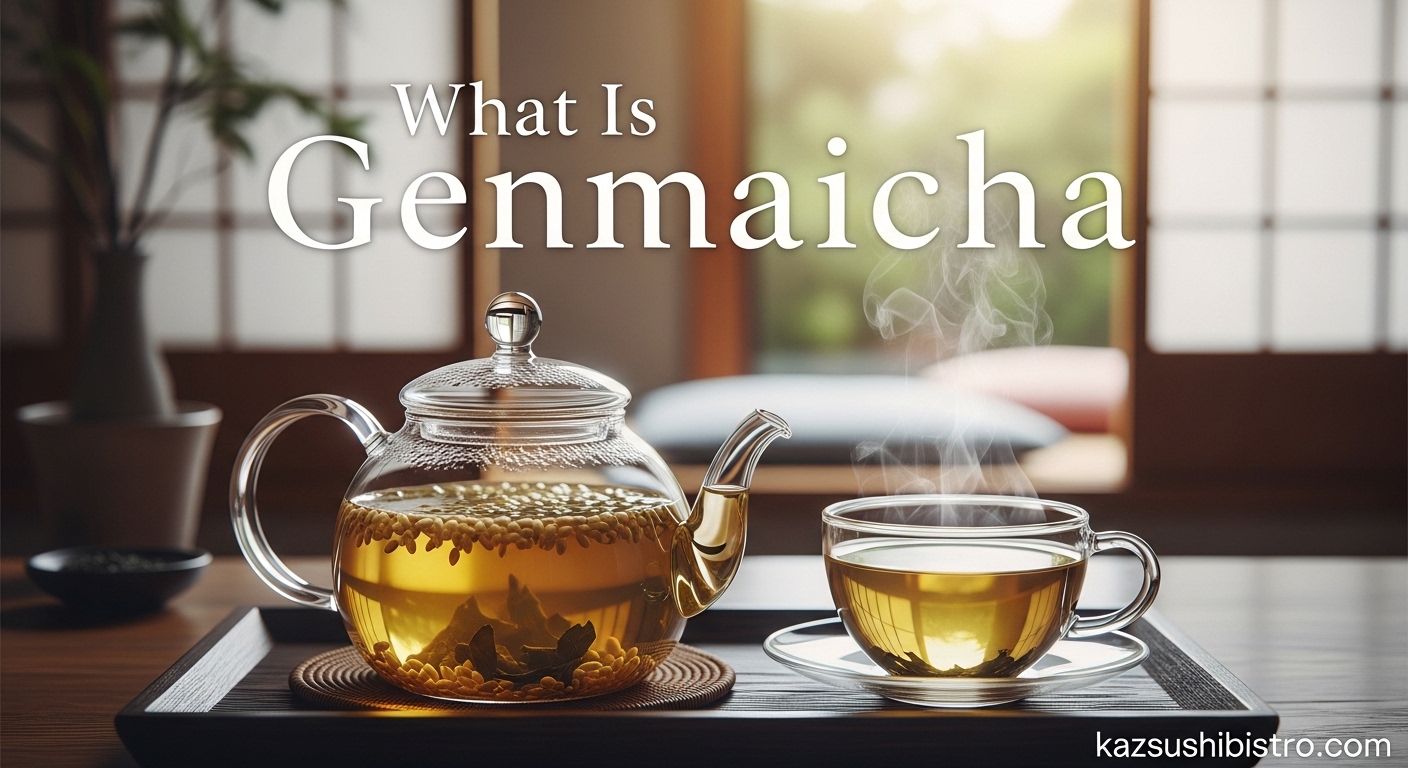
Genmaicha is a Japanese green tea blended with roasted, popped brown rice. Often called “popcorn tea” or “people’s tea,” this comforting beverage offers a unique nutty flavor that sets it apart from other green teas. The name comes from the Japanese words genmai (brown rice) and cha (tea), literally translating to “brown rice tea.”
I first discovered genmaicha during a trip to Kyoto, and its warm, toasty aroma immediately made it my go-to evening drink. Unlike the grassy intensity of sencha or the bitterness some associate with green tea, genmaicha delivers a mellow, approachable flavor that even non-tea drinkers tend to enjoy.
This guide covers everything you need to know about genmaicha 2026. From its humble origins rooted in Japanese thrift culture to the specific brewing techniques that bring out its best qualities, you will learn why this tea deserves a permanent place in your collection.
Table of Contents
What Is Genmaicha?
Genmaicha combines green tea leaves with toasted brown rice to create a distinctive blend that has been enjoyed in Japan for centuries. The rice is roasted until some grains pop, resembling popcorn, which gives the tea its characteristic appearance and contributes to its nutty, slightly sweet flavor profile.
The base tea used in genmaicha is typically bancha, a late-harvest green tea with a milder flavor and lower caffeine content than earlier harvests like sencha. However, premium versions may use sencha or even gyokuro as the base, creating variations in quality, flavor intensity, and price point.
When brewed, genmaicha produces a light golden-yellow liquor with an aroma that fills the room. The scent is unmistakably warm and toasty, evoking memories of fresh popcorn or roasted nuts. This aromatic quality makes it one of the most inviting teas for beginners and experienced drinkers alike.
Pronunciation Guide
The correct pronunciation is “gen-my-cha” with a hard “g” sound. Some English speakers say “gen-may-cha,” but the Japanese pronunciation emphasizes the “my” sound in the middle syllable. Do not worry too much about perfection, though. Tea shop staff worldwide understand both variations.
The Popcorn Connection
The nickname “popcorn tea” comes from the visual appearance of the roasted rice. Some grains burst open during the roasting process, creating small white puffed pieces that look like popcorn among the tea leaves. However, it is important to note that the poprice is primarily an aesthetic feature. Some high-quality genmaicha actually contains fewer popped grains because the focus is on flavor rather than visual appeal.
The History and Origins of Genmaicha 2026
The story of genmaicha begins with practicality rather than luxury. According to tea historians, the blend originated with Japanese Zen monks and peasants who added roasted rice to their tea as a way to stretch limited supplies. This practice aligned perfectly with the Japanese concept of mottainai, a cultural philosophy emphasizing respect for resources and avoidance of waste.
During the 15th century, tea was expensive and primarily consumed by the wealthy and aristocratic classes. Common people developed genmaicha as an affordable way to enjoy tea-like beverages. By mixing cheaper bancha tea with rice, which was abundant and inexpensive, they created a drink that was both economical and satisfying.
One popular legend attributes the creation of genmaicha to a servant named Genmai who accidentally dropped rice into his master’s tea. The story claims the master enjoyed the result so much that the combination became popular. While likely apocryphal, this tale illustrates how genmaicha was historically viewed as a happy accident rather than a carefully crafted luxury product.
From Humble Beginnings to Modern Popularity
For centuries, genmaicha carried a stigma as “poor people’s tea.” It was rarely served to guests and considered unsuitable for formal occasions. This perception began shifting in the late 20th century as Western tea enthusiasts discovered its unique flavor profile and health benefits.
Today, genmaicha enjoys global popularity and respect. Premium versions using high-grade sencha or gyokuro command prices comparable to other specialty teas. The transformation from humble household drink to internationally celebrated beverage represents one of the most remarkable rehabilitation stories in tea culture.
What Does Genmaicha Taste Like?
Genmaicha delivers a flavor experience unlike any other green tea. The dominant notes are nutty and toasty, reminiscent of roasted barley or brown rice crackers. This warm character comes entirely from the roasted rice component, which infuses the brew with a comforting quality that many drinkers describe as “cozy” or “healing.”
The green tea base contributes a subtle vegetal undertone that balances the roasted flavors. Unlike straight sencha, which can be intensely grassy and slightly bitter, genmaicha’s rice content softens any sharp edges. The result is a smooth, mellow cup with virtually no astringency when brewed correctly.
Many drinkers detect a slight natural sweetness in the finish. This is not added sugar but rather the complex carbohydrates from the brown rice breaking down during the roasting process. Some premium varieties exhibit buttery or caramel notes, especially those made with higher-quality tea bases.
Texture and Mouthfeel
The texture of genmaicha is notably lighter than many green teas. The rice content seems to create a softer, rounder mouthfeel without the dryness that some green teas leave on the palate. This makes it exceptionally drinkable and explains why many Japanese people consume it throughout the day, including during and after meals.
Types and Variations of Genmaicha
Not all genmaicha is created equal. The base tea used significantly impacts flavor, caffeine content, and price. Understanding these variations helps you choose the right type for your preferences and budget.
Bancha-Based Genmaicha
This is the traditional and most common variety. Bancha is harvested later in the season than other green teas, resulting in larger leaves with a milder flavor and lower caffeine content. The combination with roasted rice creates an affordable, everyday drinking tea that pairs well with food. Most supermarket genmaicha falls into this category.
Sencha-Based Genmaicha
Premium genmaicha uses sencha as its base instead of bancha. Sencha offers a brighter, more complex vegetal flavor that creates an interesting contrast with the roasted rice notes. These versions typically cost more but deliver a more sophisticated drinking experience. The caffeine content is also slightly higher than bancha-based versions.
Gyokuro-Based Genmaicha
The highest-end genmaicha uses gyokuro, a shade-grown tea known for its intense umami flavor and high theanine content. When combined with roasted rice, the result is a luxurious, almost savory brew that represents the pinnacle of this tea style. This variety is relatively rare and commands premium prices.
Matcha-Iri Genmaicha
This variation includes matcha powder blended with the tea leaves and rice. The addition creates a vibrant green color and adds the distinctive grassy flavor of powdered green tea. Matcha-iri genmaicha offers a middle ground between traditional genmaicha and straight matcha, with the rice mellowing the matcha’s intensity while the powder adds complexity.
Hoji-Genmaicha
A less common variation combines roasted brown rice with hojicha, a roasted green tea. This double-roasted approach creates an intensely toasty, almost coffee-like flavor profile with very low caffeine content. Fans of dark roasted flavors often prefer this version for evening drinking.
Caffeine Content: Is Genmaicha High in Caffeine?
Genmaicha contains less caffeine than most other green teas, making it an excellent choice for those monitoring their intake. The lower caffeine comes from two factors: the use of late-harvest bancha as the typical base, and the dilution effect of the rice content which reduces the proportion of actual tea leaves in any given scoop.
A standard 8-ounce cup of genmaicha contains approximately 10-15 milligrams of caffeine. For comparison, the same amount of sencha contains 20-30 milligrams, and coffee delivers 95-200 milligrams. This makes genmaicha roughly one-third to one-half the caffeine of regular green tea.
The reduced caffeine does not mean reduced flavor or benefits. Many tea drinkers report feeling alert but calm after drinking genmaicha, thanks to the presence of L-theanine. This amino acid promotes relaxation without drowsiness and works synergistically with the small amount of caffeine present.
Best Times to Drink Genmaicha
Because of its gentle caffeine levels, genmaicha works well at any time of day. Many people enjoy it in the evening when they want a warm, comforting beverage without the sleep disruption that coffee or stronger teas might cause. It also makes an excellent after-meal drink, as the roasted rice is believed to aid digestion.
Health Benefits of Genmaicha
Genmaicha inherits many health benefits from its green tea base while adding unique advantages from the roasted brown rice component. While not a miracle cure, regular consumption may support overall wellness in several ways.
The green tea portion provides antioxidants called catechins, particularly epigallocatechin gallate (EGCG). These compounds help combat oxidative stress in the body and support cellular health. Research suggests green tea consumption may contribute to heart health, metabolic function, and cognitive preservation.
The roasted brown rice contributes GABA (gamma-aminobutyric acid), a neurotransmitter that promotes relaxation and may help reduce anxiety. The rice also provides complex carbohydrates and small amounts of fiber, B vitamins, and minerals. Some studies suggest GABA-rich foods may support healthy blood pressure and stress management.
Digestive Support
Many Japanese people drink genmaicha specifically for digestive benefits. The warm liquid helps soothe the stomach, while compounds in both the tea and roasted rice may support healthy digestion. It is commonly consumed after meals or between courses at sushi restaurants for this reason.
Weight Management
Like other green teas, genmaicha may support weight management efforts when combined with a healthy diet and exercise. The catechins appear to support metabolic function, while the satisfying flavor can help curb cravings for less healthy beverages. However, genmaicha should not be viewed as a weight loss solution on its own.
How to Brew the Perfect Cup of Genmaicha
Brewing genmaicha correctly brings out its best qualities while avoiding the bitterness that comes from over-extraction. The process is forgiving and less finicky than many other Japanese teas, making it perfect for beginners.
Water Temperature
Use water heated to approximately 175-180 degrees Fahrenheit (80-82 degrees Celsius). Boiling water will scorch the tea leaves and create bitterness, while water that is too cool will not extract the full flavor from the roasted rice. If you do not have a temperature-controlled kettle, let boiling water sit for 2-3 minutes before pouring.
Tea-to-Water Ratio
For optimal flavor, use about 1 tablespoon (5-6 grams) of genmaicha per 8 ounces (240ml) of water. Some enthusiasts prefer a slightly higher ratio of 2 teaspoons per 6 ounces for a stronger brew. The rice content means you can use more leaf than with pure green tea without overwhelming bitterness.
Steeping Time
Steep for 1-2 minutes depending on your taste preference. Longer steeping extracts more flavor but can introduce astringency. For subsequent infusions, reduce the time to 30-45 seconds. Quality loose-leaf genmaicha can typically be steeped 2-3 times, with each infusion revealing different flavor nuances.
Loose Leaf vs Tea Bags
Loose leaf genmaicha consistently delivers superior flavor compared to tea bags. The larger leaf pieces and intact rice grains have more surface area and room to expand during brewing. However, high-quality tea bags can work well for convenience, especially when traveling or at the office. Avoid powdered genmaicha products, as these do not deliver the authentic flavor experience.
Genmaicha vs Other Japanese Teas
Understanding how genmaicha compares to other popular Japanese teas helps you choose the right beverage for different occasions and preferences.
Genmaicha vs Matcha
Matcha and genmaicha differ fundamentally in preparation and experience. Matcha consists of finely powdered tea leaves whisked into water, creating a thick, vibrant green beverage with intense flavor and higher caffeine. Genmaicha uses whole leaves and rice steeped in water, producing a lighter, clearer brew with milder taste and lower caffeine. Matcha provides a formal, meditative drinking experience, while genmaicha suits casual, everyday consumption.
Genmaicha vs Hojicha
Both teas offer roasted flavors, but through different means. Hojicha is made by roasting green tea leaves themselves, creating a reddish-brown liquor with a toasty, slightly caramel flavor. Genmaicha gets its roast character from the added rice while keeping the green tea base unroasted. Hojicha typically has even less caffeine than genmaicha, making it another excellent evening option. The two teas complement each other well in a Japanese tea collection.
Genmaicha vs Sencha
Sencha represents standard Japanese green tea in its pure form. It offers bright, grassy flavors with more astringency and higher caffeine than genmaicha. Genmaicha uses either bancha or sencha as its base but modifies the experience significantly with roasted rice. If you find straight sencha too intense or bitter, genmaicha provides a gentler entry point into Japanese green teas.
Storing Genmaicha for Freshness
Proper storage preserves the delicate flavors of both the tea leaves and roasted rice. Unlike pure tea, genmaicha has the added consideration of keeping the rice component fresh and preventing rancidity.
Store genmaicha in an airtight container away from light, heat, and moisture. The roasted rice can absorb odors easily, so keep it away from strong-smelling foods or spices. A dedicated tea tin or ceramic jar with a tight seal works perfectly.
Genmaicha is best consumed within 3-6 months of purchase. While it will not spoil in a way that makes it unsafe, the roasted rice gradually loses its toasty flavor and can develop stale notes. Buy smaller amounts more frequently rather than stocking up on large quantities.
Refrigeration is generally not recommended unless you live in a very humid climate. The temperature fluctuations when removing the tea from the fridge can cause condensation that damages the leaves. If you do refrigerate, use an extremely airtight container and let it come to room temperature before opening.
FAQs
What does genmaicha taste like?
Genmaicha has a unique nutty and toasty flavor profile unlike other green teas. The roasted brown rice contributes warm, popcorn-like notes with a subtle natural sweetness. The green tea base adds a mild vegetal undertone without the grassy intensity or bitterness of pure sencha. The result is a smooth, mellow, highly drinkable tea that many describe as comforting and cozy.
Is genmaicha the same as matcha?
No, genmaicha and matcha are completely different Japanese teas. Matcha consists of finely powdered green tea whisked into water, creating a thick, vibrant beverage with intense flavor and higher caffeine. Genmaicha combines whole green tea leaves with roasted brown rice, producing a lighter, clearer brew with nutty flavors and lower caffeine. However, matcha-iri genmaicha is a variation that includes matcha powder blended with the traditional genmaicha components.
What is genmaicha good for?
Genmaicha offers several benefits: it supports digestion due to the roasted rice content, provides antioxidants from the green tea base, promotes relaxation through GABA content, and delivers gentle energy with lower caffeine than other teas. It is excellent as an everyday drinking tea, after-meal digestive aid, or evening beverage when you want something warm without sleep disruption. Many people also enjoy it for weight management support when combined with a healthy lifestyle.
Is genmaicha high in caffeine?
No, genmaicha is relatively low in caffeine compared to other teas and coffee. A standard cup contains approximately 10-15 milligrams of caffeine, roughly one-third to one-half the amount in regular green tea and significantly less than coffee (95-200mg). The lower caffeine comes from using late-harvest bancha tea and the dilution effect of the rice content. This makes genmaicha ideal for evening drinking and those sensitive to caffeine.
Conclusion
Genmaicha represents one of Japan’s most approachable and comforting tea traditions. From its humble origins as a thrifty way to stretch tea supplies to its current status as a globally celebrated beverage, this brown rice tea has earned its place in the hearts of tea drinkers worldwide.
Whether you are seeking a lower-caffeine alternative to coffee, a digestive aid after meals, or simply a delicious new tea experience, genmaicha delivers. Its unique combination of nutty roasted rice and smooth green tea creates a flavor profile that is simultaneously familiar and distinctive. We encourage you to explore different varieties, experiment with brewing techniques, and discover why this once-humble “people’s tea” has become a beloved staple in tea collections around the world 2026.