
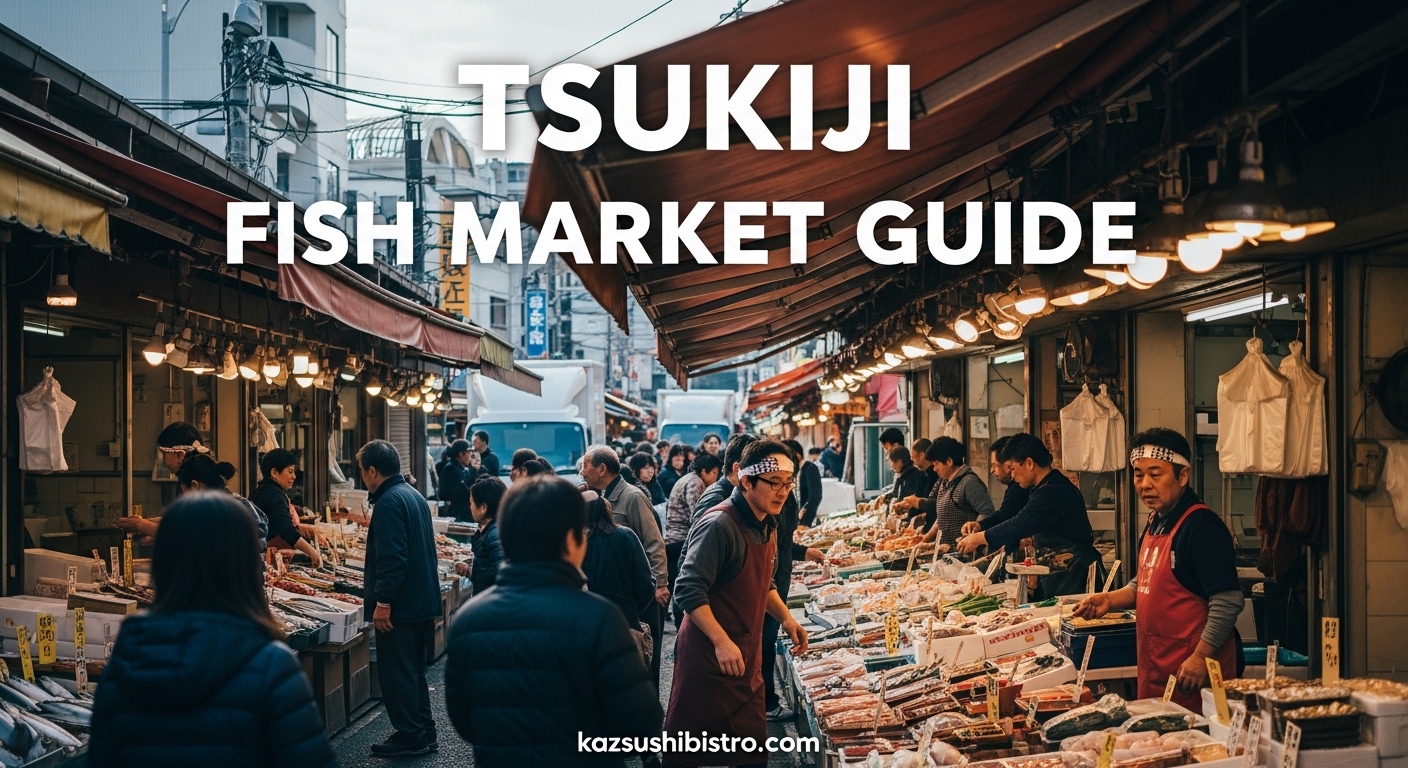
Tsukiji Fish Market remains one of Tokyo’s most captivating food destinations, even after the wholesale operations moved to Toyosu in 2018. This Tsukiji Fish Market Guide will help you navigate the Outer Market like a local, find the best food stalls, and avoid common tourist mistakes. Whether you are a first-time visitor or returning to see what has changed, I will share everything our team learned from multiple visits to this iconic Tokyo landmark.
Before we dive in, let me clear up the biggest confusion: Tsukiji is not closed. The wholesale Inner Market (Jonai) relocated to Toyosu. But the public Outer Market (Jogai) continues to thrive with hundreds of stalls, restaurants, and specialty shops open to visitors. You can still eat some of the freshest sushi and street food in Tokyo right here.
Table of Contents
The History of Tsukiji Market 2026
Tsukiji Market opened in 1935 as Japan’s first modern wholesale fish market, replacing older markets damaged by the 1923 Great Kanto Earthquake. The name “Tsukiji” literally means “reclaimed land,” as the area was built on land reclaimed from Tokyo Bay in the 17th century. For over 80 years, it served as the central hub for Japan’s seafood distribution.
In October 2018, the Inner Market’s wholesale operations and famous tuna auctions moved to Toyosu Market. This relocation sparked widespread confusion among travelers. Many believed Tsukiji had closed entirely. The reality is that while the professional wholesale market moved, the public-facing Outer Market stayed behind and remains vibrant today.
The Tsukiji Outer Market you visit today is a food lover’s paradise. Hundreds of narrow lanes lined with stalls selling everything from fresh uni to handcrafted Japanese knives. It captures the authentic atmosphere that made Tsukiji famous, minus the wholesale chaos of the early morning tuna auctions.
Inner vs Outer Market: Understanding Jonai and Jogai
The distinction between Inner Market (Jonai) and Outer Market (Jogai) confuses nearly every first-time visitor. Understanding this difference is essential for planning your trip and setting the right expectations. Let me break it down clearly.
The Inner Market (Jonai) was the wholesale-only area where professional fishmongers, restaurant owners, and buyers conducted business. This is what moved to Toyosu in 2018. The famous early morning tuna auctions happened here. This area is now closed to the public and has been redeveloped.
The Outer Market (Jogai) is the retail and restaurant district that has always been open to the public. This is what remains at Tsukiji today. It consists of over 400 shops and restaurants along narrow lanes. Anyone can visit, browse, eat, and shop here. This is where you will spend your time as a visitor.
| Feature | Inner Market (Jonai) | Outer Market (Jogai) |
|---|---|---|
| Status | Moved to Toyosu in 2018 | Still open at original location |
| Access | Closed to public | Open to everyone |
| Primary Function | Wholesale only | Retail and restaurants |
| Tuna Auctions | Yes (now at Toyosu) | No |
| Who Visits | Professionals only | Tourists and locals |
| Hours | Early morning wholesale | 5:00 AM to early afternoon |
| Payment | Wholesale accounts | Cash preferred |
When people ask if Tsukiji is still worth visiting, they are usually thinking of the Jogai Outer Market. The answer is absolutely yes. The food quality remains exceptional, the atmosphere is uniquely Tokyo, and the variety of stalls offers something for every palate and budget.
What to Eat at Tsukiji Outer Market
The food at Tsukiji Outer Market represents the best of Japanese street food and fresh seafood culture. Our team spent three days sampling everything we could find. Here are the must-try items and where to find them.
Tamagoyaki (Sweet Egg Omelet)
Tamagoyaki is the iconic Tsukiji breakfast food. These fluffy, slightly sweet layered egg omelets are cooked fresh on rectangular pans right before your eyes. You will see long lines at famous stalls like Yamacho and Marutake. The hot, freshly made tamago on a stick costs around 100-150 yen and makes the perfect walking snack.
Most tamagoyaki stalls open around 6:00 AM and sell out by mid-morning. The texture should be custardy and slightly sweet, never rubbery. If you see a stall making them fresh, join the line. It is worth the wait.
Fresh Uni (Sea Urchin)
Tsukiji is one of the best places outside Hokkaido to eat fresh uni. The sea urchin here is typically sourced from Hokkaido or served within hours of arrival. You can find uni served on rice bowls, as nigiri sushi, or simply on its own.
Expect to pay 1,500-3,000 yen for a proper uni serving. The color should be vibrant gold or orange, and the texture should melt on your tongue without any fishy odor. Quality stalls will let you choose from different grades. Murakami and uni specialty stands in the main alley offer some of the best selections.
Kaisendon (Seafood Rice Bowl)
Kaisendon is the ultimate Tsukiji lunch. These rice bowls topped with an assortment of fresh sashimi let you taste multiple types of seafood in one dish. Typical toppings include maguro (tuna), salmon, ikura (salmon roe), uni, and shrimp.
Prices range from 1,500 yen for basic bowls to 4,000+ yen for premium versions with toro (fatty tuna) and extra uni. Look for shops displaying their fish whole in the case. The rice should be slightly warm and seasoned with a touch of vinegar. Kanni-don and similar specialty shops in the Outer Market serve excellent versions.
Nigiri and Sashimi
Standing sushi bars throughout the Outer Market offer some of the freshest nigiri you will eat in Tokyo. The fish is literally steps away from where it was processed. Most standing sushi places offer sets of 5-10 pieces ranging from 1,000-3,000 yen.
Maguro (tuna) is the star here. Try different cuts including lean akami, medium-fatty chutoro, and premium otoro. Salmon, shrimp, squid, and seasonal white fish rotate based on the day’s catch. Sushi Dai and Daiwa Sushi may have long lines, but smaller standing bars nearby often offer comparable quality with shorter waits.
Tempura and Fried Specialties
Tenfusa Tempura is legendary among Tsukiji regulars. This tiny shop serves tendon, rice bowls topped with freshly fried tempura. The prawn tempura is the signature item, crispy and light without being greasy. A basic tendon bowl costs around 1,000 yen.
Other fried specialties include fishcakes, croquettes, and grilled seafood skewers. Look for stalls with visible grills and fryers. The smell of fresh oil and sizzling seafood is your guide to the good spots. Corn fishcake skewers from Ajino Hamato offer a unique savory-sweet combination.
Matcha and Traditional Sweets
After all that savory food, cleanse your palate with matcha ice cream or traditional Japanese sweets. Several stalls specialize in green tea soft serve made with high-grade matcha. The bitterness balances perfectly with the cream.
Traditional wagashi shops sell seasonal sweets perfect for souvenirs. These delicate confections made from sweet bean paste and glutinous rice pair beautifully with matcha. Natsuno and similar specialty sweet shops offer beautiful, edible gifts to take home.
Best Time to Visit Tsukiji Market
Timing your visit to Tsukiji can make the difference between an amazing experience and a frustrating one. The market operates on a unique schedule that rewards early risers but still accommodates those who prefer a later start.
Opening Hours: Most stalls open between 5:00 AM and 7:00 AM. Many shops close by 2:00 PM or when they sell out. The market is officially closed on Sundays, most Wednesdays, and national holidays. Always check the calendar before planning your visit.
Optimal Times: The sweet spot for tourists is 9:00 AM to 11:00 AM. Arriving around 9:00 AM lets you avoid the 7:00-8:00 AM crowd while ensuring stalls are fully open and stocked. The atmosphere is lively but not overwhelming. You can still get the famous tamagoyaki and fresh sushi without hour-long lines.
Early morning (5:00-7:00 AM) is primarily for professionals and serious food enthusiasts. If you want to see the market at its most authentic, arrive before 7:00 AM. You will see restaurant buyers selecting fish and experience the market’s working side. However, many food stalls are just opening, and seating may be limited.
Weekends and holidays bring the biggest crowds. Saturday mornings are particularly busy with both tourists and locals. If you must visit on a weekend, arrive before 8:00 AM. Wednesday closures vary, so check the official Tsukiji Outer Market website or ask your hotel concierge to confirm.
Essential Tips and Etiquette for Visiting Tsukiji
Tsukiji is a working market with unwritten rules that locals expect visitors to follow. After observing tourists make the same mistakes repeatedly, here is what you need to know to visit respectfully and safely.
Bring Cash in Small Denominations
Yes, you absolutely need cash at Tsukiji Market. While some larger restaurants and souvenir shops accept credit cards, the vast majority of street food stalls operate cash-only. Bring yen in smaller denominations as many stalls cannot break large bills.
A budget of 3,000-5,000 yen per person allows you to sample multiple items comfortably. ATM machines are available near the market, but lines can form quickly on busy mornings. Prepare your cash the night before to avoid delays.
Wear Proper Footwear
The floor at Tsukiji is often wet from melting ice, fish processing, and cleaning. Wear closed-toe shoes with good grip. Sneakers or non-slip walking shoes work best. Avoid sandals, high heels, or dress shoes with smooth soles.
The lanes are narrow and you will be sharing space with workers moving carts and boxes. Stable footwear protects you from slipping and keeps your feet dry. During our visits, we saw several tourists struggling in inappropriate shoes on the wet concrete.
Photography Guidelines
Photography is generally allowed in the Outer Market, but common sense applies. Never use flash near seafood displays or in restaurants. Flash can damage sensitive fish eyes and annoy other diners. Always ask permission before photographing individual vendors or their stalls.
Some stalls have “no photography” signs. Respect these completely. The vendors are working professionals, not tourist attractions. Focus your photography on the food and atmosphere rather than individual workers. Drone photography is strictly prohibited throughout the area.
Respecting the Working Market
Tsukiji remains a place of business for hundreds of food professionals. Do not block walkways while eating or taking photos. Keep moving in narrow lanes, and step into alcoves or wider areas to stop. Workers move quickly with carts and sharp knives, so stay alert.
Dispose of trash properly. Most eating areas have designated bins or will take your trash when you finish. Never litter in the lanes. Smoking is prohibited throughout the market area. Strong perfumes or colognes interfere with the aroma of fresh food, so skip them on market day.
How to Get to Tsukiji Market
Tsukiji Market sits in central Tokyo’s Chuo Ward, making it easily accessible from most major areas. The location near Ginza also makes it perfect for combining with shopping or a visit to the Imperial Palace gardens.
By Subway: The closest station is Tsukijishijo on the Toei Oedo Line. Take Exit A1 for immediate market access. Alternatively, use Tsukiji Station on the Tokyo Metro Hibiya Line, about a 5-minute walk to the market. Higashi-Ginza Station on the Asakusa Line also works, roughly 7 minutes walking.
From Major Areas: From Shinjuku, take the Oedo Line directly to Tsukijishijo (about 25 minutes). From Shibuya, take the Hanzomon Line to Mitsukoshimae, then transfer to the Hibiya Line to Tsukiji. From Asakusa, the Asakusa Line goes directly to Higashi-Ginza.
By Taxi: Taxis can drop you near the market entrance on Shin-Ohashi Street or Harumi Street. Tell the driver “Tsukiji Jogai Shijo” (Outer Market) to avoid confusion with Toyosu. Morning traffic can be heavy, so subways are usually faster.
The market entrance is not immediately obvious. Look for the arched gateway signs or follow the crowd wearing comfortable shoes and carrying cameras. The main entrance near Kanni-dori street puts you right in the heart of the food stalls.
Tsukiji vs Toyosu: Which Market Should You Visit?
Many travelers wonder whether they should visit Tsukiji, Toyosu, or both. Each market offers a different experience. Your choice depends on what you want to see and do.
| Aspect | Tsukiji Outer Market | Toyosu Market |
|---|---|---|
| Atmosphere | Historic, traditional, bustling | Modern, clean, spacious |
| Tuna Auctions | No | Yes (reservation required) |
| Street Food | Excellent variety | Limited |
| Restaurants | Hundreds of options | Fewer, more modern |
| Photography | Very photogenic | Restricted in wholesale areas |
| Shopping | Kitchen supplies, food items | Food only |
| Best For | Food lovers, photographers | Wholesale operations view |
| Getting There | Central, easy subway access | Requires Yurikamome line |
Our recommendation: visit Tsukiji for the food experience and authentic atmosphere. If the tuna auction specifically interests you, make a separate trip to Toyosu. Toyosu requires advance reservations for the observation deck and auction viewing. The modern facility is impressive but lacks the character and food variety of Tsukiji.
Namiyoke Shrine: The Guardian of Tsukiji
Before leaving Tsukiji, walk a few minutes to Namiyoke Shrine. This small Shinto shrine serves as the spiritual protector of the market and its workers. The name means “protection from waves,” reflecting the market’s origins on reclaimed land.
The shrine features unique monuments including a lion head statue that market workers traditionally rub for good luck. You will see photos of former market leaders and colorful prayer tablets left by vendors. The quiet courtyard offers a peaceful contrast to the busy market lanes.
Visit after eating to walk off your meal. The shrine opens early and provides a moment of reflection before returning to Tokyo’s bustle. It represents the deep connection between Japanese food culture and spiritual traditions that many visitors miss.
Frequently Asked Questions
Do you need cash at the Tsukiji Market?
Yes, cash is essential at Tsukiji Outer Market. While some restaurants and larger shops accept credit cards, most street food stalls and smaller vendors operate cash-only. Bring yen in smaller denominations for easier transactions. A budget of 3,000 to 5,000 yen per person is recommended.
What is the best time to arrive at the Tsukiji Market?
The best time to visit Tsukiji Outer Market is between 9:00 AM and 11:00 AM. Arriving around 9 AM lets you avoid the busiest crowds while ensuring stalls are fully open. Early morning (5-7 AM) is primarily for wholesale professionals. Avoid weekends and holidays when possible as they attract larger crowds.
What should I wear to Tsukiji Market?
Wear comfortable, closed-toe shoes with good grip because floors are often wet and slippery. Avoid high heels and sandals. Dress casually but respectfully. Skip strong perfume or cologne as it interferes with the aroma of fresh seafood. Layers work well as the covered lanes can be humid.
Is the Tsukiji Fish Market overpriced?
Tsukiji Outer Market can be pricey compared to other Tokyo food destinations, with some stalls charging premium prices for the market’s reputation. However, you can find reasonably priced options by exploring side streets away from the main tourist areas. The freshness and quality often justify the cost for many visitors. Look for stalls where local Japanese customers are shopping.
Can you see the tuna auction at Tsukiji?
No, the tuna auction moved to Toyosu Market in 2018. You cannot see tuna auctions at the original Tsukiji location anymore. To witness the famous early morning tuna auctions, you must visit Toyosu Market and reserve a spot in advance through the official website. Tsukiji Outer Market focuses on retail food and restaurant experiences.
Is Tsukiji Market worth visiting after the Toyosu move?
Yes, Tsukiji Outer Market remains absolutely worth visiting. The Outer Market (Jogai) was always the public-facing area with restaurants and retail stalls, and it stayed open after the wholesale Inner Market moved. The food quality remains exceptional, the atmosphere is uniquely traditional Tokyo, and the variety of over 400 stalls offers something for every visitor.
How long should I spend at Tsukiji Market?
Plan to spend 2 to 4 hours at Tsukiji Outer Market. This allows time to walk the lanes, sample 4-6 different food items, browse kitchen supply shops, and enjoy a sit-down meal. Arriving at 9 AM and staying until 1 PM gives you the full experience without rushing. Combine your visit with nearby Ginza or Hamarikyu Garden for a full day.
Conclusion
This Tsukiji Fish Market Guide should prepare you for an unforgettable food experience in Tokyo. The key is understanding what remains at Tsukiji: the Outer Market (Jogai) continues to offer some of Japan’s best street food, fresh seafood, and traditional market atmosphere. The wholesale Inner Market moved to Toyosu, but the soul of Tsukiji lives on in its public lanes.
Remember the essentials: bring cash, wear proper shoes, arrive around 9 AM, and respect the working vendors. Try the tamagoyaki, splurge on fresh uni, and explore beyond the main tourist lanes for the best experiences. Whether you are a serious foodie or a curious traveler, Tsukiji Outer Market delivers an authentic taste of Tokyo that no other destination can replicate.
Start planning your visit for 2026. Check the market calendar for Wednesday closures, bring your appetite, and prepare for one of the best food experiences Japan has to offer.