
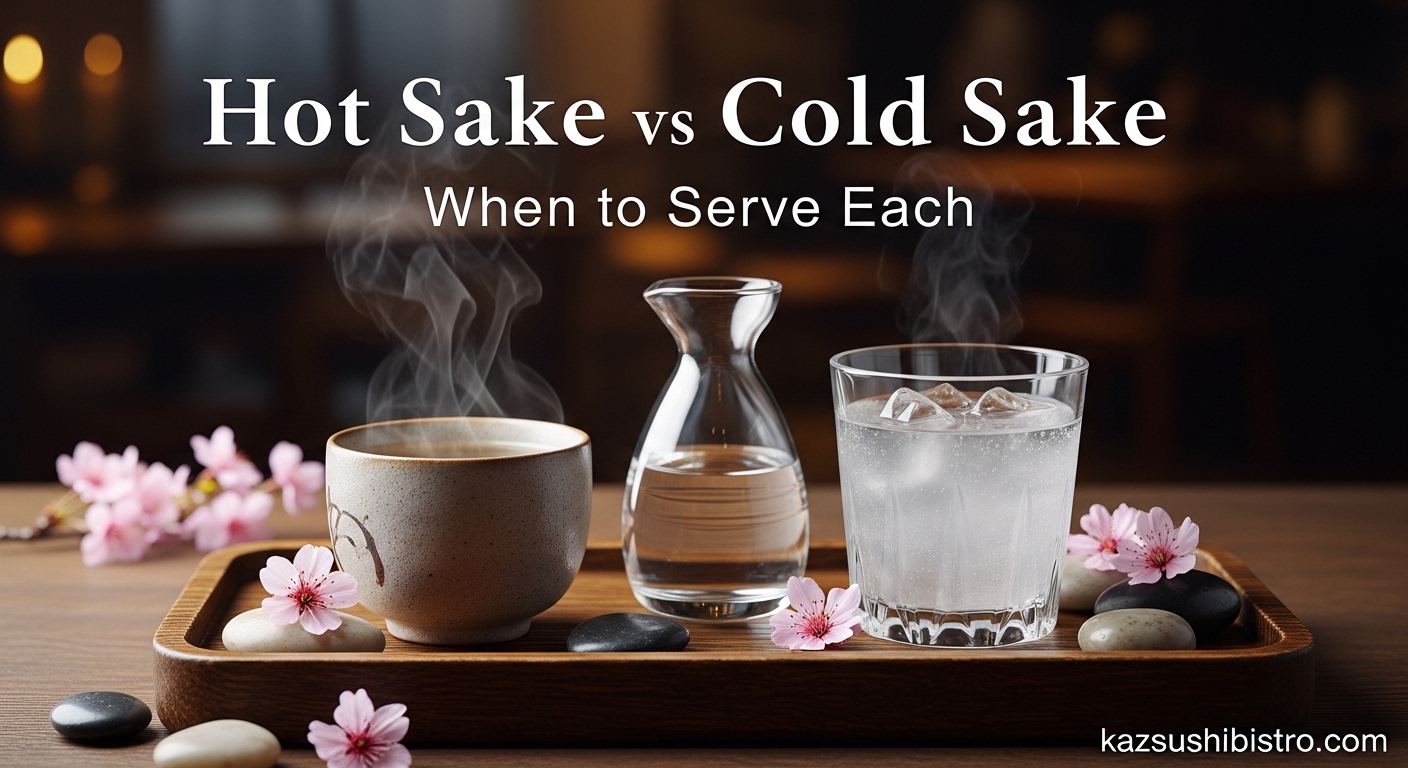
I still remember my first sip of sake at a tiny izakaya in Osaka. The server brought a ceramic tokkuri filled with steaming liquid, and I had no idea what to expect. That warm, savory liquid changed everything I thought I knew about rice wine. But here’s what I learned after years of exploring Japanese sake culture: temperature matters more than most people realize.
Get it wrong and you’ll miss delicate floral notes in a premium ginjo. Get it right and you’ll unlock layers of flavor you never knew existed. Whether you’re ordering at a sushi restaurant or hosting a dinner party at home, knowing when to serve hot sake versus cold sake transforms your drinking experience.
In this guide, I’ll walk you through everything I’ve learned about sake serving temperatures. You’ll discover which sake types shine when chilled and which ones come alive when warmed. By the end, you’ll confidently serve sake like a seasoned sake sommelier.
Table of Contents
How Temperature Changes Sake Flavor 2026
Temperature is the secret weapon of sake appreciation. Cold sake suppresses certain flavor compounds while highlighting others. Warm sake does the exact opposite. Understanding this science helps you make better serving decisions.
When you chill sake below 59F (15C), the cold temperature dampens acidity and reduces the perception of alcohol heat. This allows delicate fruity and floral aromas to shine through. Premium ginjo and daiginjo sakes are brewed specifically for this cold presentation.
Heat does something magical to traditional sake styles. As temperature rises above 86F (30C), amino acids become more active. These compounds create that rich, savory umami character that makes warm sake so comforting. The warmer temperature also softens the alcohol bite, making the sake feel smoother on your palate.
Japanese Sake Temperature Terminology
Japanese culture has developed precise vocabulary for sake temperatures. Learning these terms helps you communicate with sake experts and read bottle labels correctly. Here’s what you need to know.
Hiya refers to chilled sake, typically served between 41-59F (5-15C). Most premium sake falls into this category. Kan or kansuke means heated sake, served anywhere from 86-131F (30-55C). Jo-on describes room temperature sake around 68F (20C).
The Japanese get even more specific with cold sake gradations. Yukihie means “snow cold” at 41F (5C). Hanahie translates to “flower cold” around 46F (8C), perfect for highlighting floral ginjo aromas. Suzuhie or “cool cold” sits at 55F (13C) and works beautifully for junmai styles.
Warm sake has its own vocabulary too. Hinatakan means “sunbathing warm” at 86F (30C). Nurukan describes “tepid warm” around 104F (40C), a popular temperature that balances flavor and comfort. Atsukan means “hot warm” at 122-131F (50-55C), the temperature most Americans associate with hot sake.
How to Serve Cold Sake: Types, Temperatures, and Pairings
Cold sake represents the pinnacle of premium Japanese brewing. When brewmasters craft ginjo or daiginjo styles, they design them specifically for chilled service. Here’s exactly when and how to serve cold sake.
Sake Types Best Served Cold
Ginjo and Daiginjo sakes should almost always be served cold. These premium styles undergo extensive rice polishing, removing 40-60% of the outer grain. This process concentrates delicate, fruity esters that cold temperatures preserve beautifully.
I learned this lesson the hard way when I accidentally warmed a $80 bottle of junmai daiginjo. The heat destroyed those delicate melon and pear notes I’d paid for. Cold temperatures between 46-55F (8-13C) maintain the aromatic complexity that defines these styles.
Namazake (unpasteurized sake) must be served cold. This fresh, lively style skips the heat pasteurization process that stabilizes most sake. Without this treatment, namazake contains active enzymes that continue developing flavor. Refrigeration between 41-50F (5-10C) keeps these enzymes in check while highlighting the sake’s bright, vibrant character.
Sparkling sake belongs in the refrigerator. The carbonation that makes these sakes festive depends on cold temperatures. Serve sparkling sake at 41-46F (5-8C) just like champagne. Anything warmer causes the bubbles to dissipate quickly and the sake to taste flat.
Ideal Cold Sake Temperature Ranges
The perfect cold sake temperature depends on the specific style. Ultra-premium daiginjo with pronounced fruity notes shines at hanahie (46F/8C). This temperature maximizes aromatic intensity without numbing your palate.
Standard ginjo styles work beautifully at suzuhie (55F/13C). This cooler temperature preserves the floral notes while allowing some subtle umami to emerge. You’ll taste both the fruit and the rice character.
For namazake and other unpasteurized styles, keep it colder at yukihie (41F/5C). The low temperature maintains freshness and prevents the active sake from evolving too quickly in your glass.
Food Pairings for Cold Sake
Cold sake pairs magnificently with light, delicate foods. The crisp acidity and fruity notes complement rather than compete with subtle flavors. Here’s what I’ve found works best after testing hundreds of combinations.
Sushi and sashimi match perfectly with chilled ginjo or daiginjo. The clean, cold sake cuts through fish oils while the fruity notes echo the sweetness of fresh seafood. I particularly love daiginjo with fatty tuna or salmon.
Light salads and vegetables benefit from cold sake’s crisp character. The low temperature and acidity act like a squeeze of citrus on greens. Try ginjo with cucumber sunomono or a simple seaweed salad.
Fresh shellfish including oysters, shrimp, and scallops pair beautifully with cold sake. The minerality in the shellfish finds a partner in sake’s subtle rice sweetness. I’ve served yukihie-style sake with raw oysters to tremendous success.
How to Properly Chill Sake
Chilling sake correctly preserves its intended character. The refrigerator method works best for most situations. Place your sake bottle in the refrigerator for 2-3 hours before serving. This gradual cooling maintains the sake’s structural integrity.
Never freeze sake. Ice crystals damage the delicate flavor compounds and alter the texture permanently. If you need to chill sake quickly, use an ice bucket with equal parts ice and water. Submerge the bottle for 15-20 minutes, rotating occasionally.
Once poured, cold sake warms quickly in the glass. I recommend serving smaller portions and refilling frequently. This maintains the optimal temperature throughout your drinking session.
How to Serve Warm Sake: Types, Temperatures, and Pairings
Warm sake offers a completely different experience from its cold counterpart. The heat transforms flavor compounds, creating rich, comforting depths that cold temperatures suppress. Here’s your complete guide to serving warm sake properly.
Sake Types Best Served Warm
Junmai sake responds beautifully to warming. This pure rice style contains no added alcohol, creating a full-bodied foundation that heat enhances. When warmed to nurukan (104F/40C), junmai develops chocolate, coffee, and caramel notes that remain hidden at cold temperatures.
I discovered this during a winter visit to a sake brewery in Niigata. The toji (master brewer) served his junmai at precisely 113F (45C), and those savory, roasted flavors completely changed my perception of the style.
Honjozo works excellently warm. This style includes a small amount of brewer’s alcohol, which helps the sake maintain structure when heated. Honjozo was historically designed for warming, making it the traditional choice for atsukan service.
Taruzake (cedar barrel-aged sake) benefits from warmth. The cedar character becomes more pronounced and integrated when heated. The warmth softens any aggressive wood tannins, creating a harmonious cedar-rice flavor profile.
Futsushu (table sake) is commonly served warm in Japan. This everyday drinking sake becomes smoother and more palatable when heated. The warmth masks any rough edges while amplifying the simple rice sweetness.
Ideal Warm Sake Temperature Ranges
Warm sake temperatures range from gently warmed to quite hot. Each level offers a distinct tasting experience. Understanding these ranges helps you match temperature to mood and occasion.
Hinatakan (86F/30C) provides gentle warming that begins to unlock umami without aggressive heat. This works well for premium junmai that you want to explore warm without overwhelming the subtle characteristics.
Nurukan (104F/40C) represents the sweet spot for most warm sake service. At this temperature, amino acids are fully active, creating rich savory depth. The sake feels comforting and substantial without burning your palate.
Jo-kan (113F/45C) brings more intensity. At this temperature, alcohol volatility increases, carrying aromas more aggressively. The sake feels warming in your chest and pairs beautifully with rich, fatty foods.
Atsukan (122-131F/50-55C) is the hottest traditional serving temperature. This creates the classic hot sake experience most Americans recognize. The heat is intense, the flavors are bold, and the warming sensation is immediate.
Food Pairings for Warm Sake
Warm sake pairs magnificently with rich, savory dishes. The heat and umami amplify each other, creating deeply satisfying combinations. These pairings work especially well in cold weather.
Grilled and fried foods match perfectly with warm sake. The high heat in both the food and drink creates harmony. Try atsukan with yakitori, tempura, or katsu. The sake’s warmth echoes the food’s temperature while cutting through oil.
Rich stews and braises find their match in nurukan or jo-kan sake. The umami-rich broth and the amino acid-heavy sake create a flavor explosion. I love warm junmai with nikujaga (meat and potato stew) or oden.
Strong-flavored ingredients including garlic, ginger, and fermented foods pair well with hot sake. The bold sake temperature stands up to aggressive flavors that might overwhelm cold sake.
How to Properly Heat Sake
Heating sake correctly requires patience and the right technique. The water bath method (kanzake) is the traditional approach that professionals use. Never microwave sake. The uneven heating destroys flavor compounds and can create harsh, bitter notes.
Here’s my tested water bath method. Fill a saucepan with water and heat to approximately 140F (60C). Remove from heat. Pour your sake into a heat-safe ceramic tokkuri or small carafe. Submerge the tokkuri in the warm water.
Let the sake warm gradually for 3-5 minutes, checking the temperature with a thermometer or by feel. The tokkuri should feel warm but not burning to the touch. Pour immediately and serve while hot.
Some modern sake enthusiasts use a sake warmer or electric kanzake machine. These devices maintain precise temperatures and work well for frequent warm sake drinkers. However, the traditional water bath method remains my preference for its gentle, even heating.
Hot Sake vs Cold Sake: Seasonal and Regional Considerations
Japan’s diverse climate and regional traditions influence sake temperature preferences. Understanding these patterns helps you make informed serving choices throughout the year.
Seasonal Sake Serving Patterns
Winter naturally calls for warm sake. The Japanese tradition of drinking atsukan during cold months spans centuries. The warming sensation provides comfort during frigid temperatures, and the rich umami pairs with hearty winter foods.
Summer belongs to cold sake. The refreshing, crisp character of chilled ginjo or namazake provides relief from heat and humidity. Beach picnics and summer festivals in Japan feature cold sake prominently.
Spring and autumn offer flexibility. These mild seasons accommodate any temperature preference. I often serve slightly chilled sake (suzuhie) in spring and room temperature sake in autumn, matching the ambient comfort level.
Regional Temperature Preferences
Different regions of Japan maintain distinct sake temperature traditions. The Kansai region (Osaka, Kyoto, Kobe) historically preferred room temperature or slightly chilled sake. Their cuisine tends lighter, matching subtle sake temperatures.
The Kanto region (Tokyo and surrounding areas) embraces warm sake more enthusiastically. Tokyo’s colder winters and heartier cuisine traditions align with atsukan service. Many Tokyo izakayas serve warm sake as their default.
Northern regions like Hokkaido and Tohoku favor warm sake due to cold climates. These areas also produce bold, full-bodied junmai styles that shine when heated.
Reading Bottle Labels for Temperature Guidance
Sake brewmasters often include serving temperature recommendations on labels. Look for Japanese terms indicating preferred service. Labels mentioning “reijo” suggest refrigeration and cold service. “Onkan” indicates the sake responds well to warming.
Some labels include specific temperature ranges in Celsius. If you see 5-10C, serve it cold at yukihie or hanahie temperatures. Labels suggesting 40-50C indicate warming to nurukan or jo-kan levels works beautifully.
When in doubt, research the specific sake online. Many breweries publish detailed serving guides for their products. Premium sake almost always benefits from starting cold and experimenting with slight warming.
Common Mistakes When Serving Sake
Even experienced sake drinkers make temperature errors. Here are the most common mistakes I see and how to avoid them.
Heating premium ginjo or daiginjo destroys delicate aromatics. These styles are brewed specifically for cold presentation. The expensive polishing process creates esters that heat annihilates. Always keep premium aromatic sakes cold.
Serving sake too cold numbs your palate and masks flavors. Never serve sake below 41F (5C). Ice-cold sake loses its character completely. Remove extremely cold sake from the refrigerator 10-15 minutes before serving.
Overheating sake creates harsh, bitter flavors. Temperatures above 131F (55C) damage amino acids and create unpleasant sharpness. Use a thermometer until you develop accurate touch-based temperature sensing.
Ignoring seasonal context diminishes the experience. Drinking cold sake in freezing weather feels out of place. Similarly, hot sake on a scorching summer day lacks refreshment. Match your temperature to the season and meal.
Frequently Asked Questions
When to have hot vs cold sake?
Serve cold sake (41-59F) for premium styles like ginjo, daiginjo, and namazake to preserve delicate fruity aromas. Serve hot sake (86-131F) for traditional styles like junmai, honjozo, and taruzake to amplify umami and savory richness. Cold sake pairs with light foods like sushi; hot sake complements rich, grilled, or fried dishes. Seasonal preferences favor cold sake in summer and warm sake in winter.
Is hot sake lower quality than cold sake?
Not necessarily. While cheap futsushu is commonly served hot to mask flaws, many premium junmai and honjozo sakes are designed specifically for warming. Quality depends on brewing technique and rice polishing ratio, not serving temperature. However, expensive ginjo and daiginjo sakes should never be heated as this destroys their delicate aromatic compounds. Both premium cold sake and quality warm sake exist.
Can you heat any type of sake?
Technically yes, but heating premium aromatic sake like ginjo or daiginjo ruins the flavor profile these styles were designed to showcase. Always check the brewer’s recommendation on the label. Junmai, honjozo, taruzake, and futsushu generally respond well to warming. Namazake (unpasteurized sake) should never be heated as it will spoil quickly and lose its fresh character.
What is the ideal sake serving temperature?
Cold sake should be served between 41-59F (5-15C), with premium ginjo best at 46-55F (8-13C). Warm sake ranges from 86-131F (30-55C), with nurukan at 104F (40C) being the most popular warm temperature. Room temperature sake sits around 68F (20C). The ideal temperature depends on the specific sake type, season, and food pairing.
Is sake good for GERD or digestion?
Sake contains amino acids that may support digestion, but alcohol can irritate GERD symptoms in some individuals. Warm sake tends to be gentler on digestion than cold sake according to traditional Japanese medicine concepts. The amino acids in warm sake, particularly glutamic acid, create umami that stimulates digestive enzymes. However, those with acid reflux should consume sake in moderation and avoid drinking on an empty stomach.
How do you warm sake without a tokkuri?
If you don’t have a traditional ceramic tokkuri, use any heat-safe vessel like a small ceramic pitcher or heat-resistant glass carafe. Submerge the vessel in warm water (140F/60C) for 3-5 minutes. Alternatively, place sake in a microwave-safe container and heat in 10-second intervals, stirring between each, until reaching desired temperature. However, the water bath method produces superior results and prevents overheating.
Conclusion: Finding Your Perfect Sake Temperature
Understanding hot sake vs cold sake transforms your appreciation of Japan’s national beverage. The key insight is simple: premium aromatic sakes belong cold, while traditional full-bodied styles shine when warm. Temperature isn’t about snobbery; it’s about chemistry and tradition working together.
Start with the guidelines I’ve shared here. Serve your ginjo chilled at 50F and your junmai warmed to 104F. Pay attention to seasonal context and food pairings. Most importantly, experiment to discover your personal preferences.
The world of sake temperature offers endless exploration. Each degree shift reveals different characteristics. Whether you prefer the crisp refreshment of hanahie daiginjo or the comforting embrace of nurukan junmai, the perfect sake experience awaits. Kanpai!