
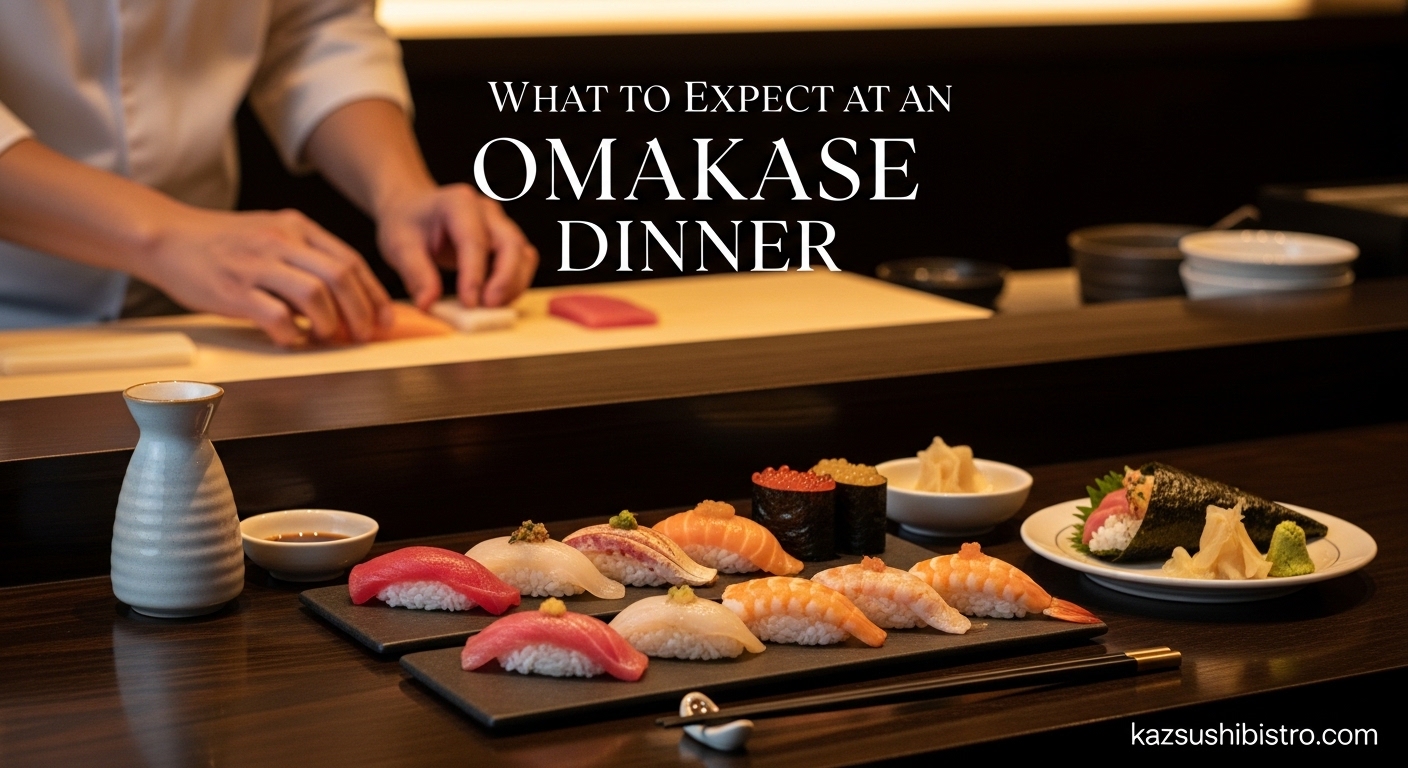
Walking into an omakase restaurant for the first time can feel intimidating. I remember my first experience vividly – sitting at a pristine wooden counter, watching the chef prepare ingredients with surgical precision, wondering if I would accidentally commit some unforgivable breach of etiquette. If you are feeling nervous about your first omakase dinner, you are not alone, and this guide will walk you through exactly what to expect at an omakase dinner so you can relax and enjoy one of the most memorable dining experiences available in 2026.
By the end of this guide, you will understand the meaning behind omakase, how the experience unfolds from start to finish, proper etiquette to follow, and why this chef’s choice dining format has become one of the most sought-after culinary experiences worldwide. I have drawn from my own experiences dining at omakase restaurants across three countries, plus insights from sushi chefs and hundreds of forum discussions from first-time guests.
Table of Contents
What Is Omakase? Understanding the Meaning
Omakase (おまかせ) is a Japanese term that translates to “I leave it up to you.” In the context of dining, it represents a profound act of trust between guest and chef – you are essentially telling the chef that you trust their expertise, their palate, and their knowledge of seasonal ingredients enough to let them design your entire meal.
This concept runs deep in Japanese culture, where the relationship between artisan and patron carries significant weight. When you choose omakase, you are not simply ordering food. You are participating in a cultural tradition that honors the chef’s years of training, their relationships with fish markets and suppliers, and their creative vision for that particular evening.
The chef’s choice format emerged from sushi counter culture in Japan, where regular customers would ask the chef to serve them whatever was freshest and best that day. Over time, this evolved into a formalized multi-course experience that showcases the full range of the chef’s skills, from appetizers through nigiri and into desserts.
What to Expect at an Omakase Dinner 2026
The omakase experience follows a distinct rhythm that unfolds over the course of the evening. Understanding this flow helps eliminate anxiety and allows you to appreciate each phase of the meal.
Arrival and Seating
When you arrive, you will be seated at the sushi counter, typically facing the chef’s preparation area. Most premium omakase restaurants seat only 8 to 12 guests per seating, creating an intimate atmosphere. The counter itself is usually made of hinoki cypress or another fragrant wood, adding a subtle sensory element to the experience.
Your chef will greet you, often with a slight bow. This is your opportunity to mention any dietary restrictions or allergies, though I recommend communicating these when booking rather than at the counter. Some guests also share preferences here – perhaps you particularly enjoy fatty tuna or prefer lighter flavors – but keep this brief.
The Course-by-Course Journey
The meal unfolds as a sequence of individual dishes, each served one at a time. The chef prepares each piece in front of you, often explaining the origin of the fish, the preparation technique, or why they chose that particular ingredient for this moment in the progression. This personal interaction is a defining characteristic of omakase dining.
As each dish arrives, the chef will place it directly on the counter in front of you. You eat it, express your appreciation if you wish, and then wait for the next course. There is no rushing. The pace is deliberate, allowing you to savor each flavor before the next arrives.
Conversation and Atmosphere
The atmosphere at omakase counters varies by restaurant, but generally favors quiet appreciation over loud conversation. Many guests find themselves in conversation with the chef and occasionally with neighboring diners. I have had memorable evenings where the counter became almost communal, with strangers sharing reactions to particularly exceptional pieces.
Keep your voice low and respectful. The focus should remain on the food and the craft happening before you. Watch the chef’s knife work, observe how they age fish, notice the care with which they form each piece of nigiri. This is as much a performance as it is a meal.
How Long Is an Omakase Dinner and How Many Courses?
Based on my experiences and research across dozens of omakase restaurants, you should expect to spend between 90 minutes and 2.5 hours for a full omakase dinner. Some extended experiences, particularly those at the highest end, can stretch to 3 hours or more.
The number of courses typically ranges from 6 to 12, though I have experienced omakase dinners with as many as 20 courses. A standard progression includes 2 to 3 appetizer courses, 6 to 10 pieces of nigiri sushi, possibly a cooked dish, and a dessert. The exact count matters less than the progression of flavors and the pacing between courses.
Pace yourself accordingly. Do not arrive starving, as the meal unfolds gradually. Similarly, do not arrive overly full, as you will want to appreciate each course fully. I recommend eating lightly earlier in the day and avoiding strong perfumes or colognes, as these can interfere with your ability to appreciate the subtle aromas of the fish.
Timing matters for another reason. Many omakase restaurants offer only two seatings per evening – one at 6:00 PM and another at 8:30 PM. Arriving late can throw off the kitchen timing and affect other guests. Arrive 5 to 10 minutes early, no sooner, as the staff needs time to reset the counter between services.
What Is Typically Served at Omakase?
While every chef brings their own creativity and regional influences, most omakase dinners follow a similar progression of dishes. Understanding this flow helps you appreciate why certain items appear when they do.
Appetizers (Ottsumami)
The meal typically begins with light appetizers called ottsumami. These might include chawanmushi (a delicate savory egg custard), seasonal vegetables, lightly grilled fish, or raw preparations that showcase the freshness of the ingredients. These opening dishes prime your palate for what follows.
Sashimi Courses
Following the appetizers, you will typically encounter sashimi – pristine slices of raw fish served without rice. The chef may present multiple varieties, each with its own garnish or minimal seasoning. The order matters here, typically progressing from lighter white fish to richer, oilier varieties.
Nigiri Sushi
The heart of most omakase dinners is the nigiri sequence. These hand-pressed mounds of seasoned rice topped with fish are served one piece at a time. A typical progression might move from flounder to snapper, then to goldeneye snapper, tuna, and finally the rich, fatty cuts like otoro. The chef applies the perfect amount of wasabi and seasoning to each piece.
Cooked Dishes and Interludes
Some omakase dinners include cooked courses – perhaps tempura made with seasonal vegetables, a grilled fish preparation, or a soup course. These serve as palate cleansers between raw courses and add variety to the texture and temperature of the meal.
Dessert
The meal concludes with a light dessert, often seasonal fruit, a subtle sorbet, or traditional Japanese sweets like mochi or matcha-based preparations. This provides a gentle finish to what can be a substantial meal.
Omakase Etiquette: What to Do and What to Avoid
Understanding proper etiquette removes the anxiety many first-timers feel. Most rules come down to respect – for the chef, for the ingredients, and for the other guests.
What You Should Do
- Greet the chef and staff with respect when you arrive
- Eat each piece as soon as it is served, while at ideal temperature
- Use your hands for nigiri if you prefer – this is traditional and acceptable
- Express gratitude to the chef at the end of the meal
- Keep your phone away during the meal – photography policies vary, so ask first
- Pace yourself with alcohol if you are drinking – you want to taste each piece clearly
What You Should Avoid
- Do not add extra soy sauce or wasabi without tasting first – the chef has already seasoned each piece
- Avoid rubbing your chopsticks together – this implies the chopsticks are cheap or splintered
- Do not split pieces of nigiri into multiple bites – each piece is designed to be eaten whole
- Refrain from strong fragrances – perfume or cologne interferes with the subtle aromas of the fish
- Do not linger excessively after the meal concludes – the staff needs to prepare for the next seating
- Avoid loud conversations or disruptive behavior – respect the intimate atmosphere
One etiquette point that causes confusion is whether to use chopsticks or hands for nigiri. Both are acceptable. Traditionally, hands were used, and many Japanese diners still prefer this method. Use whichever feels more natural to you, though hands offer better control when dipping into soy sauce.
How to Eat Sushi and Sashimi Properly
The mechanics of eating sushi and sashimi matter more than you might think. Proper technique ensures you experience the dish as the chef intended.
For Nigiri Sushi
If using chopsticks, pick up the nigiri from the side, holding it gently between the fish and rice. If using your hands, lift it with your thumb and middle finger on the sides, index finger on top. Turn the nigiri fish-side down when dipping into soy sauce – the rice should never touch the soy sauce, as it will absorb too much and fall apart.
Place the entire piece in your mouth fish-side down, so the fish touches your tongue first. This allows you to taste the full flavor of the fish before the rice. Chew gently and appreciate the texture contrast between the fish and the warm, seasoned rice.
For Sashimi
Eat sashimi with chopsticks. If a garnish such as shredded daikon or shiso leaf accompanies the fish, you can use it as a base. Some chefs add a small amount of sauce or seasoning to sashimi – follow their lead rather than adding your own soy sauce.
One important note on wasabi: in high-quality omakase restaurants, the chef applies the appropriate amount of wasabi between the fish and rice. Adding extra is unnecessary and can overpower the delicate flavors the chef has carefully balanced.
The Art of Trusting Your Chef
At the heart of omakase lies trust. You are placing your evening in the hands of someone who has likely spent decades perfecting their craft. This trust extends beyond simply accepting whatever fish they serve – it means trusting their judgment about timing, progression, and preparation methods.
The best omakase experiences happen when you engage with this trust fully. I have watched chefs change their planned progression based on a guest’s reactions, serving a second piece of particularly prized fish to someone who clearly appreciated it, or adjusting the pace for someone eating slowly. The counter becomes a conversation without words.
Seasonality drives the omakase experience. A chef in 2026 working in spring might feature cherry blossom trout, while summer brings different tuna varieties and fall showcases mackerel and other rich fish. The chef’s relationships with suppliers, their knowledge of what is at peak freshness, and their ability to adjust the menu daily separate good omakase from truly exceptional experiences.
If you have dietary restrictions, communicate them clearly when booking or at the start of the meal. Most chefs can accommodate allergies or aversions, though this may limit the full range of the experience. Vegetarian omakase exists but is less common, as the format evolved around showcasing seafood.
Frequently Asked Questions
What should you not do during omakase?
Avoid adding extra soy sauce or wasabi without tasting first, splitting nigiri into multiple bites, wearing strong fragrances, using your phone during the meal, and rubbing chopsticks together. Do not linger excessively after the meal ends, and keep conversation at a respectful volume.
What should I expect when I go to omakase?
Expect an intimate dining experience at a sushi counter with 8-12 guests. The chef will serve 6-12+ courses one at a time over 90 minutes to 2.5 hours. Each piece is prepared in front of you, and the chef may explain the ingredients. The pace is deliberate, allowing you to savor each course before the next arrives.
What is typically served at omakase?
Omakase typically includes light appetizers (ottsumami), sashimi courses, multiple pieces of nigiri sushi progressing from light to rich flavors, possibly cooked interludes like tempura, and a seasonal dessert. The exact dishes vary daily based on what ingredients are freshest.
What is an omakase dinner experience?
Omakase is a Japanese dining tradition where guests entrust the chef to curate a multi-course meal based on the freshest seasonal ingredients. The term means I leave it up to you. It involves sitting at a counter, watching the chef prepare each dish, and receiving personalized attention throughout a 90-minute to 2.5-hour meal.
Is omakase worth the price?
For most diners, yes. The value comes from exceptional ingredient quality, the chef’s expertise and years of training, the personalized attention, and the intimate atmosphere. You are paying for a culinary performance using premium seafood, often sourced from specialized markets and aged using traditional techniques.
What should I wear to an omakase dinner?
Smart casual to business casual attire is appropriate. Avoid overly casual clothing like gym wear or flip-flops. The atmosphere is refined but not formal – you do not need a suit or evening dress unless dining at an extremely high-end establishment. The focus should be on the food, not your outfit.
Conclusion: Is Omakase Worth It?
Now that you know what to expect at an omakase dinner, the question becomes whether you should book that reservation. In my experience, the answer is unequivocally yes – if you appreciate exceptional food, value craftsmanship, and are willing to surrender control for one evening.
Omakase offers something increasingly rare in modern dining: genuine human connection between chef and guest, ingredients at their absolute peak, and an experience that unfolds at a human pace rather than being rushed to turn tables. The trust you place in your chef rewards you with flavors, textures, and combinations you might never have chosen for yourself.
Walk into your first omakase dinner with confidence. Arrive on time, respect the space and the craft, eat each piece as served, and allow yourself to be surprised. The chef has prepared a journey for you – all you need to do is take the first bite and trust where it leads.