
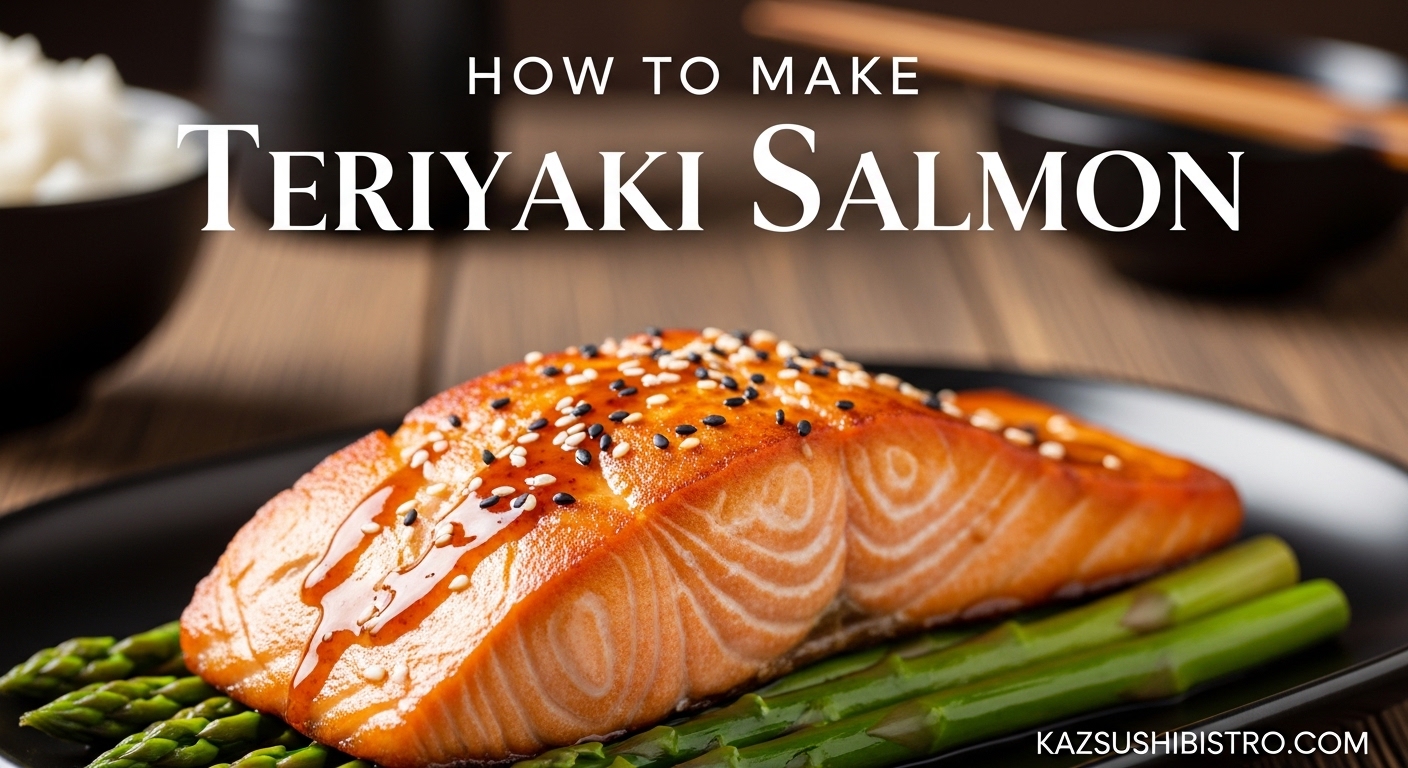
Learning how to make teriyaki salmon at home gives you restaurant-quality results without the restaurant prices. This teriyaki salmon recipe has become my go-to weeknight dinner because it delivers that perfect balance of sweet and savory glaze over flaky, tender fish in just 25 minutes.
I spent months testing different teriyaki sauce recipes to find the authentic Japanese ratio that delivers the glossy, caramelized finish you see at sushi restaurants. The method I share here works with any salmon you have on hand, whether it is fresh fillets from the fish market or frozen portions from your freezer.
By the end of this guide, you will know exactly how to make teriyaki salmon with a homemade sauce that rivals any Japanese restaurant. We will cover three cooking methods, sauce secrets, and pro tips I learned from testing over 50 batches.
Table of Contents
Why Make Teriyaki Salmon at Home Instead of Ordering Takeout?
Restaurant teriyaki salmon typically costs $18 to $25 per plate, while making it at home brings the cost down to about $6 per serving. That adds up to significant savings for families who love this dish regularly.
When you make your own homemade teriyaki sauce, you control the sodium and sugar content. Many bottled sauces contain high-fructose corn syrup and excessive salt. My recipe uses natural ingredients and lets you adjust the sweetness to your taste.
Home cooking also allows you to achieve that sushi restaurant quality through careful technique. The glossy glaze and perfectly cooked flaky texture are absolutely achievable in your own kitchen with the steps I outline below.
What You Need: Teriyaki Salmon Ingredients 2026
Gathering the right ingredients makes all the difference between good and great teriyaki salmon. Here is what you need for 4 servings:
For the Salmon
4 salmon fillets, 6 ounces each, skin on or off based on preference. Wild salmon like sockeye or coho has a firmer texture and richer flavor. Farmed Atlantic salmon offers more fat content, which keeps the fish moist during cooking.
Pat the salmon dry with paper towels before cooking. Moisture on the surface prevents proper caramelization of the teriyaki glaze.
For the Homemade Teriyaki Sauce
The traditional Japanese teriyaki sauce uses a simple ratio of 1:1:1 for the three core ingredients: soy sauce, mirin, and sake. You will need:
1/4 cup soy sauce (preferably low-sodium to control saltiness). 1/4 cup mirin (Japanese sweet rice wine that provides sweetness and shine). 1/4 cup sake (Japanese rice wine that tenderizes and adds depth). 2 tablespoons sugar (white or brown sugar works). 1 teaspoon sesame oil for nutty aroma. 2 cloves garlic, minced. 1 tablespoon fresh ginger, grated.
For Thickening and Garnish
1 tablespoon cornstarch mixed with 2 tablespoons water creates a slurry that thickens the sauce to a glossy glaze. 2 green onions, thinly sliced. 2 tablespoons sesame seeds, toasted.
[Image: Teriyaki salmon ingredients arranged on a wooden cutting board – soy sauce, mirin, fresh salmon fillets, ginger, garlic, sesame seeds, and green onions]
How to Make Homemade Teriyaki Sauce?
Great teriyaki salmon starts with an exceptional sauce. While bottled sauces work in a pinch, making your own takes just 10 minutes and delivers far superior flavor. Follow these steps for authentic Japanese-style teriyaki sauce:
Step 1: Combine the liquid base. In a small saucepan, whisk together 1/4 cup soy sauce, 1/4 cup mirin, and 1/4 cup sake. This 1:1:1 ratio creates the traditional Japanese teriyaki balance.
Step 2: Add aromatics and sweetness. Stir in 2 tablespoons sugar, minced garlic, and grated ginger. The fresh aromatics separate homemade sauce from store-bought versions.
Step 3: Simmer to develop flavor. Bring the mixture to a gentle boil over medium heat, then reduce to low and simmer for 5 minutes. This allows the alcohol in the mirin and sake to cook off while the flavors meld.
Step 4: Thicken the sauce. Mix 1 tablespoon cornstarch with 2 tablespoons cold water to create a slurry. Slowly pour this into the simmering sauce while whisking constantly. The sauce will thicken within 30 seconds to 1 minute.
Step 5: Finish with sesame oil. Remove from heat and stir in 1 teaspoon sesame oil for that signature nutty aroma. Your sauce should coat the back of a spoon and have a glossy sheen.
The sauce keeps in an airtight container in the refrigerator for up to two weeks. I often double the batch so I have extra for rice bowls later in the week.
[Image: Teriyaki sauce simmering in a small saucepan, showing glossy consistency and rich brown color]
How to Make Teriyaki Salmon: Step-by-Step Cooking Instructions 2026
Now that your sauce is ready, let us cook the salmon. I will show you three methods, each delivering excellent results with slightly different textures. Choose based on your equipment and preference.
Method 1: Baked Teriyaki Salmon (My Preferred Method)
Baking gives you the most consistent results with minimal attention required. This method works beautifully for both wild and farmed salmon.
Step 1: Preheat your oven to 400 degrees Fahrenheit. Line a baking sheet with parchment paper or aluminum foil for easy cleanup.
Step 2: Prepare the salmon. Pat your 6-ounce fillets completely dry with paper towels. Season lightly with salt and pepper if desired, though the teriyaki sauce provides plenty of flavor.
Step 3: Apply a base layer of sauce. Brush each fillet with a thin layer of teriyaki sauce. This creates the foundation for your glaze.
Step 4: Bake according to salmon type. For farmed Atlantic salmon: bake for 12 to 14 minutes. For wild salmon like sockeye or coho: bake for 8 to 10 minutes. Wild salmon cooks faster due to lower fat content.
Step 5: Glaze halfway through. After the initial bake time, remove the salmon and brush generously with more teriyaki sauce. Return to the oven for 2 to 3 additional minutes to caramelize the glaze.
Step 6: Check doneness. The salmon should flake easily with a fork and reach an internal temperature of 145 degrees Fahrenheit. The glaze should look sticky and slightly caramelized.
Method 2: Pan-Seared Teriyaki Salmon
Pan-searing delivers crispy edges and a beautifully glazed top. This method requires more attention but rewards you with restaurant-style presentation.
Step 1: Heat a heavy skillet over medium-high heat. Cast iron works best, but any oven-safe skillet will do. Add 1 tablespoon neutral oil with a high smoke point, like avocado or grapeseed oil.
Step 2: Sear the salmon. Place fillets skin-side up in the hot pan. Cook for 4 minutes without moving them. This creates a golden crust.
Step 3: Flip and sauce. Carefully flip the fillets and immediately pour 1/4 cup of teriyaki sauce into the pan. The sauce will bubble and begin to reduce immediately.
Step 4: Baste and glaze. Tilt the pan slightly and spoon the bubbling sauce over the salmon continuously for 2 to 3 minutes. The sauce will thicken and coat the fish beautifully.
Step 5: Finish cooking. Continue basting until the salmon reaches 145 degrees Fahrenheit internally, about 3 to 4 minutes total on the second side. The glaze should look thick and glossy.
Method 3: Air Fryer Teriyaki Salmon
The air fryer method delivers crispy edges with minimal oil. It is perfect for busy nights when you want quick results.
Step 1: Preheat your air fryer to 380 degrees Fahrenheit. Lightly spray the basket with oil to prevent sticking.
Step 2: Season and sauce the salmon. Brush each fillet with teriyaki sauce on both sides. This method benefits from the sauce going on before cooking since the circulating air helps caramelize it.
Step 3: Air fry for 7 to 9 minutes. Cooking time depends on thickness. A 1-inch thick fillet takes about 8 minutes. Thicker pieces may need an extra minute or two.
Step 4: Check and glaze. At the 5-minute mark, open the air fryer and brush on additional sauce. Continue cooking until the glaze caramelizes and the salmon flakes easily.
The air fryer method gives you slightly crispy edges while keeping the interior moist and flaky. It is my favorite for quick lunches.
[Image: Beautifully glazed teriyaki salmon fillet served over steamed white rice with steamed broccoli and garnished with sesame seeds and green onion]
Should You Marinate Teriyaki Salmon? Expert Timing Guidance
Many recipes call for marinating teriyaki salmon, but I have found it is often unnecessary and can actually hurt your results. Here is what you need to know about marinating.
Fresh salmon has a delicate texture that can turn mushy when exposed to acidic or salty marinades for too long. The soy sauce in teriyaki marinade starts breaking down the proteins quickly. I tested marinating times from 15 minutes to 8 hours, and the sweet spot is just 20 to 30 minutes.
If you want to marinate for flavor enhancement, place salmon in a shallow dish and pour 1/4 cup of teriyaki sauce over the fillets. Turn once to coat both sides. Refrigerate for 20 to 30 minutes maximum. Any longer and you risk mushy texture.
For busy weeknights, skip the marinating entirely. The cooking methods I described above apply sauce at the right moments to build flavor without the wait. You will save time and get better texture.
Pro Tips for Restaurant-Quality Teriyaki Salmon Every Time
After testing dozens of batches, these tips consistently separate good teriyaki salmon from the truly exceptional results you get at Japanese restaurants.
Tip 1: Wild vs Farmed Salmon Timing Wild salmon like sockeye and coho cook significantly faster than farmed Atlantic salmon due to lower fat content. Always reduce cooking time by about 30% for wild varieties. Overcooked wild salmon becomes dry and chalky quickly.
Tip 2: Sauce Timing Matters Apply teriyaki sauce at the right moments. For baking, a light coat before cooking builds base flavor, then a generous glaze during the final 2 to 3 minutes creates the caramelized finish. Adding all the sauce at the beginning causes burning and bitterness.
Tip 3: Achieving the Glossy Glaze That signature sushi restaurant shine comes from the sugar in the sauce caramelizing slightly. Your oven or pan needs to be hot enough to activate this reaction. If your glaze looks dull, finish under the broiler for 1 to 2 minutes, watching carefully to prevent burning.
Tip 4: Skin On or Off? Cooking with the skin on protects the delicate flesh and adds flavor. The skin becomes crispy and delicious when pan-seared. For baking, skin-on fillets stay moister. If you prefer skinless, reduce cooking time by 1 to 2 minutes.
Tip 5: Let It Rest Allow cooked salmon to rest for 2 to 3 minutes before serving. This helps the juices redistribute throughout the fillet, ensuring every bite stays moist and flavorful.
What to Serve with Teriyaki Salmon: Complete Meal Ideas
Teriyaki salmon pairs beautifully with simple sides that complement the sweet-savory glaze. Here are my favorite combinations for a complete dinner.
Rice Options: Steamed white rice is the traditional choice and provides a neutral base that soaks up extra teriyaki sauce. Brown rice adds nutty flavor and extra fiber. For a lower-carb option, try cauliflower rice or shirataki noodles.
Vegetable Pairings: Steamed broccoli is the classic choice. Its mild bitterness balances the sweet glaze. Other excellent options include asparagus, bok choy, snap peas, or a simple cucumber salad with rice vinegar. Roasted Brussels sprouts with a touch of soy sauce work beautifully too.
Rice Bowl Assembly: For a Japanese rice bowl presentation, place steamed rice in a bowl, top with flaked teriyaki salmon, add steamed vegetables, and drizzle with extra sauce. Garnish generously with green onion and toasted sesame seeds. Add pickled ginger on the side for an authentic touch.
Garnishing Tips: The visual presentation elevates home cooking to restaurant quality. Sprinkle toasted sesame seeds generously over the salmon. Add thinly sliced green onion for color contrast. A light drizzle of additional teriyaki sauce on the plate looks professional and provides extra flavor.
Storage, Leftovers, and Meal Prep Tips
Cooked teriyaki salmon stores well, making it perfect for meal prep. Here is how to handle leftovers properly.
Refrigerate cooked salmon within 2 hours of cooking. Store in an airtight container for up to 3 days. The teriyaki glaze helps keep the fish moist during storage compared to plain cooked salmon.
Reheat gently to avoid drying. The best method is a 275-degree oven for 10 to 15 minutes until warmed through. Microwaving works in a pinch, but use 50% power in 30-second intervals to prevent overcooking.
For meal prep, I recommend storing the salmon and rice separately from vegetables to maintain texture. Assemble your lunch bowls the morning you plan to eat them rather than days ahead. The teriyaki sauce can be made in advance and stored for up to 2 weeks, so double the batch when cooking.
Frequently Asked Questions About Making Teriyaki Salmon
How best to cook teriyaki salmon?
The best method depends on your priorities. Baking at 400 degrees for 12-14 minutes gives the most consistent results with minimal attention. Pan-searing delivers crispy edges and restaurant-style presentation. Air frying at 380 degrees for 7-9 minutes offers quick results with slightly crispy texture. All three methods work well when you follow proper timing and glazing techniques.
Do you put teriyaki sauce before or after cooking salmon?
Apply teriyaki sauce both before and during cooking for best results. A light coat before cooking builds base flavor. Then brush on a generous glaze during the final 2-3 minutes to create the signature caramelized finish. Adding all sauce at the beginning causes burning, while adding it all at the end prevents proper flavor penetration.
Do you marinate teriyaki salmon?
Marinating is optional and often unnecessary. If you choose to marinate, limit it to 20-30 minutes maximum. Longer marinating makes salmon mushy due to the salt and acid in soy sauce breaking down proteins. For busy weeknights, skip marinating entirely and use the glazing techniques described in this recipe for excellent flavor without the wait.
How to make salmon for a diabetic?
Make diabetic-friendly teriyaki salmon by reducing sugar in the sauce or using sugar alternatives. Replace the 2 tablespoons sugar with 1 tablespoon honey or a sugar substitute like monk fruit sweetener. Use low-sodium soy sauce to control salt content. Serve with cauliflower rice instead of white rice to reduce carbohydrates. The salmon itself is excellent for diabetics, providing healthy protein and omega-3 fatty acids without impacting blood sugar.
Can I use frozen salmon for teriyaki salmon?
Yes, frozen salmon works perfectly. Thaw it completely in the refrigerator overnight before cooking. Pat very dry with paper towels since thawed salmon releases more moisture than fresh. You may need to add 1-2 minutes to cooking time. Costco frozen salmon is a budget-friendly option that delivers excellent results with this recipe.
Why is my teriyaki sauce not thickening?
If your sauce will not thicken, check these common issues. The cornstarch slurry must be added to simmering liquid, not cold sauce. Whisk constantly while adding the slurry. If the sauce is too hot, the cornstarch can break down, so keep at a gentle simmer. Alternatively, you may need more cornstarch. Mix an additional teaspoon with water and add gradually until desired consistency is reached.
Conclusion
Now you know exactly how to make teriyaki salmon that rivals your favorite Japanese restaurant. The key is starting with a quality homemade teriyaki sauce using the traditional 1:1:1 ratio, then applying proper cooking technique whether you choose to bake, pan-sear, or air fry.
This teriyaki salmon recipe has earned a permanent spot in my weeknight rotation because it delivers consistently excellent results in under 30 minutes. The sweet-savory glaze, flaky texture, and simple preparation make it a dish the whole family loves.
I encourage you to try this recipe and make it your own. Experiment with different cooking methods to find your favorite. Share your results in the comments, and let me know any questions as you master this classic Japanese-inspired dish at home.