
I still remember the first time I tasted authentic yakisoba at a summer festival in Osaka. The sizzling sound of noodles hitting the hot griddle, the sweet-savory aroma of the sauce caramelizing, and that perfect chewy texture had me hooked instantly. Learning how to make yakisoba at home became my mission, and after dozens of attempts (and a few soggy failures), I finally cracked the code to restaurant-quality results.
In this guide, you will learn the exact techniques to make authentic Japanese yakisoba that rivals street food vendors. We will cover everything from selecting the right noodles to mastering the signature sauce that gives this dish its unmistakable flavor. Whether you are a complete beginner or looking to perfect your technique, these step-by-step instructions will have you serving up perfect yakisoba in about 30 minutes.
The secret lies in understanding a few key principles that most recipes gloss over. High heat, proper noodle handling, and a balanced sauce make all the difference between mediocre and magnificent results. Let us dive into creating this beloved Japanese comfort food in your own kitchen.
Table of Contents
What is Yakisoba?
Yakisoba literally means “fried noodles” in Japanese, but here is the first surprise: despite the name containing “soba,” this dish does NOT use buckwheat soba noodles. Instead, yakisoba is made with wheat-based Chinese-style noodles called mushi chukamen. These are the same type of pre-steamed noodles used for ramen, which explains their chewy, springy texture that holds up beautifully to stir-frying.
The dish originated in Japan during the early 20th century, inspired by Chinese chow mein but adapted with distinctly Japanese flavors. It gained massive popularity after World War II as an affordable, filling street food. Today, yakisoba remains a staple at Japanese festivals (matsuri), school events, and weekend family lunches. You will find it sizzling on massive iron griddles (teppan) at outdoor events, served in paper boats with wooden forks.
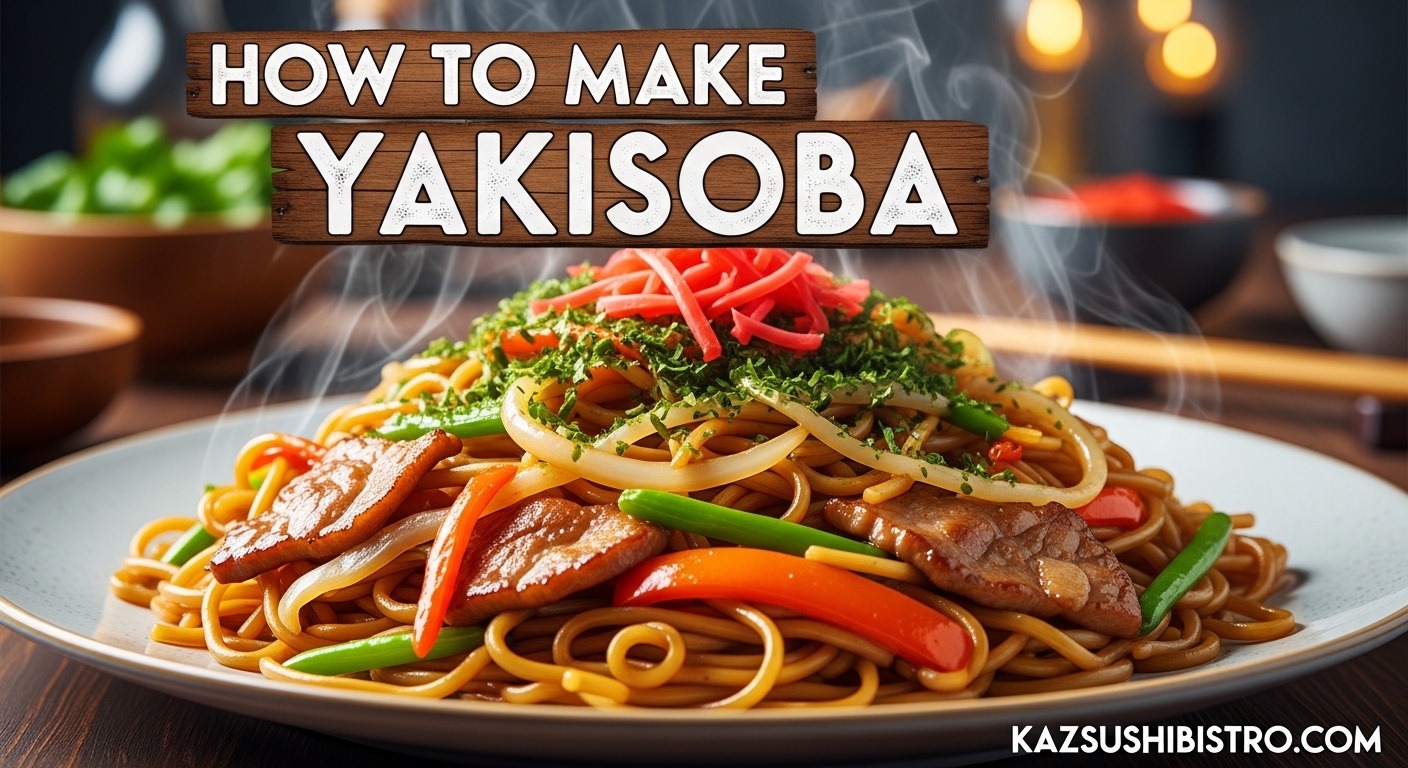
Traditional yakisoba combines these wheat noodles with sliced pork belly, cabbage, onions, and carrots. The magic happens when everything hits a screaming hot surface and gets coated with a tangy, slightly sweet sauce. The result is a harmonious blend of textures: chewy noodles, tender meat, and vegetables that retain just enough crunch. Topped with aonori (green seaweed flakes) and beni shoga (red pickled ginger), it is pure Japanese comfort food.
Ingredients You Will Need 2026
Gathering the right ingredients sets the foundation for authentic flavor. While yakisoba is flexible, certain components are essential for that classic taste. Here is what you need for four servings:
The Noodles
Look for packages labeled “yakisoba noodles” or “steamed Chinese noodles” in the refrigerated section of Asian grocery stores. These come pre-cooked and oiled, ready for the pan. Brands like Maruchan, Myojo, or Sun Noodle work perfectly. Fresh ramen noodles are the best substitute if you cannot find yakisoba-specific noodles. Dried noodles are not recommended unless you pre-cook them to al dente texture first.
Protein Options
Pork belly is the traditional choice and renders beautiful flavor as it cooks. Slice it thinly against the grain. Chicken thigh works wonderfully as a leaner alternative. For seafood lovers, shrimp or squid are popular in coastal Japan. Firm tofu (pressed and cubed) makes an excellent vegetarian protein that soaks up the sauce beautifully.
Vegetables
Cabbage is non-negotiable. Use about three cups of thinly sliced green cabbage. It wilts perfectly while maintaining some texture. Yellow onion adds sweetness when caramelized. Carrots provide color and a touch of sweetness. Bean sprouts (one cup) add a fresh crunch that contrasts the chewy noodles. Shiitake mushrooms are optional but add an earthy depth.
Essential Toppings
Aonori (dried green laver seaweed) is sprinkled on top for that unmistakable aroma. Beni shoga (red pickled ginger) adds a tangy punch that cuts through the richness. Katsuobushi (bonito flakes) dance on the hot noodles from the steam. These toppings transform good yakisoba into great yakisoba.
Homemade Yakisoba Sauce
The sauce is where the magic happens. Store-bought yakisoba sauce (called “sosu”) works in a pinch, but homemade gives you control over the balance. After testing countless ratios, here is the formula that delivers that addictive sweet-savory-tangy profile:
- 4 tablespoons Worcestershire sauce (the Japanese kind like Bull-Dog if available)
- 2 tablespoons oyster sauce
- 2 tablespoons soy sauce
- 2 tablespoons ketchup
- 1 tablespoon honey or sugar
- 1/2 teaspoon curry powder (the secret ingredient)
- 1/4 teaspoon sesame oil
That half-teaspoon of curry powder is the game-changer most recipes miss. It adds a subtle warmth and depth that makes people ask what your secret is. Mix everything in a small bowl and set aside. The sauce keeps in the refrigerator for two weeks, so double the batch if you plan to make yakisoba regularly.
If your sauce ends up too sweet, add a splash more soy sauce. Too salty? A touch more ketchup balances it out. Taste and adjust before adding to the pan. This sauce also works beautifully on okonomiyaki or as a marinade for grilled meats.
How to Make Yakisoba: Step-by-Step Instructions
Now we put it all together. Read through these steps before starting because yakisoba comes together quickly once cooking begins. Have all ingredients prepped and within arm’s reach.
Step 1: Prepare All Ingredients
Slice your pork belly (or protein of choice) into thin strips about two inches long. Cut cabbage into bite-sized pieces, about one-inch squares. Slice onion thinly. Julienne the carrot into matchsticks. Rinse bean sprouts and drain well. Pro tip: freeze pork belly for ten minutes before slicing. It firms up just enough to make thin, even cuts much easier.
Step 2: Loosen the Noodles
Fresh yakisoba noodles come pressed together in blocks. Gently separate them with your fingers before cooking. If they are cold from refrigeration, a quick ten-second microwave softens them enough to separate without breaking. This step prevents clumpy noodles that cook unevenly. Handle them gently to avoid breakage.
Step 3: Cook the Protein
Heat one tablespoon of oil in a large skillet or wok over medium-high heat. Add the pork belly and cook until it renders its fat and gets crispy edges, about three to four minutes. Remove the meat with a slotted spoon, leaving the rendered fat in the pan. That pork fat is liquid gold for flavor.
Step 4: Stir-Fry the Vegetables
In the same pan with the pork fat, add onions and carrots. Cook for two minutes until they start softening. Add cabbage and cook another two minutes. The vegetables should still have some crunch. Remove vegetables from the pan and set aside with the cooked pork. Do not overcrowd the pan at any stage.
Step 5: Fry the Noodles Separately
Add another tablespoon of oil to the pan and turn heat to high. Add the loosened noodles and spread them out. Let them fry undisturbed for one minute to develop some caramelization. Toss and fry another minute. This separate frying step is crucial for achieving that slightly crispy noodle texture rather than soggy results.
Step 6: Combine and Sauce
Return the cooked pork and vegetables to the pan with the noodles. Pour your prepared yakisoba sauce evenly over everything. Toss vigorously for one to two minutes until every strand is coated and the sauce starts to caramelize slightly on the hot surface. The pan should be smoking a bit. That is the “wok hei” effect we are after.
Step 7: Add Bean Sprouts and Finish
Toss in the bean sprouts and cook for just thirty seconds. They should stay crunchy. Give everything a final toss and remove from heat immediately. Overcooking at this stage makes the dish soggy.
Step 8: Plate and Garnish
Divide between four plates or serving bowls. Top generously with aonori, beni shoga, and katsuobushi if using. Serve immediately while hot. Yakisoba waits for no one.
Yakisoba vs Chow Mein: What is the Difference?
This question comes up constantly in cooking forums, and the confusion is understandable. Both are stir-fried noodle dishes with similar appearances, but several key differences set them apart. Understanding these distinctions helps you appreciate what makes yakisoba uniquely Japanese.
The noodles differ significantly. Chow mein traditionally uses thinner egg noodles that are often deep-fried before saucing (crispy chow mein) or simply boiled (soft chow mein). Yakisoba uses thicker, chewier wheat noodles that are pre-steamed. These noodles have a springy texture that holds up better to aggressive stir-frying.
Sauce profiles are another major distinction. Chow mein sauce tends toward soy-based simplicity with garlic and ginger notes. Yakisoba sauce is more complex, built on Worcestershire sauce with sweet, tangy, and slightly fruity undertones from ketchup and oyster sauce. That curry powder addition we discussed earlier is distinctly Japanese.
Cooking methods vary too. Authentic chow mein is often cooked in a wok with continuous tossing. Yakisoba is traditionally prepared on a flat iron griddle (teppan), allowing ingredients to sear and caramelize in contact with the hot surface. This explains why home cooks using flat skillets often achieve better yakisoba results than wok-style cooking.
Toppings provide the final clue. Aonori, beni shoga, and katsuobushi are distinctly Japanese garnishes you will not find on Chinese chow mein. These toppings add layers of umami, acidity, and texture that complete the yakisoba experience.
Cooking Tips for Perfect Yakisoba Every Time
After making this dish hundreds of times, I have identified the most common pitfalls and how to avoid them. These tips address the exact problems home cooks report in online forums and cooking groups.
Prevent Soggy Noodles
Soggy yakisoba is the number one complaint. The solution starts with frying noodles separately before adding sauce. Never boil fresh yakisoba noodles before cooking. They are pre-cooked and only need reheating. Use high heat throughout cooking. A screaming hot pan evaporates moisture instantly. Do not add sauce until the final minute of cooking. Early saucing leads to steaming rather than frying.
Handle Noodles Without Breaking
Delicate noodles require gentle handling. Always loosen them before adding to the pan. Use two spatulas or chopsticks to lift and separate rather than stirring aggressively. If noodles stick together in the package, microwave briefly to soften. Cold noodles are brittle and break easily. Work quickly once cooking starts.
Manage Vegetable Moisture
Vegetables release water as they cook, which can water down your dish. Dry bean sprouts thoroughly after washing. Do not wash cabbage before slicing; any moisture dilutes flavor. Cook vegetables in batches if necessary. Overcrowding creates steam. Remove vegetables from the pan once they reach the desired texture rather than leaving them in throughout.
Achieve Wok Hei at Home
Wok hei, that smoky breath of the wok, seems impossible on a home stove. You can approximate it with these tricks. Preheat your pan until it barely starts smoking before adding oil. Cook in smaller batches. Crowding kills high heat. Let ingredients sit undisturbed briefly to develop caramelization. Use a carbon steel or cast iron pan that holds heat better than non-stick.
Fix Sauce Balance Issues
If your finished dish tastes too sweet, add a splash of rice vinegar or more soy sauce. Too salty? A bit more ketchup or a pinch of sugar balances it. Too tangy? A touch more oyster sauce rounds out the acidity. Taste the sauce before adding to the pan and adjust accordingly. Everyone’s palate differs, and brands of sauces vary in saltiness.
Equipment Recommendations
While professional yakisoba uses a teppan griddle, you can achieve excellent results with common kitchen equipment. A 12-inch carbon steel skillet is ideal. It heats evenly and develops seasoning that prevents sticking. Cast iron works beautifully but is heavier to maneuver. Large non-stick skillets are acceptable but will not achieve the same browning. Avoid small pans that force overcrowding.
Delicious Variations and Substitutions
Once you master the classic version, explore these popular variations. Yakisoba adapts beautifully to different proteins, dietary needs, and regional styles.
Vegetarian and Vegan Options
Replace pork with extra-firm tofu, pressed and cubed, or king oyster mushrooms torn into strips. Both develop satisfying texture and absorb sauce beautifully. Substitute vegetarian Worcestershire sauce and use mushroom-based oyster sauce alternatives. Skip the katsuobushi topping and double the aonori for umami.
Protein Alternatives
Chicken thigh stays juicier than breast meat during high-heat cooking. Shrimp cook in two minutes and add sweetness. Ground pork or beef works when sliced meat is unavailable. For a deluxe version, try squid or scallops, cooking them just until opaque.
Regional Japanese Styles
Hiroshima-style yakisoba features crispy noodles on the bottom, almost like a noodle pancake. Cook noodles longer in Step 5 without tossing. Okinawa-style uses thicker, udon-like noodles and includes spam, reflecting American military influence. Modern-yaki combines yakisoba with okonomiyaki, layering the noodles into the savory pancake.
Gluten-Free Adaptations
Rice noodles do not substitute well here as they lack the necessary chewiness. Look for gluten-free ramen-style noodles made from rice and potato starch. Use tamari instead of soy sauce. Check that your Worcestershire sauce is gluten-free, as many brands contain malt vinegar.
Frequently Asked Questions
What are the ingredients in yakisoba?
Yakisoba contains wheat-based noodles (mushi chukamen), sliced pork belly, cabbage, onions, carrots, and bean sprouts. It is flavored with a sauce made from Worcestershire sauce, oyster sauce, soy sauce, ketchup, and a secret touch of curry powder. Toppings include aonori (green seaweed), beni shoga (red pickled ginger), and katsuobushi (bonito flakes).
What does yakisoba sauce have in it?
Authentic yakisoba sauce combines Worcestershire sauce, oyster sauce, soy sauce, ketchup, honey or sugar, and curry powder. The curry powder is the secret ingredient that adds depth. Store-bought Japanese yakisoba sauce (sosu) is also available at Asian grocery stores if you prefer convenience.
Can I use ramen noodles for yakisoba?
Yes, fresh ramen noodles are the best substitute if you cannot find yakisoba-specific noodles. They share the same wheat-based, pre-steamed characteristics. Avoid instant ramen with seasoning packets. Dried noodles should be pre-cooked to al dente before stir-frying.
Why is my yakisoba soggy?
Soggy yakisoba results from overcrowding the pan, adding sauce too early, or using insufficient heat. Cook noodles separately at high heat before combining with other ingredients. Do not add sauce until the final minute. Ensure your pan is large enough to avoid steaming instead of frying.
How do you keep yakisoba noodles from breaking?
Loosen noodles gently with your fingers before cooking. If they are cold, microwave for ten seconds to soften. Handle them minimally during cooking. Use two spatulas to lift and turn rather than stirring vigorously. Work quickly once they hit the hot pan.
Is yakisoba made with soba noodles?
No, despite the name containing soba, yakisoba uses wheat-based Chinese-style noodles called mushi chukamen. These are pre-steamed wheat noodles similar to ramen noodles. True soba noodles are made from buckwheat and would fall apart when stir-fried.
How do I make yakisoba crispy?
For crispy yakisoba, use high heat and cook in smaller batches. Let noodles fry undisturbed for a minute to develop caramelization before tossing. The Hiroshima-style method cooks noodles longer to create a crispy bottom layer. Avoid adding sauce until the very end.
Can I make yakisoba without oyster sauce?
Yes, substitute mushroom-based vegetarian oyster sauce or increase the Worcestershire and soy sauce slightly. Add a touch more ketchup for body. The flavor will be slightly different but still delicious. Some Japanese home cooks omit oyster sauce entirely for a lighter taste.
Conclusion
You now have everything needed to make authentic Japanese yakisoba at home that rivals street food vendors. This dish comes together in about thirty minutes, uses one pan, and delivers incredible flavor that satisfies even the strongest takeout cravings.
The techniques covered in this guide on how to make yakisoba will serve you for years. Remember the fundamentals: high heat, loose noodles, separate frying, and that secret curry powder in your sauce. Master these, and you will never settle for mediocre stir-fried noodles again.
Start with the classic pork and cabbage version, then experiment with variations. Invite friends over for a yakisoba night and cook it together, Japanese festival-style. Nothing brings people together like food sizzling on a hot griddle. Once you taste your homemade version, those takeout menus might start gathering dust. Happy cooking!