
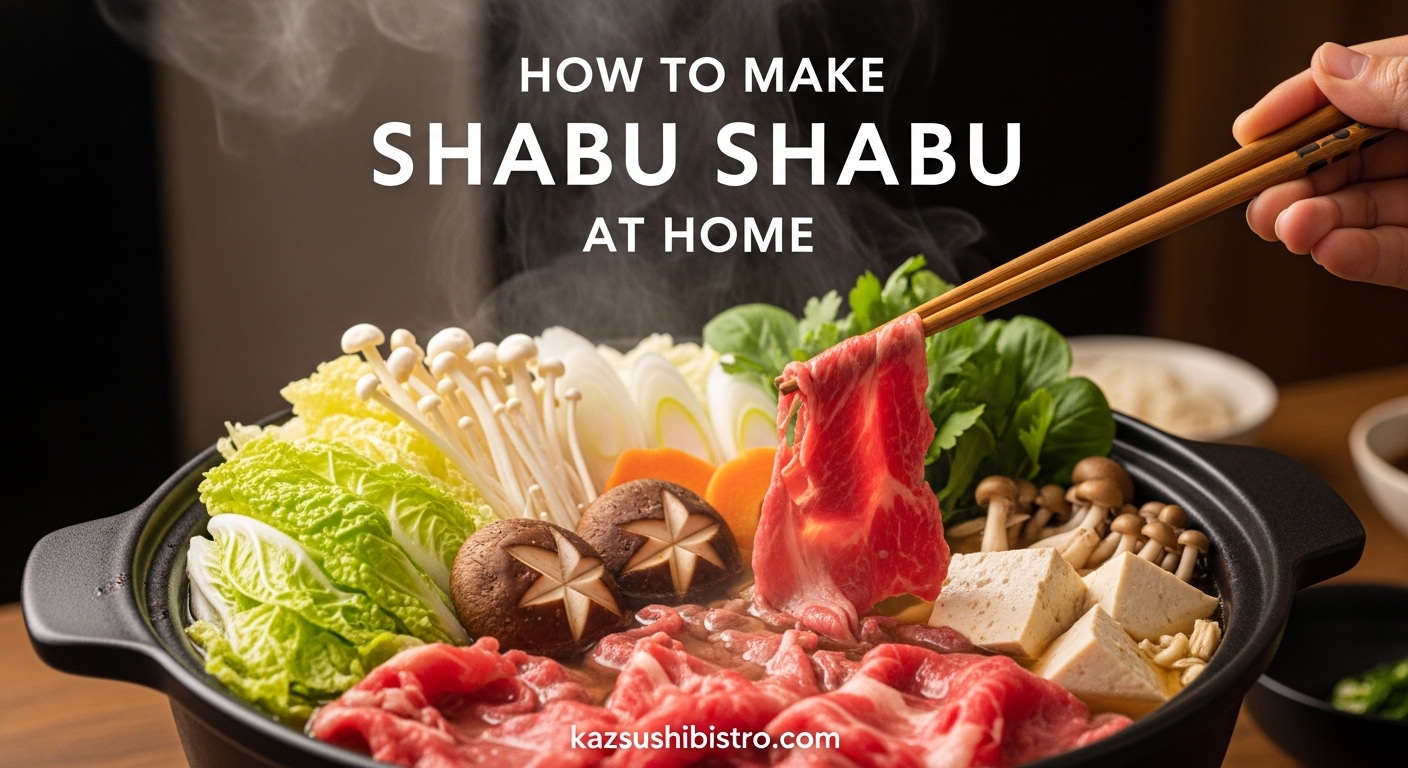
There is nothing quite like gathering around a steaming pot of shabu shabu on a cold evening, watching paper-thin slices of beef cook in seconds as you chat with friends and family. I remember the first time I made shabu shabu at home. I was nervous about getting the broth right and worried the meat would overcook, but by the end of the night, everyone was asking when we could do it again. This Japanese hot pot tradition is more forgiving than you might think, and with the right guidance, you can create a restaurant-quality experience in your own dining room.
In this guide, you will learn everything you need to know about making authentic shabu shabu at home, from selecting the perfect cut of meat to preparing traditional dipping sauces. We will cover the essential ingredients, walk through the cooking process step by step, and share tips I have gathered from years of hosting shabu shabu dinners. Whether you are a complete beginner or looking to refine your technique, this guide has you covered.
Table of Contents
What is Shabu Shabu?
Shabu shabu is a Japanese nabemono hot pot dish where diners cook thinly sliced meat and fresh vegetables in a simmering broth right at the table. The name comes from the sound the meat makes when you swish it through the hot liquid, a rhythmic “shabu shabu” that gives this dish its playful character. It is an interactive, communal dining experience that brings people together around the cooking process itself.
The dish originated in Osaka, Japan in the 1950s, inspired by Chinese hot pot traditions but adapted with distinctly Japanese flavors and ingredients. Unlike sukiyaki, which uses a sweet soy-based sauce and is often cooked by a server or host before serving, shabu shabu features a light, clear kombu dashi broth and is cooked by the diners themselves throughout the meal. This keeps the ingredients fresh and allows each person to control exactly how their food is prepared.
Traditional shabu shabu focuses on high-quality beef, though pork has become equally popular in modern Japan. The vegetables are simple and seasonal, typically including napa cabbage, mushrooms, and tofu. What makes shabu shabu truly special is the contrast between the delicate, barely-cooked meat and the rich, savory dipping sauces that accompany each bite.
Shabu Shabu Ingredients 2026
The beauty of shabu shabu lies in its simplicity. You do not need dozens of exotic ingredients to create an authentic experience. Here is exactly what you need to serve four people:
Protein
High-quality thinly sliced meat is the star of shabu shabu. Look for ribeye, chuck eye roll, or sirloin cut into paper-thin slices about 2-3mm thick. You will need about 8 ounces per person. Japanese or Korean grocery stores often carry pre-sliced shabu shabu meat labeled specifically for hot pot use.
If you cannot find thinly sliced meat, buy a well-marbled piece and freeze it for 30-45 minutes until firm but not solid. Use a sharp knife to slice it as thin as you can manage against the grain. The freezing firms up the meat and makes thin slicing much easier.
Pork belly or shoulder butt is an excellent alternative to beef, and many Japanese families prefer it for its rich flavor. Chicken breast works too, though it needs slightly longer cooking time. For a seafood variation, shrimp and scallops cook beautifully in the same broth.
Vegetables and Tofu
Traditional shabu shabu vegetables are simple but each serves a purpose. Napa cabbage provides sweetness and bulk. Shungiku, or edible chrysanthemum greens, add a distinctive herbal note. Tokyo negi, a long white Japanese scallion, offers a milder onion flavor than regular scallions.
Mushrooms are essential for building flavor in the broth as you cook. Use a mix of shiitake, enoki, and shimeji for variety. Firm or extra-firm tofu holds its shape well and absorbs the savory broth beautifully. Add carrot slices cut into flower shapes if you want an authentic presentation touch.
Broth Base
Authentic shabu shabu broth is nothing more than kombu dashi made from dried kelp and water. This light, clear base lets the natural flavors of the meat and vegetables shine. You will need one piece of kombu about 6 inches long for every 4 cups of water.
Some recipes add a handful of dried shiitake mushrooms or a splash of sake for depth, but purists stick to kombu and water. The broth evolves throughout the meal as ingredients release their flavors, becoming richer and more complex with each addition.
Finishing Course Ingredients
Part of the shabu shabu tradition is using the remaining broth at the end of the meal. Prepare cooked white rice, fresh udon noodles, or beaten eggs to create zosui, a Japanese rice porridge. A beaten egg swirled into the hot broth makes a silky egg drop soup that captures all the accumulated flavors.
Equipment You’ll Need
You do not need specialized Japanese equipment to make shabu shabu, though certain tools do enhance the experience. The key is having a heat source that keeps broth simmering at the table throughout the meal.
The Pot
A donabe, traditional Japanese clay pot, is ideal for shabu shabu. Its even heat distribution and beautiful presentation make it worth the investment if you plan to make hot pot regularly. Donabe pots retain heat well and look stunning on the table.
However, any wide, shallow pot works fine. An electric skillet, large Dutch oven, or even a wide saucepan on a portable burner will get the job done. The pot should hold at least 2-3 quarts of liquid and have low sides to make swishing easy.
Heat Source
A portable butane burner is the traditional choice and allows true tableside cooking. These inexpensive burners are widely available at Asian grocery stores and online. They use standard butane canisters and provide consistent, adjustable heat.
If you do not have a portable burner, prepare the broth on your stove and carefully transfer it to the table in a heavy pot that retains heat. You will need to return it to the stove periodically to reheat, which is less ideal but completely workable for beginners.
Essential Utensils
Each diner needs chopsticks for cooking and eating, plus a small wire mesh strainer or slotted spoon for retrieving ingredients from the broth. Small bowls for dipping sauces and rice bowls complete the setup. Small plates for cooked food help keep the meal organized.
How to Make Shabu Shabu?
Now that you have your ingredients and equipment ready, let us walk through the cooking process. I recommend preparing everything in advance so you can focus on hosting once your guests arrive.
Step 1: Prepare the Kombu Dashi Broth
Place your kombu in a pot with cold water, using about 4 cups of water per 6-inch piece of kelp. Let it soak for at least 30 minutes, or up to 3 hours if you have time. This cold infusion draws out the savory umami flavors without becoming bitter.
When ready to cook, place the pot over medium heat and warm the broth slowly. Watch carefully and remove the kombu just before the water reaches a full boil. Boiling kombu creates bitterness and a slimy texture, so timing matters here.
Step 2: Make Your Dipping Sauces
While the kombu soaks, prepare your sauces. Having both ponzu and sesame sauce ready gives diners options throughout the meal. We will cover detailed sauce recipes in the next section, but you want them finished and on the table before cooking begins.
Set out small sauce bowls for each person, plus any toppings like grated daikon, chopped scallions, or shichimi togarashi seven-spice blend. Arrange these on a serving tray for easy access during the meal.
Step 3: Arrange Ingredients on Platters
Presentation matters in shabu shabu. Arrange your sliced meat on a large platter, separating pieces so they do not stick together. Group vegetables by type on another platter, cutting everything into bite-sized pieces that cook quickly.
Cut napa cabbage into 2-inch pieces. Separate shungiku leaves from stems. Trim mushroom ends but keep small mushrooms whole. Cut tofu into 1-inch cubes. Blanch shirataki noodles if using, and cut them into shorter lengths to prevent tangling.
Step 4: Set Up the Table
Place your portable burner in the center of the table with the pot of kombu dashi on top. Each diner needs a plate, sauce bowl, chopsticks, and rice bowl. Keep the raw ingredient platters nearby where everyone can reach.
Have a plate of sliced meat and a plate of vegetables ready to add first. Keep additional ingredients on a side table or nearby counter and replenish as needed. This prevents overcrowding the cooking area.
Step 5: Heat the Broth and Begin Cooking
Light your burner and bring the kombu dashi to a gentle simmer over medium heat. You want small bubbles rising steadily but not a rolling boil. Boiling broth overcooks meat and makes vegetables mushy.
Start by adding aromatic vegetables like negi, napa cabbage core pieces, and mushrooms to the broth. These flavor the liquid and take longer to cook than other ingredients. Let them simmer for 3-4 minutes before adding meat.
Step 6: Cook the Meat
Using chopsticks, pick up one slice of meat and swish it gently through the hot broth for 10-20 seconds. The meat cooks almost instantly, turning from red to pink to brown as you move it. Lift it out when it is just cooked through with a slight blush in the center.
Transfer cooked meat directly to your dipping sauce bowl, or place it on your plate and add sauce on top. The meat carries heat that warms the sauce, releasing more aromatics. Cook only 2-3 slices at a time to prevent lowering the broth temperature too much.
Step 7: Cook Vegetables in Stages
As you cook meat, add vegetables to the broth in order of cooking time. Dense vegetables like carrots and cabbage cores need 3-4 minutes. Leafy greens cook in 30 seconds. Tofu warms through in about a minute.
Retrieve cooked vegetables with your wire strainer and enjoy them dipped in sauce just like the meat. The vegetables absorb broth flavors and become little flavor bombs when dipped in goma dare sesame sauce.
Step 8: Make the Finishing Course
When you have cooked all the meat and vegetables, you are left with a rich, savory broth full of accumulated flavors. This is when shabu shabu becomes truly special.
For zosui rice porridge, add cooked white rice to the remaining broth and let it simmer until the rice absorbs most of the liquid. Beat an egg and drizzle it into the pot while stirring for an egg drop soup finish. Add chopped scallions and a drizzle of sesame oil if desired.
Alternatively, add fresh udon noodles to the hot broth and cook for 3-4 minutes until tender. The noodles capture every bit of flavor from the meal in one satisfying bowl.
Shabu Shabu Dipping Sauces
The dipping sauces, called tare in Japanese, are what elevate shabu shabu from simple hot pot to something crave-worthy. Each diner typically has two sauce bowls and chooses which to use throughout the meal.
Ponzu Sauce (Citrus Soy)
Ponzu combines soy sauce with citrus juice for a bright, tangy flavor that cuts through the richness of the meat. For homemade ponzu, mix 3 parts soy sauce, 2 parts rice vinegar, 1 part fresh lemon or lime juice, and a splash of mirin. Add a piece of kombu and let it steep for 30 minutes if possible.
Store-bought ponzu works perfectly well for beginners. Look for bottles labeled “ponzu shoyu” at Asian grocery stores. Some varieties include dashi for extra depth.
Top your ponzu with grated daikon radish and chopped scallions. The daikon adds a refreshing heat and helps cut through fat. A pinch of shichimi togarashi brings gentle spice.
Goma Dare (Sesame Sauce)
Goma dare is the richer, creamier sauce option, made from ground sesame seeds. To make it at home, grind 3 tablespoons toasted white sesame seeds into a paste using a mortar and pestle or spice grinder. Mix with 2 tablespoons soy sauce, 1 tablespoon sugar, 1 tablespoon rice vinegar, and 2 tablespoons dashi or water.
Some versions add a spoonful of mayonnaise for extra creaminess, though this is less traditional. The result should be thick enough to coat your meat but not so thick that it clumps.
Store-bought goma dare is readily available in Asian markets and is honestly quite good. Look for Japanese brands rather than Chinese sesame paste, which has a different flavor profile.
Additional Toppings
Set out small bowls of grated daikon, chopped scallions, minced garlic, and shichimi togarashi for diners to customize their sauces. Some people enjoy adding a raw egg yolk to their goma dare for extra richness, though this is optional.
How to Eat Shabu Shabu?
Part of the joy of shabu shabu is the interactive, communal nature of the meal. Understanding a few basic etiquette points helps everyone enjoy the experience.
The Swishing Technique
Pick up one slice of meat with your chopsticks and swish it back and forth through the hot broth. The name shabu shabu comes from this sound and motion. Do not drop the meat and walk away. This overcooks it and lowers the broth temperature for others.
Cook only what you plan to eat immediately. The meat tastes best seconds after cooking, while still warm and tender. Letting cooked meat sit while you wait for more to cook defeats the purpose of this dish.
The Dipping Method
Transfer cooked meat directly to your dipping sauce bowl, or place meat on your plate and spoon sauce over it. Some diners prefer to dip each bite individually, while others sauce a batch of cooked items at once. Both approaches are acceptable.
Use the same chopsticks for cooking and eating. Unlike some Japanese dining situations where you switch chopsticks, shabu shabu is casual and sharing a cooking vessel means your chopsticks are already communal.
Communal Dining Tips
Take turns adding ingredients to avoid overcrowding the pot. If you add something, announce it so others know new items are cooking. Retrieve your own cooked items rather than serving others, unless they ask.
The broth level will drop as the meal progresses. Add hot water or additional dashi as needed to maintain volume. Taste the broth before adding to see if it needs adjustment.
Pro Tips for Perfect Shabu Shabu September 2026
After hosting dozens of shabu shabu dinners, I have learned a few tricks that make the difference between good and great results.
Do Not Overcook the Meat
Thinly sliced beef needs only 10-20 seconds in hot broth. If you leave it longer, it becomes tough and loses that melt-in-your-mouth quality that makes shabu shabu special. Err on the side of undercooking rather than overcooking.
If you are unsure, cut one piece slightly thicker and use it as a test. Once you see how quickly it cooks, you will gain confidence with the remaining slices.
Keep the Broth at a Simmer
Boiling broth is too aggressive for delicate ingredients. It toughens meat and makes vegetables mushy. Maintain a gentle simmer with small bubbles rising steadily. Adjust your burner as needed throughout the meal.
When you add cold ingredients, the broth temperature drops. Wait for it to return to a simmer before adding more. This prevents the cumulative temperature drop that leads to uneven cooking.
Order of Cooking Matters
Add vegetables that take longer to cook first, like cabbage cores and carrots. Leafy greens and tofu go in later since they cook quickly. Meat should be cooked throughout the meal in batches, not all at once.
Be careful with starchy vegetables like potatoes, which release starch and make the broth cloudy. Save these for last if you use them at all.
Prevent Watered-Down Broth
Some forum users mention their broth becomes bland after extended cooking. This happens when the liquid reduces too much or too many water-heavy vegetables dilute the flavor. Add kombu or a splash of sake to refresh the broth if needed.
Skim any foam or impurities that rise to the surface as you cook. This keeps the broth clean-tasting and visually appealing.
Make-Ahead Suggestions
Slice vegetables and arrange them on platters up to 4 hours ahead. Cover with plastic wrap and refrigerate. Make dipping sauces the day before and store covered in the refrigerator.
Wait to slice meat until just before cooking, or within an hour of serving. Pre-sliced meat can dry out at the edges even when refrigerated. If you must prep ahead, wrap tightly in plastic and keep very cold.
Shabu Shabu Variations
Once you master traditional beef shabu shabu, experiment with these delicious variations.
Vegetarian and Vegan Shabu Shabu
Replace the meat with extra tofu, tempeh, or seitan sliced thin. Add more mushroom varieties for umami depth. Use kombu dashi for the broth, which is naturally vegetarian and vegan-friendly.
Load up on vegetables like kabocha squash, lotus root, and bok choy. The key is variety in texture and flavor. Make sure your dipping sauces use vegan ingredients, as some ponzu contains bonito fish extract.
Pork Shabu Shabu
Thinly sliced pork belly is incredibly popular in Japan and offers a richer, fattier experience than beef. Look for slices with good marbling, or use leaner pork shoulder if you prefer. Pork takes slightly longer to cook, about 30 seconds per slice.
Pork pairs especially well with goma dare sesame sauce. The nuttiness complements the pork’s natural sweetness beautifully.
Chicken and Seafood Options
Chicken breast sliced thin cooks in about a minute. It is milder than beef or pork, letting the dipping sauces take center stage. Shrimp cooks in under a minute and adds sweetness to the broth.
For a seafood-focused shabu shabu, use scallops, shrimp, and white fish slices. Be gentle with delicate fish as it can fall apart in the broth.
Miso Broth Variation
For a richer, more robust flavor, dissolve 2-3 tablespoons of white miso into your kombu dashi. This creates a savory, slightly sweet broth that needs less dipping sauce. Add a splash of sake and mirin for depth.
Miso shabu shabu is less traditional but absolutely delicious, especially in colder weather when you want something heartier.
Frequently Asked Questions
What are the ingredients of shabu-shabu?
Traditional shabu shabu requires thinly sliced beef or pork, napa cabbage, assorted mushrooms (shiitake, enoki, shimeji), firm tofu, shungiku greens, long negi scallions, and kombu dashi broth. For dipping sauces, you need ponzu (citrus soy) and goma dare (sesame sauce). Finishing course options include cooked rice, udon noodles, or eggs to make zosui porridge.
What broth is best for shabu-shabu?
The best broth for shabu shabu is simple kombu dashi made by soaking dried kelp in water. This light, clear broth allows the meat and vegetable flavors to shine. Some recipes add dried shiitake mushrooms or a splash of sake for extra depth, but purists stick to kombu and water only.
How to make home made shabu?
To make shabu shabu at home, prepare kombu dashi by soaking kelp in water for 30 minutes, then heating until just before boiling. Make ponzu and sesame dipping sauces. Arrange thinly sliced meat and chopped vegetables on platters. Heat broth at the table and swish meat and vegetables through the hot liquid for 10-20 seconds each. Dip cooked ingredients in sauce before eating. Finish the meal by adding rice or noodles to the remaining flavorful broth.
What kind of meat is best for shabu-shabu?
Ribeye, chuck eye roll, and sirloin are the best cuts for beef shabu shabu because they have good marbling and cook quickly. The meat must be sliced paper-thin, about 2-3mm thick. For pork, belly and shoulder work beautifully. Look for pre-sliced hot pot meat at Asian grocery stores, or freeze a roast for 30 minutes and slice it yourself at home.
What is traditional shabu shabu?
Traditional shabu shabu is a Japanese nabemono hot pot where diners cook thinly sliced beef and vegetables in a light kombu dashi broth at the table. It originated in Osaka in the 1950s. The name comes from the swishing sound of cooking. Meat and vegetables are dipped in ponzu or sesame sauce before eating, and the meal ends with zosui rice porridge made from the remaining broth.
What’s the difference between hotpot and shabu-shabu?
Shabu shabu is a specific type of Japanese hot pot with a light kombu dashi broth and dipping sauces. Chinese hot pot typically uses a spicier, more heavily seasoned broth that cooks ingredients with built-in flavor. Sukiyaki, another Japanese hot pot, uses a sweet soy-based sauce rather than a clear broth. Shabu shabu emphasizes the natural flavors of quality ingredients dipped in separate sauces after cooking.
What’s the etiquette for eating shabu-shabu?
Cook only what you plan to eat immediately rather than batch cooking. Swish meat through the broth rather than dropping it and walking away. Take turns adding ingredients to avoid overcrowding the pot. Use the same chopsticks for cooking and eating. Retrieve your own cooked items rather than serving others. Maintain a gentle simmer rather than a rolling boil to prevent overcooking.
Is shabu hot pot healthy?
Yes, shabu shabu is a very healthy meal. The broth is light and low in calories, and the cooking method uses no added fat. You eat plenty of vegetables and lean protein. The main calorie sources are the dipping sauces and fatty cuts of meat, which you can control by choosing leaner options and using sauce sparingly. It is naturally gluten-free if you use tamari instead of regular soy sauce.
Conclusion
Learning how to make shabu shabu at home opens up a world of interactive, healthy, and deeply satisfying meals. You now have everything you need to create this Japanese hot pot tradition in your own dining room, from sourcing the right ingredients to mastering the swishing technique. The combination of tender meat, fresh vegetables, and savory dipping sauces creates an experience that brings people together around the table.
Start with the classic beef and kombu dashi combination, then experiment with variations as you gain confidence. The beauty of shabu shabu is its flexibility. You can adapt it to dietary preferences, seasonal ingredients, and whatever you have on hand. Most importantly, remember that shabu shabu is as much about the shared experience as the food itself.
Gather your ingredients, invite some friends, and enjoy the satisfying sound of swishing your way through a memorable meal. Your first shabu shabu dinner is just the beginning of a lifelong tradition.