
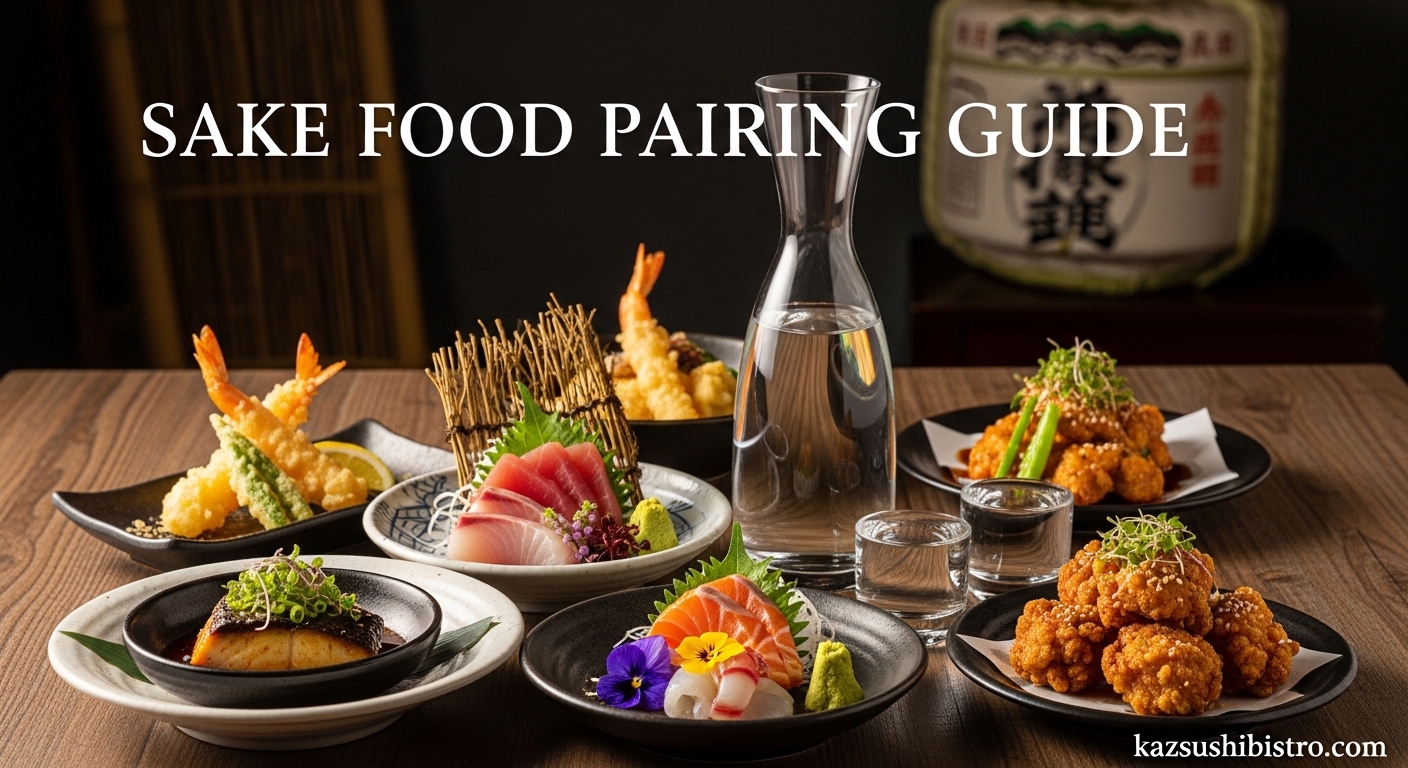
Sake food pairing opens up a world of flavor possibilities that many drinkers never explore. At KAZ Sushi Bistro, we have spent years studying how this remarkable Japanese beverage interacts with different cuisines. This guide shares everything we have learned about creating unforgettable sake and food combinations.
You do not need to be a sake sommelier to master these pairings. Whether you are enjoying sushi at a restaurant or cooking at home, understanding a few basic principles will transform your dining experience. By the end of this guide, you will know exactly which sake to reach for with any meal.
Table of Contents
What is Sake and Why It Pairs With Food
Sake, also called nihonshu in Japan, is a fermented alcoholic beverage made from rice, water, koji mold, and yeast. Unlike wine, which ferments sugar from grapes, sake undergoes parallel fermentation where starch converts to sugar and then alcohol simultaneously. This unique process creates a beverage with distinctive flavor properties that make it exceptionally food-friendly.
The average sake contains between 14% and 16% alcohol, though some styles range from 8% to 20%. What makes sake special for food pairing is its amino acid content. Sake contains high levels of glutamic acid, the compound responsible for umami. This creates a synergy when paired with food that wine simply cannot match.
Our team has observed that guests who try sake with their meals often comment on how the flavors seem to “wake up.” The beverage cleanses the palate while enhancing the food’s natural tastes. This dual function makes sake one of the most versatile pairing options available.
Understanding Sake Types: Junmai, Ginjo, Daiginjo and More
Before you can pair sake effectively, you need to understand the classification system. Japanese sake falls into two main categories: tokutei meisho shu (special designation sake) and futsushu (regular sake). The special designations indicate quality grades based on rice polishing ratio and production methods.
Rice polishing ratio determines how much of the rice grain remains after milling. The outer layers contain proteins and fats that can create off-flavors. Removing them leaves the starchy center, which produces cleaner, more refined sake. The more you polish, the higher the grade.
Junmai: Pure Rice Sake
Junmai means “pure rice” and indicates that no brewer’s alcohol has been added. These sakes must use rice polished to 70% or less of its original size. Junmai tends to be full-bodied with pronounced rice flavors and higher acidity.
We recommend junmai for hearty dishes and warming service. The robust character stands up to grilled meats, simmered vegetables, and rich sauces. Many junmai sakes develop beautifully when served warm, making them perfect companions for winter meals.
Honjozo: The Balanced Choice
Honjozo contains a small amount of brewer’s alcohol added during production. This technique, used for over 300 years, helps extract flavors and creates a lighter, drier style. The rice polishing requirement matches junmai at 70% or less.
Honjozo works wonderfully as an all-purpose pairing sake. The lighter body and clean finish complement a wide range of foods without overpowering delicate flavors. Try honjozo with sushi, sashimi, or lightly seasoned appetizers.
Ginjo and Daiginjo: The Aromatic Grades
Ginjo represents a premium tier requiring rice polished to 60% or less. Daiginjo takes this further, demanding 50% or less polishing. These sakes use special yeast strains and cooler fermentation temperatures to develop complex fruity and floral aromas.
The ginjo category includes both junmai ginjo (pure rice) and regular ginjo (with added alcohol). Both styles showcase elegant aromatics best appreciated when served chilled. These are your choices for delicate fish, refined appetizers, and special occasions.
Daiginjo represents the pinnacle of the brewer’s craft. With highly polished rice and meticulous attention to every step, these sakes offer transcendent drinking experiences. Pair daiginjo with the finest sashimi or enjoy it alone as an aperitif.
Nigori, Koshu, and Special Styles
Beyond the main classifications, several special styles deserve attention. Nigori sake appears cloudy because it retains some rice solids after pressing. The resulting texture is creamy and the flavor tends toward sweetness. Many drinkers new to sake find nigori approachable and refreshing.
Koshu refers to aged sake, typically matured for several years before release. Aging develops amber colors, nutty aromas, and complex flavors reminiscent of sherry or aged white wine. Koshu pairs beautifully with smoked foods, aged cheeses, and rich desserts.
Other styles include sparkling sake (effervescent and celebratory), namazake (unpasteurized and fresh), and genshu (undiluted and higher alcohol). Each offers unique pairing opportunities for adventurous drinkers.
The Six Basic Principles of Sake Food Pairing 2026
Sake food pairing follows six fundamental principles that guide successful matches. Understanding these rules helps you make confident choices whether you are reading a restaurant menu or shopping at a bottle shop.
Principle 1: Match Flavor Intensity
Delicate sake should pair with delicate food. Bold sake should accompany bold food. A light, floral daiginjo will disappear against a heavily spiced curry. Conversely, a robust junmai will overwhelm a subtle white fish.
Think of intensity as a spectrum. On one end, you have delicate daiginjo with sushi-grade tuna or fresh vegetables. On the other end, place full-bodied junmai with grilled wagyu or miso-glazed black cod. Match your sake and food at similar points along this spectrum.
Principle 2: Consider Aroma Profiles
Aromatic ginjo styles with fruity, floral notes work best with foods that have subtle flavors. The delicate aromas complement rather than compete. Think of how a fragrant junmai ginjo enhances the clean taste of fresh scallops or cucumber rolls.
Earthier, more subdued sakes pair well with foods that have stronger inherent smells. A mushroom-forward junmai matches beautifully with grilled shiitake or earthy root vegetables. Let the sake’s aromatic character guide your food selection.
Principle 3: Regional Pairing Philosophy
Japanese tradition emphasizes pairing local sake with local food. Coastal breweries often produce lighter, drier styles that complement fresh seafood. Mountain breweries may craft fuller-bodied sakes suited to heartier inland cuisine.
This principle extends globally. Italian cuisine often pairs beautifully with sake because both emphasize umami. Spanish tapas work well with dry, crisp styles. French sauces find companions in aged koshu or rich junmai.
Principle 4: Age and Complexity
Fresh sake pairs with fresh food. Aged sake pairs with aged or preserved food. This principle creates natural harmonies between beverage and dish. Young, vibrant namazake matches beautifully with raw preparations and salads.
Koshu with its developed complexity stands up to aged cheeses, cured meats, and preserved vegetables. The nutty, oxidative notes in aged sake echo the transformation that aging brings to food. Try koshu with parmesan, prosciutto, or pickled vegetables.
Principle 5: Temperature Matters
Served temperature dramatically affects how sake interacts with food. Chilled sake preserves aromatics and presents a sharper profile. Warm sake emphasizes umami and creates a softer, rounder mouthfeel.
Generally, serve premium ginjo and daiginjo chilled to preserve their delicate aromatics. Junmai and honjozo work well at room temperature or gently warmed. Rich, fatty foods often benefit from warm sake, while delicate preparations prefer chilled service.
Principle 6: Affinity and Contrast
Pairing works through two main methods: affinity and contrast. Affinity pairing matches similar flavors, creating harmony. A nutty junmai with miso soup demonstrates affinity. Both share earthy, savory characteristics.
Contrast pairing opposes flavors to create balance. Sweet nigori against spicy Thai food shows contrast. The sweetness cools the heat while the spice cuts through the richness. Both approaches work beautifully depending on your desired effect.
Why Sake Works: The Umami Connection
Sake contains significantly more amino acids than wine, particularly glutamic acid, which creates the sensation of umami. This makes sake an umami expander, enhancing the savory flavors in your food. When you pair sake with umami-rich dishes, both elements taste more vibrant.
The science behind this interaction involves how our taste receptors process these compounds. Glutamates in sake activate the same receptors that respond to umami in food. When both hit simultaneously, the effect amplifies. This is why sake seems to make food taste more “complete.”
Our team tested this phenomenon with a simple experiment. We served the same mushroom risotto with both wine and sake. Guests consistently reported that the sake pairing brought out more depth in the mushrooms. The amino acid content made the difference.
Sake also lacks the high acidity and sulfites found in many wines. Lower acidity means sake does not clash with foods that traditionally challenge wine pairings. The absence of sulfites reduces the risk of headaches for sensitive drinkers. These properties make sake inherently food-friendly.
How Different Foods Affect Sake Perception
Understanding how food modifies your perception of sake helps you anticipate successful pairings. Different taste components interact with sake in predictable ways. Master these interactions and you can predict pairing success before taking the first sip.
Salty Foods and Sake
Salt enhances the perception of sweetness in sake while softening bitter or dry edges. This makes salty foods excellent partners for dry styles. The classic pairing of edamame with junmai demonstrates this interaction beautifully.
Forum discussions consistently mention that tanrei (dry and light-bodied) sake pairs wonderfully with salty bar snacks. Think salted nuts, crackers, or simple salted fish. The salt makes the dryness more approachable while the sake cleanses the palate between bites.
Sweet Foods and Sake
Sweet foods make sake taste drier than it actually is. This can create pleasant balance or unpleasant harshness depending on your sake choice. Pairing sweet dishes with already-dry sake often produces a jarring experience.
For sweet foods, choose sakes with noticeable residual sugar. Nigori styles work well here, as do many junmai with higher sweetness ratings. The forum community confirms that soft nigori on the sweet side balances well with slightly sweet preparations.
Spicy Foods and Sake
Alcohol amplifies the perception of heat from chili peppers. Higher-alcohol sakes can make spicy food taste overwhelming. However, sweeter styles with lower alcohol can tame heat while providing refreshment.
Reddit users frequently recommend nigori for spicy food pairings. The creamy texture and residual sugar cool the palate while the gentle carbonation in sparkling nigori provides additional refreshment. Consider sparkling sake with Thai or Indian cuisines.
Another strategy involves serving temperature. Chilled sake helps combat heat, while warm sake intensifies it. For spicy Mexican or Sichuan dishes, reach for chilled, slightly sweet styles. Avoid warm, high-alcohol genshu with fiery foods.
Umami-Rich Foods
Umami-rich foods create the most magical sake pairings. Aged cheese, cured meats, mushrooms, tomatoes, and fermented soy products all contain high glutamate levels. When paired with sake’s amino acids, the umami effect multiplies.
Our sommelier team often pairs aged parmesan with koshu for guests who doubt sake works with cheese. The combination converts skeptics immediately. The same principle applies to dried fish, miso-glazed dishes, and mushroom preparations.
What Foods Does Sake Pair Well With?
Sake pairs well with an extraordinarily wide range of foods. The beverage’s versatility surpasses wine in many situations. Here are the specific pairings that consistently delight our guests.
- Sushi and sashimi: Delicate fish preparations match beautifully with junmai ginjo or daiginjo served chilled
- Tempura and fried foods: The clean finish of honjozo cuts through oil without overwhelming the palate
- Grilled dishes: Charred flavors from yakitori or grilled fish harmonize with warming junmai
- Simmered vegetables: Root vegetables and mushrooms find their match in earthy, full-bodied styles
- Cheese: Sake succeeds where wine struggles, pairing with soft, aged, and even blue cheeses
- Non-Japanese cuisines: Italian, French, Spanish, and even Mexican dishes work surprisingly well
Sushi and Sashimi Pairings
The classic pairing of sake with raw fish works because both share clean, delicate flavors. For lighter white fish like flounder or sea bream, choose a crisp junmai ginjo with subtle fruit notes. The sake enhances without masking the fish’s natural sweetness.
Fattier fish like tuna belly or salmon require more body. A standard junmai or honjozo with slightly higher acidity balances the richness. The sake’s clean finish prepares your palate for the next piece.
For omakase experiences where you will taste many pieces in succession, consider asking for a versatile honjozo. This style adapts to various preparations without requiring changes between courses. Many sake sommeliers keep honjozo as their default recommendation for mixed sushi menus.
Tempura and Fried Foods
Tempura presents an interesting pairing challenge. The crispy batter and delicate fillings need a sake that cuts through oil while respecting the subtle flavors inside. Honjozo and lighter junmai styles excel here.
The acidity in sake cleanses the palate between bites of fried food. This prevents the heaviness that often accompanies fried dishes. Try serving tempura with chilled honjozo to maximize this refreshing effect.
Western fried foods also work surprisingly well. Fried chicken, fish and chips, and even onion rings pair nicely with dry, crisp sake. Forum users confirm that sake pairs surprisingly well with junk food and casual snacks.
Grilled and Simmered Dishes
Yakitori, grilled fish, and teriyaki preparations call for heartier sake styles. The char and caramelization from grilling create flavors that need matching intensity. Junmai served warm provides the perfect companion.
Our guests particularly love teriyaki salmon with a gently warmed junmai. The combination of sweet-savory glaze and toasty rice flavors creates comfort food perfection. Reddit users confirm this pairing works excellently in home settings too.
Simmered dishes like nabe (hot pot) or nimono (simmered vegetables) also prefer warming temperature service. The hot food and warm sake create a cohesive dining experience. Choose junmai or honjozo heated to around 40-45 degrees Celsius.
Cheese Pairings
Sake succeeds brilliantly with cheese where wine often fails. The low acidity and umami content create natural affinities. Soft cheeses like brie pair beautifully with aromatic ginjo styles. The fruity notes complement the creamy texture.
Aged cheeses find their match in koshu or full-bodied junmai. The nutty, developed flavors in both create harmonies that surprise first-time tasters. Try aged gouda or parmesan with a well-aged sake for a revelation.
Even challenging blue cheeses work with sake. The absence of tannins prevents the metallic clash that often occurs with red wine. A slightly sweet junmai balances blue cheese’s intensity while the umami creates connection.
Non-Japanese Cuisine
Sake’s versatility extends far beyond Japanese food. Italian cuisine, with its emphasis on umami-rich tomatoes and parmesan, pairs beautifully. Try junmai with tomato-based pasta or mushroom risotto.
French sauces, particularly cream-based preparations, find excellent partners in sake. The Wine Enthusiast notes that sake works with bechamel and other dairy-rich sauces. The acidity is gentler than wine, preventing curdling or separation.
Spanish tapas and Italian antipasti create wonderful sake pairings. Charcuterie, olives, and small plates suit the convivial nature of sake service. Consider a bottle of dry ginjo for your next tapas evening.
Mexican cuisine presents interesting opportunities. The forum community confirms that sake pairs well with various international foods. Try chilled, slightly sweet nigori with tacos or enchiladas to balance spice and refresh the palate.
Should Sake Be Served Warm or Cold?
Temperature significantly affects sake flavor and food pairing success. Understanding when to serve chilled versus warm helps you maximize enjoyment. The traditional Japanese approach considers temperature an essential variable in the pairing equation.
Chilled Sake (5-10 degrees C)
Premium ginjo and daiginjo styles should almost always be served chilled. Lower temperatures preserve the delicate aromatic compounds that define these grades. Refrigeration maintains the fruity, floral notes that distinguish premium sake.
Chilled sake pairs best with raw preparations, light appetizers, and summer dining. The refreshing temperature complements salads, crudo, and delicate fish. Keep a bottle in the refrigerator for impromptu pairing opportunities.
Namazake (unpasteurized sake) must be served chilled for food safety as well as flavor. The living enzymes in unpasteurized sake require refrigeration. These fresh styles offer vibrant, zesty character perfect for warm weather.
Room Temperature (15-20 degrees C)
Many honjozo and lighter junmai styles work beautifully at room temperature. This service allows the full range of flavors to express without temperature extremes. Room temperature sake pairs flexibly across various food styles.
We often serve sake at room temperature during transitions between seasons. The neutral temperature does not compete with either warming winter dishes or cooling summer preparations. It provides versatility when serving multiple courses.
Warm and Hot Sake (30-55 degrees C)
Kanzake refers to warm sake service, traditionally enjoyed during colder months. Warming brings out umami compounds and creates a softer, rounder mouthfeel. The toasty, rice-forward character becomes more prominent with heat.
Not all sake benefits from warming. Premium ginjo and daiginjo lose their delicate aromatics when heated. Reserve warming for junmai, honjozo, and futsushu styles. These grades develop complexity rather than losing it.
Warm sake pairs beautifully with hearty winter foods. Hot pot dishes, grilled meats, and simmered vegetables all benefit from warming temperature service. The shared warmth creates harmony between beverage and dish.
When warming sake at home, use a water bath (bain-marie) rather than direct heat. Place your tokkuri (sake carafe) in a pot of warm water. This gentle heating prevents burning or overheating. Target temperatures between 40-50 degrees Celsius for optimal flavor.
Choosing the Right Glassware for Sake
Glassware affects sake enjoyment almost as much as temperature. Traditional Japanese vessels and modern wine glasses each offer distinct advantages. Understanding these options helps you serve sake appropriately for any occasion.
The ochoko is the small ceramic cup most associated with sake service. These tiny vessels encourage sipping and appreciation. Their ceramic construction helps maintain temperature, keeping warm sake warm and chilled sake cool.
The tokkuri serves as the pouring vessel. Traditional tokkuri are ceramic or porcelain, often with narrow necks that help retain heat. When warming sake, the tokkuri goes into the hot water bath. Choose tokkuri size based on your drinking party.
Modern sake service increasingly uses wine glasses, particularly for premium ginjo and daiginjo. The larger bowl allows aromatic compounds to collect and express. Aromatic styles truly shine in proper wine glassware.
For home enjoyment, use what you have. A white wine glass works beautifully for aromatic sake. A small ceramic cup provides authenticity for warming service. The most important factor is enjoying the sake, not possessing specific equipment.
Sake vs Wine: Why Sake Wins for Certain Foods
Sake offers distinct advantages over wine for specific food categories. Understanding these differences helps you choose the best beverage for challenging pairings. Several foods that traditionally challenge wine pair beautifully with sake.
Asparagus contains compounds that react badly with wine tannins, creating unpleasant metallic flavors. Sake lacks these tannins entirely. The clean profile allows asparagus’s delicate flavor to shine. Try junmai with grilled asparagus for a revelation.
Eggs present similar challenges for wine pairing. The sulfur compounds in eggs clash with wine tannins and high acidity. Sake’s gentler acidity and umami content create harmony instead. Consider sake with quiches, omelets, or deviled eggs.
Artichokes contain cynarin, a compound that makes subsequent sips taste sweet. This effect confuses wine pairing. Sake handles artichoke better because its umami remains stable. Enjoy artichoke appetizers with a dry junmai.
Caviar and other briny delicacies also favor sake. The Wine Enthusiast highlights this pairing as particularly successful. The lack of iron content in sake (compared to some wines) prevents metallic reactions. The umami in both creates synergy.
Spicy cuisines often overwhelm wine with alcohol and tannins. Sake offers lower acidity and gentler profile that can work with heat. Choose lower-alcohol, slightly sweet styles for the best results with Thai, Indian, or Sichuan dishes.
Frequently Asked Questions About Sake Pairing
What foods does sake pair well with?
Sake pairs well with sushi, sashimi, tempura, grilled fish, cheese (including soft, aged, and blue varieties), non-Japanese cuisines like Italian and French, and even spicy foods when choosing the right style. The umami content in sake creates synergy with savory dishes that wine cannot match.
When to drink sake with a meal?
Sake works throughout the entire meal as both an aperitif and accompaniment. Serve chilled aromatic styles like ginjo before the meal to stimulate appetite. Pair junmai and honjozo with the main course. Finish with aged koshu or sweet nigori alongside dessert or as a digestif.
What are the 4 types of sake?
The four main special designation types are: 1) Junmai (pure rice, no added alcohol), 2) Honjozo (with small amount of brewer’s alcohol), 3) Ginjo (premium grade with 60% polishing), and 4) Daiginjo (super premium with 50% polishing). Additional styles include nigori (cloudy), koshu (aged), and sparkling.
What appetizers go well with sake?
Edamame, salted nuts, pickles, agedashi tofu, gyoza, tempura vegetables, grilled skewers, and cheese plates all pair beautifully with sake. Salty snacks enhance the perception of sweetness in dry sake. Choose lighter styles like honjozo for delicate appetizers and fuller junmai for heartier starters.
Can sake lower cholesterol?
Some research suggests that moderate sake consumption may have positive effects on cholesterol levels compared to other alcohols. Sake contains peptides that some studies link to cholesterol management. However, alcohol affects individuals differently, and moderation remains essential. Consult healthcare providers about alcohol and health.
Does sake get you very drunk?
Sake contains 14-16% alcohol on average, similar to wine. It does not cause intoxication faster than other alcohols at equivalent volumes. However, sake’s smooth, pleasant taste makes it easy to drink quickly. The saying sake sneaks up on you refers to pace of consumption rather than higher alcohol content. Drink slowly and stay hydrated.
Start Your Sake Pairing Journey Today
This sake food pairing guide gives you everything needed to explore the world of nihonshu with confidence. From understanding junmai and ginjo classifications to mastering temperature service, you now possess the knowledge to create memorable dining experiences.
Start simply. Pick up a bottle of honjozo and pair it with your next Japanese meal. Notice how the flavors interact. Experiment with temperature. Try the same sake chilled and warmed to discover your preference. Each experience builds your intuition.
The community of sake enthusiasts continues growing in 2026. More restaurants offer curated sake lists. More bottle shops stock interesting varieties. There has never been a better time to explore what this remarkable beverage offers.
Visit KAZ Sushi Bistro to experience professional sake pairing firsthand. Our kikisake-shi certified staff can guide you through different styles and help discover your personal preferences. Every meal becomes an opportunity to learn something new about this ancient art.