
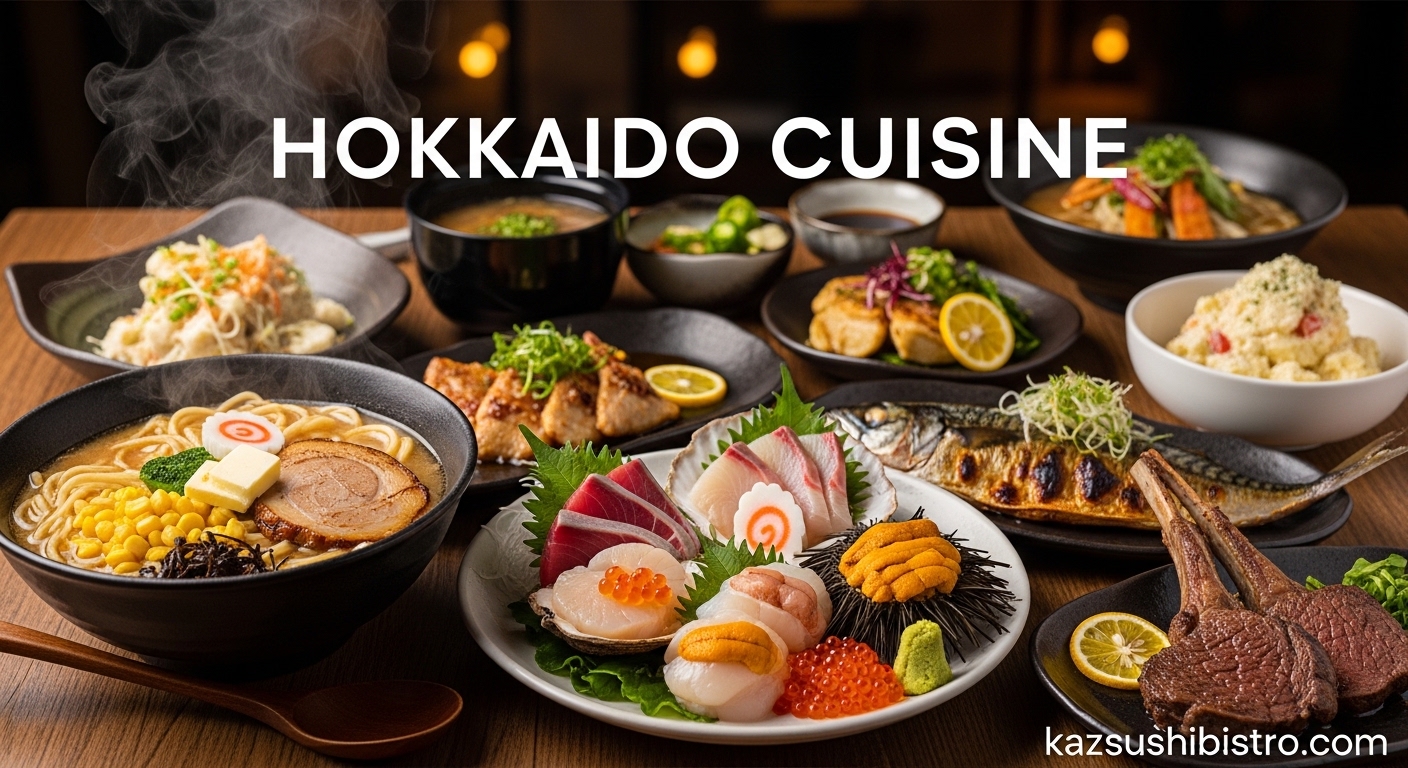
Hokkaido cuisine guide enthusiasts know this northern Japanese island offers some of the most remarkable food experiences in the country. The food of Hokkaido stands as one of the island’s biggest attractions, especially the high quality seafood caught in its cold waters and the agricultural products grown on its wide farmlands. Our team spent three weeks exploring Hokkaido’s culinary landscape, and I am excited to share everything we discovered.
In this Hokkaido cuisine guide, you will learn about the famous seafood that draws food lovers from around the world. We will explore regional ramen variations that change from city to city. You will discover why Hokkaido produces about half of Japan’s milk and what that means for the local sweets scene.
Table of Contents
Why Hokkaido Cuisine Stands Out?
Hokkaido cuisine differs dramatically from the rest of Japan. The island’s cold climate, clean waters, and volcanic soil create perfect conditions for ingredients you simply cannot find elsewhere in the same quality.
The surrounding seas stay cold year-round, which produces firmer, sweeter seafood. Fishermen harvest kombu kelp from these waters, an ingredient that provides the umami base for countless Japanese dishes. The volcanic soil creates rich farmland where dairy cows graze on lush pastures, producing milk with higher fat content and richer flavor than milk from other regions.
Western influences arrived earlier here than in mainland Japan. During the Meiji Restoration, settlers brought new cooking techniques and ingredients. The indigenous Ainu people contributed their own food traditions, creating a unique culinary blend found nowhere else in Japan.
I noticed this fusion immediately when I visited. A restaurant might serve traditional Ainu venison stew alongside French-influenced dairy dishes. A sushi chef might pair local scallops with butter, something you rarely see in Tokyo.
Hokkaido Seafood Specialties: Fresh from Cold Waters
Fresh seafood defines Hokkaido cuisine above all else. The cold waters surrounding the island produce seafood with firmer texture and sweeter flavor than warm-water varieties. Local markets display catches so fresh they were swimming hours earlier.
Crab: King and Snow Varieties
Hokkaido crab ranks among the world’s finest seafood. King crab (tarabagani) and snow crab (zuwaigani) attract food lovers from across Asia during winter months.
King crab legs can span over a meter in length, with sweet, flaky meat that practically falls from the shell. Snow crab offers more delicate flesh with a subtle sweetness that pairs beautifully with warm sake. We visited Hyousetsu No Mon in Sapporo, a restaurant locals recommended for special occasions. The crab there was steamed to perfection, served with minimal seasoning to let the natural flavor shine.
Winter marks peak crab season from November through March. Prices rise during this period, but the quality justifies the cost. Summer offers more affordable options, though the crabs are smaller and the meat slightly less sweet.
Sea Urchin (Uni) and Salmon Roe (Ikura)
Sea urchin, called uni in Japanese, reaches its finest expression in Hokkaido. The cold water produces uni with bright golden color, firm texture, and complex briny-sweet flavor that melts on your tongue.
Salmon roe, known as ikura, bursts with ocean flavor in Hokkaido preparations. Local processors salt the roe more gently than mainland versions, preserving the individual eggs’ structure. When you bite into quality ikura, each egg pops releasing a wave of umami.
The best way to enjoy these delicacies is atop a bowl of warm rice. Kaisendon, seafood rice bowls, showcase uni and ikura alongside other fresh catches. Nijo Market in Sapporo and Hakodate Morning Market both offer breakfast sets where you can watch vendors prepare your bowl with ingredients pulled from tanks moments before.
Scallops and Other Fresh Catches
Hokkaido scallops grow larger and sweeter than those from other regions. The town of Sarufutsu produces particularly famous scallops, though excellent versions come from throughout the island.
We found the best scallop experiences at small grill stands in markets. Vendors sear scallops over charcoal, basting them with soy sauce and butter. The combination of sweet shellfish, smoky char, and rich dairy creates an unforgettable bite.
Other notable catches include hairy crab (kegani), which offers dense leg meat best enjoyed in hot pot preparations. Octopus from Akkeshi Bay carries a reputation for exceptional tenderness. Squid from Hakodate appears so fresh it still moves when sliced for sashimi.
Regional Ramen Guide: Three Cities, Three Styles 2026
Ramen in Hokkaido transcends the simple noodle soup found elsewhere. Each major city developed its own distinct style based on local ingredients and climate needs.
Sapporo Miso Ramen
Sapporo miso ramen created the template for hearty northern noodle soup. The broth combines rich miso paste with pork bone stock, creating a dense, flavorful base that coats the noodles.
Local additions distinguish Sapporo style from other miso ramens. Sweet corn kernels add bursts of sugar to balance the salt. A pat of butter melts into the hot broth, adding richness that fights the winter cold. Bean sprouts provide crunch against the soft noodles.
Ramen Yokocho in Susukino district offers the most concentrated ramen experience. This narrow alley packs seventeen shops into a space smaller than a city block. Each shop serves slightly different interpretations of Sapporo miso, allowing you to compare styles in one evening.
Asahikawa Shoyu Ramen
Asahikawa developed a shoyu ramen using a unique double soup technique. Chefs combine pork bone broth with seafood stock from locally harvested kombu and dried fish. The result carries more depth than simple soy sauce ramen while maintaining clarity.
The noodles here tend toward thinner, curlier shapes that capture the lighter broth. Toppings stay traditional: chashu pork, bamboo shoots, and green onions. Some shops add a thin film of oil to the surface, trapping heat and keeping the soup warmer in the harsh northern climate.
We tried Teshikaga ramen in the Akan Mashu area based on a local recommendation. Their shoyu broth showed remarkable balance between pork richness and seafood sweetness, with noodles that maintained perfect bite.
Hakodate Shio Ramen
Hakodate shio ramen offers the lightest expression of Hokkaido noodle culture. The clear, salt-based broth lets the quality of ingredients speak without heavy seasoning.
Local chefs emphasize chicken stock for their shio ramen, creating golden broth that tastes clean and restorative. Straight noodles provide the traditional pairing, though some shops now experiment with wavy varieties.
The mild flavor makes Hakodate shio ramen an excellent breakfast option. Many shops open early to serve fishermen returning from morning catches. Starting your day with this gentle soup prepares you for further food exploration.
Hokkaido Dairy and Sweets: Japan’s Milk Country
Hokkaido produces approximately half of Japan’s milk supply. The wide pastures and cool climate create ideal conditions for dairy farming that began during the Meiji era.
Milk, Butter, and Ice Cream
Hokkaido milk contains higher butterfat than milk from other Japanese regions. This creates richer flavor in everything from coffee creamer to drinking milk. Look for the Hokkaido label on milk cartons throughout Japan; it signals premium quality.
Local butter enjoys similar prestige. French pastry chefs specifically request Hokkaido butter for croissants and baked goods. The butter’s higher fat content creates flakier layers and richer flavor in pastries.
Soft-serve ice cream appears at every tourist destination in Hokkaido. The high milk solids content creates exceptionally creamy texture that stands upright in a characteristic curl. flavors range from vanilla and chocolate to more adventurous options like lavender, melon, and sea salt.
Cheese and Farm Experience
Cheese production represents a newer chapter in Hokkaido dairy history. French and Italian cheesemakers partnered with local farmers to establish operations that now produce award-winning camembert, gouda, and mozzarella.
Furano and Biei areas host dairy farms open to visitors. You can watch cheesemaking demonstrations, sample fresh products, and even participate in cooking classes. The School of Sushi team took a farm cooking class where we made butter from fresh cream and learned about traditional dairy preservation.
Some farms offer “ice cream making” experiences where you churn your own batch using farm-fresh milk. The resulting ice cream, eaten immediately while still soft from the machine, carries an intensity of dairy flavor that commercial products cannot match.
Meat and Local Specialties: Beyond Seafood
While seafood dominates Hokkaido’s food reputation, the island offers remarkable meat dishes rooted in local history and climate.
Genghis Khan (Jingisukan) BBQ
Genghis Khan, called jingisukan in Japanese, stands as Hokkaido’s most distinctive meat dish. This lamb barbecue features thin-sliced meat and vegetables grilled on a dome-shaped metal pan.
The name’s origin remains debated. Some claim it references Mongolian warriors cooking on their helmets; others suggest Japanese marketing created the name to introduce an unfamiliar meat. Regardless, the preparation is distinctly Hokkaido.
The convex pan allows lamb fat to drain away from the cooking meat, reducing gaminess. Vegetables like bean sprouts and onions cook in the rendered fat around the pan’s edges, absorbing lamb flavor while caramelizing.
Daruma restaurant in Sapporo ranks among the most famous Genghis Khan destinations. Their secret sauce, brushed on the meat before grilling, adds sweet-savory glaze that complements the lamb’s natural flavor. Reservations fill days in advance, so plan accordingly.
Soup Curry from Asahikawa
Soup curry represents Hokkaido’s contribution to Japanese curry culture. Unlike the thick, roux-based curry found elsewhere, soup curry features a thin, brothy consistency closer to Southeast Asian soups.
The dish originated in Asahikawa during the 1970s, created to warm workers in the extreme cold. The thin broth delivers heat more effectively than thick curry, while remaining lighter on the stomach.
Ingredients float freely in the soup rather than coating everything in sauce. Crispy fried chicken, seasonal vegetables, and sometimes hamburger patties create a meal that eats like a soup but satisfies like a curry. Spice levels range from mild to extreme, with many shops offering adjustable heat.
We found the best soup curry at a small shop near Asahikawa station. Their version featured local vegetables harvested that morning, including Hokkaido’s famous potatoes and corn, in a complex broth that balanced heat with subtle sweetness.
Ainu Cultural Influence: Indigenous Food Traditions
The Ainu people, indigenous to Hokkaido, developed food traditions that influenced modern Hokkaido cuisine. Understanding these traditions adds depth to any food exploration of the island.
Traditional Ainu cooking emphasized preservation and resourcefulness. Dried salmon and deer meat provided protein through harsh winters. Foraged plants like kitopiro (a type of wild garlic) and pukusa (wild spring onion) added flavor and nutrition.
The Ainu traditionally cooked in pots over open fires, creating stews and soups that influenced Hokkaido’s hearty dining style. They used every part of animals, from fish bones for broth to deer hide for clothing and tools.
Modern restaurants now incorporate Ainu ingredients and techniques into contemporary dishes. Upopoy National Ainu Museum and Park near Noboribetsu offers opportunities to learn about traditional foodways. Some Sapporo restaurants serve venison prepared with traditional Ainu seasonings, bridging ancient and modern culinary cultures.
Grilled river fish over open flame, a classic Ainu preparation, appears at rustic restaurants throughout the island. The technique produces fish with crispy skin and moist flesh, seasoned only with salt to highlight natural flavors.
Seasonal Eating Guide: When to Visit for What
Seasonality matters enormously in Hokkaido cuisine. The island’s extreme climate means ingredients shine during specific months, while disappearing entirely from others.
Winter Comfort Foods
Winter transforms Hokkaido into a frozen landscape where hot, hearty foods become essential. December through February demands warming dishes that fight the cold.
Crab season peaks during winter months. King and snow crabs taste sweetest during this period, making expensive restaurant meals worthwhile. Hot pot dishes, called nabe, bring families together around steaming communal pots of seafood, vegetables, and noodles.
Ramen shops stay busy through winter nights. The combination of hot broth, rich miso, and filling noodles provides perfect sustenance after walking through snow. Many shops add extra butter and corn during winter, increasing calorie content for the season.
Summer Fresh Produce
Summer brings completely different eating patterns to Hokkaido. July and August produce vegetables of exceptional quality, especially corn, tomatoes, and melons.
Hokkaido corn contains higher sugar content than varieties grown elsewhere. Eat it raw for the sweetest experience, or grill it briefly to caramelize the sugars. Many farms sell corn at roadside stands where you can eat it minutes after harvest.
Beer gardens open throughout Sapporo during summer evenings. The combination of cold Sapporo beer, grilled meat, and outdoor seating creates a festive atmosphere that attracts both locals and tourists. These gatherings represent Hokkaido’s adaptation of German beer culture to Japanese hospitality.
Seafood remains excellent in summer, though different species dominate. Uni reaches peak quality during warmer months. Summer squid, while smaller than winter specimens, offers more tender flesh ideal for sashimi.
Top Food Destinations in Hokkaido
Certain cities and districts within Hokkaido deserve specific attention from food-focused travelers. Each offers distinct specialties and dining experiences.
Sapporo: The Culinary Capital
Sapporo serves as Hokkaido’s food capital, offering the island’s widest range of dining options. The city’s size and wealth support restaurants specializing in every regional specialty.
Nijo Market operates in the city center, offering seafood breakfasts to early risers. Vendors sell donburi bowls topped with fresh uni, ikura, crab, and scallops. Prices run lower than equivalent quality in Tokyo, and you can eat standing at counters or take seats at small tables.
Susukino district comes alive after dark with izakaya, ramen shops, and Genghis Khan restaurants. The neon-lit streets feel reminiscent of Tokyo’s entertainment districts, but with distinctly northern food specialties. Ramen Yokocho, mentioned earlier, sits within this district.
Hakodate: Morning Market Magic
Hakodate Morning Market opens at 5 AM with seafood so fresh it barely stopped moving. The market’s location near the fishing port means minimal time between catch and sale.
Breakfast here means choosing your seafood from display tanks. Staff pull squid, sea urchin, or crab from the water and prepare them immediately. Watching a squid become sashimi while still twitching might disturb some visitors, but the flavor rewards those who embrace the experience.
The market also features excellent donuts from local vendors. Hakodate’s history as an international port city created unique baking traditions. Sweet, fluffy donuts make perfect contrast to savory seafood breakfasts.
Otaru: Canal-Side Dining
Otaru, a short train ride from Sapporo, offers romantic canal-side dining with exceptional sushi. The city’s compact historic district packs dozens of sushi restaurants into a few walkable blocks.
Otaru sushi emphasizes local seafood, particularly herring, scallops, and sea urchin. Master chefs prepare each piece individually, handing it across the counter for immediate consumption. The experience demands higher prices than conveyor-belt sushi, but the quality justifies the cost.
The canal area offers atmospheric dining after dark. Restaurants in converted warehouse buildings serve seafood and sake with views of the historic waterway. Evening lights reflecting on the canal create a memorable backdrop for dinner.
Frequently Asked Questions
What is Hokkaido’s famous food?
Hokkaido is famous for fresh seafood including king crab, snow crab, sea urchin (uni), and salmon roe (ikura). The island is also renowned for miso ramen from Sapporo, Genghis Khan lamb BBQ, dairy products like milk and ice cream, and soup curry from Asahikawa.
Why is Hokkaido food so good?
Hokkaido food excels because of the cold, clean waters that produce firmer, sweeter seafood. The volcanic soil creates rich farmland for dairy farming and agriculture. The climate demands hearty, flavorful dishes that satisfy during cold winters. Additionally, Western and Ainu cultural influences created unique culinary traditions not found elsewhere in Japan.
What are the must-eating in Sapporo?
In Sapporo, you must try miso ramen at Ramen Yokocho, fresh seafood donburi at Nijo Market, Genghis Khan lamb BBQ at a specialty restaurant, and Sapporo beer at the Beer Museum. Also try soup curry, soft-serve ice cream made with Hokkaido milk, and fresh crab during winter months.
Is Hokkaido food expensive?
Hokkaido food ranges from affordable to expensive depending on what you choose. Local chain restaurants, convenience stores, and market stalls offer budget-friendly options. However, premium crab meals and high-end sushi can cost significantly. Overall, Hokkaido offers better value than Tokyo for equivalent quality seafood.
What is the best time to visit Hokkaido for food?
Winter (November to March) offers the best crab and ski resort dining. Summer (July to August) provides excellent fresh vegetables, corn, and beer gardens. Spring and autumn offer good all-around food experiences with fewer tourists. Each season brings different specialties, so plan according to your food preferences.
Conclusion: Your Hokkaido Cuisine Guide Journey Begins
This Hokkaido cuisine guide covered everything you need to plan an unforgettable food journey. From the freshest seafood in cold northern waters to rich dairy from wide pastures, Hokkaido offers eating experiences unmatched elsewhere in Japan.
I encourage you to explore beyond the famous dishes. Talk to locals about their favorite neighborhood ramen shops. Visit morning markets at opening time to see the day’s first catches. Try cooking classes that teach you to prepare regional specialties.
Our team’s three weeks in Hokkaido barely scratched the surface of what this island offers. Each city, each season, each meal revealed new depths to explore. Whether you visit for the famous crab, the distinctive ramen, or the unique cultural blend of Ainu and Western influences, Hokkaido cuisine will exceed your expectations.
Start planning your trip today. The food of Hokkaido awaits.