
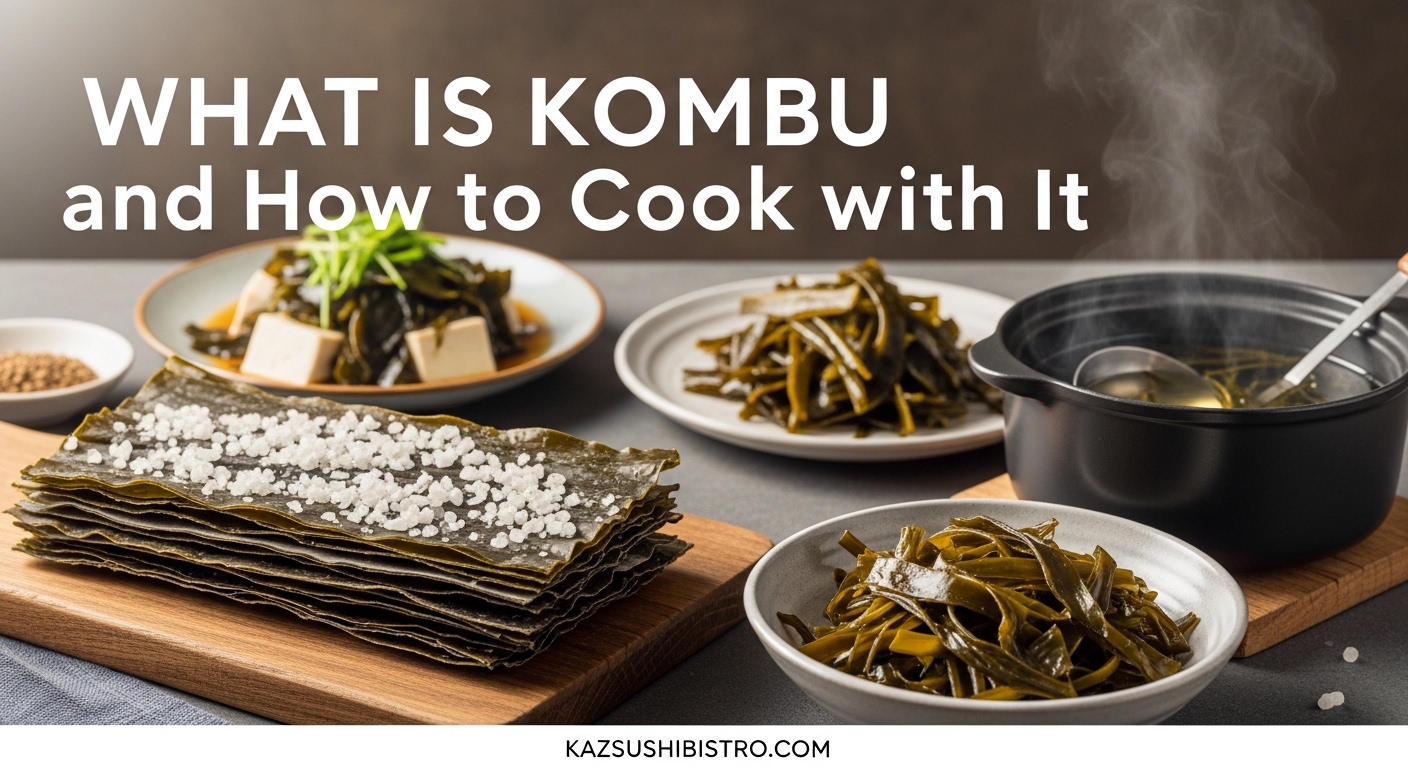
If you have ever tasted authentic miso soup and wondered what gives it that deep, savory depth, the answer is likely kombu. This humble dried kelp is the unsung hero of Japanese cooking, transforming simple broths, beans, and rice into something far more satisfying. I spent years cooking without it, and the day I finally added kombu to my pantry changed how I approach flavor in the kitchen.
Learning what kombu is and how to cook with it opens up a world of umami-rich dishes that do not rely on meat or excess salt. In this guide, you will discover exactly what makes this sea vegetable special, where it comes from, and the many ways to use it in your everyday cooking. Whether you are new to Japanese ingredients or looking to refine your dashi technique, everything you need is right here.
Table of Contents
What Is Kombu?
Kombu is an edible dried kelp from the brown algae family, scientifically known as Saccharina japonica. It grows in the cold, mineral-rich waters off the coasts of Japan, Korea, and northern China. Harvested, dried, and folded into dense, dark green or brown sheets, kombu has been a pantry staple in East Asian cooking for centuries.
What sets kombu apart from other seaweeds is its extraordinary concentration of glutamic acid. This amino acid is the natural source of umami, the fifth taste that our tongues recognize alongside sweet, sour, salty, and bitter. When you steep kombu in water or warm it gently, it releases these glutamates, creating a savory depth that makes food taste more complete.
The Science of Umami in Kombu
The connection between kombu and umami dates back over a century. In 1908, Japanese chemist Kikunae Ikeda isolated glutamic acid from kombu and identified it as the compound responsible for the distinct savory taste. This discovery led to the identification of umami as a fundamental taste and eventually to the production of monosodium glutamate.
Natural glutamic acid in kombu works differently than MSG. It comes bundled with other minerals and compounds that create a more rounded, complex flavor. The kombu also contains mannitol, a sugar alcohol that adds subtle sweetness, and high levels of iodine, calcium, and magnesium.
Is Kombu Just Dried Seaweed?
Yes and no. While kombu is indeed a type of dried seaweed, calling it just seaweed misses the point. It is specifically kelp, a brown algae that grows in thick, wide ribbons underwater. Unlike the thin, papery nori used for sushi rolls or the tender green wakame in miso soup, kombu is tough, leathery, and packed with concentrated flavor compounds.
Think of it this way: all kombu is seaweed, but not all seaweed is kombu. The distinction matters because each type of seaweed has completely different culinary uses and cannot be substituted for one another.
Types of Kombu and Where It Comes From 2026
Not all kombu is the same. Japanese cuisine recognizes several distinct varieties, each prized for specific qualities. Understanding these differences helps you choose the right kombu for your cooking goals.
Japanese Kombu Varieties
Hidaka kombu, harvested off the coast of Hokkaido, is the most common type found in Japanese home kitchens. It strikes a balance between flavor and price, making it ideal for everyday dashi and bean cooking. The sheets are moderately thick and produce a clean, clear broth.
Rishiri kombu comes from Rishiri Island and is prized for making refined, elegant dashi with a pale golden color. Chefs prefer it for clear soups where appearance matters. Rausu kombu, from the Rausu coast, is thicker and richer, yielding a more robust, almost smoky dashi perfect for hearty miso soups.
Ma kombu is the thickest variety with the highest glutamic acid content. It is expensive and reserved for special preparations. The thick, wide sheets are nearly black when dried and unfurl to impressive sizes when hydrated.
Other Kelp Varieties
Sugar kelp (Saccharina latissima) grows in the Atlantic and has a slightly sweet taste from its natural mannitol content. Oar weed (Laminaria digitata) is common in European waters and can substitute for Japanese kombu in stocks and broths. While not traditional, these varieties work well for home cooks outside Japan who want to experiment with kelp cooking.
How to Cook with Kombu
Once you understand what kombu brings to the table, the next question is how to use it. This sea vegetable is far more versatile than most people realize. Here are the primary cooking methods that will transform your approach to Japanese and plant-based cooking.
1. Making Dashi Stock
Dashi is the foundation of Japanese cooking, a simple stock that forms the base of miso soup, noodle broths, and simmered dishes. Kombu dashi, made without fish, is the vegetarian backbone of countless recipes. You can combine kombu with dried shiitake mushrooms for a double-umami punch.
The key to good kombu dashi is gentle extraction. Hot, aggressive boiling turns kombu bitter and slimy. Instead, you either cold-brew it overnight or heat it slowly, removing the kombu just before the water reaches a full boil.
2. Cooking Dried Beans
Adding a strip of kombu to your bean pot is one of the smartest kitchen tricks I have learned. The amino acids in kombu help break down the complex sugars that cause gas and bloating. Your beans cook more evenly, taste creamier, and digest more comfortably.
Simply lay a four-inch piece of kombu in the pot with your dried beans and cooking water. Remove it when the beans are tender. You can chop the softened kombu and stir it back into the beans, or discard it if you prefer.
3. Seasoning Rice
Sushi rice benefits enormously from kombu. Place a small square of kombu on top of the rice before cooking, or tuck it into the rice cooker. The kelp infuses the grains with subtle umami that makes the finished rice taste more satisfying without adding salt.
This technique works for any rice preparation, not just sushi. Brown rice, in particular, takes on a wonderful depth when cooked with kombu. Remove the kombu before serving, or slice it thinly and mix it through the rice.
4. Steaming Fish and Vegetables
Rehydrated kombu sheets make excellent wrappers for steaming. Soak a piece of kombu in water until soft, wrap it around a fish fillet or bundle of vegetables, and steam until cooked through. The kombu imparts moisture and flavor while creating an elegant presentation.
This technique, known as kombu-maki, is a classic Japanese preparation. The kombu absorbs cooking juices while releasing its own savory compounds into the food.
5. Roasting and Making Condiments
Used kombu from dashi-making should never go to waste. One popular option is to simmer it with soy sauce, mirin, and sugar until the liquid reduces to a glaze. This tsukudani-style preparation creates a savory condiment that keeps for weeks in the refrigerator.
You can also roast strips of kombu in a dry pan until crisp, then grind them into powder. This kombu powder works as a seasoning for popcorn, rice, noodles, or any dish that needs an umami boost.
6. Pickling and Fermentation
Kombu plays a role in traditional Japanese pickling. Nukazuke, fermented rice bran pickles, often include kombu in the fermentation bed. The kelp contributes minerals and helps regulate the fermentation process.
You can also pickle kombu itself. Thin strips of rehydrated kombu marinated in vinegar make a tangy, chewy side dish or garnish.
7. Adding to Soups and Stews
Beyond dashi, kombu can simmer directly in soups and stews. Add a piece at the beginning of cooking and let it contribute depth throughout the process. Remove it before serving, or chop the softened kelp and leave it in as a textural element.
This works particularly well in vegetarian and vegan cooking, where kombu replaces the savory depth that meat stocks normally provide.
How to Make Kombu Dashi
Making kombu dashi is simple, but technique matters. There are two primary methods: cold brewing and gentle heating. Each produces slightly different results, and both have their place in your cooking repertoire.
Cold Brew Method (Mizudashi)
Cold brewing extracts the purest, cleanest flavor from kombu without any risk of bitterness. This method takes longer but requires almost no attention.
Step 1: Wipe a 4-inch piece of dried kombu with a damp cloth to remove any surface grit. Do not wash or soak it first.
Step 2: Place the kombu in 4 cups of cold water. Let it sit at room temperature for 30 minutes to 2 hours, or refrigerate overnight for up to 24 hours.
Step 3: Remove the kombu and use the liquid as your dashi. The kelp can be repurposed for another batch, simmered into condiments, or chopped and added to dishes.
Cold brew dashi has a subtle, refined taste and pale color. It is ideal for clear soups and delicate preparations where you want umami without strong kelp flavor.
Heat Method (Kidashi)
The heated method produces a fuller, more robust dashi in less time. This is the standard approach for most home cooking.
Step 1: Wipe your kombu piece with a damp cloth and place it in a pot with 4 cups of cold water.
Step 2: Heat the water over medium heat, watching carefully as it approaches a simmer.
Step 3: Just before the water boils, when small bubbles form along the pot walls, remove the kombu immediately. This timing is critical. Boiling the kombu makes the stock turn bitter and slimy.
Step 4: Use the dashi immediately, or cool and refrigerate for up to 5 days.
For awase dashi, a combined stock, add a handful of katsuobushi (dried bonito flakes) to the hot kombu dashi after removing the kelp. Let the bonito steep for 30 seconds, then strain.
What to Do with Used Kombu
The kombu you remove from dashi still has plenty of life left. Here are three ways to use it:
First, make a second, lighter dashi by steeping the used kombu again in fresh water. This niban dashi works well for cooking vegetables and grains where you want subtle flavor.
Second, simmer the kombu in soy sauce, mirin, sake, and sugar until the liquid evaporates into a glaze. This tsukudani is a classic Japanese condiment served with rice.
Third, chop the softened kombu finely and add it to salads, stir-fries, or rice dishes. It adds chewy texture and concentrated flavor.
Kombu vs Nori vs Wakame: Know the Difference
One of the most common points of confusion I see in cooking forums is the difference between kombu, nori, and wakame. These three seaweeds often sit near each other in Asian grocery stores, but they are not interchangeable.
Kombu is thick, tough kelp sold in folded sheets or strips. It is primarily used for flavoring stocks and cooking beans. You generally remove it before serving, though softened kombu can be eaten in some preparations. The texture when dried is leathery; when cooked, it becomes softer but remains chewy.
Nori is the thin, dark green or black seaweed pressed into sheets for wrapping sushi. It is a different species entirely, with a papery texture and mild, slightly nutty flavor. Nori is meant to be eaten as-is or lightly toasted. You would never use nori to make stock or cook beans.
Wakame is a tender green seaweed that rehydrates quickly into soft, silky strands. It is the seaweed you find floating in miso soup at Japanese restaurants. Wakame is eaten directly and adds a pleasant, almost sweet sea flavor with a delicate texture. Unlike kombu, it does not provide significant umami to broths and would disintegrate if boiled with beans.
Remember this rule: kombu is for cooking with and removing (usually), nori is for wrapping and eating raw, and wakame is for adding to finished soups and salads.
Kombu Nutrition and Health Considerations
Kombu offers impressive nutritional benefits, but it also comes with considerations that smart cooks should understand.
Mineral Content
Kombu is exceptionally rich in iodine, which supports thyroid function and metabolism. A single gram of dried kombu can contain several times the daily recommended iodine intake. It also provides calcium, magnesium, iron, and trace minerals from the ocean.
The glutamic acid that gives kombu its umami flavor may also help with digestion and protein breakdown. Traditional Japanese medicine has long valued kombu for supporting gut health.
Is Kombu Good for the Thyroid?
The high iodine content makes kombu potentially beneficial for thyroid health in people with adequate or low iodine levels. However, this same characteristic means you should consume it in moderation.
Most healthy adults can enjoy kombu-based dashi and occasional kombu-containing dishes without concern. The primary caution applies to eating large quantities of kombu directly, such as in tsukudani or kombu salads.
Safe Consumption Guidelines
How much kombu is safe to eat per day? For most people, using kombu to make dashi presents no risk because the iodine largely stays in the kelp itself rather than leaching heavily into the water. The recommended upper limit for iodine is 1,100 micrograms per day for adults.
If you eat kombu directly, limit yourself to small portions, especially if you are not accustomed to high-iodine foods. People with thyroid conditions should consult their healthcare provider before adding significant amounts of kombu to their diet.
Pregnant women can safely consume kombu in normal culinary amounts, such as in dashi or soup, but should avoid excessive intake of the kelp itself.
Where to Buy Kombu and How to Store It
Finding good kombu is easier than ever. Most well-stocked Asian grocery stores carry it in the Japanese or seaweed section. Look for packages labeled “dashi kombu” or “kelp for stock.” Online retailers also offer a wide selection, including specific regional varieties from Japan.
Quality indicators include dark color, intact sheets without excessive white powder (some powdering is normal and actually indicates good glutamic acid content), and a clean ocean smell. Avoid kombu that looks faded, smells musty, or is crumbling.
Storage Tips
Dried kombu keeps almost indefinitely when stored properly. Keep it in an airtight container away from light, heat, and moisture. A cool pantry is ideal. Properly stored kombu will maintain its flavor for at least a year, often longer.
Once you open a package, transfer the remaining kombu to a sealed bag or container to prevent it from absorbing moisture and odors from your kitchen. If your kombu develops any off smell or visible mold, discard it.
Rehydrated or cooked kombu should be refrigerated and used within 3 to 5 days. Tsukudani and other prepared kombu condiments keep for several weeks refrigerated.
Frequently Asked Questions
What do you do with kombu in cooking?
You can use kombu to make dashi stock, cook dried beans, season rice, wrap and steam fish, create savory condiments, and add depth to soups and stews. It provides natural umami flavor without salt or meat.
Is kombu good for the thyroid?
Kombu contains high levels of iodine which supports thyroid function. However, this same iodine content means you should consume it in moderation. People with existing thyroid conditions should consult their healthcare provider before eating large amounts.
Are you supposed to eat kombu?
Yes, kombu is edible. While it is often removed from dashi after extracting flavor, the softened kelp can be chopped and added to dishes, made into condiments like tsukudani, or sliced thinly for salads. Some people also eat it sashimi-style after rehydrating.
Is kombu just dried seaweed?
Kombu is a specific type of dried kelp (brown algae) that is thick, leathery, and rich in glutamic acid. While it is seaweed, it differs from nori and wakame in texture, flavor concentration, and culinary uses.
How much kombu is safe to eat per day?
Using kombu for dashi is safe for daily consumption as most iodine stays in the kelp. When eating kombu directly, limit portions to avoid excessive iodine intake. The recommended adult upper limit for iodine is 1,100 micrograms per day.
How long do you cook kombu seaweed?
For dashi, steep kombu in cold water for 30 minutes to 24 hours, or heat gently for 10-15 minutes removing it just before boiling. For cooking with beans, add kombu at the start and remove when beans are tender, typically 1-2 hours depending on the bean type.
Conclusion
Kombu is one of the most transformative ingredients you can add to your kitchen. Understanding what kombu is and how to cook with it opens up authentic Japanese flavors while supporting healthier, plant-based cooking. From simple dashi that elevates miso soup to beans that cook more evenly and digest more comfortably, this sea vegetable earns its place in your pantry.
Start with a basic kombu dashi and see how it changes your approach to soup and rice. Experiment with adding a strip to your next pot of beans. Before long, you will find yourself reaching for kombu as naturally as you reach for salt. The depth of flavor it provides is something every home cook deserves to experience.